








Did you know? According to real estate experts, strategically trimmed trees can increase your home’s value by up to 15%. Beyond boosting curb appeal, proper tree trimming protects your investment, enhances safety, and keeps your landscaping vibrant through every season. Whether you’re prepping for a sale or simply want to be the envy of your block, now is the perfect time to learn how tree trimming can transform your property. This comprehensive guide delivers everything you need—from expert techniques to cost-saving tips—to skillfully care for your trees and shrubs.
Startling Facts About Tree Trimming and Your Home's Value
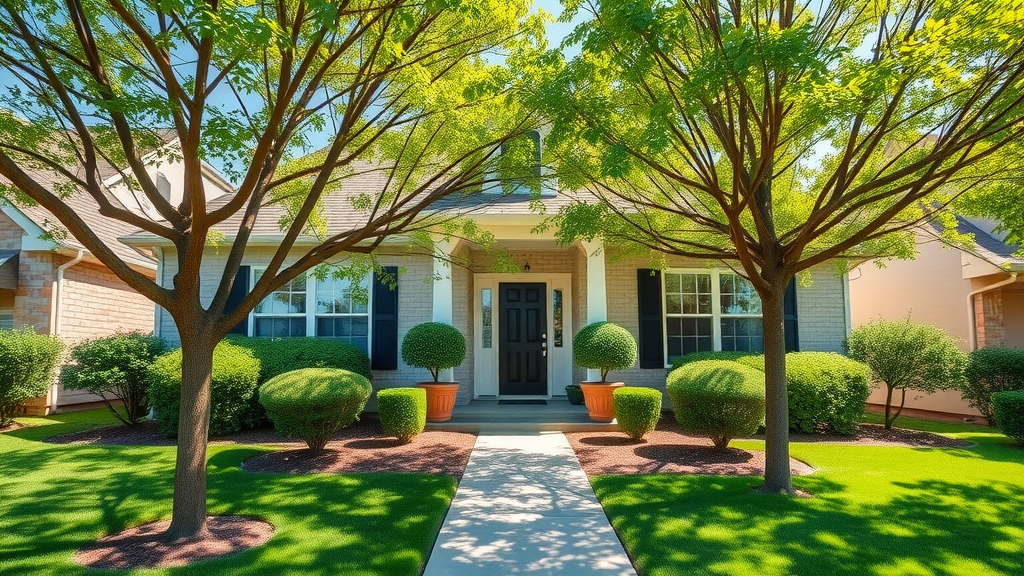
If you've ever wondered how much of an impact tree trimming makes on your property's value, the answer is significant. Multiple studies show that homes with well-maintained landscapes, especially those with properly pruned trees and shrubs, routinely sell for higher prices and in less time. More than simply removing unsightly or dead branches, effective tree care enhances visibility, draws natural light, and creates the impression of a safe, welcoming home.
But it’s not just about aesthetics. Well-timed and skillful pruning cuts also reduce the risk of storm damage and prevent diseases from spreading to otherwise healthy trees and shrubs. By investing in tree trimming annually or biannually, homeowners ensure their landscape remains both beautiful and resilient. As we’ll see, following proven techniques and seasonal guidance will help you avoid common mistakes while boosting your curb appeal and home value.
What You’ll Learn About Tree Trimming and Tree Pruning
- Key differences between tree trimming and tree pruning
- Optimal times for tree trimming
- Step-by-step guide to DIY tree trimming
- Cost factors and expert tips for tree care
- How proper tree trimming enhances curb appeal and safety
Tree Trimming Basics: Understanding Tree Structure and Health
Identifying Healthy Branch Structure for Effective Tree Trimming
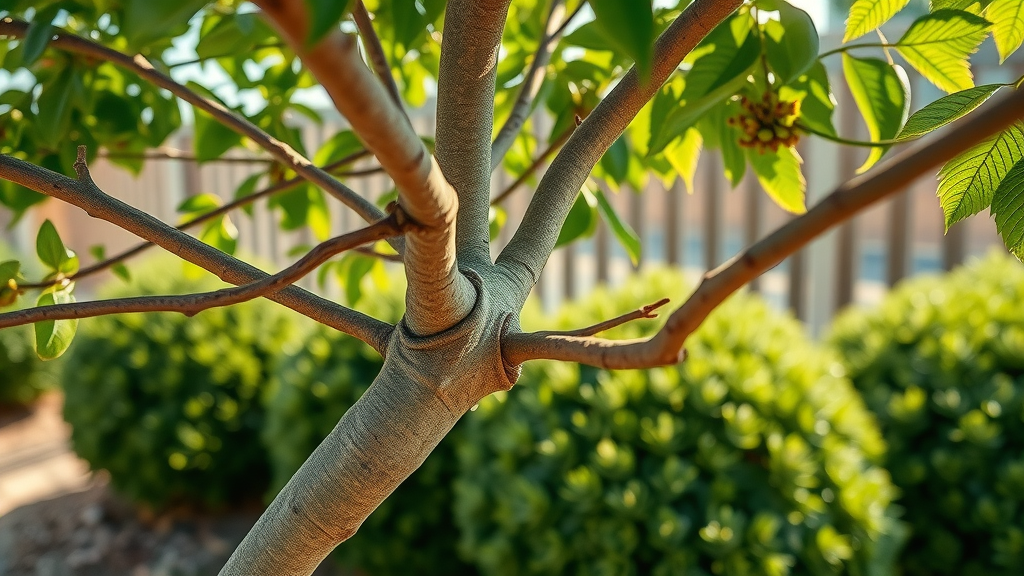
Healthy trees are the foundation of a vibrant landscape, and the branch structure plays a critical role in both appearance and safety. Recognizing which branches to remove ensures your pruning cuts encourage strong, well-balanced growth. Look for robust branches that grow at wide angles (ideally 45 to 60 degrees) from the trunk—these support future growth and withstand storms. Avoid removing major structural limbs unless absolutely necessary, as this can destabilize the tree. Focus your efforts on eliminating diseased branches, water sprouts, and crossing limbs, while always preserving the branch collar—the swollen area at the branch base essential for proper healing after cuts. Correctly assessing and trimming ensures your trees remain safe, healthy, and a lasting asset for your home.
Additionally, inspecting trees and shrubs once per season helps you spot issues before they escalate. Weak, infected, or poorly positioned branches (such as those growing downward or rubbing together) are prime candidates for removal—a strategy that not only improves air flow but minimizes risks from broken branches. When performed with the right tools and attention to detail, regular maintenance strengthens both the tree’s structure and its visual impact on your landscape.
For those looking to refine their pruning technique and ensure every cut supports healthy growth, you may find it helpful to review expert tips for healthier tree pruning. This resource offers practical advice on making precise cuts and fostering long-term tree vitality.
Tree Pruning vs. Tree Trimming: Key Differences You Need to Know
Tree Pruning Explained: Goals and Benefits
Tree pruning focuses on selectively removing specific branches to maintain tree health, direct growth, and maximize flowering or fruit production. Pruning is typically performed on young trees to establish a strong framework, but it’s equally important for mature trees, especially those near homes or high-traffic areas. The primary goal is proactive care—removing deadwood, damaged limbs, or branches that threaten the tree’s structure. This helps prevent disease spread, increases air circulation, and channels resources into healthy growth.
Moreover, strategic pruning cuts encourage a canopy that is both balanced and resilient. For fruit trees and flowering trees, pruning not only shapes but also stimulates new buds, resulting in more robust harvests and blooms. Seasonally timed interventions—typically during the dormant season or early spring—minimize stress on trees and prevent excessive sap loss or pest infestation. In sum, tree pruning is about enhancing vitality, longevity, and utility for both trees and shrubs in your landscape.
Tree Trimming Explained: Enhancing Aesthetics and Safety
While commonly confused with pruning, tree trimming is primarily concerned with sculpting a tidy, visually appealing landscape. The main objective is to control overgrown branches, maintain a desired shape, and prevent limbs from interfering with houses, power lines, or walkways. Trimming is essential in maintaining both curb appeal and the practical functionality of trees and shrubs, as unchecked growth can become unsightly and pose safety hazards.
Frequent tree trimming also deters the development of large branches that may break or damage property during storms. For mature trees, regular trimming preserves clearance for vehicles and pedestrians while sustaining long-term tree health. Remember: while aesthetic maintenance is the main focus, every trim should be a healthy one—never over-prune or remove more than 25% of a tree’s canopy in a single session. Balancing looks and plant well-being ensures your efforts yield lasting, positive results.
When to Trim Trees: The Ideal Month and Season for Tree Trimming
What Month is Best to Trim Trees?
Timing is everything when it comes to tree trimming. Most experts recommend carrying out major trimming in late winter or early spring, just before new buds swell. This dormant period allows trees to heal quickly, reduces the risk of pest infestation, and ensures you won’t remove valuable foliage during the growing season. However, exceptions exist for certain flowering trees—such as dogwoods or fruit trees—which are best pruned immediately after flowering to preserve next year’s blooms.
For young trees, formative pruning can often be done in late winter, establishing a strong foundation before the main growing season. Meanwhile, mature trees benefit most from corrective trimming during the dormant season, when their energy is focused on root and trunk health, not leaf production. This careful scheduling helps you avoid unnecessary stress and makes clean, efficient pruning cuts easier. Always check your tree’s specific needs with a certified arborist for optimal timing.
Seasonal Tree Trimming: Young Trees vs. Mature Trees
Understanding the seasonal needs of young trees versus mature trees will inform your tree care strategy. Young trees usually require formative pruning in their first few years to develop a stable, well-spaced branch structure. Pruning too late in the season or during periods of rapid growth may weaken the tree, leading to soft tissue damage or stunted development. Aim for late winter or very early spring for most species, and always use sharp, sterilized tools for clean pruning cuts.
For mature trees, seasonal maintenance is about removing hazards (dead, diseased, or broken branches) and ensuring adequate clearance. Major trimming projects—like removing large branches or reshaping the canopy—are safest during the dormant period, though minor touch-ups for safety or storm damage can be performed as needed. Note that unseasonable trimming or pruning during active growth may reduce vigor or trigger unwanted sprouting. Always tailor your approach to the tree’s age and species for best results.
Essential Tools and Safety Tips for DIY Tree Trimming
Must-Have Tools for Precise Pruning Cuts
- Pruning shears
- Loppers
- Pole saws
- Gloves and protective eyewear
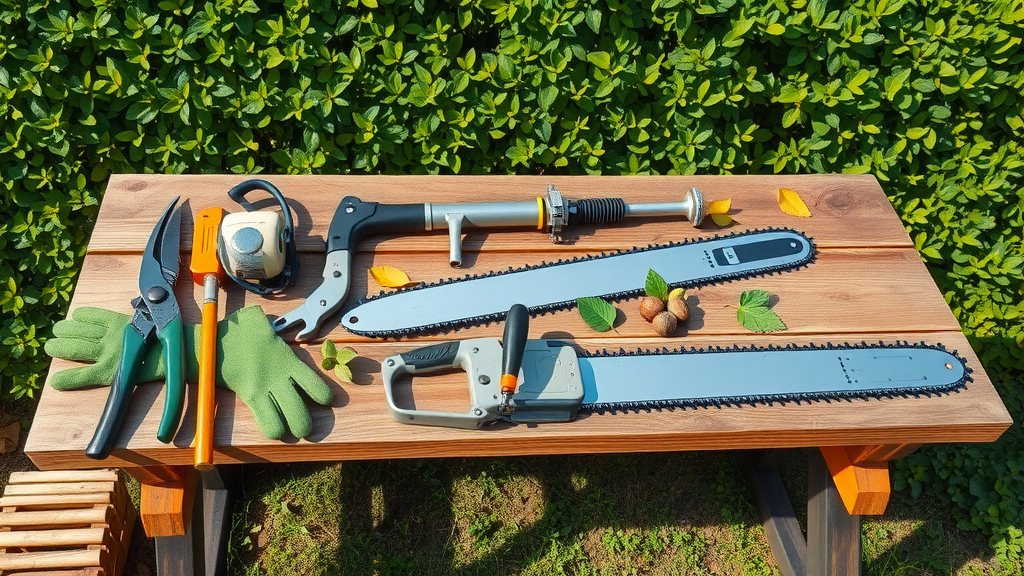
Proper tools are essential for effective tree trimming and safe pruning cuts. Lightweight but sharp pruning shears are ideal for small branches and twigs, offering precise results for fine shaping and detailed work. For thicker stems up to 2 inches in diameter, loppers provide extra leverage to make clean cuts without tearing bark or crushing living tissue. Reaching higher areas requires a pole saw, which extends your range while keeping feet safely on the ground—a must for mature trees or overhead trimming tasks. Safety gear is equally vital: always wear sturdy gloves to protect against thorns and splinters, plus protective eyewear to shield eyes from falling debris.
Regularly sharpen and sanitize your tools to prevent the spread of disease between trees and shrubs. Keep blades clean to ensure cuts are smooth and minimize injury to the plant. For ambitious tasks like removing large branches, use specialized saws or consult a tree care professional to avoid unintentional harm to both the tree and yourself.
Safety Precautions for Tree Trimming Homeowners
Safety is paramount in every aspect of tree trimming—from equipment selection to cutting technique. Never trim while standing on unstable ladders or near utility lines; for risky or tall jobs, call in certified tree care professionals. Even for smaller jobs, inspect surroundings for pets, children, or obstacles, and clear the work area beforehand. Always cut with steady, controlled motions and maintain good posture to reduce fatigue and the risk of accidental injury.
If a branch is larger than 4 inches in diameter or would fall on structures, use a three-cut method: an undercut first, a second cut farther out to remove most of the weight, and a final clean cut near the branch collar. This prevents bark tearing and protects the trunk from unnecessary damage. When in doubt, err on the side of caution and seek expert assistance—potential hospital visits or property damage far outweigh the cost of a professional service.
Step-by-Step Guide: How to Trim a Tree Yourself
How to Trim a Tree Yourself
- Assess the tree’s size and health.
- Select the right branches for pruning.
- Make clean pruning cuts at the correct angle.
- Remove large branches safely and correctly.
- Dispose of debris and perform post-trim care.
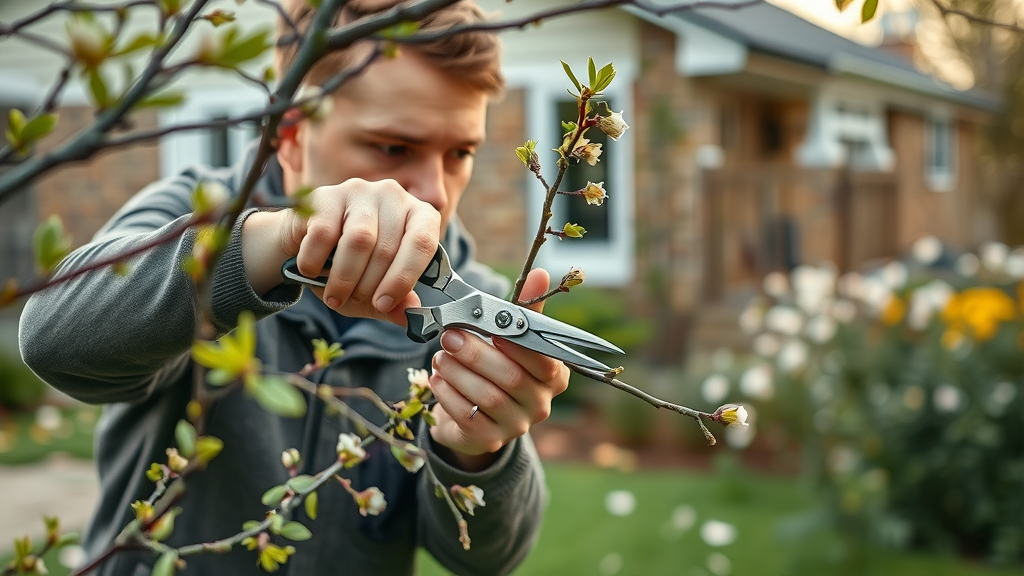
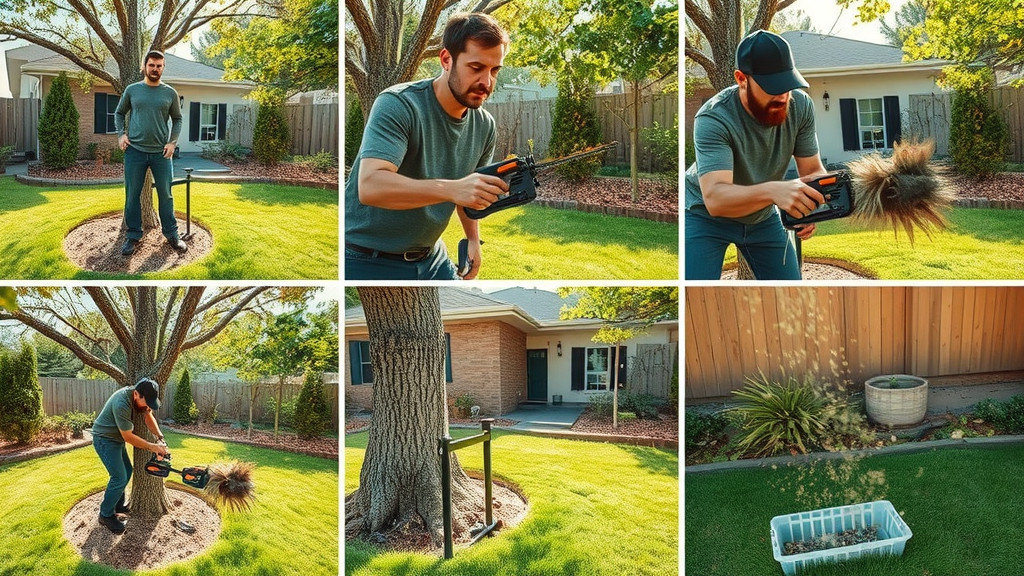
Taking on tree trimming as a DIY project starts with proper planning. First, survey the entire tree and surrounding trees and shrubs—spotting issues like diseased branches, weak crotches, or overcrowded limbs. Take note of any large limbs overhanging roofs or power lines, which may require professional help or special techniques. Next, select specific branches to trim: choose crossed, inward-growing, or dead limbs first, and always leave healthy, outward-facing buds so growth continues in the right direction.
Make each pruning cut just outside the branch collar at a 45-degree downward angle, using clean, sharp tools. Never cut flush with the trunk, as this interrupts the tree’s natural healing process. When removing a large branch, use the three-cut method for best results—preventing unnecessary bark tearing and trauma. Finally, clear away all debris and inspect the tree for wounds. Water the base lightly if necessary, and avoid painting cuts or using wound dressings. With these steps, you’ll maintain strong, beautiful trees that enhance your home’s curb appeal for years to come.
Advanced Techniques: Crown Reduction, Crown Raising, and Pruning Large Branches
Crown Reduction: Reducing Size Without Harming the Tree
Crown reduction is an advanced technique used to decrease a tree’s overall height or spread, especially for large or mature trees growing too close to buildings or other hazards. Unlike topping—which indiscriminately removes upper branches and leaves trees susceptible to disease—proper crown reduction removes select outer branches, maintaining natural form and vitality. The best practice is to trim branches back to lateral limbs at least one-third the diameter of the cut section, stimulating healthy regrowth and avoiding shock.
Make cuts at nodes where new growth is already established, and distribute reduction evenly throughout the canopy. For safety and best results, crown reduction should only be attempted with sharp, long-handled saws or loppers, and preferably under the guidance of an arborist. This technique enables mature trees to continue thriving while respecting the spatial needs of your property and adjacent structures.
Crown Raising for Clearance and Better Visibility
Crown raising involves removing lower branches to create vertical clearance beneath the tree—invaluable for walkways, driveways, and to frame picturesque views across your landscape. This is particularly important for mature trees that may impede pedestrian movement, vehicle access, or block sightlines. Start your crown raising by gradually eliminating lower, less vital branches, moving upward until you reach the desired clearance, but never remove more than one-third of the total branches at a time.
Wisely performed, this process redirects the tree’s energy into the upper canopy and lateral branches, while reducing the risk of breakage and increasing light penetration. Avoid injuring the main trunk or leaving large, open wounds. As always, prioritize cuts at the branch collar and consult a professional if the branches exceed a few inches in diameter to preserve both safety and tree health.
Best Practices for Pruning Large Branches Safely
When it comes to pruning large branches, safety and technique go hand-in-hand. The recommended approach is the three-cut method: first, make a shallow undercut about six inches from the trunk to prevent bark stripping when the branch falls. Next, cut through the limb a few inches farther out, removing the branch’s bulk. Finally, make a clean cut just outside the branch collar to encourage rapid healing. Never attempt to saw large, heavy branches above shoulder level on your own—these tasks are best left to experienced tree care professionals.
Additionally, avoid the temptation to reduce crown size by “topping,” which leads to weak regrowth and shortens tree lifespan. For branches that are diseased or broken, act quickly to prevent spread or further damage. Follow these practices to maintain the stable structure, beauty, and longevity of both young and mature trees.
The Science of Pruning Cuts: How and Where to Make Them
Correct Location for Pruning Cuts on Trees and Shrubs
Successful pruning cuts begin with understanding tree anatomy. The branch collar—a swollen area at the base of each branch—is where natural healing takes place. Always make cuts just outside the collar, avoiding flush cuts against the trunk, which inhibit recovery and increase disease vulnerability. For both trees and shrubs, trim only branches that are dead, diseased, or structurally unsound, and use clean, precise motions to avoid tearing bark.
Be sure to use the right angle: a slight downward cut helps water run off rather than pooling on the wound, minimizing rot. For shrubs and smaller fruit trees, aim to thin the interior by removing crossing or interior-facing shoots, promoting both airflow and sunlight. Following these guidelines protects plant health and sets the stage for vigorous, sustainable growth season after season.
Cost Factors: Why is Tree Pruning So Expensive?
Expert Insights into Tree Trimming Costs
Tree trimming and pruning costs vary based on species, size, accessibility, and the complexity of the work involved. Large, mature trees are often more costly due to the risks of removing heavy limbs and the need for specialized equipment. Emergency care, like storm damage removal or hazardous limb reduction, may also add to the price. Prices also reflect professional expertise—arborists are trained to make healthy cuts that protect trees and property, while minimizing long-term liabilities. Here’s a glance at average costs for common tree care services:
| Service Type | Average Cost |
|---|---|
| Tree pruning | $200 - $1,000 |
| Tree trimming | $150 - $900 |
| Large branch removal | $300 - $1,500 |
| Emergency tree care | $500+ |
Why is Tree Pruning So Expensive?
The elevated cost of expert tree pruning comes down to more than just labor. Certified arborists require years of training to recognize healthy branch structure, identify hazards, and make effective, safety-conscious pruning cuts. The work itself is physically demanding and often performed high above the ground, demanding ropes, harnesses, protective gear, and liability coverage. Moreover, improper cuts or over-pruning can do irreparable harm to your mature trees, leading to expensive removals or property damage down the line. In sum, investing in expert care ensures long-lasting, healthy trees, increases home value, and protects your family and assets.
Tree Care Quotes: Professional Insights on Tree Trimming and Tree Pruning
"Strategic tree trimming not only beautifies your property, but protects trees and homeowners alike." – Certified Arborist Diana Greene
"Proper pruning cuts are the most important step in tree trimming—one wrong cut can jeopardize years of growth." – Master Gardener Tom Willis
Best Practices for Pruning Young Trees and Mature Trees
Pruning Young Trees: Setting the Foundation
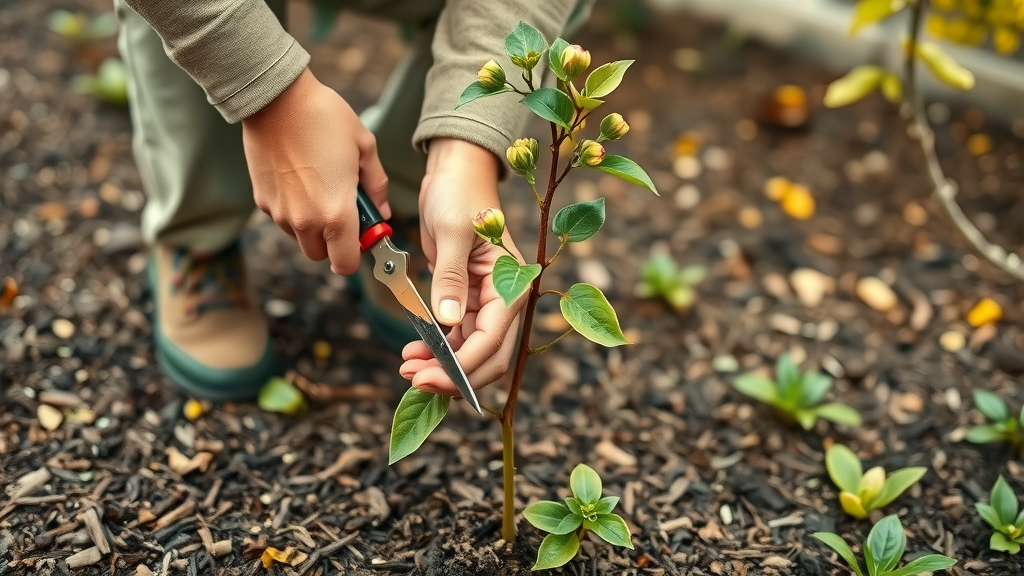
First impressions last a lifetime, and young trees benefit immensely from formative pruning in the early years of their growth. Begin by shaping the main trunk and choosing evenly spaced branches at least 18 inches apart. Regularly remove any inward-growing or crossing shoots, as well as competing leaders (main stems), to prevent weak structure. By focusing on healthy, wide-angled branches, you help young trees develop resilience and aesthetic form that endures into maturity. Always avoid excessive pruning and remember that less is more during the initial growing seasons.
Schedule primary cuts for late winter or early spring to avoid stress and promote robust regrowth. Use sanitized hand pruners and loppers for the cleanest results. With attentive early intervention, you ensure future canopy strength and long-term landscape beauty.
Maintaining Mature Trees With Careful Tree Trimming
Mature trees are the crown jewels of every landscape, but their large size and massive branches require extra care and experience. Concentrate on routine removal of dead, diseased, or hazardous branches, and avoid major reshaping unless absolutely necessary. Ongoing tree trimming for mature specimens is seasonal: prioritize the dormant season for significant work, but lightly address broken or dangerous limbs as soon as they appear throughout the year.
Maintain a minimum clearance for walkways and homes, and never remove more than 25% of a mature tree’s live canopy in a single session—over-pruning can trigger decline or even death. When large branches (four inches in diameter or more) must be removed, use the three-cut technique and consult an arborist for high-risk or hard-to-reach jobs. With consistent, cautious care, your mature trees will continue providing shade, beauty, and value for decades.
Common Mistakes to Avoid When Trimming and Pruning Trees
- Over-pruning or topping
- Using dull or inappropriate tools
- Trimming during the wrong season
- Ignoring large branch hazards
Even seasoned gardeners can make mistakes with tree trimming. One of the most damaging is topping, or indiscriminately cutting back the entire crown—this practice weakens the tree and leaves it susceptible to disease and poor regrowth. Using dull or dirty shears can crush living tissue, increasing the risk of infection, while trimming at the wrong time (during the active growing season for many species) can cause undue stress and sap loss. Lastly, never ignore large, cracked, or decaying branches; they can pose real hazards to people and property. By recognizing and avoiding these pitfalls, your homemade efforts will result in healthier, safer, and more attractive trees.
Tree Care for Trees and Shrubs: Additional Landscape Tips
Integrating Shrub Trimming into Your Tree Care Routine
Smart homeowners know that curb appeal extends beyond just trees—well-maintained shrubs complete the picture of a cared-for home. Incorporate shrub trimming into your routine every spring and late summer, shaping with hand shears for control and only removing older or overcrowded growth. Just as with trees, make cuts above outward-facing buds and keep tools clean to avoid spreading disease. Regular shrub care ensures your planting beds look lush and orderly while complementing the grander forms of mature trees.
For mixed borders or privacy screens, alternate between tree pruning and shrub shaping to achieve year-round interest and structural balance. Mulch beds after each care session to lock in moisture and suppress weeds—this not only enhances appearances but also supports the health of your entire landscape. When in doubt, stagger your schedule and prioritize safety and plant longevity above rapid results.
FAQs About Tree Trimming, Tree Pruning, and Tree Care
What Month is Best to Trim Trees?
The ideal time for tree trimming is late winter through early spring, just before buds break. This dormant window minimizes stress on both young and mature trees, and reduces risks of pest infestation. Flowering species may have slightly different timings—always check species-specific guidelines.
What is the Difference Between Tree Trimming and Tree Pruning?
Tree trimming focuses on controlling shape and size for visual impact and safety, while tree pruning targets specific limbs to improve a tree’s health, structure, or productivity. Both require knowledge of branch structure and proper timing to avoid harm and maximize benefit.
Why is Tree Pruning So Expensive?
Tree pruning involves skilled labor, specialized equipment, and insurance costs due to inherent dangers. Improper technique can have high costs—removing large branches without expertise risks property and tree damage. Investing in experts ensures safe, quality results.
How to Trim a Tree Yourself?
Start by inspecting your tree’s health and selecting target branches. Always use clean, sharp tools to make angled, precise cuts just outside the branch collar. Remove branches cautiously using the three-cut method for heavy limbs. Clean up debris when done, and water the tree lightly to support root recovery.
Key Takeaways: How Expert Tree Trimming Elevates Curb Appeal
- Tree trimming boosts real estate value and property safety.
- Strategic pruning cuts prevent disease and preserve structure.
- DIY safe practices are essential; know when to call a pro.
Next Steps: Grow Your Tree Trimming Expertise
Grow your landscaping expertise—call 203-271-7991 or visit TreeGuardianNews.com to subscribe.
If you’re inspired to take your outdoor space to the next level, consider exploring a broader range of tree service tips that can transform your entire landscape. From advanced maintenance strategies to creative design ideas, these insights will help you unlock the full potential of your yard. Whether you’re aiming for a lush, inviting garden or a safer, more functional property, there’s always more to discover. Continue your journey toward a healthier, more beautiful home environment by diving into expert guidance tailored for every homeowner.
Regular tree trimming offers numerous benefits that enhance both the health of your trees and the overall appeal of your property. By removing dead or diseased branches, you promote healthier growth and prevent potential hazards. Additionally, well-maintained trees can significantly boost your home’s curb appeal, potentially increasing its value.
For more detailed insights, consider exploring the following resources:
-
“Tree Care: 9 Incredible Benefits of Tree Trimming” (greentopps.com)
-
“9 Financial Benefits of a Tree Trimming Service” (eduardostree.com)
These articles provide comprehensive information on how regular tree trimming can improve tree health, enhance property aesthetics, and even offer financial advantages.





Write A Comment