








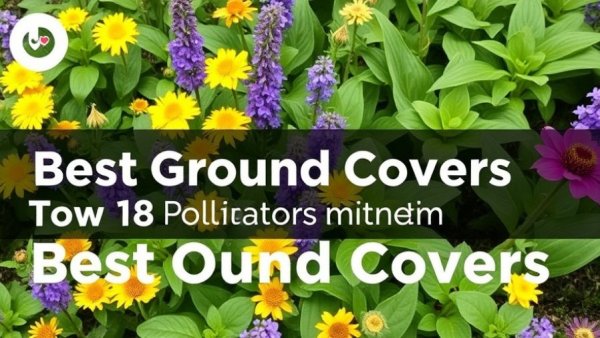
Why Ground Covers Matter for Pollinators
Did you know that some of your garden's most vibrant, low-growing beauties do more than just beautify your space? Many ground covers can significantly boost the health of local ecosystems, supporting pollinators like bees, butterflies, and even hummingbirds. Unlike traditional lawns that offer little in terms of food or habitat, these unique plants can create a rich tapestry of life in your backyard. By incorporating specific ground covers, gardeners can contribute to the vital role pollinators play in our food systems and environmental health.
Top Picks: Ground Covers for Pollinators
In a recent episode of Super Cool Plants, gardening experts Joseph Tychonievich and Susan Calhoun shared their favorite ground covers that not only enhance your garden's aesthetics but also provide nourishment for essential pollinators. From the delicate partridge berry to the vibrant seaside daisy, here are some of their top recommendations:
- Partridge berry (Mitchella repens) (Zones 3–8) – A creeping perennial that produces charming berries and blooms, attracting bees early in the season.
- Dwarf crested iris (Iris cristata) (Zones 3–9) – With its striking flowers, this ground cover can thrive in shady areas and is a favorite among pollinators.
- Thyme-leaf speedwell (Veronica oltensis) (Zones 4–9) – Known for its blue flowers, this adaptable plant is perfect for low maintenance gardens.
- Dune sunflower (Helianthus debilis subsp. debilis) (Zones 8–11) – A native ground cover that attracts pollinators and brightens up sandy landscapes.
- Red creeping thyme (Thymus praecox 'Coccineus') (Zones 5–9) – This aromatic ground cover can handle foot traffic and blooms profusely, offering a buffet for insects.
- Creeping Oregon grape (Mahonia repens) (Zones 5–8) – This evergreen provides nectar for pollinators and vibrant yellow flowers in spring.
- Seaside daisy (Erigeron glaucus) (Zones 7–10) – Its happy blooms are perfect for coastal gardens and attract various pollinators.
- Mt. Omei impatiens (Impatiens omeiana) (Zones 6–9) – This unique ground cover thrives in the shade and can provide valuable nutrients to nearby plants.
Creating a Pollinator-Friendly Garden
To create a pollinator-friendly garden, consider mixing several of these ground covers together. Not only will they look fantastic, but they will also create a connected habitat for various species. This can promote biodiversity in urban settings, capturing rainwater and reducing runoff, as well as preventing soil erosion.
It’s essential to choose species that are native to your region, as these plants are more likely to attract local pollinators. Additionally, consider the needs of these plants — some prefer full sun while others thrive in the shade. Regularly monitor your growing conditions, providing enough moisture and nutrients.
Joy of Blooming Ground Covers
There is a certain joy and satisfaction that comes with watching pollinators visit your garden. The buzzing of bees and flitting of butterflies highlight a dynamic, thriving ecosystem right outside your window. Each flower or creeping plant is a small step toward supporting the planet's vital pollinators, essential for food production and ecological balance.
Your Next Steps: Get Involved!
As you consider your garden's design this season, think beyond aesthetic appeal. Engage with your local gardening community and resources to learn more about native plants and the best practices for encouraging pollinators in your area. You might be surprised how much you can contribute — and how much beauty you'll gain!
Explore these ground covers today and transform your outdoor space into a buzzing haven for pollinators. Together, we can plant a brighter future for our gardens and the creatures that inhabit them.



Write A Comment