








Did you know that up to 80% of winter tree damage can be prevented with proper care? As startling as it sounds, ignoring your trees in winter doesn’t just threaten their survival—it can sabotage that lush, healthy garden you dream of in the spring. This essential guide unmasks the real risks posed by cold weather, snow, and ice, and arms you with expert-approved tree winter care techniques that lead to vibrant growth next season.
Why Tree Winter Care Is Key: Surprising Facts & Urgent Reasons
"Did you know that up to 80% of winter tree damage can be prevented with proper care?" — Arborist Dr. L. Greenwood
While trees may look dormant during the winter months, deep below the snow cover, roots, bark, and buds are often at risk. Tree care experts reveal that freezing and thawing cycles can cause roots to heave, bark to split, and branches to crack under heavy snow and ice. For many property owners, the damage only becomes visible in spring—by which time it’s often too late for simple fixes. Studies show that young and newly planted trees are especially vulnerable, suffering from water loss and root system disruption when soil temperatures plummet or moisture is lacking.
Deciduous trees and evergreens both struggle in their own ways: deciduous trees risk sunscald on their southwest sides, while evergreens face desiccation and broken limbs. Proactively caring for trees through winter not only limits expensive removals and replacements but also boosts tree health, ensuring you’ll enjoy a full, green canopy when early spring arrives. The bottom line? Skipping winter tree care is an invitation to unnecessary hazards and costly setbacks.
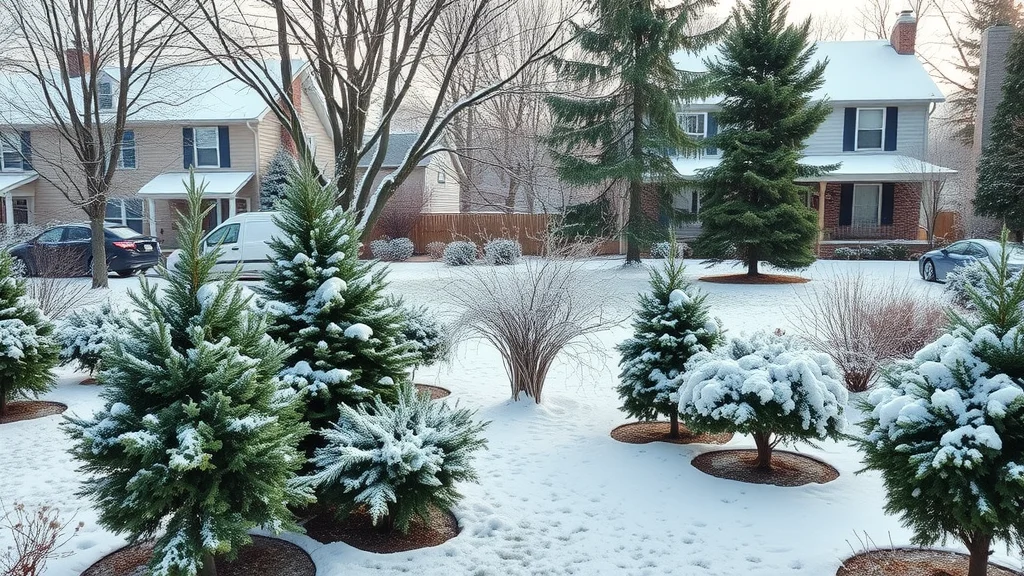
What You’ll Learn: Mastering Tree Winter Care
- Why tree winter care is essential for tree survival
- Practical steps for protecting trees and shrubs
- How winter conditions like snow and ice impact tree health
- Key timing for tasks such as wrapping, mulching, and fertilizing
Understanding Tree Winter Care: The Basics
The Science Behind Winter Tree Vulnerabilities
- How soil temperature affects root health
- Impact of fluctuating snow and ice conditions
- Differences in care between deciduous trees and evergreens
Tree winter care is rooted in one undeniable fact: trees and shrubs are living organisms that don’t simply “turn off” in cold weather. Their survival relies on how well we protect their root systems and above-ground parts through the dry spells and temperature swings of the colder months. For deciduous trees, the cycle of freezing nights and sunny winter days can inflict sunscald and bark splitting—especially on the southwest side where sunlight bounces off snow cover. Evergreens, on the other hand, are prone to desiccation as their needles continue to lose water through transpiration, even when soil moisture is scarce and frozen.
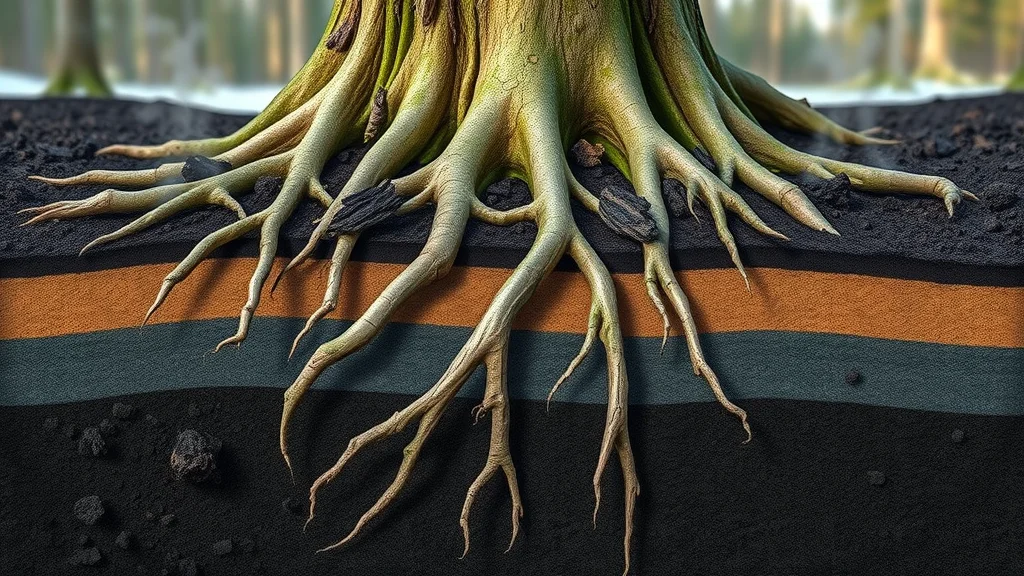
Soil temperature is critical for root activity—roots remain viable and can absorb moisture until the ground freezes solid. When the protective mulch layer is too thin, roots are exposed to harsh freeze-thaw cycles, increasing the risk of winter die-back. Fluctuations in snow and ice can also weigh down branches, causing structural damage. Proactive tree care like mulching, wrapping, and monitoring moisture all contribute to stabilizing root environments and minimizing late winter injury to branches and trunks.
| Winter Stress Factor | Deciduous Trees | Evergreens |
|---|---|---|
| Root Vulnerability | High during freeze-thaw cycles; exposed roots can dry out | Moderate to high; roots stay active longer, risk dehydration |
| Branch/Bud Damage | Susceptible to sunscald and splits on trunk, especially southwest side | High risk of limb breakage from snow and ice load |
| Water Loss | Roots unable to absorb water in frozen soils | Needles lose water year-round, may brown or drop if desiccated |
| Best Defense | Wrap, mulch, careful pruning, water before freeze | Mulch, water in late fall, prevent heavy snow/ice accumulation |
Assessing Trees and Shrubs Before Winter
Inspection Checklist for Tree Care
- Check for damaged or diseased branches
- Identify vulnerable young or newly planted trees
- Evaluate soil moisture and temperature
Routine inspections before winter sets in are the foundation of effective tree care. Start your assessment by closely inspecting every tree and shrub in your landscape. Look for dead, diseased, or damaged branches: these are more likely to break under heavy snow and ice, causing further injury to the tree and nearby structures. Pay special attention to newly planted trees and young saplings, as their undeveloped root systems and thinner bark make them especially susceptible to rapid temperature changes and pest infestations.
Evaluating soil moisture is just as important as checking the branches. Use a soil thermometer or probe to detect whether the dirt is holding adequate warmth and moisture. Overly dry soil can deprive roots of necessary hydration, while waterlogged soil is equally problematic as it can freeze around the root system, increasing risk for root rot or heaving. Early assessments—and taking action based on those findings—ensure you’re not caught off guard by the first harsh conditions of winter.
Protecting the Roots: Soil Temperature and Mulching Strategies
How Soil Temperature Influences Tree Winter Care
Soil temperature is often overlooked in winter tree preparation, yet it is arguably one of the most crucial factors influencing both root system health and recovery when spring arrives. During winter months, the ground acts as a buffer zone—insulating roots from the wild swings in air temperature that can occur during the day and night. As soil freezes, the ability for roots to absorb moisture drops sharply, and roots are more likely to suffer from desiccation or physical damage due to frost heaving.
To support tree health, monitor soil temperature in late fall and throughout winter, especially before applying mulch or watering. An optimal layer of mulch insulates roots by keeping soil temperature fluctuations minimal, thus helping to retain moisture, prevent ice crystals from forming near roots, and encourage a more gradual thaw come early spring. For sensitive species or newly planted trees, it’s wise to use a soil thermometer and adjust your tree care strategies proactively.
Best Mulching Practices for Trees and Shrubs
- When and how to apply mulch
- Choosing the right mulch material
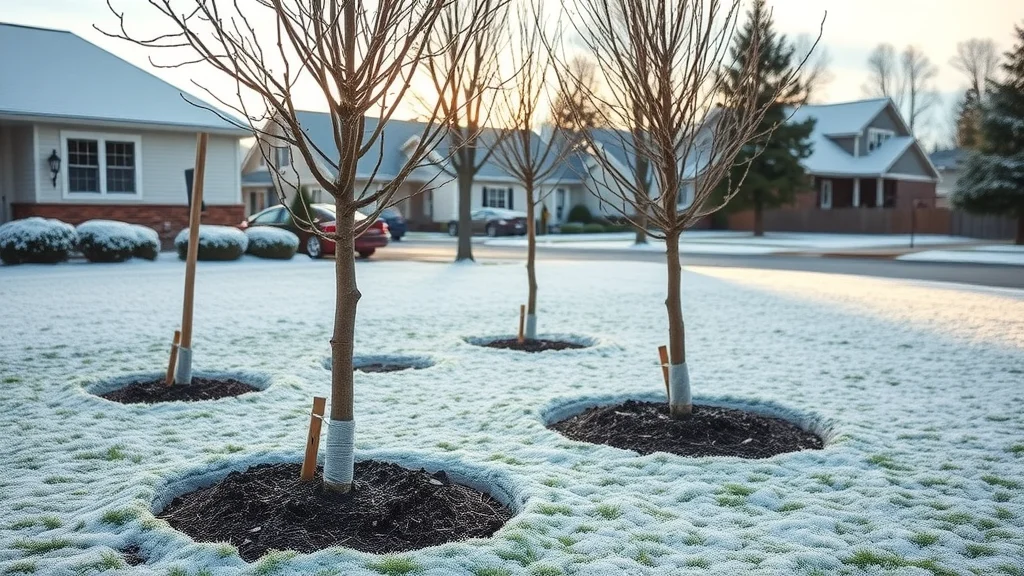
The proper application of mulch is one of the best defenses in tree winter care. You should apply mulch in late fall, ideally before the ground freezes hard but after the first frost. This timing ensures moisture is sealed in while preventing rodents and pests from making homes under the mulch too early in the season. Spread a 2- to 4-inch layer of organic mulch—such as shredded bark, wood chips, or leaf mold—around the base of the tree, taking care to keep mulch from directly contacting the trunk (to avoid rot and pest problems).
Choosing the right mulch is just as important as knowing when to apply it. Avoid using compacted or non-biodegradable materials, which can suffocate roots or inhibit water absorption. Organic mulches not only insulate and retain moisture but also break down slowly over winter, nourishing soil and root systems naturally. Make sure your mulch ring extends to the tree’s drip line, covering as much of the root zone as possible for maximum protection against the harshest winter days.
Shielding Trees from Snow and Ice Damage
Managing Heavy Snow Accumulation on Trees
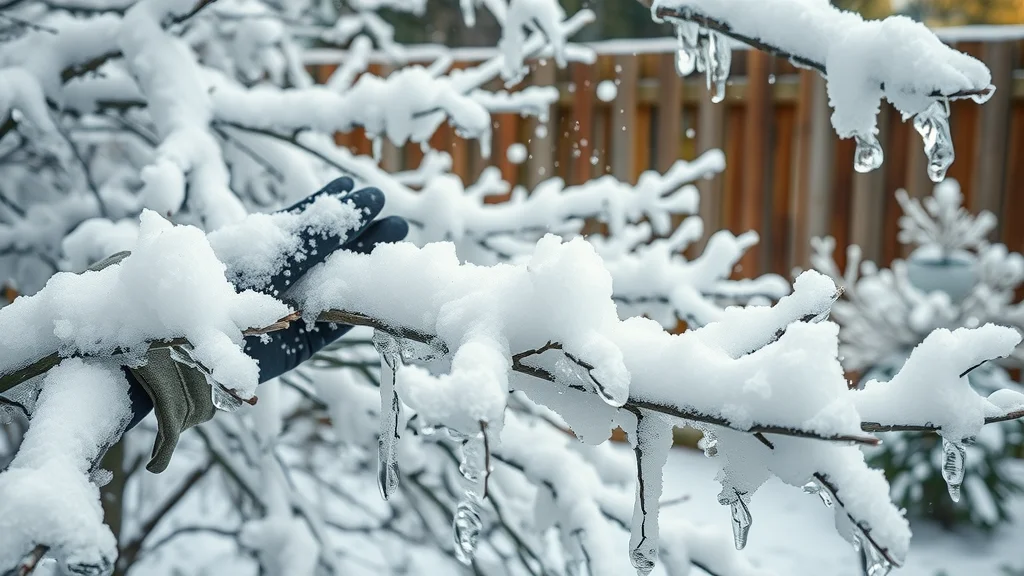
Heavy, wet snow can challenge even mature tree limbs, causing them to bend and, in some cases, snap under the weight. The key to effective tree care here is gentle intervention. After every heavy snow event, visually assess your trees for accumulating drifts on branches—especially in multi-leader evergreens and the uppermost branches of deciduous trees. Use a soft broom or your gloved hand to carefully brush off loose snow from the surface, always stroking upward and avoiding sudden shaking, which can cause brittle limbs to fracture.
Regularly removing snow cover prevents excessive weight that might compromise the structural integrity of branches, but refrain from tackling thick ice, as forceful removal can strip bark or break twigs. Ensuring your trees and shrubs are properly pruned before winter will also lessen the risk of damage, as well-balanced, pruned plants are less likely to lose large branches to snow and ice accumulation.
Preventing Ice Damage: Essential Winter Tree Care Actions
Ice storms present an outsized threat to tree health every winter. As freezing rain coats branches, the accumulating ice can double or triple their weight, greatly increasing the risk of snapping. One of the most practical tree winter care actions is to proactively prune weak, dead, or crossing branches in late fall, as these are often the first to break under stress. For especially valuable trees or those in exposed locations, consider using a tree wrap or tree guard on trunks and lower branches to mitigate the effects of freezing rain and triple-layer ice crusts during the harshest storms.
Never attempt to chip or force ice from branches—this often leads to bark tears that invite pests or disease. Instead, focus on minimizing initial risk through good fall preparation and supporting your trees with proper mulching, which anchors the root system during freeze-thaw cycles. If severe ice damage occurs, contact a certified arborist for safe evaluation and restoration to help your tree heal properly before the growing season begins.
Protection Techniques: Wrapping and Covering for Tree Winter Care
When to Wrap Trees for Maximum Protection
Most tree injuries during winter occur after sudden cold snaps or violent winds. To shield trunks from sunscald, frost cracks, and gnawing rodents, wrapping should occur once nighttime temperatures consistently drop below freezing but before the season’s first heavy frost. Pay close attention to young trees, as their thinner bark is particularly susceptible to cracking and pest invasion. For established trees with a history of winter damage (especially on the south or southwest side), wrapping becomes an annual precaution that can preserve trunk health for years to come.
Applying wraps too early, however, can trap excess moisture and become a haven for pests—wait for cool, dry late fall weather. Remove tree wraps each early spring to avoid trunk girdling, which can disrupt nutrient flow as the tree emerges from dormancy.
Methods for Wrapping Trees and Shrubs in Late Winter
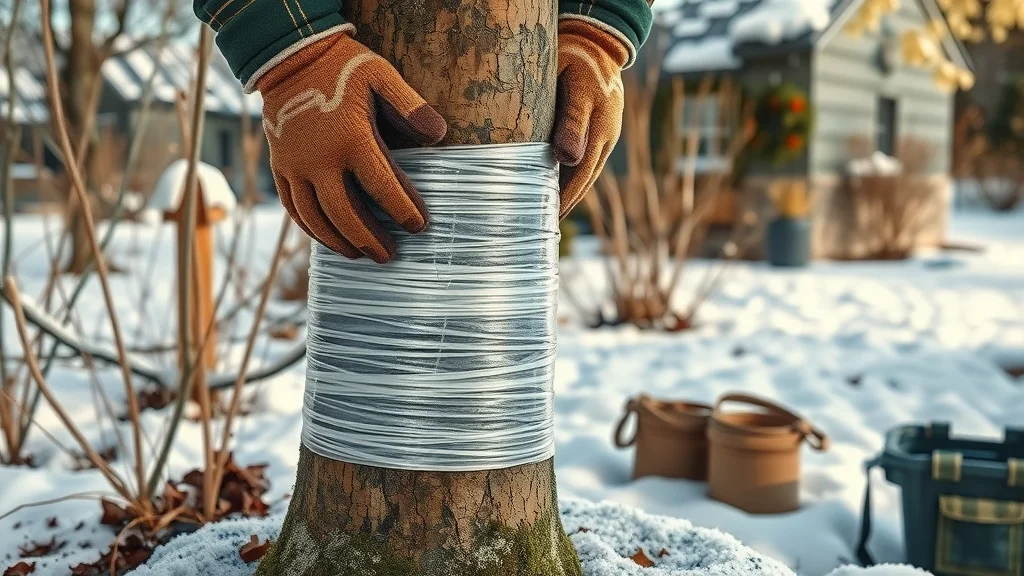
Wrapping methods are as varied as tree species, but a few best practices apply to most situations. Use breathable fabric tree wraps or commercial tree guards, rather than plastic or non-porous materials, to allow airflow and reduce the risk of mold or decay. Start at the base of the trunk and work upward in an overlapping spiral, ensuring the wrap is snug but not constricting. Secure the end with natural twine that won’t bite into the bark as it swells with springtime sap flow.
For shrubs and young planted trees, consider using burlap screens or cages to deflect wind and block hungry deer or rabbits. Always inspect wrapped trees during winter thaws, loosening or adjusting as necessary to maintain even coverage. By integrating effective wrapping into your tree winter care routine, you protect against sunscald, frost damage, and gnawing pests throughout the harshest months.
Fertilization and Watering: Tree Care Priorities Before and During Winter
Should You Fertilize Trees and Shrubs Before Winter?
Fertilization plays a nuanced role in tree winter care. Applying a slow-release fertilizer in late fall—after leaf drop for deciduous trees—can help roots store nutrients and rebound with vigor in early spring. Use a product balanced for your tree species and avoid high-nitrogen fertilizers, which may encourage tender, late-season growth prone to winter injury. Never fertilize trees once the ground has frozen: the nutrients will not reach the root system and may leach away during snow melt.
For mature, healthy trees, fertilization is often less critical than for newly planted or stressed trees and shrubs. Always base fertilizer application on soil test results when possible, ensuring you address specific deficiencies without overfeeding. The right approach supports tree health through the dormant, late winter period and boosts resilience as buds break and new leaves emerge.
Water Management for Trees in Late Winter
Proper watering is a vital part of winter tree care, especially during dry spells when rain or snow cover is insufficient. Before the ground freezes, deeply water trees and shrubs to saturate the root zone, enabling roots to retain moisture through winter. In late winter, monitor soil moisture in the root area—particularly for evergreens and newly planted trees—which are susceptible to dehydration from persistent winds and winter sun.
When conditions permit, provide supplemental winter watering during midwinter thaws, ensuring soil is moist but not waterlogged. This practice is especially critical for trees in well-drained soils or raised beds, where water loss occurs more rapidly. Well-hydrated roots are better equipped to resist cold stress, reducing bark splits and helping your trees and shrubs recover quickly in early spring.
Special Considerations for Deciduous Trees and Winter Tree Care
Deciduous trees demand unique strategies for surviving winter unscathed. Pruning is best performed in late winter while the tree is still dormant and before new growth appears. This timing limits sap loss and helps the tree heal quickly as temperatures rise. Remove any crossing, wounded, or diseased wood to minimize the risk of infection or structural weakness caused by snow and ice. Deciduous trees are also prone to pest problems, as bark splits and wounds become entry points for winter-hungry insects and rodents. Wrapping trunks and applying mulch rings help deter these threats, while also buffering the root system against fluctuating soil temperatures.
Be vigilant for sunscald, which often appears as pale, cracked bark on the south or southwest side of trunks after sunny winter days. Strategic placement of tree wrap on vulnerable trunks—for both young and mature specimens—adds a vital layer of protection, making sure your tree can bounce back with full vigor when the growing season begins.
Winter Tree Care for New Plantings and Young Trees
Protecting Young Roots and Trunks During Harsh Winters
Young trees—and any newly planted trees and shrubs—require extra vigilance in winter months. Their root systems are shallower and more exposed to freeze-thaw cycles, and their bark hasn’t thickened enough to repel pests or withstand sunscald. To give your new additions the best shot at survival, apply a generous layer of mulch around the base right after planting, and erect trunk wraps or protective guards as soon as freezing temperatures approach. Avoid mounding mulch up the trunk, which can usher in fungal complexities or unwanted critters.
Check often for any signs of frost heaving, where frozen soil pushes young roots above ground. Firmly reset soil and mulch to keep roots insulated. Shields such as burlap screens offer wind protection, while tree wrap guards against unintended bark injuries from swing temperatures and curious wildlife.
Tree Care Approaches for Newly Planted Trees and Shrubs
The survival of newly planted trees hinges on a comprehensive winter tree care plan. Integrate regular soil moisture checks and supplement water during extended dry spells in winter, especially in the absence of consistent snow cover. For optimal results, stake newly planted saplings to protect against wind rock, which can sever roots and compromise tree health. Inspect trunk wraps and mulch rings throughout the season, ensuring they remain secure after storms or heavy snow.
Avoid fertilizing new plantings late in the year, as fresh growth may not have time to harden and risks being killed during harsh conditions. Instead, focus on nurturing steady root establishment and shielding both trunk and root zone through mulching, wrapping, and wind screening. Come early spring, remove coverings promptly to prevent moisture retention issues and to encourage robust root and canopy development as the growth cycle begins.
Common Mistakes in Tree Winter Care and How to Avoid Them
- Neglecting to mulch or wrap at the proper time: Missing the ideal window exposes roots and trunks to harsh conditions.
- Over-pruning late in the season: Excessive cutting after dormancy can hinder tree health and spring recovery.
- Ignoring soil temperature and moisture: These are easy to overlook but crucial for healthy root systems.
People Also Ask: Tree Winter Care Questions Answered
How do you winterize a tree?
To winterize a tree, start with a thorough inspection for dead or damaged limbs. Prune problem branches in late fall, and apply a thick layer of mulch—about 2–4 inches—around the base while keeping it away from the trunk. For vulnerable species or young trees, use a breathable trunk wrap or guard to prevent sunscald and rodent damage. Water deeply before the first hard freeze to help roots retain moisture. After heavy snow, gently remove the accumulation from branches without using force. These actions, when performed at the proper time, ensure your trees and shrubs weather winter and emerge healthy in spring.
How to keep trees alive during winter?
Keen tree winter care involves mulching, wrapping, and closely monitoring soil conditions. Protect your trees and shrubs by applying the right mulch, keeping an eye on water loss by checking soil moisture, and watering when dry spells extend during winter months. For extra protection, especially for evergreens and newly planted or transplanted trees, use trunk wraps to guard against sunscald and wind burn, and stake young trees if exposed to strong winter winds. Supplemental watering is critical if rainfall or snow cover is lacking.
When should you wrap your trees for the winter?
Wrap tree trunks once consistent nighttime temperatures reach freezing, typically in late fall but before the area’s first hard frost. This timing maximizes protection against rapid temperature swings, wildlife, and winter sun injury, especially to young or vulnerable trees. Remove wraps promptly in early spring to prevent girdling or trapped moisture that can compromise tree health as growth resumes.
Should I fertilize my trees before winter?
It’s usually best to fertilize trees and shrubs in late fall, after leaf drop for deciduous trees and before hard frost sets in. Use slow-release, balanced fertilizers to support root strength without prompting tender new growth, which could be killed in harsh winter conditions. Mature trees often require less frequent fertilization, while stressed or young trees may benefit from targeted nourishment based on soil tests. Never apply fertilizer to frozen soils.
Expert Quotes: Real-World Success Stories in Winter Tree Care
"Tree care in winter isn't just about survival—it’s about ensuring a thriving spring." — Certified Arborist A. Taylor
Key Takeaways for Effective Tree Winter Care
- Timely preparation prevents costly damage
- Mulching and wrapping are essential for protection
- Soil temperature and moisture must be monitored
- Special care required for young and newly planted trees

Frequently Asked Questions: Tree Winter Care
-
Is it normal for trees to lose branches in winter?
It’s not uncommon for trees, especially older or damaged ones, to lose branches after heavy snow and ice events. Pruning prevention and prompt care can significantly reduce breakage and stress. -
What are signs of winter damage in trees and shrubs?
Look for split bark, dead branches, wilted or browning evergreens, and abnormal leaf or bud loss in early spring. Sunscald and rodent damage on lower trunks are also telltale signs. -
How soon can I prune after heavy snow?
Wait until snow or ice has melted and branches return to their normal position. Prune when the tree is dormant (late winter) to minimize stress and accelerate healing before spring growth.
Spring Preparation: Transitioning Tree Winter Care for a Healthy Season
As temperatures rise in early spring, transition your tree winter care strategies by gradually removing wraps, refreshing mulch, and lightly fertilizing if soil tests indicate a need. Inspect all trunks and branches for winter damage, prune as needed, and monitor soil moisture to encourage robust leaf-out and long-term tree health.
Conclusion: Making Tree Winter Care a Year-Round Priority
Prioritizing tree winter care yields healthier trees, resilient landscapes, and fewer springtime surprises. By integrating regular inspections, mulching, protective wrapping, and targeted watering, you build a foundation for lasting garden beauty and growth.
Grow your landscaping expertise—call 203-271-7991 or visit TreeGuardianNews.com to subscribe.
To enhance your understanding of tree winter care, consider exploring the following resources:
- “How to Care for Your Tree During the Winter” (texastrees.org)
This guide offers practical advice on pruning, mulching, and watering trees during the colder months, emphasizing the importance of these practices for tree health.
- “4 Winter Tree Care Tips” (canopy.org)
This article provides essential tips on pruning, mulching, and watering trees in winter, highlighting the benefits of these practices for tree health.
If you’re serious about maintaining healthy trees through the winter, these resources will provide you with valuable insights and actionable steps.





Write A Comment