








Building Community Resilience: The Seattle Model
In 2006, a fierce windstorm unleashed havoc across the Pacific Northwest, leaving over 1.8 million households without power. As communities struggled in the dark, Seattle residents learned the importance of coming together in times of crisis. In its aftermath, a grassroots initiative to establish emergency hubs emerged, forever changing how neighbors respond to disasters.
A History Forged in Crisis
The Hanukkah Eve storm was more than just an inconvenient weather event; it was a wake-up call for community preparedness. Following the storm, the residents of West Seattle began gathering in parks and public spaces, sharing essential resources such as food and warm showers. Margie Carter, an educator involved in these gatherings, coined a term for their new practice: "Connecting on Corners." This laid the groundwork for what would become the city's extensive network of emergency hubs.
The Rise of Emergency Hubs
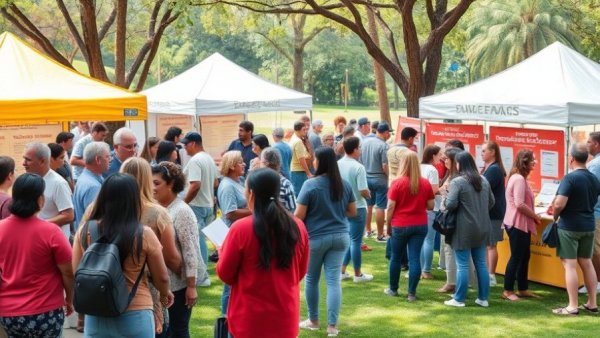
Today, Seattle boasts 68 emergency hubs, strategically located to ensure that each resident is no more than a ten-minute walk away from help. These hubs serve as crucial support points where neighbors can connect, share resources, and disseminate information during disasters. Ann Forrest and Cindi Barker, who manage this volunteer-run network, believe that expanding this initiative to at least 130 hubs will strengthen community resilience even further.
Community Empowerment Through Collaboration
The process of establishing these hubs was not without its challenges. For instance, Jim Durand's journey with the Phinney Emergency Hub began with initial struggles in engagement. By hosting community meetings and setting up visibility at local farmers' markets, he was able to build momentum and grow the hub's participation. This grassroots model emphasizes proactive engagement and the importance of community ties; something that is vital in times of uncertainty.
The Science of Human Resilience in Disasters
Not just about logistics, the creation of these hubs is grounded in psychological research. According to journalist Amanda Ripley, regular citizens often remain calm and altruistic following disasters. Similarly, author Rebecca Solnit points out that individuals frequently risk their safety for the sake of others in crisis situations. Therefore, the hubs are designed not only for resource sharing but also as platforms for civic engagement that empower everyday citizens during emergencies.
Preparing for the Future
The challenge remains for cities like Seattle to maintain and expand their emergency frameworks. As climate change escalates the frequency and severity of weather-related disasters, the demand for preparedness is more critical than ever. Fostering community ties through these emergency hubs is essential, but they must also prioritize the training of volunteers to ensure effective response when the stakes are high.
As homeowners, now is the time to engage with your community. Whether it’s volunteering at a local hub or simply familiarizing yourself with your neighbors, these actions can build a stronger, more resilient network that benefits everyone during unpredictable weather emergencies. Start the conversation with your friends and family about how you can be a part of enhancing community readiness for future challenges.





Write A Comment