








Have you ever wondered if pruning trees in the heat of summer helps or harms their health? Discover the science and artistry behind how to prune trees in summer —from essential techniques and seasonal timing to the best tools for every limb. Whether you want to boost a fruit tree’s yield or keep a shade tree healthy, this comprehensive guide will challenge what you thought you knew about summer pruning and equip you with actionable steps for robust, beautiful trees all season long.
Can You Really Prune Trees in Summer? Debunking Myths About How to Prune Trees in Summer
Many gardeners and homeowners believe that tree pruning is best left for the dormant season, such as late winter or early spring. However, pruning trees in summer can be safe, effective, and even essential—if you use proper techniques. Summer tree pruning is not just about keeping your trees trimmed for aesthetics; it plays a vital role in correcting branch structure, removing disease, and stimulating controlled growth. The myth that all summer pruning is harmful largely stems from confusion about timing, species, and excessive cutting. Done wisely, pruning trees during summer can reduce disease risk, prevent overgrowth, and support the long-term health and beauty of your landscape.
Confusion persists about the best time to prune for different species, such as oak trees (prone to oak wilt if pruned at the wrong time) versus fruit trees that benefit from post-fruit set pruning. By targeting specific issues like deadwood, crossing branches, and water sprouts, you protect your tree’s structure and minimize stress. Ultimately, a well-timed summer pruning session, especially when temperatures are mild, offers both aesthetic and horticultural rewards for your yard.
Understanding the Best Time to Prune Trees in Summer
Timing is critical for proper tree pruning in summer. Early summer is generally ideal for most species because spring growth has begun to slow and the majority of fruit formation is complete for fruit trees . For many deciduous trees, this window (usually mid-June to early July) allows for corrective pruning and deadwood removal without stimulating excessive new growth that might not harden before winter. Avoid heavy pruning trees when temperatures are at their peak—extremely hot or dry conditions can add unnecessary stress , leading to sunscald or dieback .
Certain species—such as oak trees —should never be cut in the summer due to vulnerability to diseases like oak wilt . Meanwhile, flowering trees that bloom early in spring may benefit from light shaping once flowers fade. Always research the growth habit and seasonal vulnerabilities of your specific trees before grabbing your pruners. If in doubt, consulting a certified arborist ensures the timing is right for your climate and species needs.
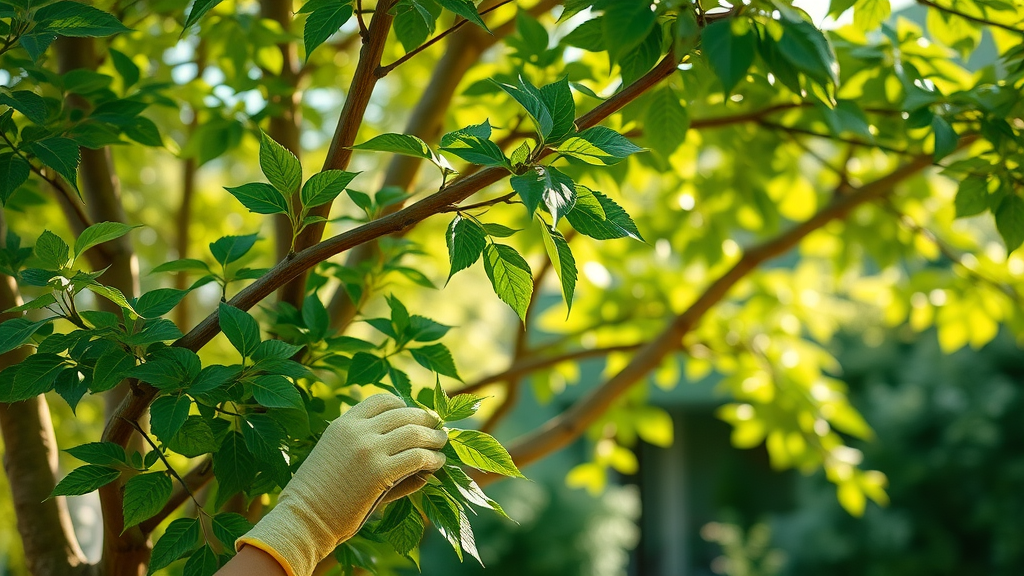
Main Reasons for Summer Pruning and Tree Pruning Techniques
Summer pruning serves multiple purposes beyond casual trimming—it’s a targeted approach to maintaining structure, health, and aesthetics. Removing dead, diseased, or damaged branches in summer reduces pest infestations and halts the spread of fatal disease. For fruit trees , summer pruning helps redirect energy toward fruit size and quality rather than excessive foliage. This strategic timing can also prevent limb breakage from late-summer storms when canopy density is greatest.
Specialized pruning techniques in summer might include thinning crowded canopies, removing water sprouts, or correcting the growth direction of young branches. For older or large trees, hiring a certified arborist ensures high limbs are managed correctly. Structural pruning for shape and balance not only improves appearance but also prevents future hazards. Always keep the main objective in mind: each pruning cut should ultimately contribute to the tree’s health and longevity.
Essential Principles: How to Prune Trees in Summer Safely and Effectively
Proper tree pruning in summer relies on a few well-established rules—these principles minimize plant stress and maximize the benefits of each pruning cut . The health of your tree comes first, so every decision should serve its long-term vigor, structural integrity, and disease resistance. Equip yourself with knowledge of both universal and species-specific techniques to tailor your approach for summer tree care. Focused cuts, minimal intrusion, and an eye for safety set your trees up for resilient growth through the heat and into the dormancy of winter.
Always use sharp, sanitized tools for all summer jobs. Clean cuts reduce entry points for pathogens and speed up healing. Never remove too much foliage at once—over-pruning is the leading cause of sunscald, weakened structure, and dieback during hot months. If you’re unsure about a particular branch or technique, a certified arborist or tree care professional can provide species-specific advice for your region and tree variety.
5 Golden Rules of Tree Pruning in Summer
- Always use clean, sharp tools for all summer pruning tasks.
- Never remove more than 25% of a tree’s canopy during summer pruning.
- Prune trees to maintain their natural shape and structural integrity.
- Target dead, diseased, or crossing branches for removal.
- Avoid pruning on excessively hot or drought-stressed days.
The 1-2-3 Rule of Pruning for Healthy Trees in Summer
One of the most critical summer pruning techniques involves the 1-2-3 rule . The first cut, an undercut, is made a short distance from the branch collar to prevent bark tearing. The second cut removes the bulk of the branch a few inches further out, reducing weight and pressure. The final cut eliminates the stub just outside the collar—this technique safeguards the tree’s vascular system and accelerates proper healing. Following the 1-2-3 rule with every pruning cut protects your tree’s branch structure and limits stress during active growth.
"Proper pruning techniques can be the difference between a lush, thriving tree and irreversible damage."
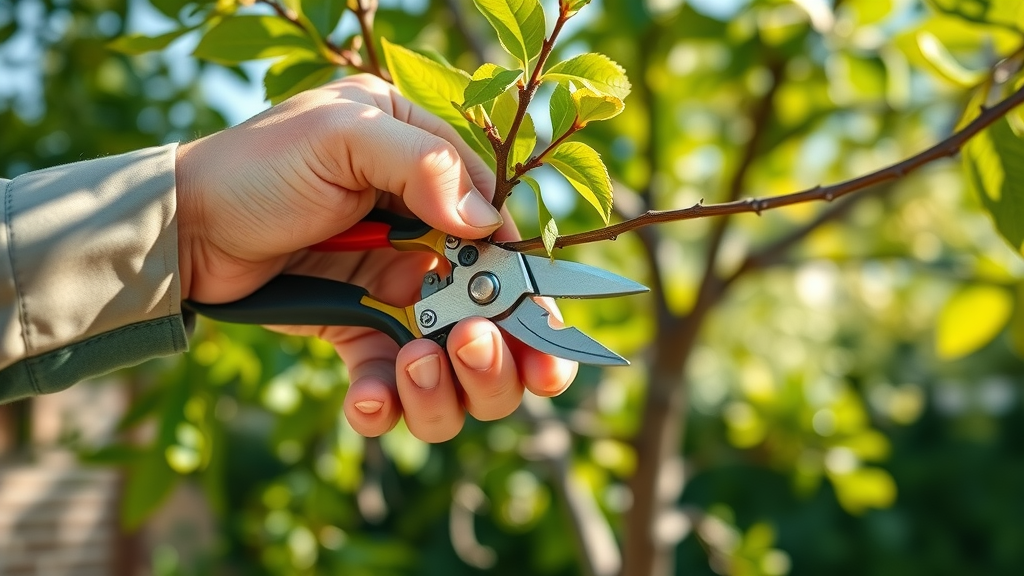
How to Prune Trees in Summer Step-by-Step: A Comprehensive Process
For gardeners and homeowners, a methodical approach is key to safe, effective summer tree pruning. The following step-by-step process will ensure you avoid common mistakes while enhancing your landscape’s health and appearance. Every action should be deliberate, from inspection to the final pruning cut , yielding long-term rewards with minimal risk. Whether you focus on a young ornamental or a mature fruit tree, consistent application of these practices empowers lasting results.
Remember, planning ahead, understanding the species’ natural growth patterns, and working with the right tools set the stage for success. Never feel rushed—thorough preparation and patience build confidence and cultivate a safer, more effective pruning experience.
Preparation: Inspecting Trees in Summer Before Pruning
A thorough summer inspection provides the foundation for every pruning tree session. Walk around each tree, examining branch structure, signs of disease (such as cankers or wilting), pest presence, and areas of crossing or crowded limbs. Note any deadwood, water sprouts, or broken branches sustained from spring growth or recent storms. For older trees, pay attention to the base and lower trunk for fungal growth or cracks. Early diagnosis allows for targeted intervention, minimizing overall stress from summer heat.
Identify the branches you need to remove and flag or mark them for easy recognition. Examining young trees, focus on shaping and training early—corrections made now direct structure for decades. In contrast, mature trees may only need selective thinning or removal of risky limbs. Avoid pruning oak trees during summer to prevent oak wilt . Taking time to observe before you cut leads to precise, beneficial pruning.
Structural Pruning: Shaping Pruning Trees and Tree Pruning for Longevity
Structural pruning corrects imbalances and fosters a strong, natural form. Focus on establishing a dominant leader (main trunk) and evenly spaced scaffold branches. Remove competing leaders, weak branch angles, and limbs that cross or rub. For young trees, structural pruning now prevents expensive remediation and risk in maturity. On older specimens, limit cuts to what’s necessary for stability and safety, preserving as much healthy tissue as possible.
Proper pruning cuts are as close as possible to the branch collar without wounding the trunk or leaving stubs. Always consider the tree’s mature size when thinning, and avoid over-pruning, which exposes large inner sections of bark to harsh summer sun, leading to sunscald or other damage. Effective structural pruning in summer emphasizes the tree’s natural silhouette and preserves airflow through the canopy.
Removing Suckers, Shoots, and Water Sprouts During Summer Pruning
Suckers (vigorous shoots from the tree’s base) and water sprouts (vertical shoots from the trunk or branches) are common during rapid summer growth. These fast-growing shoots divert valuable energy away from fruit or flower production and weaken the overall structure. Summer is a prime time to remove them—simply snip as close to the point of origin as possible to eliminate competition. Prompt removal ensures that these unproductive shoots don’t establish dominance or crowd the canopy, which can lead to shading, disease, and breakage.
Remember, water sprouts and suckers are best managed early and often. The longer they’re left, the harder they are to control, and the more energy they steal from the desirable parts of the tree. For fruit trees , this intervention directly improves fruit size and quality by promoting air circulation and allowing sunlight to reach the fruiting wood. Always disinfect pruners between cuts to reduce disease risk, especially when working with multiple trees or varieties.
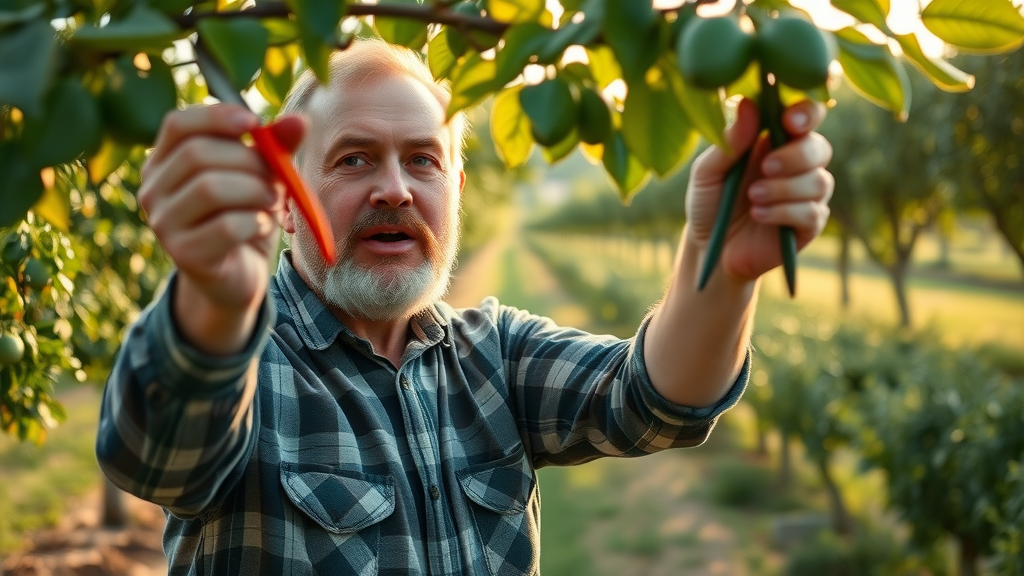
Dealing with Tree Topping: Why Avoid Topping When You Prune Trees
Tree topping—removing large, upright branches or the main leader to reduce tree height—might seem like a quick fix, but it’s one of the most damaging practices in tree pruning . Topping severely weakens a tree, making it susceptible to sunscald, pests, and fatal disease. The resulting growth is bushy, unstable, and poorly attached, increasing the risk of breakage in storms. For fruit trees , topping leads to unpredictable fruiting and can stress the tree into decline. Always avoid tree topping and instead use targeted thinning or reduction cuts for a more natural and sustainable canopy shape.
If your tree needs height reduction, gradual shaping over several seasons is far healthier. Consult a certified arborist before making major changes to large or old trees, as improper topping can result in lasting harm or even death. The best approach to how to prune trees in summer always centers on incremental, well-planned cuts instead of drastic measures.
Watch this step-by-step summer tree pruning tutorial demonstrating correct and incorrect pruning techniques, with clear instructions and close-ups for beginners and advanced gardeners alike.
Expert Tips: Pruning Fruit Trees and Other Popular Species in Summer
Optimal Methods for Pruning Fruit Trees in Summer
Fruit trees such as apple, peach, and pear require specialized care for ideal yield and health. The best time for summer pruning is right after fruit harvest or mid to late summer, depending on the species. Focus on thinning interior shoots, removing suckers and water sprouts, and eliminating any crowded branches that shade developing fruit. Always make clean, angled cuts just above buds facing outward to encourage open, productive growth. For young fruit trees, early shaping ensures a well-branched scaffold and maximizes future fruiting potential.
Avoid heavy pruning right before harvest, as energy should remain concentrated on ripening and fruit formation. Use sharp bypass pruners for thin branches and loppers for larger cuts. Disinfect tools before moving between different fruit trees to prevent the spread of disease. If unsure, a certified arborist can provide tailored advice based on your region and species.
Addressing Common Mistakes When Pruning Trees in Summer
Over-pruning, making large cuts late in the season, and neglecting to disinfect tools are among the most frequent mistakes when learning how to prune trees in summer . Removing too much foliage at once can leave trees vulnerable to it sunburn, stress, and pest invasion. Never prune trees in extreme heat or drought, as these conditions slow healing and increase the risk of dieback. Another recurring error is cutting flush against the trunk, which removes the protective branch collar and delays healing.
Err on the side of caution—if in doubt, remove less rather than more, and revisit the tree as needed during cooler periods. For trees with known vulnerabilities (such as oak trees ), only prune outside their susceptible period for fatal diseases. Finally, avoid making random pruning cuts without an overall plan; each cut should have a clear, beneficial purpose for the tree’s long-term well-being.
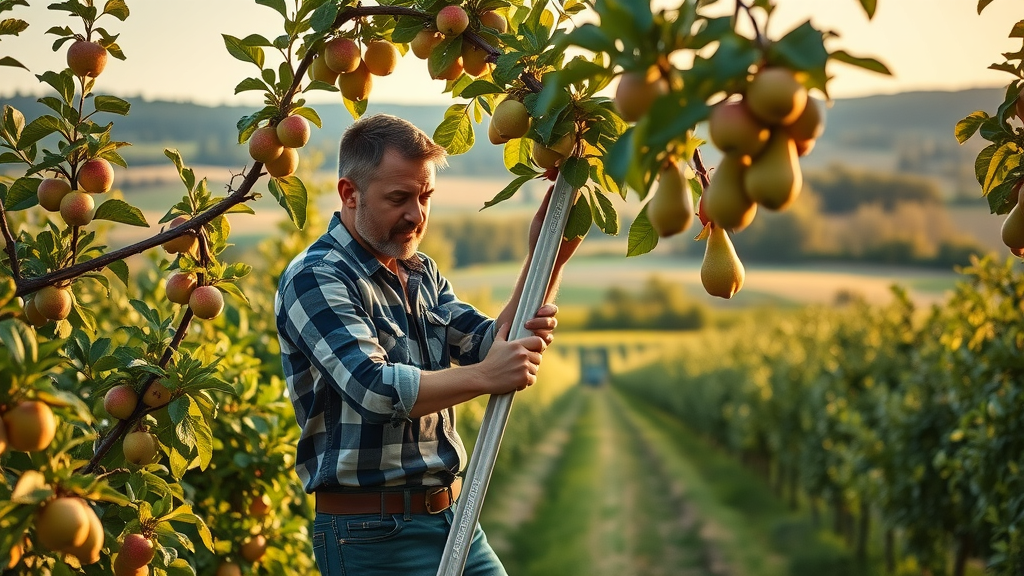
Safety and Tree Health Considerations for Summer Tree Pruning
Personal safety and tree health go hand-in-hand during summer tree pruning. Always use the right ladder for the job, wear gloves, eye protection, and work with a partner when pruning high branches. Check weather conditions and avoid pruning on windy or excessively hot days. For large limbs, the assistance of a certified arborist ensures safe removal and sound judgment. When using long-handled loppers or pole pruners, maintain steady footing and be aware of surroundings.
Tree health depends on hygiene and proper wound care following each pruning cut . Always disinfect tools between trees and after dealing with diseased wood. Apply a thin layer of mulch at the tree's base after pruning to conserve moisture and regulate root temperature, but keep mulch away from the trunk to prevent rot. Monitor pruned trees weekly for signs of stress or disease as they heal through the rest of the summer.
See hands-on pruning of fruit, ornamental, and shade trees during summer, with clear before-and-after visuals and expert commentary on choosing and executing each pruning cut safely.
Essential Tools for How to Prune Trees in Summer
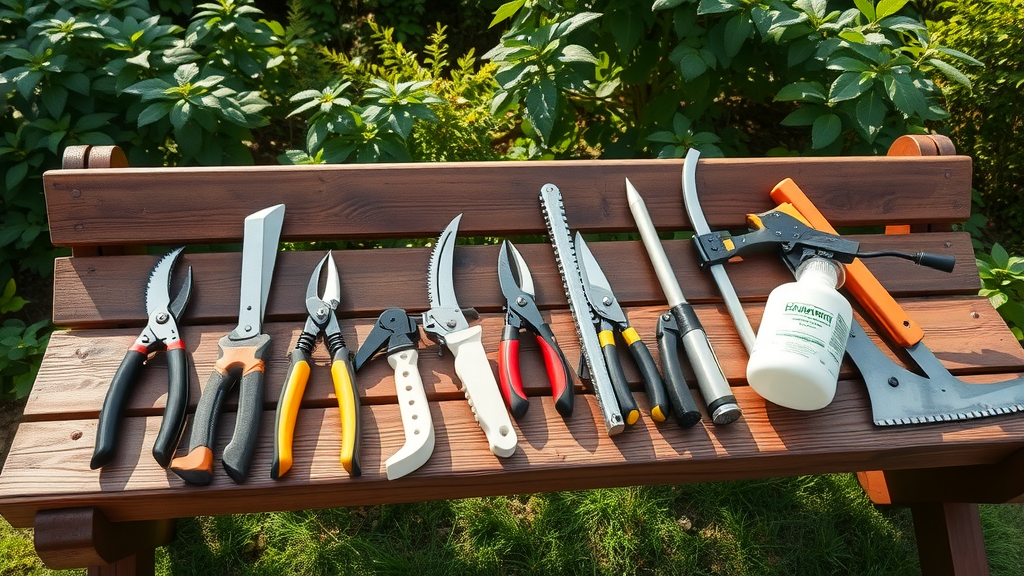
| Tool | Best For |
|---|---|
| Bypass Pruners | Young, thin branches |
| Loppers | Thicker limbs up to 2 inches |
| Pole Pruners | High branches |
| Pruning Saws | Large, mature limbs |
| Disinfectant | Sanitizing tools between cuts |
Summer Pruning for Different Types of Trees
How to Prune Deciduous Trees in Summer
Deciduous trees —such as maples, elms, and birches—respond well to light summer pruning. Focus on removing dead, dying, or diseased branches first, then thin the interior to improve air flow and reduce the risk of fungal infection. Carefully shape the canopy to maintain the species' natural silhouette. Avoid large cuts late in the season, as energy is best spent on preparing for dormancy rather than stimulating new growth. Always remove crossing branches that could rub and cause wounds as the tree grows. Sap flow is usually lower than in spring, minimizing the risk of bleeding for species prone to it.
Younger deciduous trees benefit especially from strategic summer training, which directs branch structure and simplifies maintenance in later years. For established trees over 10 years old, keep cuts minimal and avoid removing healthy green growth except when necessary for safety—or to control size in confined spaces. Monitor for pests and disease after pruning, especially following rainy or humid weather.
Best Time to Prune Evergreen and Ornamental Trees in Summer
Evergreen trees (like pines, spruces, and firs) and ornamental species (such as crape myrtle or magnolia) require more restraint when pruning in summer. The best timing is during early summer, soon after new growth begins to harden but before temperatures climb too high. Focus pruning on the removal of dead needles, broken limbs, and minimal shaping. Avoid deep thinning or major structural changes; evergreens rely on their foliage year-round for photosynthesis, and excessive summer cuts can stress the tree. For flowering trees , prune immediately after bloom if you wish to control size or shape while preserving next season’s flower buds.
Ornamental species are often prized for their unique shapes and flowers, so subtlety is key. Use sharp, sanitized pruners for clean cuts to show off their best features. As with all tree types, never remove more than one-quarter of the canopy during one session. For unusual forms or mature specimens, consult a certified arborist to preserve their natural beauty and vigor.
Seasonal Guidance: Is August Too Late for How to Prune Trees in Summer?
Pruning in August requires special caution. While many species tolerate light summer trimming into early August, late-season summer pruning can trigger vulnerable new growth that doesn’t harden before frost. This young growth is susceptible to cold injury, especially in colder regions. If you must prune in August, focus on removing deadwood or minor shaping, not major structural changes. Always err on the side of caution and stop summer pruning by mid-August for most species, unless local conditions or tree type suggest otherwise.
For fruit trees , most heavy pruning should be completed immediately after harvest or earlier in the summer. If unsure about your timing, seek guidance from a certified arborist familiar with your area’s climate and common tree species to minimize risk and maximize tree health.
"Late-summer pruning can encourage new growth that may not harden before winter, so always consider your local climate."
Adapting Summer Tree Pruning Techniques for Late Season
As the season progresses toward autumn, adjust your approach to summer pruning . Prioritize urgent cuts only, such as storm-damaged limbs, deadwood, or severe pest infestations. Postpone major shaping and canopy thinning until the dormant season. Remember, every pruning cut in late summer should be conservative. It’s better to address structural issues in early summer or the next dormant season, ensuring the tree doesn’t waste resources on vulnerable late growth.
If unexpected storms cause limb breakage in late summer, act promptly to clean up wounds and minimize entry points for diseases and pests. Keep an eye on weather forecasts—avoid pruning before anticipated extreme heat or sudden cold fronts. Adapting to seasonal changes is a hallmark of expert tree care, giving your landscape year-round resilience.
Learn advanced summer tree pruning tips and specialized methods for managing mature and specimen trees, featuring insights from certified arborists and real-world demonstrations.
Common Questions About How to Prune Trees in Summer
Is it OK to prune trees in the summer?
Yes, pruning trees in summer is safe and can be beneficial when done correctly. Summer pruning limits excessive growth and helps manage tree size. However, avoid pruning on very hot days and never over-prune during the active growing season.
What are the 5 rules of pruning trees?
The five rules include: use proper tools, prune at the correct time, avoid excessive removal, cut at the right spot, and always monitor tree health before and after pruning.
What is the 123 rule of pruning?
The 1-2-3 rule: Make the first cut (undercut) a short distance from the branch collar, the second cut to remove the limb a bit further out, and the third cut to remove the stub without damaging the collar, promoting healthy healing.
Is August too late to prune?
August is often the last recommended month for summer pruning, as pruning too late can stimulate growth that won't harden before frost. For most trees, aim to finish pruning by mid-August, but always consider local conditions and species.
What You'll Gain by Learning How to Prune Trees in Summer
- Promote long-term tree health
- Improve structure and aesthetics
- Reduce disease and pest risk
- Enhance fruit production (for fruit trees)
- Safety for people and property
Frequently Asked Questions on How to Prune Trees in Summer
- Can all trees be pruned in summer?
- How do you avoid stressing trees during summer pruning?
- Are there risks of disease when pruning trees in summer?
- How much can you prune at one time?
Share Your Experience With Summer Tree Pruning
Have you applied these summer tree pruning methods or have questions on specific trees? Share your insights on tree care -- call 203-271-7991 to discuss!
Making Your Summer Pruning a Success
- Follow seasonal guidelines for optimal health
- Use correct techniques and tools for each tree type
- Remember less is more: over-pruning can be harmful
- Consult an arborist if in doubt
Start your next pruning project with confidence—safe summer tree pruning leads to healthier, more beautiful trees for years to come.
Pruning trees during the summer months can be beneficial when done correctly, enhancing tree health, structure, and fruit production. However, it’s crucial to follow proper techniques to avoid causing harm.
Key Considerations for Summer Tree Pruning:
-
Selective Pruning: Focus on removing dead, diseased, or damaged branches, as well as water sprouts and suckers. This approach improves the tree’s health and appearance while reducing potential hazards. ( utahtreeco.com )
-
Proper Timing: Prune during cooler parts of the day, such as early morning or late evening, to minimize stress on the tree. Avoid pruning during extreme heat to prevent additional strain. ( meyertreecare.com )
-
Use of Appropriate Tools: Employ clean, sharp tools to make precise cuts just outside the branch collar. This technique promotes faster healing and reduces the risk of disease. ( utahtreeco.com )
-
Avoid Over-Pruning: Limit pruning to no more than 10-15% of the tree’s foliage during summer. Over-pruning can expose inner limbs to harsh sunlight, leading to sunscald and weakening the tree. ( meyertreecare.com )
-
Species-Specific Practices: Some trees, like oaks and elms, are susceptible to diseases if pruned during summer. It’s advisable to prune these species during their dormant seasons to prevent issues like oak wilt and Dutch elm disease. ( blog.davey.com )
By adhering to these guidelines, you can effectively prune your trees in summer without causing damage, ensuring their health and vitality throughout the season.





Write A Comment