





Tree Guardian News
Tree Guardian News
  • Home
  • Categories
    • Storm Damage & Prevention
    • Tree Care Tips & Landscaping
    • Tree Disease Identification & Treatment
    • Insurance Intel
    • DIY Tree Care & Safety
    • Sustainable Tree Care & Eco Solutions
    • Professional Tree Services
    • Arborist Stories
    • Latest News
    • Industry Insights
Join the Arborist Forum 
November 20.2025
1 Minute Read

Mulching for Winter Tree Health: Boost Survival This Season

Did you know? Studies show that trees with proper winter mulch are up to 60% more likely to survive harsh conditions compared to those left exposed. As temperatures plunge, a simple layer of mulch may be the difference between thriving landscapes and costly winter loss. If you’re determined to keep your trees and shrubs healthy—and boost their odds of robust spring recovery—this comprehensive guide on mulching for winter tree health is a must-read for every homeowner, gardener, or landscaping enthusiast.

Surprising Facts: Why Mulching for Winter Tree Health Matters

“Research shows that trees with proper winter mulch are up to 60% more likely to survive harsh conditions than those left unprotected.”

Many people underestimate just how harsh winter can be on trees and shrubs. Beyond the obvious impact of snow and ice, the real threats are swinging soil temperatures, freeze-thaw cycles, and dry winter winds. Root systems, especially those of young or shallow-rooted trees, can suffer severe damage when unprotected. A strategic mulch layer acts like a winter coat, insulating the soil and creating a buffer from temperature extremes. This practice, often overlooked in everyday tree care, could mean the difference between a lush, green spring and a garden full of struggling or dead trees. By understanding the facts and learning the right mulching steps, you’ll give your landscape a proven survival advantage.

What You'll Learn About Mulching for Winter Tree Health

  • How winter mulching protects trees and shrubs

  • Identifying the best types of mulch for winter tree health

  • Step-by-step guide to applying mulch effectively

  • Understanding potential drawbacks

  • Expert tips on optimizing tree care in winter

Understanding Mulching for Winter Tree Health: The Essentials

What Is Winter Mulching & Why Is It Key for Trees and Shrubs?

Winter mulching is the practice of applying a protective layer—such as organic mulch—around the base of trees and shrubs before the coldest weather sets in. This tree care technique acts as an insulating blanket throughout the winter months. While it’s common to think of mulching as a spring or summer task, applying mulch late in the fall is critical for combating freezing and thawing cycles that can heave roots and damage plant health. During harsh winters, the soil around tree roots continuously expands and contracts; this movement can expose fragile roots to cold air or disrupt their anchoring. The right mulch layer not only curbs these temperature swings but also shields essential moisture in the soil, thus supporting root and overall tree health when everything else above ground appears dormant.

Winter mulching is especially effective for young trees, shallow-rooted species, and any newly-planted trees or shrubs. These plants haven’t yet developed tough root systems or bark to stand up to repeated freezing and drying that winter brings. By carefully selecting and applying the right mulch layer, you’re giving these vulnerable specimens the best chance to thrive not just through winter, but well into spring and summer. In fact, adding mulch is one of the simplest and most cost-effective tree care tips you can follow for lasting landscape vitality.
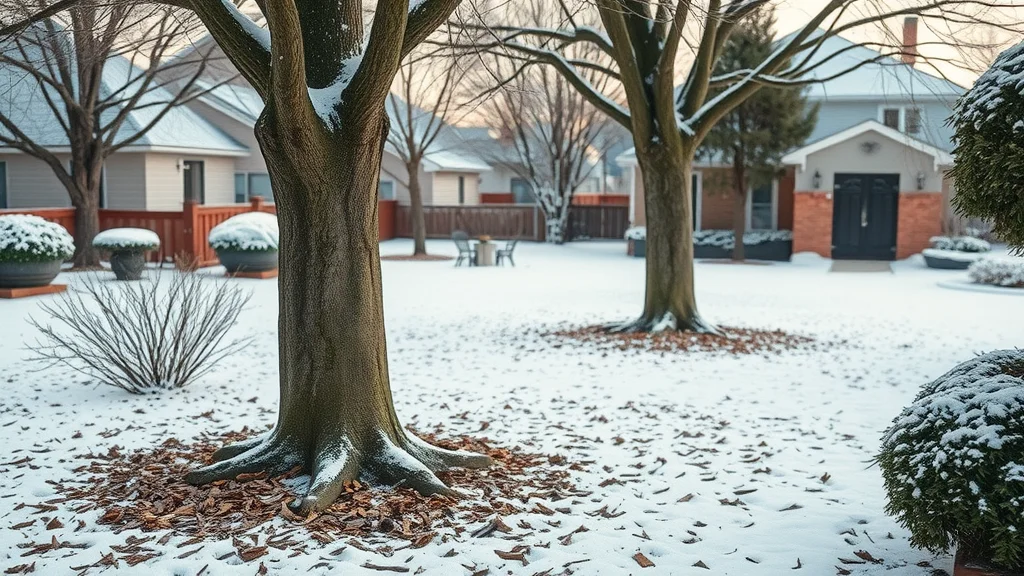
Winter mulch for tree health in a suburban landscape. Mature trees and shrubs with natural mulch around their bases, snow, and a peaceful winter setting.

Key Benefits of Mulching for Winter Tree Health

The advantages of mulching for winter tree health extend beyond mere insulation. First, a layer of organic mulch minimizes the impact of freezing temperatures by keeping soil temperatures more consistent, reducing stress on tree roots. Second, mulch preserves soil moisture by slowing evaporation—even in dry winter winds—helping roots stay hydrated during dormancy.

Additionally, mulch protects against soil compaction caused by heavy snowfall or foot traffic, which can damage root systems and restrict water penetration. It also acts as a barrier, lowering the risk of weed growth, which competes with your trees and shrubs for critical nutrients. Finally, when you use organic mulch types, the material slowly breaks down, enriching the soil with nutrients and building a long-term foundation for healthier plant growth. By incorporating winter mulching into your seasonal garden routine, you dramatically increase the odds of robust tree care and a landscape that bounces back strong each spring.

How Winter Mulch Regulates Soil Temperature and Moisture

Properly applied winter mulch stabilizes soil temperatures beneath the root zone, which is critical for protecting sensitive root tissues from sudden cold snaps. Without insulation, soil can rapidly fluctuate between freezing and thawing—disrupting delicate root hairs and sometimes even pushing roots upward, exposing them to the elements. The insulating quality of appropriate tree mulch reduces these swings, maintaining a steady environment for underground growth.

Moreover, winter winds and chilling air can lead to dehydration in trees and shrubs, as cold air doesn’t hold moisture well. A robust mulch layer prevents soil moisture loss, acting much like a lid on a pot, trapping water where roots need it most. This is especially helpful for evergreens and young plants that continue to lose moisture through foliage during winter. In summary, mulching for winter tree health is not just about keeping roots warm—it’s also about maintaining the balance of moisture vital for plants when their need is greatest.

While mulching is a powerful defense against winter stress, it's also important to consider how severe weather events can impact overall tree safety and health. For a closer look at the risks storms pose to homeowners and practical safety measures, explore the tragic toll of severe storms in St. Louis and why proactive tree care is essential for safety.

Choosing Winter Mulch: Types & Their Effectiveness
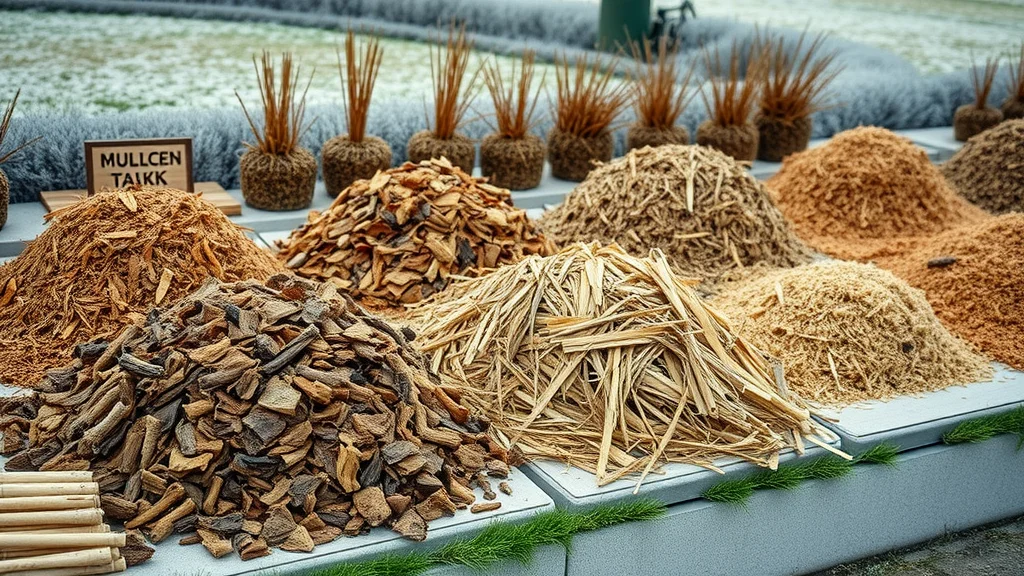
Types of mulch for winter tree health, including shredded bark, wood chips, pine needles, compost, and straw, neatly displayed outdoors with frosty background.

Organic Mulch vs. Inorganic Mulch for Winter Mulching

There are two main categories for winter mulch: organic and inorganic. Organic mulch—such as shredded bark, wood chips, pine needles, straw, and compost—breaks down over time, enriching the soil and feeding the biology that supports tree care. These natural mulches are favored for their excellent insulation and moisture retention properties, making them an ideal choice for protecting trees and shrubs during harsh winter months.

In contrast, inorganic mulches—like gravel, stone, or landscape fabrics—don’t break down and can offer long-term weed suppression. However, they provide little insulation and may absorb or reflect excess heat during unpredictable winter weather, sometimes contributing to soil temperature fluctuations. For winter mulching, organic options almost always win out due to their superior protective qualities and additional soil-building benefits for your landscape.

Best Mulch Options for Trees and Shrubs in Winter

Not all mulches are created equal when it comes to mulching your trees for winter. The ideal materials are those that insulate well, drain easily, and pose minimal risk for pests or diseases. The top choices among arborists and tree care experts include:

  • Shredded bark: Slow to break down, forms a dense, insulating mat.

  • Wood chips: Readily available and easy to spread, offer moderate insulation.

  • Pine needles: Unique for their ability to aerate soils and benefit acid-loving trees and shrubs.

  • Compost: Adds valuable nutrients, ideal for younger trees needing extra nutrition.

  • Straw: Good for insulation but can blow away if not secured or used in exposed gardens.

Choosing the right type of mulch depends on your landscaping goals, local climate, and the types of trees and shrubs you are protecting. Each option has trade-offs, but all provide effective insulation and moisture control if applied properly as part of a winter tree care routine.

Mulching Your Trees: Step-by-Step Guide to Applying Mulch for Winter Tree Health

When and How to Apply Mulch for Winter Tree Health
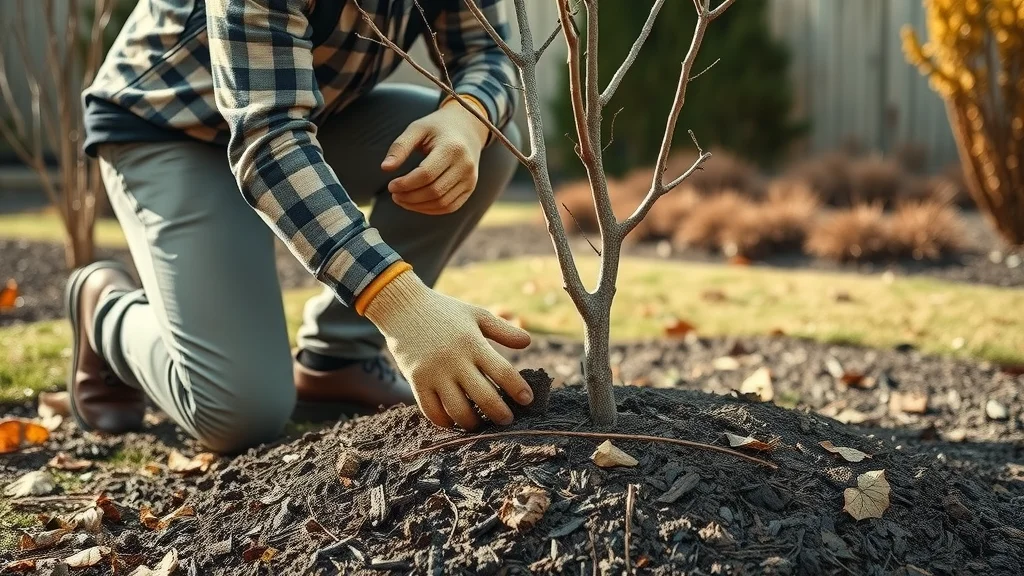
Mulching your trees for winter: Gardener spreading organic mulch around a young tree in late fall, preparing for cold months.

Timing is crucial when applying mulch for the winter months. The ideal period is late fall, just after your first hard frost but before the soil fully freezes. This ensures that mice or pests aren’t attracted to the base of a tree while it’s still warm, and allows the soil to retain autumn moisture levels. Begin your mulching process by clearing away weeds, grass, and fallen leaves from the base of your tree—this reduces risks for pests and disease.

Once the area is clear, measure out a mulch layer about 2–4 inches deep, ensuring you leave a 2–3 inch gap between the mulch and the tree trunk. This “donut” shape provides coverage where the roots reach out (often up to the drip line) while letting air circulate around the bark, reducing the risk of rot or fungal issues. After spreading the mulch evenly, check your work after the first freeze and adjust if settling or washout has occurred. Follow these practical tree care tips for winter mulching success.

  1. Clear area around the base of trees and shrubs

  2. Measure recommended mulch depth

  3. Spread mulch evenly around the root zone

  4. Maintain distance from trunk

  5. Check application after the first frost

The 3-3-3 Rule for Mulching Your Trees Explained
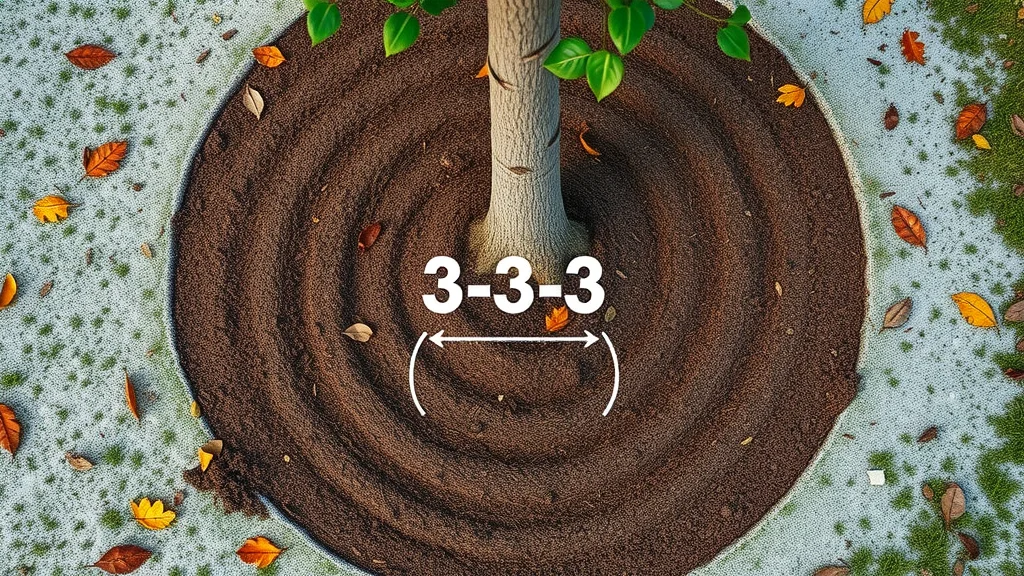
3-3-3 rule mulching technique for winter: Overhead view of tree base with evenly applied mulch ring, proper depth and gap from trunk.

The 3-3-3 rule makes winter mulching foolproof: apply mulch in a circle that’s 3 feet wide around the tree, keep it 3 inches deep, and maintain a 3-inch gap from the trunk. This method avoids common errors such as “volcano mulching” (piling mulch against the trunk), which can suffocate roots, encourage pests, and foster disease.

Keeping mulch 3 inches away from the trunk prevents moisture buildup and fungal infections. The 3-foot radius ensures you’re protecting the vital root zone (often as far as the tree branches extend, the drip line). And a depth of 3 inches is just right for insulation—any thicker could prevent air flow or hold too much water, while anything thinner may not sufficiently shield against freezing temperature. Sticking to the 3-3-3 rule is a straightforward way to provide reliable insulation and moisture control, giving your trees and shrubs the best defense through winter.

Avoiding Common Mistakes When Mulching for Winter Tree Health

Over-Mulching and Mulch Volcanoes: Tree Care Pitfalls
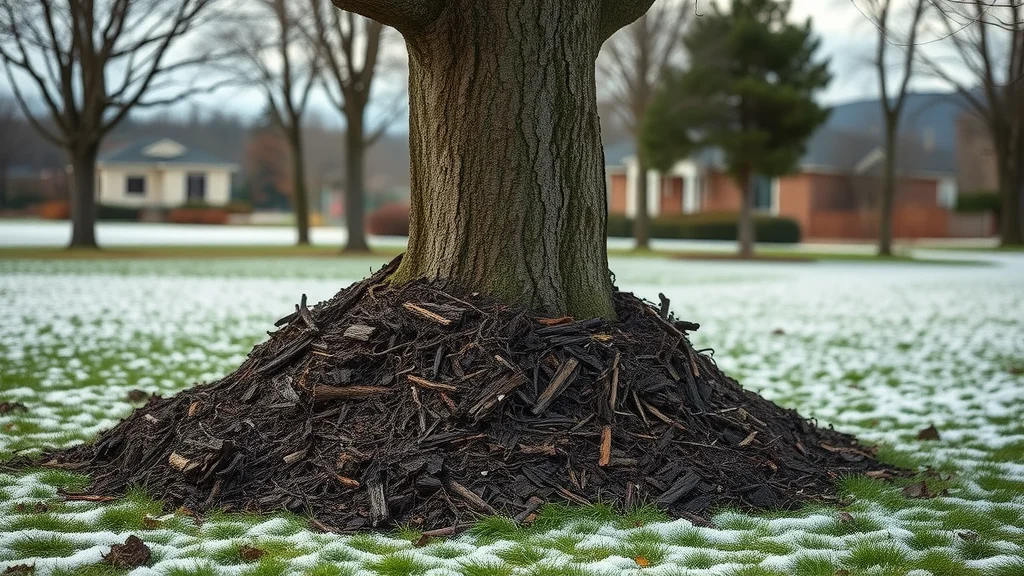
Mulch volcano caution: Tree trunk buried in excessive mulch pile, showing risks like rot and fungal growth in winter.

One of the most common mistakes in mulching for winter tree health is applying too much mulch or piling it directly against the tree trunk, known as “volcano mulching.” This practice traps moisture around the base, encouraging rot, fungal growth, and even insect infestations. Over-mulched trees often show signs of stress, such as dark and decaying bark, shallow root growth, or visible fungal bodies along the trunk.

Too-thick mulch layers—anything more than 4 inches deep—can also limit oxygen supply to roots, causing roots to grow toward the surface in search of air or water. This makes tree care more challenging in future years and increases risk of root disease or winter injury. Always avoid mulch “volcanoes” and instead maintain an even, moderate mulch layer with a clear space around the base of your trees and shrubs. It’s better to err on the side of too little than too much, provided you still prevent soil exposure to freezing air.

Top 5 Disadvantages of Mulching for Winter

  • Potential for pest harborage

  • Risk of excess moisture retention

  • Possible nitrogen depletion

  • Fungal growth

  • Root rot from poor drainage

It’s important to recognize that mulching your trees—if not done thoughtfully—can bring problems. Mulch can attract rodents and insects, especially if piled high against the tree trunk. Excess moisture retention, from too-thick or poorly-drained mulch, can lead to root rot or fungal growth in damp climates. Some organic materials, especially fresh wood chips, may briefly deplete nitrogen, robbing your trees and shrubs of key nutrients (though this resolves once decomposition progresses). Protecting against these drawbacks is simply a matter of proper selection, depth, and application method, making regular checks part of your tree care tips for winter.

Winter Mulching and Tree Care: Tips for Lasting Benefits

Expert Recommendations for Winter Mulching Success

To maximize the benefits of mulching for winter tree health, certified arborists recommend consistently following best practices: always clear the base of a tree before mulching, use aged or composted mulch to limit nutrient “lock-up,” and check mulch conditions after each thaw or heavy snow. Spread mulch in an even, donut-shaped ring and refresh as needed throughout the winter, particularly if areas become compacted or wash out. If you encounter persistent fungal growth or pest problems, consider swapping to a mulch type less prone to these issues (e.g., pine needles or shredded bark for improved drainage and aeration). Above all, monitor your mulch often—good tree care is proactive, so you can quickly address any concerns as they arise to ensure your trees and shrubs start spring strong.

Never underestimate the value of observing your landscape. Visual inspections throughout winter can spot potential problems early, such as buried trunk flares, settling that exposes soil, or areas with excessive standing water. Adjusting mulch at the right time is the hallmark of truly expert tree care, and sets the stage for thriving, resilient landscapes year after year.

Table: Comparing Mulch Types for Winter Tree Health

Mulch Type

Organic/Inorganic

Insulation Value

Drainage

Common Uses

Drawbacks

Shredded Bark

Organic

High

Good

Trees, shrubs

Can mat down

Wood Chips

Organic

Moderate

Good

Trees, beds

May attract insects

Pine Needles

Organic

Good

Excellent

Acid-loving plants

Can be costly

Compost

Organic

Moderate

Moderate

Young trees

Nutrient leaching

Straw

Organic

Fair

Excellent

Flower beds

Can blow away

Watch this short, step-by-step video walkthrough demonstrating essential winter mulch application techniques: see the recommended tools, how to prep the area, spacing tips, and the final touches for professional-quality, resilient tree mulch—all in a real-life backyard winter scene.

People Also Ask About Mulching for Winter Tree Health

Does mulch help trees in winter?

Yes, mulch helps trees in winter by providing a protective layer that shields roots from freezing temperatures and sudden weather swings. It conserves soil moisture, prevents roots from heaving, and can even protect the tree trunk from damage caused by ice and shifting soil. Regular winter mulching is a staple for effective tree care.

What is the 3-3-3 rule for mulch?

The 3-3-3 rule refers to applying a 3-foot-wide ring of mulch, 3 inches deep, and leaving a 3-inch gap from the trunk. This method avoids common mistakes like volcano mulching and ensures your trees and shrubs are properly protected against winter extremes while keeping roots healthy and disease-free.

What are 5 disadvantages of mulching?

The five main disadvantages of mulching are: it can harbor pests, retain too much moisture (leading to rot), deplete soil nitrogen temporarily, encourage fungal growth if piled too thick, and cause root rot in poorly drained spots. Avoid these risks by following best practices for winter mulching.

Should you mulch for the winter?

Absolutely—you should mulch for the winter if you want to protect tree roots from harsh weather, conserve soil moisture, and promote overall plant health. Proper mulching reduces plant stress and can make the difference between tree survival and loss during cold, unpredictable winters.

FAQs About Mulching for Winter Tree Health

How often should you check winter mulch?

Inspect your winter mulch after significant weather events—such as heavy snow, wind, thaws, and freezes—and at least once a month. Check for settling, compaction, or if mulch has drifted too close to the tree trunk. Adjust and refresh the mulch as necessary to maintain optimal protection.

Can you use leaves as winter mulch for tree care?

Yes, leaves can be used as winter mulch, but they work best when shredded to prevent matting, which can suffocate roots or hinder water penetration. Leaf mulch is organic and supplies nutrients as it breaks down; just ensure it’s not piled up against the tree trunk.

Is winter mulching necessary for all trees and shrubs?

While established trees may tolerate some winter stress, winter mulching is highly recommended for new plantings, young trees, shallow-rooted species, and evergreens that suffer from moisture loss. It’s a low-cost, high-impact tree care practice for nearly every landscape.

Key Takeaways for Effective Mulching for Winter Tree Health
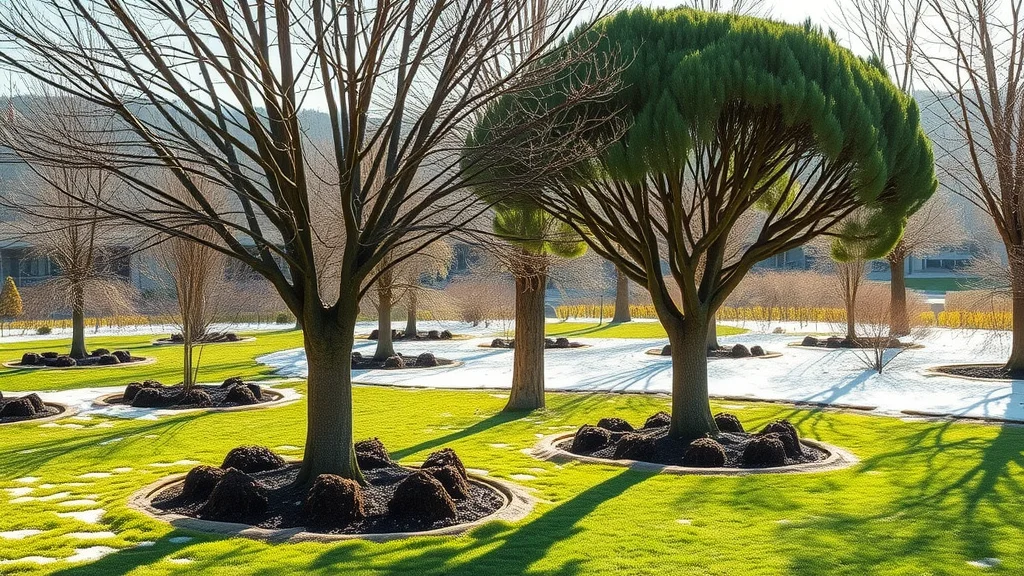
Effective winter tree mulching leads to healthy, thriving trees at end of winter. Mulched bases, lush canopies, melting snow, and new green grass.
  • Effective winter mulching increases tree survival rates

  • Follow the 3-3-3 rule for mulch application

  • Choose mulch based on insulation, drainage, and risk factors

  • Regular monitoring prevents common pitfalls

As you continue to refine your approach to winter tree care, remember that understanding the broader context of landscape safety can make your efforts even more effective. Severe storms and unpredictable weather patterns are becoming more common, making it crucial to stay informed about both preventative measures and emergency preparedness. For a deeper dive into how extreme weather events can impact your property and the importance of proactive planning, take a moment to read about the impact of severe storms on homeowner safety and the steps you can take to protect your landscape. Expanding your knowledge in this area will help you safeguard not only your trees, but your entire outdoor environment for years to come.

Grow Your Landscaping Expertise—Call 203-271-7991 or Visit TreeGuardianNews.com to Subscribe

Enhance your landscaping skills, keep your trees and shrubs healthy all year, and stay up to date with expert care tips for every season. Grow your landscaping expertise—call 203-271-7991 or visit TreeGuardianNews.com to subscribe.

Latest News

72 Views

Write A Comment

*
*
Please complete the captcha to submit your comment.
Related Posts All Posts
07.10.2026

How Often Should Trees Be Pruned? A Complete Guide for Tree Care

Learn how often trees should be pruned, the benefits of regular pruning, and essential tips for tree care.

07.10.2026

Why Homeowners Should Be Aware of Trees and Lawn Mowers

Update The Dangers of Lawn Mowers Near Trees Maintaining a beautiful lawn can be quite the task for homeowners, especially during the weekends when lawn care activities come into play. However, have you ever considered how damaging lawn mowers can be to the trees that grace your yard? Trees not only provide shade and beauty but also improve air quality. Hence, protecting them is essential. Understanding Tree Health and Lawn Care Tree health is often compromised when lawn mowers come too close. Any accidental brush against a tree trunk can lead to bark damage. This exposes the tree to pests and diseases. Over time, these injuries can hinder growth, making it difficult for trees to thrive. It's essential to recognize that a lawn mower is not just a tool for cutting grass; it can significantly affect your landscape's ecosystem. Setting Up Safe Boundaries The best way to safeguard your trees from lawn mower damage is to establish designated areas for each. When mowing, create a safe distance around trees that your mower will not trespass. A general rule of thumb is to maintain a radius of about 3 feet around the base of each tree. This defensive zone not only protects the tree’s trunk from being scuffed but also allows you to use mulch or grass clippings that can further nourish the tree. Creating a Tree-Friendly Lawn Environmental experts recommend incorporating a variety of plants around trees to create a safe landscape. Native plants, which are adapted to the local environment, thrive well and require less maintenance. They can form a protective green barrier that cushions trees against accidental mower contact. Moreover, growing ground covers can significantly limit the need for mower operation near trees while enhancing soil quality. The Importance of Mulching Mulching can be incredibly beneficial for tree health. By applying organic mulch around the base of trees, you can improve moisture retention and prevent weed growth that would otherwise require mowing. Choose materials such as wood chips or shredded bark as mulch to keep your trees healthy. Plus, mulching helps regulate soil temperature and provides nutrients as it breaks down over time. Tools and Techniques for Safe Mowing Investing in lawn mowing techniques and tools designed to protect trees is an excellent idea. For instance, using a trimmer with a protective guard can help you reach areas near tree bases without risk of damage. Staying aware and cautious while mowing your lawn is key. Practicing slow and steady movements near tree lines helps avoid unexpected mishaps. Understanding the Risks of Equipment Damage Besides physical damage to trees, lawn mowers can also be affected by the landscape. Running over roots or rocks hidden beneath grass can cause mower blades to dull or even break. This means more maintenance for you and potential costly repairs. Take time to survey your yard before mowing; this consideration will prolong the life of both your trees and your lawn care equipment. Conclusion: Creating a Sustainable Landscape Protecting your trees from lawn mowers is vital not only for their health but for the overall ecosystem of your yard. By practicing careful mowing techniques, establishing boundaries, and promoting plant diversity, you are on your way to creating a sustainable, beautiful landscape that can be enjoyed for years to come.

07.03.2026

Oak Wilt Prevention: Essential Strategies for Protecting Oaks at Eagle Mountain Lake

Update The Importance of Oak Wilt Prevention in Eagle Mountain Lake At Eagle Mountain Lake, Texas, a dedicated team of arborists is safeguarding approximately ninety mature Southern Live Oaks and Red Oaks as part of a vital Oak Wilt prevention program. This initiative highlights the crucial role of preventative plant healthcare in North Texas, particularly in an area surrounded by one of the largest oak wilt footprints in the state. By establishing a routine treatment schedule, these trees stand a greater chance of surviving this pervasive disease. Understanding Oak Wilt: A Threat to Healthy Oaks Oak Wilt, caused by the fungal pathogen Bretziella fagacearum, poses a significant threat to oak populations, with its effects not immediately visible. The disease infiltrates the tree's vascular system, specifically the xylem, which is crucial for transporting water and nutrients. As the fungus spreads, the tree attempts to defend itself, leading to a decline in water movement that causes characteristic symptoms such as wilting leaves and canopy decline. Why Southern Live Oaks Are Particularly Vulnerable One of the primary reasons Southern Live Oaks are at high risk of Oak Wilt is their unique root structure. These trees often form interconnected root systems, allowing for the transfer of water and nutrients. However, this characteristic also facilitates the rapid spread of the fungus from one infected tree to others, making early intervention essential. Preventative Measures That Make a Difference Preventative care is critical in stopping the spread of Oak Wilt. Treatments such as Low-Volume Macro Infusion with Alamo fungicide help protect these trees before symptoms appear. This proactive approach is crucial as it allows for maintaining the health of the surrounding ecosystem. The standard recommendation is a two-year treatment cycle, ensuring that healthy trees remain unaffected by the disease. The Role of Insects in Oak Wilt Spread In addition to root graft transmission, the Oak Wilt fungus can also be introduced to healthy trees through insect activity. Nitidulid sap beetles, attracted to fresh wounds on oak trees, play a key role in this process. Proper tree management—including timely pruning and sealing fresh cuts—can prevent the introduction of this dangerous fungus. Learn to Recognize the Signs Recognizing the signs of oak wilt can be challenging, especially for homeowners. Early symptoms usually include yellowing leaves and canopy decline, but they can often be mistaken for other tree health issues. Understanding these signs and knowing when to contact an arborist can make the difference between saving a tree and losing it to this destructive disease. By maintaining vigilance and committing to a consistent, science-based plant healthcare program, property owners can play a significant role in combating the spread of Oak Wilt. Regular inspections, along with a proactive treatment approach, are pivotal in preserving the majestic oak trees that contribute so greatly to our environment.

Green Space News

Homeowners & Businesses concerned about tree and landscape care, safety issues from storms, old or diseased trees, structural damage risks, and insurance implications.

Green Space News is a subsidiary of RP Design Web Services.

COMPANY

  • Privacy Policy
  • Terms of Use
  • Advertise
  • Contact Us
  • Menu 5
  • Menu 6

AVAILABLE FROM 8AM - 5PM

Cheshire,CT

POBox 1189

ABOUT US

Green Space News is your go-to media hub for cutting-edge strategies to maintain a safe and vibrant environment. We are committed to protecting your property and family by providing proactive tree hazard prevention and awareness. Our platform  empower communities to safeguard their surroundings and enjoy healthier, more resilient landscapes.

© 2026 RP Design Web Services All Rights Reserved. P.O. Box 1189, Cheshire, CT 06410 . Contact Us . Terms of Service . Privacy Policy

eyJjb21wYW55IjoiUlAgRGVzaWduIFdlYiBTZXJ2aWNlcyIsImFkZHJlc3MiOiJQLk8uIEJveCAxMTg5IiwiY2l0eSI6IkNoZXNoaXJlIiwic3RhdGUiOiJDVCIsInppcCI6IjA2NDEwIiwiZW1haWwiOiJyb2JlcnRAcnBkZXNpZ24uY29tIiwidG9zIjoiUEhBK1BITjBjbTl1Wno0OFpXMCtWMmhsYmlCNWIzVWdjMmxuYmkxcGJpQjNhWFJvSUhWekxDQjViM1VnWVhKbElHZHBkbWx1WnladVluTndPeUI1YjNWeUlIQmxjbTFwYzNOcGIyNGdZVzVrSUdOdmJuTmxiblFnZEc4Z2MyVnVaQ0I1YjNVZ1pXMWhhV3dnWVc1a0wyOXlJRk5OVXlCMFpYaDBJRzFsYzNOaFoyVnpMaUJDZVNCamFHVmphMmx1WnlCMGFHVWdWR1Z5YlhNZ1lXNWtJRU52Ym1ScGRHbHZibk1nWW05NElHRnVaQ0JpZVNCemFXZHVhVzVuSUdsdUlIbHZkU0JoZFhSdmJXRjBhV05oYkd4NUlHTnZibVpwY20wZ2RHaGhkQ0I1YjNVZ1lXTmpaWEIwSUdGc2JDQjBaWEp0Y3lCcGJpQjBhR2x6SUdGbmNtVmxiV1Z1ZEM0OEwyVnRQand2YzNSeWIyNW5Qand2Y0Q0S0NqeHdQanhoSUdoeVpXWTlJbWgwZEhBNkx5OTNkM2N1WjI5dloyeGxMbU52YlNJK2FIUjBjRG92TDNkM2R5NW5iMjluYkdVdVkyOXRQQzloUGp3dmNENEtDanh3UGladVluTndPend2Y0Q0S0NqeHdQanh6ZEhKdmJtYytVMFZTVmtsRFJUd3ZjM1J5YjI1blBqd3ZjRDRLQ2p4d1BsZGxJSEJ5YjNacFpHVWdZU0J6WlhKMmFXTmxJSFJvWVhRZ1kzVnljbVZ1ZEd4NUlHRnNiRzkzY3lCNWIzVWdkRzhnY21WalpXbDJaU0J5WlhGMVpYTjBjeUJtYjNJZ1ptVmxaR0poWTJzc0lHTnZiWEJoYm5rZ2FXNW1iM0p0WVhScGIyNHNJSEJ5YjIxdmRHbHZibUZzSUdsdVptOXliV0YwYVc5dUxDQmpiMjF3WVc1NUlHRnNaWEowY3l3Z1kyOTFjRzl1Y3l3Z1pHbHpZMjkxYm5SeklHRnVaQ0J2ZEdobGNpQnViM1JwWm1sallYUnBiMjV6SUhSdklIbHZkWElnWlcxaGFXd2dZV1JrY21WemN5QmhibVF2YjNJZ1kyVnNiSFZzWVhJZ2NHaHZibVVnYjNJZ1pHVjJhV05sTGlCWmIzVWdkVzVrWlhKemRHRnVaQ0JoYm1RZ1lXZHlaV1VnZEdoaGRDQjBhR1VnVTJWeWRtbGpaU0JwY3lCd2NtOTJhV1JsWkNBbWNYVnZkRHRCVXkxSlV5WnhkVzkwT3lCaGJtUWdkR2hoZENCM1pTQmhjM04xYldVZ2JtOGdjbVZ6Y0c5dWMybGlhV3hwZEhrZ1ptOXlJSFJvWlNCMGFXMWxiR2x1WlhOekxDQmtaV3hsZEdsdmJpd2diV2x6TFdSbGJHbDJaWEo1SUc5eUlHWmhhV3gxY21VZ2RHOGdjM1J2Y21VZ1lXNTVJSFZ6WlhJZ1kyOXRiWFZ1YVdOaGRHbHZibk1nYjNJZ2NHVnljMjl1WVd4cGVtRjBhVzl1SUhObGRIUnBibWR6TGp3dmNENEtDanh3UGxsdmRTQmhjbVVnY21WemNHOXVjMmxpYkdVZ1ptOXlJRzlpZEdGcGJtbHVaeUJoWTJObGMzTWdkRzhnZEdobElGTmxjblpwWTJVZ1lXNWtJSFJvWVhRZ1lXTmpaWE56SUcxaGVTQnBiblp2YkhabElIUm9hWEprSUhCaGNuUjVJR1psWlhNZ0tITjFZMmdnWVhNZ1UwMVRJSFJsZUhRZ2JXVnpjMkZuWlhNc0lFbHVkR1Z5Ym1WMElITmxjblpwWTJVZ2NISnZkbWxrWlhJZ2IzSWdZMlZzYkhWc1lYSWdZV2x5ZEdsdFpTQmphR0Z5WjJWektTNGdXVzkxSUdGeVpTQnlaWE53YjI1emFXSnNaU0JtYjNJZ2RHaHZjMlVnWm1WbGN5d2dhVzVqYkhWa2FXNW5JSFJvYjNObElHWmxaWE1nWVhOemIyTnBZWFJsWkNCM2FYUm9JSFJvWlNCa2FYTndiR0Y1SUc5eUlHUmxiR2wyWlhKNUlHOW1JR1ZoWTJnZ1UwMVRJSFJsZUhRZ2JXVnpjMkZuWlNCelpXNTBJSFJ2SUhsdmRTQmllU0IxY3k0Z1NXNGdZV1JrYVhScGIyNHNJSGx2ZFNCdGRYTjBJSEJ5YjNacFpHVWdZVzVrSUdGeVpTQnlaWE53YjI1emFXSnNaU0JtYjNJZ1lXeHNJR1Z4ZFdsd2JXVnVkQ0J1WldObGMzTmhjbmtnZEc4Z1lXTmpaWE56SUhSb1pTQlRaWEoyYVdObElHRnVaQ0J5WldObGFYWmxJSFJvWlNCVFRWTWdkR1Y0ZENCdFpYTnpZV2RsY3k0Z1YyVWdaRzhnYm05MElHTm9ZWEpuWlNCaGJua2dabVZsY3lCbWIzSWdaR1ZzYVhabGNua2diMllnWlcxaGFXd2diM0lnVTAxVExpQlVhR2x6SUdseklHRWdabkpsWlNCelpYSjJhV05sSUhCeWIzWnBaR1ZrSUdKNUlIVnpMaUJJYjNkbGRtVnlMQ0J3YkdWaGMyVWdZMmhsWTJzZ2QybDBhQ0I1YjNWeUlHbHVkR1Z5Ym1WMElITmxjblpwWTJVZ2NISnZkbWxrWlhJZ1lXNWtJR05sYkd4MWJHRnlJR05oY25KcFpYSWdabTl5SUdGdWVTQmphR0Z5WjJWeklIUm9ZWFFnYldGNUlHbHVZM1Z5SUdGeklHRWdjbVZ6ZFd4MElHWnliMjBnY21WalpXbDJhVzVuSUdWdFlXbHNJR0Z1WkNCVFRWTWdkR1Y0ZENCdFpYTnpZV2RsY3lCMGFHRjBJSGRsSUdSbGJHbDJaWElnZFhCdmJpQjViM1Z5SUc5d2RDMXBiaUJoYm1RZ2NtVm5hWE4wY21GMGFXOXVJSGRwZEdnZ2IzVnlJR1Z0WVdsc0lHRnVaQ0JUVFZNZ2MyVnlkbWxqWlhNdUlGbHZkU0JqWVc0Z1kyRnVZMlZzSUdGMElHRnVlU0IwYVcxbExpQktkWE4wSUhSbGVIUWdKbkYxYjNRN1UxUlBVQ1p4ZFc5ME95QjBieUE4YUdsbmFHeHBaMmgwSUdOc1lYTnpQU0pqYjIxd1lXNTVVR2h2Ym1WVmNHUmhkR1VpUGlzeE1qQXpNamN4TnprNU1Ud3ZhR2xuYUd4cFoyaDBQaTRnUVdaMFpYSWdlVzkxSUhObGJtUWdkR2hsSUZOTlV5QnRaWE56WVdkbElDWnhkVzkwTzFOVVQxQW1jWFZ2ZERzZ2RHOGdkWE1zSUhkbElIZHBiR3dnYzJWdVpDQjViM1VnWVc0Z1UwMVRJRzFsYzNOaFoyVWdkRzhnWTI5dVptbHliU0IwYUdGMElIbHZkU0JvWVhabElHSmxaVzRnZFc1emRXSnpZM0pwWW1Wa0xpQkJablJsY2lCMGFHbHpMQ0I1YjNVZ2QybHNiQ0J1YnlCc2IyNW5aWElnY21WalpXbDJaU0JUVFZNZ2JXVnpjMkZuWlhNZ1puSnZiU0IxY3k0OEwzQStDZ284Y0Q0OGMzUnliMjVuUGxsUFZWSWdVa1ZIU1ZOVVVrRlVTVTlPSUU5Q1RFbEhRVlJKVDA1VFBDOXpkSEp2Ym1jK1BDOXdQZ29LUEhBK1NXNGdZMjl1YzJsa1pYSmhkR2x2YmlCdlppQjViM1Z5SUhWelpTQnZaaUIwYUdVZ1UyVnlkbWxqWlN3Z2VXOTFJR0ZuY21WbElIUnZPand2Y0Q0S0NqeHZiRDRLQ1R4c2FUNXdjbTkyYVdSbElIUnlkV1VzSUdGalkzVnlZWFJsTENCamRYSnlaVzUwSUdGdVpDQmpiMjF3YkdWMFpTQnBibVp2Y20xaGRHbHZiaUJoWW05MWRDQjViM1Z5YzJWc1ppQmhjeUJ3Y205dGNIUmxaQ0JpZVNCMGFHVWdVMlZ5ZG1salpTWWpNems3Y3lCeVpXZHBjM1J5WVhScGIyNGdabTl5YlNBb2MzVmphQ0JwYm1admNtMWhkR2x2YmlCaVpXbHVaeUIwYUdVZ0puRjFiM1E3VW1WbmFYTjBjbUYwYVc5dUlFUmhkR0VtY1hWdmREc3BJR0Z1WkR3dmJHaytDZ2s4YkdrK2JXRnBiblJoYVc0Z1lXNWtJSEJ5YjIxd2RHeDVJSFZ3WkdGMFpTQjBhR1VnVW1WbmFYTjBjbUYwYVc5dUlFUmhkR0VnZEc4Z2EyVmxjQ0JwZENCMGNuVmxMQ0JoWTJOMWNtRjBaU3dnWTNWeWNtVnVkQ0JoYm1RZ1kyOXRjR3hsZEdVdUlFbG1JSGx2ZFNCd2NtOTJhV1JsSUdGdWVTQnBibVp2Y20xaGRHbHZiaUIwYUdGMElHbHpJSFZ1ZEhKMVpTd2dhVzVoWTJOMWNtRjBaU3dnYm05MElHTjFjbkpsYm5RZ2IzSWdhVzVqYjIxd2JHVjBaU3dnYjNJZ2QyVWdhR0YyWlNCeVpXRnpiMjVoWW14bElHZHliM1Z1WkhNZ2RHOGdjM1Z6Y0dWamRDQjBhR0YwSUhOMVkyZ2dhVzVtYjNKdFlYUnBiMjRnYVhNZ2RXNTBjblZsTENCcGJtRmpZM1Z5WVhSbExDQnViM1FnWTNWeWNtVnVkQ0J2Y2lCcGJtTnZiWEJzWlhSbExDQjNaU0JvWVhabElIUm9aU0J5YVdkb2RDQjBieUJ6ZFhOd1pXNWtJRzl5SUR4emRISnZibWMrUEhOd1lXNGdjM1I1YkdVOUltTnZiRzl5T2lOR1JqQXdNREE3SWo1MFpYSnRhVzVoZEdVZ2VXOTFjaUJoWTJOdmRXNTBMM0J5YjJacGJHVWdZVzVrSUhKbFpuVnpaU0JoYm5rZ1lXNWtJR0ZzYkNCamRYSnlaVzUwSUc5eUlHWjFkSFZ5WlNCMWMyVWdiMllnZEdobElGTmxjblpwWTJVZ0tHOXlJR0Z1ZVNCd2IzSjBhVzl1SUhSb1pYSmxiMllwTGp3dmMzQmhiajQ4TDNOMGNtOXVaejQ4TDJ4cFBnbzhMMjlzUGdvS1BIQStKbTVpYzNBN1BDOXdQZ284YUdsbmFHeHBaMmgwSUdOc1lYTnpQU0pqYjIxd1lXNTVUbUZ0WlZWd1pHRjBaU0krVWxBZ1JHVnphV2R1SUZkbFlpQlRaWEoyYVdObGN6d3ZhR2xuYUd4cFoyaDBQanhpY2lBdlBnbzhhR2xuYUd4cFoyaDBJR05zWVhOelBTSmpiMjF3WVc1NVFXUmtjbVZ6YzFWd1pHRjBaU0krVUM1UExpQkNiM2dnTVRFNE9Td2dRMmhsYzJocGNtVXNJRU5VSURBMk5ERXdQQzlvYVdkb2JHbG5hSFErUEdKeUlDOCtDanhvYVdkb2JHbG5hSFFnWTJ4aGMzTTlJbU52YlhCaGJubFFhRzl1WlZWd1pHRjBaU0krS3pFeU1ETXlOekUzT1RreFBDOW9hV2RvYkdsbmFIUStQR0p5SUM4K0NqeG9hV2RvYkdsbmFIUWdZMnhoYzNNOUltTnZiWEJoYm5sRmJXRnBiRlZ3WkdGMFpTSStjbTlpWlhKMFFISndaR1Z6YVdkdUxtTnZiVHd2YUdsbmFHeHBaMmgwUGc9PSIsInByaXZhY3kiOiJQSEErUEhOMGNtOXVaejVRVWtsV1FVTlpQQzl6ZEhKdmJtYytQQzl3UGdvS1BIQStQSE4wY205dVp6NVVhR1VnYVc1bWIzSnRZWFJwYjI0Z2NISnZkbWxrWldRZ1pIVnlhVzVuSUhSb2FYTWdjbVZuYVhOMGNtRjBhVzl1SUdseklHdGxjSFFnY0hKcGRtRjBaU0JoYm1RZ1kyOXVabWxrWlc1MGFXRnNMQ0JoYm1RZ2QybHNiQ0J1WlhabGNpQmlaU0JrYVhOMGNtbGlkWFJsWkN3Z1kyOXdhV1ZrTENCemIyeGtMQ0IwY21Ga1pXUWdiM0lnY0c5emRHVmtJR2x1SUdGdWVTQjNZWGtzSUhOb1lYQmxJRzl5SUdadmNtMHVJRlJvYVhNZ2FYTWdiM1Z5SUdkMVlYSmhiblJsWlM0OEwzTjBjbTl1Wno0OEwzQStDZ284Y0Q0OGMzUnliMjVuUGtsT1JFVk5Ua2xVV1R3dmMzUnliMjVuUGp3dmNENEtDanh3UGp4bGJUNVpiM1VnWVdkeVpXVWdkRzhnYVc1a1pXMXVhV1o1SUdGdVpDQm9iMnhrSUhWekxDNGdZVzVrSUdsMGN5QnpkV0p6YVdScFlYSnBaWE1zSUdGbVptbHNhV0YwWlhNc0lHOW1abWxqWlhKekxDQmhaMlZ1ZEhNc0lHTnZMV0p5WVc1a1pYSnpJRzl5SUc5MGFHVnlJSEJoY25SdVpYSnpMQ0JoYm1RZ1pXMXdiRzk1WldWekxDQm9ZWEp0YkdWemN5Qm1jbTl0SUdGdWVTQmpiR0ZwYlNCdmNpQmtaVzFoYm1Rc0lHbHVZMngxWkdsdVp5QnlaV0Z6YjI1aFlteGxJR0YwZEc5eWJtVjVjeVlqTXprN0lHWmxaWE1zSUcxaFpHVWdZbmtnWVc1NUlIUm9hWEprSUhCaGNuUjVJR1IxWlNCMGJ5QnZjaUJoY21semFXNW5JRzkxZENCdlppQkRiMjUwWlc1MElIbHZkU0J5WldObGFYWmxMQ0J6ZFdKdGFYUXNJSEpsY0d4NUxDQndiM04wTENCMGNtRnVjMjFwZENCdmNpQnRZV3RsSUdGMllXbHNZV0pzWlNCMGFISnZkV2RvSUhSb1pTQlRaWEoyYVdObExDQjViM1Z5SUhWelpTQnZaaUIwYUdVZ1UyVnlkbWxqWlN3Z2VXOTFjaUJqYjI1dVpXTjBhVzl1SUhSdklIUm9aU0JUWlhKMmFXTmxMQ0I1YjNWeUlIWnBiMnhoZEdsdmJpQnZaaUIwYUdVZ1ZFOVRMQ0J2Y2lCNWIzVnlJSFpwYjJ4aGRHbHZiaUJ2WmlCaGJua2djbWxuYUhSeklHOW1JR0Z1YjNSb1pYSXVQQzlsYlQ0OEwzQStDZ284Y0Q0OGMzUnliMjVuUGtSSlUwTk1RVWxOUlZJZ1QwWWdWMEZTVWtGT1ZFbEZVend2YzNSeWIyNW5Qand2Y0Q0S0NqeHdQanh6ZEhKdmJtYytXVTlWSUVWWVVGSkZVMU5NV1NCVlRrUkZVbE5VUVU1RUlFRk9SQ0JCUjFKRlJTQlVTRUZVT2p3dmMzUnliMjVuUGp3dmNENEtDanh2YkQ0S0NUeHNhVDVaVDFWU0lGVlRSU0JQUmlCVVNFVWdVMFZTVmtsRFJTQkpVeUJCVkNCWlQxVlNJRk5QVEVVZ1VrbFRTeTRnVkVoRklGTkZVbFpKUTBVZ1NWTWdVRkpQVmtsRVJVUWdUMDRnUVU0Z0puRjFiM1E3UVZNZ1NWTW1jWFZ2ZERzZ1FVNUVJQ1p4ZFc5ME8wRlRJRUZXUVVsTVFVSk1SU1p4ZFc5ME95QkNRVk5KVXk0Z0xDNGdRVTVFSUZWVExDQkpWQ1lqTXprN1V5QkRWVk5VVDAxRlVsTXNJRVZZVUZKRlUxTk1XU0JFU1ZORFRFRkpUVk1nUVV4TUlGZEJVbEpCVGxSSlJWTWdUMFlnUVU1WklFdEpUa1FzSUZkSVJWUklSVklnUlZoUVVrVlRVeUJQVWlCSlRWQk1TVVZFTENCSlRrTk1WVVJKVGtjc0lFSlZWQ0JPVDFRZ1RFbE5TVlJGUkNCVVR5QlVTRVVnU1UxUVRFbEZSQ0JYUVZKU1FVNVVTVVZUSUU5R0lFMUZVa05JUVU1VVFVSkpURWxVV1N3Z1JrbFVUa1ZUVXlCR1QxSWdRU0JRUVZKVVNVTlZURUZTSUZCVlVsQlBVMFVnUVU1RUlFNVBUaTFKVGtaU1NVNUhSVTFGVGxRdVBDOXNhVDRLQ1R4c2FUNU5RVXRGVXlCT1R5QlhRVkpTUVU1VVdTQlVTRUZVSUNocEtTQlVTRVVnVTBWU1ZrbERSU0JYU1V4TUlFMUZSVlFnV1U5VlVpQlNSVkZWU1ZKRlRVVk9WRk1zSUNocGFTa2dWRWhGSUZORlVsWkpRMFVnVjBsTVRDQkNSU0JWVGtsT1ZFVlNVbFZRVkVWRUxDQlVTVTFGVEZrc0lGTkZRMVZTUlN3Z1QxSWdSVkpTVDFJdFJsSkZSU3dnS0dscGFTa2dWRWhGSUZKRlUxVk1WRk1nVkVoQlZDQk5RVmtnUWtVZ1QwSlVRVWxPUlVRZ1JsSlBUU0JVU0VVZ1ZWTkZJRTlHSUZSSVJTQlRSVkpXU1VORklGZEpURXdnUWtVZ1FVTkRWVkpCVkVVZ1QxSWdVa1ZNU1VGQ1RFVXNJRUZPUkNBb2FYWXBJRUZPV1NCRlVsSlBVbE1nU1U0Z1ZFaEZJRk5QUmxSWFFWSkZJRmRKVEV3Z1FrVWdRMDlTVWtWRFZFVkVMand2YkdrK0NnazhiR2srUVU1WklFMUJWRVZTU1VGTUlFUlBWMDVNVDBGRVJVUWdUMUlnVDFSSVJWSlhTVk5GSUU5Q1ZFRkpUa1ZFSUZSSVVrOVZSMGdnVkVoRklGVlRSU0JQUmlCVVNFVWdVMFZTVmtsRFJTQkpVeUJFVDA1RklFRlVJRmxQVlZJZ1QxZE9JRVJKVTBOU1JWUkpUMDRnUVU1RUlGSkpVMHNnUVU1RUlGUklRVlFnV1U5VklGZEpURXdnUWtVZ1UwOU1SVXhaSUZKRlUxQlBUbE5KUWt4RklFWlBVaUJCVGxrZ1JFRk5RVWRGSUZSUElGbFBWVklnUTA5TlVGVlVSVklnVTFsVFZFVk5JRTlTSUV4UFUxTWdUMFlnUkVGVVFTQlVTRUZVSUZKRlUxVk1WRk1nUmxKUFRTQlVTRVVnUkU5WFRreFBRVVFnVDBZZ1FVNVpJRk5WUTBnZ1RVRlVSVkpKUVV3dVBDOXNhVDRLQ1R4c2FUNU9UeUJCUkZaSlEwVWdUMUlnU1U1R1QxSk5RVlJKVDA0c0lGZElSVlJJUlZJZ1QxSkJUQ0JQVWlCWFVrbFVWRVZPTENCUFFsUkJTVTVGUkNCQ1dTQlpUMVVnUmxKUFRTQlBVaUJVU0ZKUFZVZElJRTlTSUVaU1QwMGdWRWhGSUZORlVsWkpRMFVnVTBoQlRFd2dRMUpGUVZSRklFRk9XU0JYUVZKU1FVNVVXU0JPVDFRZ1JWaFFVa1ZUVTB4WklGTlVRVlJGUkNCSlRpQlVTRVVnVkU5VExqd3ZiR2srQ2p3dmIydytDZ284Y0Q0OGMzUnliMjVuUGt4SlRVbFVRVlJKVDA0Z1QwWWdURWxCUWtsTVNWUlpQQzl6ZEhKdmJtYytQQzl3UGdvS1BIQStXVTlWSUVWWVVGSkZVMU5NV1NCVlRrUkZVbE5VUVU1RUlFRk9SQ0JCUjFKRlJTQlVTRUZVSUVGT1JDQlRTRUZNVENCT1QxUWdRa1VnVEVsQlFreEZJRVpQVWlCQlRsa2dSRWxTUlVOVUxDQkpUa1JKVWtWRFZDd2dTVTVEU1VSRlRsUkJUQ3dnVTFCRlEwbEJUQ3dnUTA5T1UwVlJWVVZPVkVsQlRDQlBVaUJGV0VWTlVFeEJVbGtnUkVGTlFVZEZVeXdnU1U1RFRGVkVTVTVISUVKVlZDQk9UMVFnVEVsTlNWUkZSQ0JVVHl3Z1JFRk5RVWRGVXlCR1QxSWdURTlUVXlCUFJpQlFVazlHU1ZSVExDQkhUMDlFVjBsTVRDd2dWVk5GTENCRVFWUkJJRTlTSUU5VVNFVlNJRWxPVkVGT1IwbENURVVnVEU5VFUwVlRJQ2hGVmtWT0lFbEdJRWhCVXlCQ1JVVk9JRUZFVmtsVFJVUWdUMFlnVkVoRklGQlBVMU5KUWtsTVNWUlpJRTlHSUZOVlEwZ2dSRUZOUVVkRlV5a3NJRkpGVTFWTVZFbE9SeUJHVWs5Tk9qd3ZjRDRLQ2p4dmJENEtDVHhzYVQ1VVNFVWdWVk5GSUU5U0lGUklSU0JKVGtGQ1NVeEpWRmtnVkU4Z1ZWTkZJRlJJUlNCVFJWSldTVU5GT3p3dmJHaytDZ2s4YkdrK1ZFaEZJRU5QVTFRZ1QwWWdVRkpQUTFWU1JVMUZUbFFnVDBZZ1UxVkNVMVJKVkZWVVJTQkhUMDlFVXlCQlRrUWdVMFZTVmtsRFJWTWdVa1ZUVlV4VVNVNUhJRVpTVDAwZ1FVNVpJRWRQVDBSVExDQkVRVlJCTENCSlRrWlBVazFCVkVsUFRpQlBVaUJUUlZKV1NVTkZVeUJRVlZKRFNFRlRSVVFnVDFJZ1QwSlVRVWxPUlVRZ1QxSWdUVVZUVTBGSFJWTWdVa1ZEUlVsV1JVUWdUMUlnVkZKQlRsTkJRMVJKVDA1VElFVk9WRVZTUlVRZ1NVNVVUeUJVU0ZKUFZVZElJRTlTSUVaU1QwMGdWRWhGSUZORlVsWkpRMFU3UEM5c2FUNEtDVHhzYVQ1VlRrRlZWRWhQVWtsYVJVUWdRVU5EUlZOVElGUlBJRTlTSUVGTVZFVlNRVlJKVDA0Z1QwWWdXVTlWVWlCVVVrRk9VMDFKVTFOSlQwNVRJRTlTSUVSQlZFRTdQQzlzYVQ0S0NUeHNhVDVUVkVGVVJVMUZUbFJUSUU5U0lFTlBUa1JWUTFRZ1QwWWdRVTVaSUZSSVNWSkVJRkJCVWxSWklFOU9JRlJJUlNCVFJWSldTVU5GT3lCUFVqd3ZiR2srQ2drOGJHaytRVTVaSUU5VVNFVlNJRTFCVkZSRlVpQlNSVXhCVkVsT1J5QlVUeUJVU0VVZ1UwVlNWa2xEUlM0OEwyeHBQZ284TDI5c1Bnb0tQSEErUEhVK1Fua2djbVZuYVhOMFpYSnBibWNnWVc1a0lITjFZbk5qY21saWFXNW5JSFJ2SUc5MWNpQmxiV0ZwYkNCaGJtUWdVMDFUSUhObGNuWnBZMlVzSUdKNUlHOXdkQzFwYml3Z2IyNXNhVzVsSUhKbFoybHpkSEpoZEdsdmJpQnZjaUJpZVNCbWFXeHNhVzVuSUc5MWRDQmhJR05oY21Rc0lDWnhkVzkwTzNsdmRTQmhaM0psWlNCMGJ5QjBhR1Z6WlNCVVJWSk5VeUJQUmlCVFJWSldTVU5GSm5GMWIzUTdJR0Z1WkNCNWIzVWdZV05yYm05M2JHVmtaMlVnWVc1a0lIVnVaR1Z5YzNSaGJtUWdkR2hsSUdGaWIzWmxJSFJsY20xeklHOW1JSE5sY25acFkyVWdiM1YwYkdsdVpXUWdZVzVrSUdSbGRHRnBiR1ZrSUdadmNpQjViM1VnZEc5a1lYa3VQQzkxUGp3dmNENEtDanh3UGladVluTndPend2Y0Q0S1BHaHBaMmhzYVdkb2RDQmpiR0Z6Y3owaVkyOXRjR0Z1ZVU1aGJXVlZjR1JoZEdVaVBsSlFJRVJsYzJsbmJpQlhaV0lnVTJWeWRtbGpaWE04TDJocFoyaHNhV2RvZEQ0OFluSWdMejRLUEdocFoyaHNhV2RvZENCamJHRnpjejBpWTI5dGNHRnVlVUZrWkhKbGMzTlZjR1JoZEdVaVBsQXVUeTRnUW05NElERXhPRGtzSUVOb1pYTm9hWEpsTENCRFZDQXdOalF4TUR3dmFHbG5hR3hwWjJoMFBqeGljaUF2UGdvOGFHbG5hR3hwWjJoMElHTnNZWE56UFNKamIyMXdZVzU1VUdodmJtVlZjR1JoZEdVaVBpc3hNakF6TWpjeE56azVNVHd2YUdsbmFHeHBaMmgwUGp4aWNpQXZQZ284YUdsbmFHeHBaMmgwSUdOc1lYTnpQU0pqYjIxd1lXNTVSVzFoYVd4VmNHUmhkR1VpUG5KdlltVnlkRUJ5Y0dSbGMybG5iaTVqYjIwOEwyaHBaMmhzYVdkb2REND0ifQ==

Terms of Service

Privacy Policy

Core Modal Title

Sorry, no results found

You Might Find These Articles Interesting

T
Please Check Your Email
We Will Be Following Up Shortly
*
*
*

