





Tree Guardian News
Tree Guardian News
  • Home
  • Categories
    • Storm Damage & Prevention
    • Tree Care Tips & Landscaping
    • Tree Disease Identification & Treatment
    • Insurance Intel
    • DIY Tree Care & Safety
    • Sustainable Tree Care & Eco Solutions
    • Professional Tree Services
    • Arborist Stories
    • Latest News
    • Industry Insights
Join the Arborist Forum 
October 21.2025
1 Minute Read

Seasonal Tree Care Secrets Every Gardener Must Know

Did you know that improper seasonal tree care results in up to 30% of urban tree loss annually? This surprising fact highlights the power—and importance—of proactive, well-timed tree care for every garden. Whether you’re a passionate gardener or a homeowner looking to protect your landscape investment, mastering seasonal tree care is key to ensuring your trees thrive year after year. In this comprehensive guide, you’ll discover the expert strategies and science-based methods that not only keep your trees healthy, but also help them weather the toughest seasonal challenges. Read on to uncover professional secrets, avoid costly mistakes, and grow your tree care know-how for each time of year.

Unveiling the Science Behind Seasonal Tree Care

"Did you know that improper seasonal tree care results in up to 30% of urban tree loss annually?"

The science behind seasonal tree care revolves around understanding the biological cycles trees undergo throughout the year and adapting care practices accordingly. Trees, like all living organisms, respond to environmental cues such as temperature changes, rainfall patterns, and daylight length. Using this knowledge, gardeners and certified arborists can tailor processes such as tree trimming, fertilization, and disease management to support tree health at the optimal stages. For example, spring is the perfect time for pruning back dead branches after winter dormancy, while summer focuses on preventing heat stress and drought damage.

Modern research confirms that each tree species reacts differently to seasonal shifts; some need extra protection during the winter months, while others require targeted inputs in the growing season. By following the science, you can avoid common pitfalls—like improper early spring pruning or late fertilization—that can compromise tree health or lead to the need for costly tree removal. In the competitive world of garden maintenance and landscaping, understanding and applying the principles of seasonal tree care gives your trees and shrubs the best possible chance to flourish.

What You’ll Learn About Seasonal Tree Care

  • Why tree care strategies must adapt to each season
  • How to identify the optimal time of year for seasonal tree maintenance
  • Step-by-step spring tree care and fall tree preparation
  • Best practices for protecting trees and shrubs in extreme weather

Understanding the Importance of Seasonal Tree Care

Lush healthy deciduous and evergreen trees thriving in a well-cared-for garden, sunlight filtering through leaves, backyard, seasonal tree care
  • Impact on tree health and longevity
  • Role of certified arborists and professional tree care services
  • Benefits for garden ecosystems

The difference between a thriving garden and one struggling with diseases and dying branches often comes down to consistent, intelligent seasonal tree care. When you invest in the right routines throughout the year—like timely tree trimming and scheduled fertilization—you greatly enhance the lifespan and vigor of your trees and shrubs. Proactive measures prevent issues such as pest infestations, root rot, and damage from snow and ice, giving your trees an extra layer of resilience against environmental stresses.

Consulting a certified arborist or engaging a reputable tree care service can be invaluable, especially for diagnosing difficult problems, recommending the proper tree species for your locale, and ensuring safe, effective tree removal if required. Beyond aesthetics, healthy trees provide ecosystem benefits: they offer shade, improve air quality, stabilize soil, and create habitats for birds and wildlife. By focusing on seasonal tree care, you support not just the beauty of your home, but the broader health of your entire garden environment.

For those looking to master the practical side of tree care throughout the year, you may find it helpful to consult a detailed, step-by-step resource. The Seasonal Tree Care Guide: Master Every Season With Ease offers actionable checklists and expert advice to help you confidently tackle each season’s unique challenges.

Expert-Recommended Tools and Equipment for Seasonal Tree Care
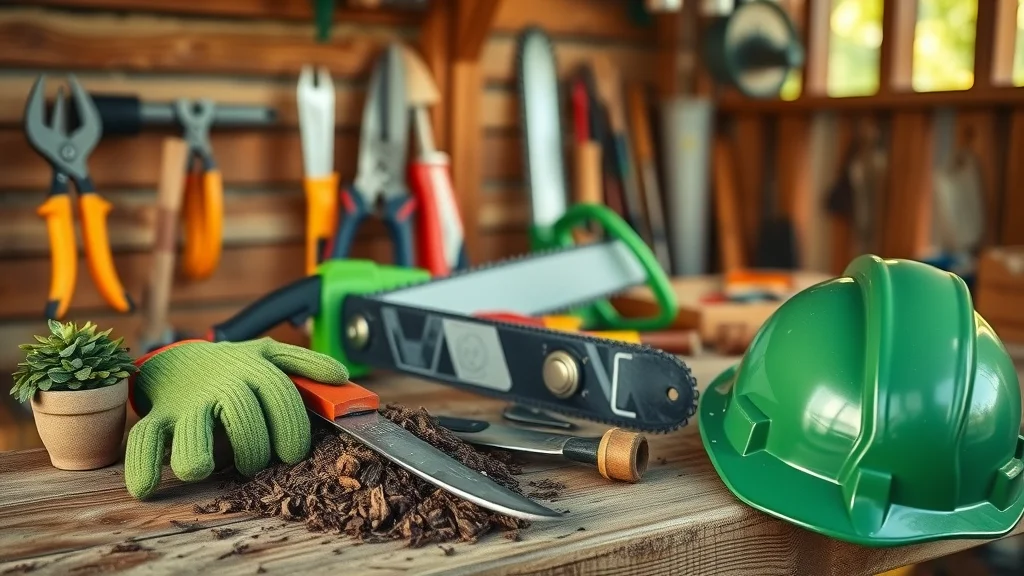
Professional-grade tree care tools for seasonal tree maintenance neatly arranged on a gardener’s workbench, pruning shears, saws, gloves, mulch, safety helmet
  • Pruning shears and saws approved by certified arborists
  • Tree trimming safety gear
  • Specialized garden tools for winter tree care
  • Fertilization and mulching supplies for all time of year

Effective seasonal tree care starts with the right tools. Quality pruning shears and handsaws, especially those recommended by certified arborists, ensure you make clean cuts that reduce the risk of disease and encourage robust regrowth. Safety gear like gloves, goggles, and helmets protect you during tree trimming—particularly when climbing ladders or reaching high branches. In the winter months, specialized insulation wraps, frost cloth, and sturdy rakes come into play for protecting tree roots and trunks.

Additionally, investing in proper mulching and fertilization equipment matters year-round. Organic mulches help retain soil moisture in summer and serve as insulation in winter. Fertilizer spreaders and soil testers let you give your trees exactly what they need, tailored to the current season. Keep all your tools clean, sharp, and ready, as using the correct equipment is a vital part of professional tree care that keeps your landscape healthy and safe through every time of year.

Seasonal Tree Care Planning: How to Create a Year-Round Schedule

Season Essential Seasonal Tree Care Tasks Best Time of Year
Spring Tree pruning, fertilizing, insect inspection March–May
Summer Mulching, watering, pest monitoring June–August
Fall Tree trimming, planting new trees, root care September–November
Winter Protection from frost, structural assessment December–February

A successful year-round seasonal tree care plan organizes essential maintenance tasks by season, ensuring nothing is left to chance. Start each spring with a complete tree inspection and pruning session, targeting winter-damaged and diseased branches. Apply appropriate fertilizers to boost recovery and support the new growing season. In summer, focus on regular deep watering, effective mulching, and vigilance against pest invasions—especially during long dry spells or heat waves.

Come fall, it’s a great time to plant new trees and refresh soil health around roots. Fall also calls for tree trimming before trees enter dormancy, and strategic fertilization to strengthen roots. As winter approaches, protect trees using insulation wraps, remove heavy snow from branches, and conduct a structural check to prevent weather-related failures. Keeping a printed schedule or using a garden planner helps you time every task precisely so your trees and shrubs stay strong and resilient all year long.

Spring Tree Care: Revitalizing Growth After Dormancy

Essential Spring Tree Care Techniques

  • Tree trimming to remove winter damage
  • Applying fertilizers for optimal spring tree health
  • Certified arborist inspection for pest and disease management
"Spring tree care is the foundation of a productive growing season," notes a prominent certified arborist.

Energetic gardener trimming a tree in a vibrant spring garden, healthy foliage and flowers, spring tree care in action

As nature wakes up, spring becomes a critical period for rejuvenating trees after months of dormancy. Begin with a thorough inspection to spot broken limbs and diseased branches caused by winter stress. This is the perfect time to trim and shape trees, ensuring you do not remove too much new growth. Using sharp, sanitized shears, cut back damaged wood to promote healthy regrowth during the early spring surge. Focus especially on young trees and shrubs, which recover faster and set the foundation for vigorous development throughout the growing season.

Fertilization is especially important right after winter, as depleted soils may lack key nutrients for robust leaf and root formation. A balanced slow-release fertilizer, matched to your tree species and soil type, kickstarts the season. For best results, consult a certified arborist or use a reputable tree care service if you’re uncertain about specific needs. They will also inspect for pests such as borers or aphids that become active in early spring. By combining proactive pruning, proper nourishment, and expert assessment, you give your trees the best start possible for months of healthy, lush growth ahead.

Summer Seasonal Tree Care: Protecting Against Heat and Drought

Watering and Mulching for Summer Tree Health

  • Best time of year to water deeply
  • Choosing mulches for moisture retention
  • Recognizing heat stress in trees and shrubs

With rising temperatures, tree health in the summer relies on preventing water loss and shielding roots from excessive heat. Early mornings or evenings are the best time of year to perform deep watering, targeting the base of trees and the full root zone. Use a soaker hose or drip irrigation system to minimize evaporation and ensure every drop reaches the roots rather than just wetting the surface. For new or delicate trees, consistent watering is vital to help them thrive during long dry stretches.

Mulching plays a crucial protective role: spread a 2–4 inch layer of organic mulch (like bark or shredded leaves) around the root zone, taking care to keep it a few inches away from the trunk. The right mulches keep in moisture, lower soil temperature, and reduce weed competition. As you monitor your garden, watch for signs of heat stress in trees and shrubs—wilted leaves, browning edges, or premature leaf drop. Respond quickly by increasing water frequency and checking mulch coverage when these symptoms appear. Regular summer care now helps your garden withstand even the harshest heat waves.

Fall Tree Care: Preparing for Dormancy

Fall Tree Trimming and Fertilization

  • Proper timing for tree trimming and pruning
  • Soil nourishment strategies for trees and shrubs
  • Winterizing techniques with help from a certified arborist

Garden in autumn, golden-leaved trees, gardener spreading mulch at tree base, preparing trees for dormancy

Fall is widely recognized as the ideal season for tree trimming and essential root care, preparing trees and shrubs for the dormant winter months. As leaf drop begins, identify and remove weak, overcrowded, or crossing branches. Pruning at this time minimizes disease risk and helps trees conserve energy, channeling all nutrients down to the roots over winter. The fall season is also the best moment for planting new trees, allowing roots to establish in cool, moist soil while above-ground growth pauses.

After pruning, enhance soil fertility by top-dressing with organic compost or applying a specialized autumn fertilizer. Focus on low-nitrogen blends that encourage root development rather than excessive leaf growth. These soil nourishment strategies strengthen your trees’ resilience and help them emerge vigorously with the next growing season. For added insurance, enlist a certified arborist to assess your property and recommend additional winterizing techniques such as applying anti-desiccant sprays or wrapping trunks in vulnerable, exposed areas.

Winter Tree Care: Preventing Cold Weather Damage

Expert Tips for Cold Season Tree Health

  • Insulating roots and trunks against frost
  • Professional tree care service for snow and ice management
  • Identifying winter tree health warning signs
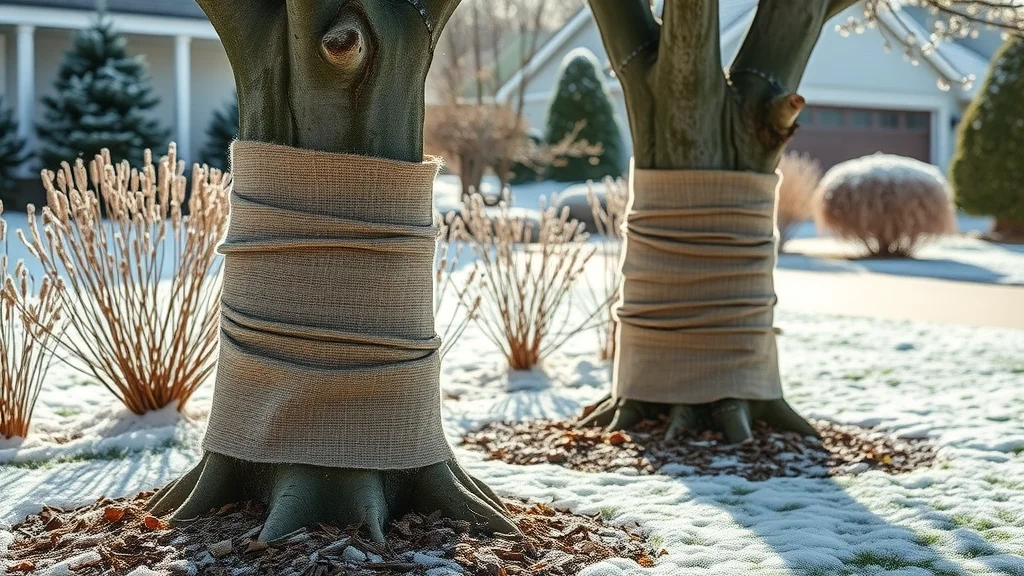
Sturdy tree trunks wrapped with burlap and mulch, residential yard, winter protection against cold weather damage, snow and ice

Winter poses unique threats to tree health, from bone-chilling frosts to heavy snow and ice accumulations. Applying a thick layer of mulch around the base of trees forms a buffer that prevents soil from freezing and thawing rapidly—which can damage roots. For sensitive or young specimens, wrapping trunks with burlap or commercial tree guards protects bark from cracking and deters rodents from gnawing during the scarce winter months.

If snow and ice build-up threatens to break branches, call in a professional tree care service for safe removal rather than risking injury or further foliage loss. Keep an eye out for early warning signs such as oozing sap, visible frost cracks, or limp branches. Recognizing these red flags lets you intervene before issues escalate, cutting your losses and improving success rates come spring. With diligent winter care, your trees and shrubs will endure and bounce back stronger than ever.

Working With a Certified Arborist for Seasonal Tree Care Excellence

  • Benefits of consulting certified arborists
  • Professional tree care vs. DIY seasonal tree care
  • Choosing reputable tree care services

Friendly certified arborist consulting with a homeowner about seasonal tree care, front yard, healthy mature trees

While many tree care tasks are simple enough for DIY gardeners, complex issues—like diagnosing fungal infections, performing high-risk tree trimming, or planning for mature tree removal—are best left to certified arborists and professional tree care services. Arborists not only possess ISA certification, indicating advanced technical training, but also bring specialized knowledge about local tree species and regional threats.

Engaging a reputable care service provides peace of mind, ensures compliance with safety standards, and can save you money by preventing unnecessary mistakes or the need for repeat work. Consider scheduling annual checkups with certified arborists to keep your trees thriving throughout all seasons. For larger properties, building a relationship with a trusted tree care company means your landscaping is always in expert hands, reducing risks and ensuring a lush, vibrant garden year after year.

Top 10 Seasonal Tree Care Mistakes to Avoid

  1. Skipping seasonal inspections
  2. Improper timing of tree trimming and pruning
  3. Neglecting fertilization cycles
  4. Poor mulching choices
  5. Ignoring signs of disease
  6. Using unapproved tools
  7. Forgetting professional tree evaluation
  8. Over-or under-watering trees and shrubs
  9. Fertilizing at the wrong time of year
  10. Neglecting winter preparation

Even experienced gardeners can fall into common traps when it comes to seasonal tree care. Avoiding just a handful of mistakes—like skipping regular inspections or failing to use the correct pruning techniques—can dramatically boost your trees’ longevity and reduce costs on emergency services. Remember, each season brings its own best practices and pitfalls, so following expert guidance is crucial to ensuring your trees and shrubs receive exactly the support they require, when they need it most.

Investing in the right tools, timing your care based on local climate and species, and seeking frequent professional advice are all ways to dodge these common errors. A well-prepared garden plan that accounts for every time of year ensures your landscape is not just attractive, but resilient and sustainable far into the future.

People Also Ask: What Is the Best Time for Seasonal Tree Care Tasks?

What month is best to trim trees?

Generally, late winter to early spring—between February and March in most regions—is considered the best time of year for tree trimming. At this stage, trees remain dormant, which reduces stress and allows wounds from pruning to heal quickly. Trimming before new growth starts also lets gardeners shape trees for healthy expansion in the energetic growing season ahead. However, exact timing may vary depending on your tree species and climate, so consulting a certified arborist remains a smart practice.

How to keep trees alive during winter?

The key to winter tree health is proactive protection and monitoring. Start by mulching heavily at the base of trees to insulate roots from deep freezes and fluctuating soil temperatures. Wrap young or delicate trunks with burlap or tree guards to prevent frost cracks and sunscald. After snow and ice storms, gently brush off heavy accumulations to protect tree branches from snapping. Finally, inspect trees regularly for any signs of winter damage or stress and consult professional tree care services for complex or hazardous problems.

What are the 5 rules of pruning trees?

The five fundamental rules of proper pruning are: (1) prune at the right time of year—typically during dormancy; (2) use clean, sharp tools to make clean cuts; (3) remove dead, diseased, or crossing branches first; (4) never remove more than 25% of the tree canopy at once; and (5) consider the natural shape of the tree, avoiding excessive “topping” or severe reshaping. Following these rules ensures tree health, structural integrity, and vigorous regeneration.

Should I fertilize my trees in the winter?

In most climates, fertilizing trees during the winter months is unnecessary and can even do more harm than good. Trees are dormant and do not actively absorb nutrients, so applying fertilizer before spring is not recommended. Focus instead on fertilizing in late winter or early spring, right as trees prepare for active growth. If in doubt, a certified arborist or professional tree care service can conduct soil tests and recommend the ideal timing and type of fertilizer for your specific trees and shrubs.

Video Guide: Seasonal Tree Care Essentials

Watch and learn: This video features a certified arborist demonstrating spring care, precise tree trimming, mulching techniques, and thorough winter preparation steps. You’ll see clear visuals of expert techniques and transformations in real gardens—across all seasons—so you can follow along and give your trees the best year-round care.

Certified arborist demonstrates seasonal tree care essentials in diverse garden settings.

FAQ: Seasonal Tree Care for Trees and Shrubs

  • Does seasonal tree care differ between deciduous and evergreen species?
    Yes. Deciduous trees require more attention in fall (for leaf and limb cleanup) and spring, while evergreens need protection from winter drought and windburn. Always tailor maintenance to your trees’ unique biology and consult a certified arborist for best results.
  • How often should I hire professional tree care services?
    At least once per year for comprehensive inspections, but more frequently if you notice major changes, damage after storms, or signs of disease. Certified arborists can spot issues early, saving time and money on future tree removal or emergency work.
  • Is it safe to trim trees after heavy storms?
    Always exercise caution following storms. Remove obvious hazards like broken limbs from the ground, but avoid major trimming—or climbing—until conditions are safe and you have assessed for structural weaknesses. Severe damage should always be addressed by professional tree care services.

Key Takeaways for Effective Seasonal Tree Care

  • Proactive, seasonally-adapted tree care significantly impacts tree health and garden aesthetics
  • Partnering with certified arborists ensures expertise for every time of year
  • Proper planning avoids common mistakes and extends the life of your trees and shrubs

Elevate Your Tree Care Knowledge

Grow your landscaping expertise—call 203-271-7991 or visit TreeGuardianNews.com to subscribe.

Conclusion: By mastering seasonal tree care and working with experts, you can ensure robust, beautiful trees that enhance your garden for years to come.

If you’re eager to take your seasonal tree care to the next level, consider exploring broader strategies that support year-round tree vitality. Our in-depth article, Unlock Seasonal Tree Care Secrets for Year-Round Health, dives into holistic approaches and advanced insights that can help you create a thriving, resilient landscape in every season. Discover how a comprehensive perspective can transform your garden and empower you with the knowledge to nurture your trees for lasting beauty and health.

To enhance your understanding of seasonal tree care, consider exploring the following resources:

  • The Western Pennsylvania Conservancy’s article, “Tips for Seasonal Tree Care”, provides practical advice for year-round tree maintenance, including mulching in fall, pruning in winter, weeding in spring, and watering in summer. (waterlandlife.org)

  • The City and County of Denver’s guide, “Seasonal Tree Care Needs”, outlines best practices for tree care across different seasons, emphasizing the importance of proper mulching, watering schedules, and monitoring for signs of stress or disease. (denvergov.org)

These resources offer valuable insights to help you implement effective seasonal tree care strategies and maintain the health and beauty of your trees throughout the year.

Latest News

61 Views

Write A Comment

*
*
Please complete the captcha to submit your comment.
Related Posts All Posts
07.10.2026

How Often Should Trees Be Pruned? A Complete Guide for Tree Care

Learn how often trees should be pruned, the benefits of regular pruning, and essential tips for tree care.

07.10.2026

Why Homeowners Should Be Aware of Trees and Lawn Mowers

Update The Dangers of Lawn Mowers Near Trees Maintaining a beautiful lawn can be quite the task for homeowners, especially during the weekends when lawn care activities come into play. However, have you ever considered how damaging lawn mowers can be to the trees that grace your yard? Trees not only provide shade and beauty but also improve air quality. Hence, protecting them is essential. Understanding Tree Health and Lawn Care Tree health is often compromised when lawn mowers come too close. Any accidental brush against a tree trunk can lead to bark damage. This exposes the tree to pests and diseases. Over time, these injuries can hinder growth, making it difficult for trees to thrive. It's essential to recognize that a lawn mower is not just a tool for cutting grass; it can significantly affect your landscape's ecosystem. Setting Up Safe Boundaries The best way to safeguard your trees from lawn mower damage is to establish designated areas for each. When mowing, create a safe distance around trees that your mower will not trespass. A general rule of thumb is to maintain a radius of about 3 feet around the base of each tree. This defensive zone not only protects the tree’s trunk from being scuffed but also allows you to use mulch or grass clippings that can further nourish the tree. Creating a Tree-Friendly Lawn Environmental experts recommend incorporating a variety of plants around trees to create a safe landscape. Native plants, which are adapted to the local environment, thrive well and require less maintenance. They can form a protective green barrier that cushions trees against accidental mower contact. Moreover, growing ground covers can significantly limit the need for mower operation near trees while enhancing soil quality. The Importance of Mulching Mulching can be incredibly beneficial for tree health. By applying organic mulch around the base of trees, you can improve moisture retention and prevent weed growth that would otherwise require mowing. Choose materials such as wood chips or shredded bark as mulch to keep your trees healthy. Plus, mulching helps regulate soil temperature and provides nutrients as it breaks down over time. Tools and Techniques for Safe Mowing Investing in lawn mowing techniques and tools designed to protect trees is an excellent idea. For instance, using a trimmer with a protective guard can help you reach areas near tree bases without risk of damage. Staying aware and cautious while mowing your lawn is key. Practicing slow and steady movements near tree lines helps avoid unexpected mishaps. Understanding the Risks of Equipment Damage Besides physical damage to trees, lawn mowers can also be affected by the landscape. Running over roots or rocks hidden beneath grass can cause mower blades to dull or even break. This means more maintenance for you and potential costly repairs. Take time to survey your yard before mowing; this consideration will prolong the life of both your trees and your lawn care equipment. Conclusion: Creating a Sustainable Landscape Protecting your trees from lawn mowers is vital not only for their health but for the overall ecosystem of your yard. By practicing careful mowing techniques, establishing boundaries, and promoting plant diversity, you are on your way to creating a sustainable, beautiful landscape that can be enjoyed for years to come.

07.03.2026

Oak Wilt Prevention: Essential Strategies for Protecting Oaks at Eagle Mountain Lake

Update The Importance of Oak Wilt Prevention in Eagle Mountain Lake At Eagle Mountain Lake, Texas, a dedicated team of arborists is safeguarding approximately ninety mature Southern Live Oaks and Red Oaks as part of a vital Oak Wilt prevention program. This initiative highlights the crucial role of preventative plant healthcare in North Texas, particularly in an area surrounded by one of the largest oak wilt footprints in the state. By establishing a routine treatment schedule, these trees stand a greater chance of surviving this pervasive disease. Understanding Oak Wilt: A Threat to Healthy Oaks Oak Wilt, caused by the fungal pathogen Bretziella fagacearum, poses a significant threat to oak populations, with its effects not immediately visible. The disease infiltrates the tree's vascular system, specifically the xylem, which is crucial for transporting water and nutrients. As the fungus spreads, the tree attempts to defend itself, leading to a decline in water movement that causes characteristic symptoms such as wilting leaves and canopy decline. Why Southern Live Oaks Are Particularly Vulnerable One of the primary reasons Southern Live Oaks are at high risk of Oak Wilt is their unique root structure. These trees often form interconnected root systems, allowing for the transfer of water and nutrients. However, this characteristic also facilitates the rapid spread of the fungus from one infected tree to others, making early intervention essential. Preventative Measures That Make a Difference Preventative care is critical in stopping the spread of Oak Wilt. Treatments such as Low-Volume Macro Infusion with Alamo fungicide help protect these trees before symptoms appear. This proactive approach is crucial as it allows for maintaining the health of the surrounding ecosystem. The standard recommendation is a two-year treatment cycle, ensuring that healthy trees remain unaffected by the disease. The Role of Insects in Oak Wilt Spread In addition to root graft transmission, the Oak Wilt fungus can also be introduced to healthy trees through insect activity. Nitidulid sap beetles, attracted to fresh wounds on oak trees, play a key role in this process. Proper tree management—including timely pruning and sealing fresh cuts—can prevent the introduction of this dangerous fungus. Learn to Recognize the Signs Recognizing the signs of oak wilt can be challenging, especially for homeowners. Early symptoms usually include yellowing leaves and canopy decline, but they can often be mistaken for other tree health issues. Understanding these signs and knowing when to contact an arborist can make the difference between saving a tree and losing it to this destructive disease. By maintaining vigilance and committing to a consistent, science-based plant healthcare program, property owners can play a significant role in combating the spread of Oak Wilt. Regular inspections, along with a proactive treatment approach, are pivotal in preserving the majestic oak trees that contribute so greatly to our environment.

Green Space News

Homeowners & Businesses concerned about tree and landscape care, safety issues from storms, old or diseased trees, structural damage risks, and insurance implications.

Green Space News is a subsidiary of RP Design Web Services.

COMPANY

  • Privacy Policy
  • Terms of Use
  • Advertise
  • Contact Us
  • Menu 5
  • Menu 6

AVAILABLE FROM 8AM - 5PM

Cheshire,CT

POBox 1189

ABOUT US

Green Space News is your go-to media hub for cutting-edge strategies to maintain a safe and vibrant environment. We are committed to protecting your property and family by providing proactive tree hazard prevention and awareness. Our platform  empower communities to safeguard their surroundings and enjoy healthier, more resilient landscapes.

© 2026 RP Design Web Services All Rights Reserved. P.O. Box 1189, Cheshire, CT 06410 . Contact Us . Terms of Service . Privacy Policy

eyJjb21wYW55IjoiUlAgRGVzaWduIFdlYiBTZXJ2aWNlcyIsImFkZHJlc3MiOiJQLk8uIEJveCAxMTg5IiwiY2l0eSI6IkNoZXNoaXJlIiwic3RhdGUiOiJDVCIsInppcCI6IjA2NDEwIiwiZW1haWwiOiJyb2JlcnRAcnBkZXNpZ24uY29tIiwidG9zIjoiUEhBK1BITjBjbTl1Wno0OFpXMCtWMmhsYmlCNWIzVWdjMmxuYmkxcGJpQjNhWFJvSUhWekxDQjViM1VnWVhKbElHZHBkbWx1WnladVluTndPeUI1YjNWeUlIQmxjbTFwYzNOcGIyNGdZVzVrSUdOdmJuTmxiblFnZEc4Z2MyVnVaQ0I1YjNVZ1pXMWhhV3dnWVc1a0wyOXlJRk5OVXlCMFpYaDBJRzFsYzNOaFoyVnpMaUJDZVNCamFHVmphMmx1WnlCMGFHVWdWR1Z5YlhNZ1lXNWtJRU52Ym1ScGRHbHZibk1nWW05NElHRnVaQ0JpZVNCemFXZHVhVzVuSUdsdUlIbHZkU0JoZFhSdmJXRjBhV05oYkd4NUlHTnZibVpwY20wZ2RHaGhkQ0I1YjNVZ1lXTmpaWEIwSUdGc2JDQjBaWEp0Y3lCcGJpQjBhR2x6SUdGbmNtVmxiV1Z1ZEM0OEwyVnRQand2YzNSeWIyNW5Qand2Y0Q0S0NqeHdQanhoSUdoeVpXWTlJbWgwZEhBNkx5OTNkM2N1WjI5dloyeGxMbU52YlNJK2FIUjBjRG92TDNkM2R5NW5iMjluYkdVdVkyOXRQQzloUGp3dmNENEtDanh3UGladVluTndPend2Y0Q0S0NqeHdQanh6ZEhKdmJtYytVMFZTVmtsRFJUd3ZjM1J5YjI1blBqd3ZjRDRLQ2p4d1BsZGxJSEJ5YjNacFpHVWdZU0J6WlhKMmFXTmxJSFJvWVhRZ1kzVnljbVZ1ZEd4NUlHRnNiRzkzY3lCNWIzVWdkRzhnY21WalpXbDJaU0J5WlhGMVpYTjBjeUJtYjNJZ1ptVmxaR0poWTJzc0lHTnZiWEJoYm5rZ2FXNW1iM0p0WVhScGIyNHNJSEJ5YjIxdmRHbHZibUZzSUdsdVptOXliV0YwYVc5dUxDQmpiMjF3WVc1NUlHRnNaWEowY3l3Z1kyOTFjRzl1Y3l3Z1pHbHpZMjkxYm5SeklHRnVaQ0J2ZEdobGNpQnViM1JwWm1sallYUnBiMjV6SUhSdklIbHZkWElnWlcxaGFXd2dZV1JrY21WemN5QmhibVF2YjNJZ1kyVnNiSFZzWVhJZ2NHaHZibVVnYjNJZ1pHVjJhV05sTGlCWmIzVWdkVzVrWlhKemRHRnVaQ0JoYm1RZ1lXZHlaV1VnZEdoaGRDQjBhR1VnVTJWeWRtbGpaU0JwY3lCd2NtOTJhV1JsWkNBbWNYVnZkRHRCVXkxSlV5WnhkVzkwT3lCaGJtUWdkR2hoZENCM1pTQmhjM04xYldVZ2JtOGdjbVZ6Y0c5dWMybGlhV3hwZEhrZ1ptOXlJSFJvWlNCMGFXMWxiR2x1WlhOekxDQmtaV3hsZEdsdmJpd2diV2x6TFdSbGJHbDJaWEo1SUc5eUlHWmhhV3gxY21VZ2RHOGdjM1J2Y21VZ1lXNTVJSFZ6WlhJZ1kyOXRiWFZ1YVdOaGRHbHZibk1nYjNJZ2NHVnljMjl1WVd4cGVtRjBhVzl1SUhObGRIUnBibWR6TGp3dmNENEtDanh3UGxsdmRTQmhjbVVnY21WemNHOXVjMmxpYkdVZ1ptOXlJRzlpZEdGcGJtbHVaeUJoWTJObGMzTWdkRzhnZEdobElGTmxjblpwWTJVZ1lXNWtJSFJvWVhRZ1lXTmpaWE56SUcxaGVTQnBiblp2YkhabElIUm9hWEprSUhCaGNuUjVJR1psWlhNZ0tITjFZMmdnWVhNZ1UwMVRJSFJsZUhRZ2JXVnpjMkZuWlhNc0lFbHVkR1Z5Ym1WMElITmxjblpwWTJVZ2NISnZkbWxrWlhJZ2IzSWdZMlZzYkhWc1lYSWdZV2x5ZEdsdFpTQmphR0Z5WjJWektTNGdXVzkxSUdGeVpTQnlaWE53YjI1emFXSnNaU0JtYjNJZ2RHaHZjMlVnWm1WbGN5d2dhVzVqYkhWa2FXNW5JSFJvYjNObElHWmxaWE1nWVhOemIyTnBZWFJsWkNCM2FYUm9JSFJvWlNCa2FYTndiR0Y1SUc5eUlHUmxiR2wyWlhKNUlHOW1JR1ZoWTJnZ1UwMVRJSFJsZUhRZ2JXVnpjMkZuWlNCelpXNTBJSFJ2SUhsdmRTQmllU0IxY3k0Z1NXNGdZV1JrYVhScGIyNHNJSGx2ZFNCdGRYTjBJSEJ5YjNacFpHVWdZVzVrSUdGeVpTQnlaWE53YjI1emFXSnNaU0JtYjNJZ1lXeHNJR1Z4ZFdsd2JXVnVkQ0J1WldObGMzTmhjbmtnZEc4Z1lXTmpaWE56SUhSb1pTQlRaWEoyYVdObElHRnVaQ0J5WldObGFYWmxJSFJvWlNCVFRWTWdkR1Y0ZENCdFpYTnpZV2RsY3k0Z1YyVWdaRzhnYm05MElHTm9ZWEpuWlNCaGJua2dabVZsY3lCbWIzSWdaR1ZzYVhabGNua2diMllnWlcxaGFXd2diM0lnVTAxVExpQlVhR2x6SUdseklHRWdabkpsWlNCelpYSjJhV05sSUhCeWIzWnBaR1ZrSUdKNUlIVnpMaUJJYjNkbGRtVnlMQ0J3YkdWaGMyVWdZMmhsWTJzZ2QybDBhQ0I1YjNWeUlHbHVkR1Z5Ym1WMElITmxjblpwWTJVZ2NISnZkbWxrWlhJZ1lXNWtJR05sYkd4MWJHRnlJR05oY25KcFpYSWdabTl5SUdGdWVTQmphR0Z5WjJWeklIUm9ZWFFnYldGNUlHbHVZM1Z5SUdGeklHRWdjbVZ6ZFd4MElHWnliMjBnY21WalpXbDJhVzVuSUdWdFlXbHNJR0Z1WkNCVFRWTWdkR1Y0ZENCdFpYTnpZV2RsY3lCMGFHRjBJSGRsSUdSbGJHbDJaWElnZFhCdmJpQjViM1Z5SUc5d2RDMXBiaUJoYm1RZ2NtVm5hWE4wY21GMGFXOXVJSGRwZEdnZ2IzVnlJR1Z0WVdsc0lHRnVaQ0JUVFZNZ2MyVnlkbWxqWlhNdUlGbHZkU0JqWVc0Z1kyRnVZMlZzSUdGMElHRnVlU0IwYVcxbExpQktkWE4wSUhSbGVIUWdKbkYxYjNRN1UxUlBVQ1p4ZFc5ME95QjBieUE4YUdsbmFHeHBaMmgwSUdOc1lYTnpQU0pqYjIxd1lXNTVVR2h2Ym1WVmNHUmhkR1VpUGlzeE1qQXpNamN4TnprNU1Ud3ZhR2xuYUd4cFoyaDBQaTRnUVdaMFpYSWdlVzkxSUhObGJtUWdkR2hsSUZOTlV5QnRaWE56WVdkbElDWnhkVzkwTzFOVVQxQW1jWFZ2ZERzZ2RHOGdkWE1zSUhkbElIZHBiR3dnYzJWdVpDQjViM1VnWVc0Z1UwMVRJRzFsYzNOaFoyVWdkRzhnWTI5dVptbHliU0IwYUdGMElIbHZkU0JvWVhabElHSmxaVzRnZFc1emRXSnpZM0pwWW1Wa0xpQkJablJsY2lCMGFHbHpMQ0I1YjNVZ2QybHNiQ0J1YnlCc2IyNW5aWElnY21WalpXbDJaU0JUVFZNZ2JXVnpjMkZuWlhNZ1puSnZiU0IxY3k0OEwzQStDZ284Y0Q0OGMzUnliMjVuUGxsUFZWSWdVa1ZIU1ZOVVVrRlVTVTlPSUU5Q1RFbEhRVlJKVDA1VFBDOXpkSEp2Ym1jK1BDOXdQZ29LUEhBK1NXNGdZMjl1YzJsa1pYSmhkR2x2YmlCdlppQjViM1Z5SUhWelpTQnZaaUIwYUdVZ1UyVnlkbWxqWlN3Z2VXOTFJR0ZuY21WbElIUnZPand2Y0Q0S0NqeHZiRDRLQ1R4c2FUNXdjbTkyYVdSbElIUnlkV1VzSUdGalkzVnlZWFJsTENCamRYSnlaVzUwSUdGdVpDQmpiMjF3YkdWMFpTQnBibVp2Y20xaGRHbHZiaUJoWW05MWRDQjViM1Z5YzJWc1ppQmhjeUJ3Y205dGNIUmxaQ0JpZVNCMGFHVWdVMlZ5ZG1salpTWWpNems3Y3lCeVpXZHBjM1J5WVhScGIyNGdabTl5YlNBb2MzVmphQ0JwYm1admNtMWhkR2x2YmlCaVpXbHVaeUIwYUdVZ0puRjFiM1E3VW1WbmFYTjBjbUYwYVc5dUlFUmhkR0VtY1hWdmREc3BJR0Z1WkR3dmJHaytDZ2s4YkdrK2JXRnBiblJoYVc0Z1lXNWtJSEJ5YjIxd2RHeDVJSFZ3WkdGMFpTQjBhR1VnVW1WbmFYTjBjbUYwYVc5dUlFUmhkR0VnZEc4Z2EyVmxjQ0JwZENCMGNuVmxMQ0JoWTJOMWNtRjBaU3dnWTNWeWNtVnVkQ0JoYm1RZ1kyOXRjR3hsZEdVdUlFbG1JSGx2ZFNCd2NtOTJhV1JsSUdGdWVTQnBibVp2Y20xaGRHbHZiaUIwYUdGMElHbHpJSFZ1ZEhKMVpTd2dhVzVoWTJOMWNtRjBaU3dnYm05MElHTjFjbkpsYm5RZ2IzSWdhVzVqYjIxd2JHVjBaU3dnYjNJZ2QyVWdhR0YyWlNCeVpXRnpiMjVoWW14bElHZHliM1Z1WkhNZ2RHOGdjM1Z6Y0dWamRDQjBhR0YwSUhOMVkyZ2dhVzVtYjNKdFlYUnBiMjRnYVhNZ2RXNTBjblZsTENCcGJtRmpZM1Z5WVhSbExDQnViM1FnWTNWeWNtVnVkQ0J2Y2lCcGJtTnZiWEJzWlhSbExDQjNaU0JvWVhabElIUm9aU0J5YVdkb2RDQjBieUJ6ZFhOd1pXNWtJRzl5SUR4emRISnZibWMrUEhOd1lXNGdjM1I1YkdVOUltTnZiRzl5T2lOR1JqQXdNREE3SWo1MFpYSnRhVzVoZEdVZ2VXOTFjaUJoWTJOdmRXNTBMM0J5YjJacGJHVWdZVzVrSUhKbFpuVnpaU0JoYm5rZ1lXNWtJR0ZzYkNCamRYSnlaVzUwSUc5eUlHWjFkSFZ5WlNCMWMyVWdiMllnZEdobElGTmxjblpwWTJVZ0tHOXlJR0Z1ZVNCd2IzSjBhVzl1SUhSb1pYSmxiMllwTGp3dmMzQmhiajQ4TDNOMGNtOXVaejQ4TDJ4cFBnbzhMMjlzUGdvS1BIQStKbTVpYzNBN1BDOXdQZ284YUdsbmFHeHBaMmgwSUdOc1lYTnpQU0pqYjIxd1lXNTVUbUZ0WlZWd1pHRjBaU0krVWxBZ1JHVnphV2R1SUZkbFlpQlRaWEoyYVdObGN6d3ZhR2xuYUd4cFoyaDBQanhpY2lBdlBnbzhhR2xuYUd4cFoyaDBJR05zWVhOelBTSmpiMjF3WVc1NVFXUmtjbVZ6YzFWd1pHRjBaU0krVUM1UExpQkNiM2dnTVRFNE9Td2dRMmhsYzJocGNtVXNJRU5VSURBMk5ERXdQQzlvYVdkb2JHbG5hSFErUEdKeUlDOCtDanhvYVdkb2JHbG5hSFFnWTJ4aGMzTTlJbU52YlhCaGJubFFhRzl1WlZWd1pHRjBaU0krS3pFeU1ETXlOekUzT1RreFBDOW9hV2RvYkdsbmFIUStQR0p5SUM4K0NqeG9hV2RvYkdsbmFIUWdZMnhoYzNNOUltTnZiWEJoYm5sRmJXRnBiRlZ3WkdGMFpTSStjbTlpWlhKMFFISndaR1Z6YVdkdUxtTnZiVHd2YUdsbmFHeHBaMmgwUGc9PSIsInByaXZhY3kiOiJQSEErUEhOMGNtOXVaejVRVWtsV1FVTlpQQzl6ZEhKdmJtYytQQzl3UGdvS1BIQStQSE4wY205dVp6NVVhR1VnYVc1bWIzSnRZWFJwYjI0Z2NISnZkbWxrWldRZ1pIVnlhVzVuSUhSb2FYTWdjbVZuYVhOMGNtRjBhVzl1SUdseklHdGxjSFFnY0hKcGRtRjBaU0JoYm1RZ1kyOXVabWxrWlc1MGFXRnNMQ0JoYm1RZ2QybHNiQ0J1WlhabGNpQmlaU0JrYVhOMGNtbGlkWFJsWkN3Z1kyOXdhV1ZrTENCemIyeGtMQ0IwY21Ga1pXUWdiM0lnY0c5emRHVmtJR2x1SUdGdWVTQjNZWGtzSUhOb1lYQmxJRzl5SUdadmNtMHVJRlJvYVhNZ2FYTWdiM1Z5SUdkMVlYSmhiblJsWlM0OEwzTjBjbTl1Wno0OEwzQStDZ284Y0Q0OGMzUnliMjVuUGtsT1JFVk5Ua2xVV1R3dmMzUnliMjVuUGp3dmNENEtDanh3UGp4bGJUNVpiM1VnWVdkeVpXVWdkRzhnYVc1a1pXMXVhV1o1SUdGdVpDQm9iMnhrSUhWekxDNGdZVzVrSUdsMGN5QnpkV0p6YVdScFlYSnBaWE1zSUdGbVptbHNhV0YwWlhNc0lHOW1abWxqWlhKekxDQmhaMlZ1ZEhNc0lHTnZMV0p5WVc1a1pYSnpJRzl5SUc5MGFHVnlJSEJoY25SdVpYSnpMQ0JoYm1RZ1pXMXdiRzk1WldWekxDQm9ZWEp0YkdWemN5Qm1jbTl0SUdGdWVTQmpiR0ZwYlNCdmNpQmtaVzFoYm1Rc0lHbHVZMngxWkdsdVp5QnlaV0Z6YjI1aFlteGxJR0YwZEc5eWJtVjVjeVlqTXprN0lHWmxaWE1zSUcxaFpHVWdZbmtnWVc1NUlIUm9hWEprSUhCaGNuUjVJR1IxWlNCMGJ5QnZjaUJoY21semFXNW5JRzkxZENCdlppQkRiMjUwWlc1MElIbHZkU0J5WldObGFYWmxMQ0J6ZFdKdGFYUXNJSEpsY0d4NUxDQndiM04wTENCMGNtRnVjMjFwZENCdmNpQnRZV3RsSUdGMllXbHNZV0pzWlNCMGFISnZkV2RvSUhSb1pTQlRaWEoyYVdObExDQjViM1Z5SUhWelpTQnZaaUIwYUdVZ1UyVnlkbWxqWlN3Z2VXOTFjaUJqYjI1dVpXTjBhVzl1SUhSdklIUm9aU0JUWlhKMmFXTmxMQ0I1YjNWeUlIWnBiMnhoZEdsdmJpQnZaaUIwYUdVZ1ZFOVRMQ0J2Y2lCNWIzVnlJSFpwYjJ4aGRHbHZiaUJ2WmlCaGJua2djbWxuYUhSeklHOW1JR0Z1YjNSb1pYSXVQQzlsYlQ0OEwzQStDZ284Y0Q0OGMzUnliMjVuUGtSSlUwTk1RVWxOUlZJZ1QwWWdWMEZTVWtGT1ZFbEZVend2YzNSeWIyNW5Qand2Y0Q0S0NqeHdQanh6ZEhKdmJtYytXVTlWSUVWWVVGSkZVMU5NV1NCVlRrUkZVbE5VUVU1RUlFRk9SQ0JCUjFKRlJTQlVTRUZVT2p3dmMzUnliMjVuUGp3dmNENEtDanh2YkQ0S0NUeHNhVDVaVDFWU0lGVlRSU0JQUmlCVVNFVWdVMFZTVmtsRFJTQkpVeUJCVkNCWlQxVlNJRk5QVEVVZ1VrbFRTeTRnVkVoRklGTkZVbFpKUTBVZ1NWTWdVRkpQVmtsRVJVUWdUMDRnUVU0Z0puRjFiM1E3UVZNZ1NWTW1jWFZ2ZERzZ1FVNUVJQ1p4ZFc5ME8wRlRJRUZXUVVsTVFVSk1SU1p4ZFc5ME95QkNRVk5KVXk0Z0xDNGdRVTVFSUZWVExDQkpWQ1lqTXprN1V5QkRWVk5VVDAxRlVsTXNJRVZZVUZKRlUxTk1XU0JFU1ZORFRFRkpUVk1nUVV4TUlGZEJVbEpCVGxSSlJWTWdUMFlnUVU1WklFdEpUa1FzSUZkSVJWUklSVklnUlZoUVVrVlRVeUJQVWlCSlRWQk1TVVZFTENCSlRrTk1WVVJKVGtjc0lFSlZWQ0JPVDFRZ1RFbE5TVlJGUkNCVVR5QlVTRVVnU1UxUVRFbEZSQ0JYUVZKU1FVNVVTVVZUSUU5R0lFMUZVa05JUVU1VVFVSkpURWxVV1N3Z1JrbFVUa1ZUVXlCR1QxSWdRU0JRUVZKVVNVTlZURUZTSUZCVlVsQlBVMFVnUVU1RUlFNVBUaTFKVGtaU1NVNUhSVTFGVGxRdVBDOXNhVDRLQ1R4c2FUNU5RVXRGVXlCT1R5QlhRVkpTUVU1VVdTQlVTRUZVSUNocEtTQlVTRVVnVTBWU1ZrbERSU0JYU1V4TUlFMUZSVlFnV1U5VlVpQlNSVkZWU1ZKRlRVVk9WRk1zSUNocGFTa2dWRWhGSUZORlVsWkpRMFVnVjBsTVRDQkNSU0JWVGtsT1ZFVlNVbFZRVkVWRUxDQlVTVTFGVEZrc0lGTkZRMVZTUlN3Z1QxSWdSVkpTVDFJdFJsSkZSU3dnS0dscGFTa2dWRWhGSUZKRlUxVk1WRk1nVkVoQlZDQk5RVmtnUWtVZ1QwSlVRVWxPUlVRZ1JsSlBUU0JVU0VVZ1ZWTkZJRTlHSUZSSVJTQlRSVkpXU1VORklGZEpURXdnUWtVZ1FVTkRWVkpCVkVVZ1QxSWdVa1ZNU1VGQ1RFVXNJRUZPUkNBb2FYWXBJRUZPV1NCRlVsSlBVbE1nU1U0Z1ZFaEZJRk5QUmxSWFFWSkZJRmRKVEV3Z1FrVWdRMDlTVWtWRFZFVkVMand2YkdrK0NnazhiR2srUVU1WklFMUJWRVZTU1VGTUlFUlBWMDVNVDBGRVJVUWdUMUlnVDFSSVJWSlhTVk5GSUU5Q1ZFRkpUa1ZFSUZSSVVrOVZSMGdnVkVoRklGVlRSU0JQUmlCVVNFVWdVMFZTVmtsRFJTQkpVeUJFVDA1RklFRlVJRmxQVlZJZ1QxZE9JRVJKVTBOU1JWUkpUMDRnUVU1RUlGSkpVMHNnUVU1RUlGUklRVlFnV1U5VklGZEpURXdnUWtVZ1UwOU1SVXhaSUZKRlUxQlBUbE5KUWt4RklFWlBVaUJCVGxrZ1JFRk5RVWRGSUZSUElGbFBWVklnUTA5TlVGVlVSVklnVTFsVFZFVk5JRTlTSUV4UFUxTWdUMFlnUkVGVVFTQlVTRUZVSUZKRlUxVk1WRk1nUmxKUFRTQlVTRVVnUkU5WFRreFBRVVFnVDBZZ1FVNVpJRk5WUTBnZ1RVRlVSVkpKUVV3dVBDOXNhVDRLQ1R4c2FUNU9UeUJCUkZaSlEwVWdUMUlnU1U1R1QxSk5RVlJKVDA0c0lGZElSVlJJUlZJZ1QxSkJUQ0JQVWlCWFVrbFVWRVZPTENCUFFsUkJTVTVGUkNCQ1dTQlpUMVVnUmxKUFRTQlBVaUJVU0ZKUFZVZElJRTlTSUVaU1QwMGdWRWhGSUZORlVsWkpRMFVnVTBoQlRFd2dRMUpGUVZSRklFRk9XU0JYUVZKU1FVNVVXU0JPVDFRZ1JWaFFVa1ZUVTB4WklGTlVRVlJGUkNCSlRpQlVTRVVnVkU5VExqd3ZiR2srQ2p3dmIydytDZ284Y0Q0OGMzUnliMjVuUGt4SlRVbFVRVlJKVDA0Z1QwWWdURWxCUWtsTVNWUlpQQzl6ZEhKdmJtYytQQzl3UGdvS1BIQStXVTlWSUVWWVVGSkZVMU5NV1NCVlRrUkZVbE5VUVU1RUlFRk9SQ0JCUjFKRlJTQlVTRUZVSUVGT1JDQlRTRUZNVENCT1QxUWdRa1VnVEVsQlFreEZJRVpQVWlCQlRsa2dSRWxTUlVOVUxDQkpUa1JKVWtWRFZDd2dTVTVEU1VSRlRsUkJUQ3dnVTFCRlEwbEJUQ3dnUTA5T1UwVlJWVVZPVkVsQlRDQlBVaUJGV0VWTlVFeEJVbGtnUkVGTlFVZEZVeXdnU1U1RFRGVkVTVTVISUVKVlZDQk9UMVFnVEVsTlNWUkZSQ0JVVHl3Z1JFRk5RVWRGVXlCR1QxSWdURTlUVXlCUFJpQlFVazlHU1ZSVExDQkhUMDlFVjBsTVRDd2dWVk5GTENCRVFWUkJJRTlTSUU5VVNFVlNJRWxPVkVGT1IwbENURVVnVEU5VFUwVlRJQ2hGVmtWT0lFbEdJRWhCVXlCQ1JVVk9JRUZFVmtsVFJVUWdUMFlnVkVoRklGQlBVMU5KUWtsTVNWUlpJRTlHSUZOVlEwZ2dSRUZOUVVkRlV5a3NJRkpGVTFWTVZFbE9SeUJHVWs5Tk9qd3ZjRDRLQ2p4dmJENEtDVHhzYVQ1VVNFVWdWVk5GSUU5U0lGUklSU0JKVGtGQ1NVeEpWRmtnVkU4Z1ZWTkZJRlJJUlNCVFJWSldTVU5GT3p3dmJHaytDZ2s4YkdrK1ZFaEZJRU5QVTFRZ1QwWWdVRkpQUTFWU1JVMUZUbFFnVDBZZ1UxVkNVMVJKVkZWVVJTQkhUMDlFVXlCQlRrUWdVMFZTVmtsRFJWTWdVa1ZUVlV4VVNVNUhJRVpTVDAwZ1FVNVpJRWRQVDBSVExDQkVRVlJCTENCSlRrWlBVazFCVkVsUFRpQlBVaUJUUlZKV1NVTkZVeUJRVlZKRFNFRlRSVVFnVDFJZ1QwSlVRVWxPUlVRZ1QxSWdUVVZUVTBGSFJWTWdVa1ZEUlVsV1JVUWdUMUlnVkZKQlRsTkJRMVJKVDA1VElFVk9WRVZTUlVRZ1NVNVVUeUJVU0ZKUFZVZElJRTlTSUVaU1QwMGdWRWhGSUZORlVsWkpRMFU3UEM5c2FUNEtDVHhzYVQ1VlRrRlZWRWhQVWtsYVJVUWdRVU5EUlZOVElGUlBJRTlTSUVGTVZFVlNRVlJKVDA0Z1QwWWdXVTlWVWlCVVVrRk9VMDFKVTFOSlQwNVRJRTlTSUVSQlZFRTdQQzlzYVQ0S0NUeHNhVDVUVkVGVVJVMUZUbFJUSUU5U0lFTlBUa1JWUTFRZ1QwWWdRVTVaSUZSSVNWSkVJRkJCVWxSWklFOU9JRlJJUlNCVFJWSldTVU5GT3lCUFVqd3ZiR2srQ2drOGJHaytRVTVaSUU5VVNFVlNJRTFCVkZSRlVpQlNSVXhCVkVsT1J5QlVUeUJVU0VVZ1UwVlNWa2xEUlM0OEwyeHBQZ284TDI5c1Bnb0tQSEErUEhVK1Fua2djbVZuYVhOMFpYSnBibWNnWVc1a0lITjFZbk5qY21saWFXNW5JSFJ2SUc5MWNpQmxiV0ZwYkNCaGJtUWdVMDFUSUhObGNuWnBZMlVzSUdKNUlHOXdkQzFwYml3Z2IyNXNhVzVsSUhKbFoybHpkSEpoZEdsdmJpQnZjaUJpZVNCbWFXeHNhVzVuSUc5MWRDQmhJR05oY21Rc0lDWnhkVzkwTzNsdmRTQmhaM0psWlNCMGJ5QjBhR1Z6WlNCVVJWSk5VeUJQUmlCVFJWSldTVU5GSm5GMWIzUTdJR0Z1WkNCNWIzVWdZV05yYm05M2JHVmtaMlVnWVc1a0lIVnVaR1Z5YzNSaGJtUWdkR2hsSUdGaWIzWmxJSFJsY20xeklHOW1JSE5sY25acFkyVWdiM1YwYkdsdVpXUWdZVzVrSUdSbGRHRnBiR1ZrSUdadmNpQjViM1VnZEc5a1lYa3VQQzkxUGp3dmNENEtDanh3UGladVluTndPend2Y0Q0S1BHaHBaMmhzYVdkb2RDQmpiR0Z6Y3owaVkyOXRjR0Z1ZVU1aGJXVlZjR1JoZEdVaVBsSlFJRVJsYzJsbmJpQlhaV0lnVTJWeWRtbGpaWE04TDJocFoyaHNhV2RvZEQ0OFluSWdMejRLUEdocFoyaHNhV2RvZENCamJHRnpjejBpWTI5dGNHRnVlVUZrWkhKbGMzTlZjR1JoZEdVaVBsQXVUeTRnUW05NElERXhPRGtzSUVOb1pYTm9hWEpsTENCRFZDQXdOalF4TUR3dmFHbG5hR3hwWjJoMFBqeGljaUF2UGdvOGFHbG5hR3hwWjJoMElHTnNZWE56UFNKamIyMXdZVzU1VUdodmJtVlZjR1JoZEdVaVBpc3hNakF6TWpjeE56azVNVHd2YUdsbmFHeHBaMmgwUGp4aWNpQXZQZ284YUdsbmFHeHBaMmgwSUdOc1lYTnpQU0pqYjIxd1lXNTVSVzFoYVd4VmNHUmhkR1VpUG5KdlltVnlkRUJ5Y0dSbGMybG5iaTVqYjIwOEwyaHBaMmhzYVdkb2REND0ifQ==

Terms of Service

Privacy Policy

Core Modal Title

Sorry, no results found

You Might Find These Articles Interesting

T
Please Check Your Email
We Will Be Following Up Shortly
*
*
*