








Did you know that in a single heat wave, mature trees can lose more than 50% of their normal weekly water intake? As global temperatures continue to rise, heat stress on trees threatens the very foundation of our urban and natural landscapes. Understanding, preventing, and managing this stress—the hidden danger of scorching summers—can make the difference between thriving greenery and barren, dried-out canopies. Dive in to discover expert insights, proven prevention strategies, and critical first aid tips, so your trees survive every heat event strong and healthy.
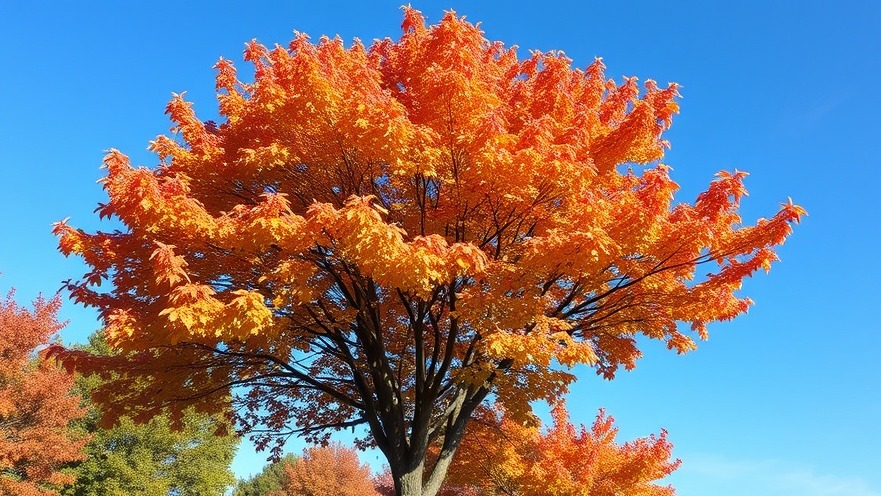
Rising Temperatures, Risky Trees: Shocking Trends in Heat Stress on Trees
In recent years, the world has witnessed unprecedented heat waves that dramatically affect the health of trees. These high temperature events do more than just cause discomfort—they lead to extensive heat stress on trees , jeopardizing both local ecosystems and city landscapes. The stress in trees often begins subtly, presenting as minor changes in leaf color or shape, but can quickly escalate when drought and excessive heat persist.
Tree species, from native oaks to ornamental maples, are showing signs of severe stress in cities and backyards alike. Experts from Oregon State University Extension and other leading institutions are sounding the alarm: the economic and ecological impact of lost trees is rising. Not only do these trees purify air and provide shade, but they are also anchors of biodiversity in both urban and rural settings. Recognizing the warning signs of heat stress early helps preserve the value that healthy trees bring to our environments.
Why Heat Stress on Trees Is a Growing Concern Amid Global Heat Waves
Unprecedented frequency and intensity of heat waves affecting trees
Notable impacts of excessive heat on both native and ornamental tree species
Economic and ecological importance of understanding heat stress in trees
Defining Heat Stress on Trees: What Every Arborist Must Know
Heat stress on trees is a physiological response to temperatures beyond a tree’s normal tolerance. When conditions turn hot and dry , especially during a heat wave, trees can experience dramatic moisture loss and decreased growth. Understanding this specific form of stress in trees is crucial for anyone responsible for tree care. High temperatures act as a catalyst—speeding up water evaporation and risking the health of leaves, bark, and roots, often with irreversible consequences if left unchecked.
This problem doesn’t just strike exotic or ornamental species; native trees, too, feel the squeeze. Oregon State University and the OSU Extension service highlight that identifying the difference between heat stress, drought, and other environmental pressures can be the difference between effective intervention and continued decline. Mastering the basics, from recognizing subtle symptoms to understanding how different tree species respond, is an essential skill for every arborist and homeowner alike.
Understanding Heat Stress and Stress in Trees: Key Terminology
Before tackling solutions, it’s vital to unpack the language used by experts. Heat stress in trees refers to physiological strain caused specifically by raised temperatures, sometimes in combination with dry air and low soil moisture—a dangerous combination during extended periods of excessive heat. You’ll often hear “drought stress,” which primarily involves water scarcity even under moderate temperatures, versus “environmental stress” that may result from pollution or mechanical damage. Distinguishing these helps guide appropriate care—from choosing the right irrigation strategy to deciding when and how much to prune.
Recognizing these definitions ensures that your efforts directly address the cause of the problem, minimizing unnecessary interventions and maximizing recovery. Through education, often provided by expert extension services such as OSU Extension, you’ll become better equipped to safeguard your trees during periods of both high temperatures and erratic weather events.
The Difference Between Heat Stress and Other Tree Stresses
While heat stress originates from excessively high temperatures , drought stress has its roots in inadequate soil moisture, and other stresses—such as pest infestations or mechanical injury—operate via different mechanisms. The challenge arises during a hot summer when several stress factors can combine, leading to compounding effects on tree health. Knowing whether you’re dealing with purely heat stress or a blend of threats ensures that your intervention is effective and doesn’t inadvertently worsen the situation.
For example, heat stress often presents as leaf scorch and premature leaf drop, while drought stress induces stunted growth with brittle, dry twigs. Mechanical damage, on the other hand, reveals itself through localized wounds or dieback independent of weather. The bottom line: tailored solutions are only possible when we correctly identify which form of stress in trees is present, making expert advice from reputable extension catalogs like those from Oregon State University invaluable.
"Trees can lose more water in a single hot summer day than in an entire week of moderate conditions." — Oregon State Tree Extension Service
Spotting Symptoms of Heat Stress on Trees: Early Warnings
Catching the first signs of heat stress on trees can save your landscape from long-term damage. Visible symptoms emerge surprisingly fast, especially during a heat wave, but recognizing them is not always straightforward. Early intervention matters, as waiting too long can mean the difference between a quick recovery and slow decline. Monitoring your trees consistently in the summer months ensures rapid response to developing problems.
Among the most common symptoms of heat stress are changes in leaf appearance—wilting, rolled edges, or sudden browning. More advanced cases may involve premature leaf drop, dead branch tips, or overall thinning of the canopy. These visible cues are your first alert that the tree’s internal water reserves are running low and that immediate action is required. Identifying early signs not only preserves the tree’s health but also its beauty and the shade it provides in those relentless summer months.
Common Signs: From Wilting Leaves to Sudden Leaf Drop
Tree leaves are excellent indicators of stress. During a hot and dry spell, the first and most obvious symptom of heat stress is usually drooping or wilting foliage. As the stress advances, you’ll notice leaf edges turning brown—also called scorching—particularly on sunny exposures. If the excessive heat is prolonged, some tree species will drop leaves early, sacrificing some to preserve water for the rest. This natural defense mechanism, however, can leave the tree vulnerable if the heat wave persists or returns.
Unlike nutrient deficiencies or disease, heat stress on trees typically affects the leaves nearest to the outer surface area of the canopy first, where sunlight is most intense. In severe cases, leaves may completely curl up, become brittle, or detach even with a gentle breeze. Remaining vigilant during any high temperature or excessive heat event, especially in the hottest part of the day, will help you spot early warnings fast.
Heat Stress Symptoms in Different Tree Species
Recognizing heat stress is not a one-size-fits-all endeavor—different tree species have unique ways of signaling distress. For example, maples and birches may show pronounced leaf scorching, while oaks are more likely to display yellowing leaves and gradual thinning of outer branches. Evergreens like pines and spruces respond with yellow or brown needles, sometimes progressing from the top downward or from branch tips inward.
The OSU Extension Service has highlighted that certain tree species are more prone to visible symptoms during extreme heat and drought. Young trees, newly planted saplings, and shallow-rooted ornamentals often show signs of wilt and color change long before established or deep-rooted species. Understanding these species-level differences ensures you intervene in a way that matches the tree’s needs, preventing unnecessary pruning or watering mistakes.
Symptoms of Heat Stress vs. Excessive Heat Damage in Major Tree Species | ||
Tree Species |
Early Heat Stress Symptoms |
Excessive Heat Damage |
|---|---|---|
Maple |
Leaf scorch, wilting edges, temporary yellowing |
Severe browning, dead branches, defoliation |
Birch |
Drooping, early leaf drop, brown tips |
Mass leaf loss, thin canopy, sunburned trunk |
Pine |
Yellow needle tips, reduced growth |
Brown needles, extensive dieback |
Oak |
Yellowing, leaf edge curl, intermittent wilting |
Outer canopy death, persistent leaf drop |
The Science Behind Heat Stress on Trees: High Temperatures, Drought, and Heat Waves
The interaction between high temperatures , heat waves , and drought is central to understanding heat stress on trees . When temperatures spike during the summer months, tree leaves respond by closing their stomata (tiny openings used for breathing and water release) in an effort to conserve moisture. Unfortunately, this reduces the tree’s ability to cool itself and interferes with photosynthesis, leading to slowed or stunted growth. Persistent or repeated heat events only worsen this effect, leaving trees more vulnerable to disease and pest invasion.
During an extended heat wave, both soil moisture and atmospheric humidity drop, further restricting the tree’s ability to rehydrate. Research from Oregon State University and peer-reviewed extension catalogs shows that a combination of dry air, elevated surface area exposure, and a lack of deep root moisture are the primary drivers of stress in trees . The science is clear: to combat heat-related tree decline, urban and rural tree stewards must understand these powerful natural forces and adapt management practices accordingly.
How High Temperatures and Heat Waves Cause Stress in Trees
When temperatures consistently hover above 90°F (32°C), most tree species begin to experience physiological stress. This is made worse by heat waves —prolonged periods of extreme heat without relief. During these spells, tree leaves lose water faster than roots can replace it, creating a negative water balance within the plant. The result: rapid wilting, leaf scorch, and a sluggish ability to repair cellular damage.
Research from university extension programs, like the OSU Extension Catalog , has emphasized that trees continue to lose moisture at night during hot weather, further compounding stress. Trees can sometimes compensate through deep roots reaching cooler soil, but urban environments with compacted or shallow soils offer less reprieve. In some cases, high temperatures also disrupt nutrient flows within the trunk, slowing growth and reducing resistance to pests. These findings highlight why rigorous, science-based interventions are so critical for healthy landscapes during a hot summer .
Why Excessive Heat During Heat Waves Is Especially Dangerous
While a single day of excessive heat can cause minor, recoverable injury, heat waves —strings of consecutive scorching days—can be catastrophic. Trees need rest periods with cool nights or mild weather to recover moisture lost during the day. When a heat wave persists, no such recovery occurs, and the accumulated stress rapidly leads to visible damage and sometimes death, especially in vulnerable or shallow-rooted species.
Studies from Oregon State and other state university extensions indicate that the threat from extreme heat increases significantly during summer months when there’s low rainfall and persistent dry air . Compound this with the legacy of previous droughts—or poor watering—and you have a recipe for widespread tree decline. This is why timely intervention and adaptation, using the best practices available from extension services, are absolutely essential for protecting the integrity and beauty of your green spaces.
Tree Species Most Vulnerable to Heat Stress: An OSU Extension Perspective
Not all trees bear heat and drought with equal grace. According to extensive OSU Extension research, certain species suffer more during bouts of extreme heat. Shallow-rooted trees such as Japanese maple, redbud, and birch generally show earlier and more severe symptoms of heat stress . Similarly, newly planted or young trees—less than five years in the ground—lack the established root systems needed to access deeper, cooler soil layers. Vigilance is particularly important for these vulnerable types during every high temperature alert.
Choosing species that are more resilient to hot and dry summers is a cornerstone of future-proofing your landscape. Look for species that tolerate extended dry spells, have thicker leaves, or naturally occur in regions prone to heat waves . Extension catalogs often provide region-specific recommendations, allowing you to select options that match your local climate realities.
Which Tree Species Are Most Susceptible to Heat and Drought?
If you have birches, Japanese maples, or dogwoods in your yard, expect to see warning signs during a summer heat wave . These types have softer, thinner leaves that lose water rapidly. In contrast, oaks, elms, and pines generally fare better, but even these stalwarts can show decline if temperatures remain hot and dry for weeks. Decorative or non-native trees—chosen for aesthetics more than toughness—tend to fare worst during periods of excessive heat and low humidity.
The best defense is foreknowledge: review the recommendations based on research by both the OSU Extension and other leading state university extension programs to ensure you plant and care for species with proven drought and heat resistance. This targeted approach can safeguard your investment and preserve valuable shade and beauty even as climate patterns evolve.
Oregon State & OSU Extension Service Research: Regional Vulnerabilities
The Oregon State University Extension regularly publishes studies and field observations outlining how different regions and tree types respond to heat. These peer-reviewed findings show that densely populated urban areas—where concrete and asphalt raise ambient temperatures—see more rapid onset and greater severity of heat stress on trees . Trees bordering roads, sidewalks, or in compacted soils also encounter greater stress than those in shaded parks or rural groves.
This nuanced understanding, derived from decades of OSU Extension catalog entries and hands-on research, helps arborists and homeowners alike tailor interventions for both their region and species. Regional extension catalogs are therefore invaluable in developing effective, evidence-based management strategies against rising climatic threats.
How to Prevent and Alleviate Heat Stress on Trees
The best time to address heat stress on trees is before symptoms appear. Proactive care—including deep mulching, strategic irrigation, and seasonal adjustments—greatly reduces a tree’s vulnerability during heat wave events. Following guidelines from reputable sources like the OSU Extension Service can make a world of difference for your trees’ survival and health. Prevention also helps with newly planted and mature trees alike, ensuring landscape longevity amid unpredictable summer months .
Proper planning, appropriate mulching, and reactive measures kept at the ready are crucial in today’s climate. By making a habit of checking for warning signs and adjusting care practices promptly, you become a tree’s best guardian—and can help neighbors and community green spaces endure, too.
Mulching and Irrigation: The Front Line Against Excessive Heat
Mulching is your first line of defense against excessive heat . Applying 2-4 inches of organic mulch (such as wood chips or leaf litter) around the base of trees helps retain soil moisture, regulates soil temperature, and reduces surface evaporation. This creates a more stable environment for roots even when daytime highs soar.
Irrigation should be deep and infrequent, rather than daily shallow watering. Deep watering encourages robust root growth and better drought resilience. During heat waves , avoid overhead watering at mid-day, as much of it will evaporate before it reaches a tree’s roots. Instead, water in the early morning or evening to maximize absorption. The OSU Extension Catalog recommends setting up soaker hoses or drip irrigation systems, which deliver water more efficiently with less loss to evaporation.
Best Practices from the Extension Service: Tree Guardian Tactics
Deep, infrequent watering techniques
Proper timing for irrigation
Benefits of organic mulch
Pruning strategies for stressed trees
Shade solutions during extreme heat
Use organic mulch to keep soil cool and retain moisture, but leave a gap around the trunk to reduce the risk of rot. When irrigating, apply water slowly to soak the full root zone—generally twice weekly for young trees and weekly for established ones during prolonged dry air and high temperature spells.
Light pruning after heat stress can help by removing dead or severely damaged branches, improving airflow, and enhancing sunlight penetration for remaining healthy foliage. During extreme heat events, use temporary shade cloth or create artificial shade for young and vulnerable trees. According to the OSU Extension, these combined strategies can reduce heat-stress-related tree mortality by up to 60%—a lifesaving margin during record-breaking heat events.
"Proactive care can reduce heat stress mortality in trees by up to 60%." — OSU Extension
How to Revive Trees After Heat Stress or Excessive Heat Exposure
Immediate intervention is key when trees have suffered from a heat wave or excessive heat. The recovery window is short; the sooner you address the symptoms of heat stress , the better. Begin by inspecting for persistent symptoms—wilting, dead branch tips, or severe leaf scorch. If you notice these signs, act fast to prevent lasting damage to the main structure or root system.
Recovery doesn’t end with a single deep watering; instead, it is an ongoing process involving seasonal adjustments and close monitoring. Changes to care routines, continual mulching, and soliciting expert help when needed will give your trees the best chance for a full rebound.
First Aid for Trees Suffering from Heat Stress
As soon as heat stress is evident, initiate first aid with deep, thorough watering throughout the root zone. Avoid fertilizing or heavy pruning during this phase, as trees in distress may not handle the added shock. Instead, keep the root area cool and moist—mulching further helps—while carefully monitoring for new growth or persistent symptoms.
Shading young or particularly affected trees can prevent additional sunburn and speed up recovery. If symptoms worsen after intervention, consult your local extension service or a certified arborist, who may suggest more targeted approaches based on species and site conditions.
Long-Term Recovery Plans for Trees Affected by Multiple Heat Waves
For trees repeatedly hit by heat waves , ongoing care is critical. Increase mulching and adjust watering schedules seasonally—watering more during dry spells and cutting back during rainy periods. Prune dead or weakened branches only after recovery is underway, and periodically inspect for pests or disease, as stressed trees are more vulnerable.
Document persistent symptoms and track your intervention steps, so you can tweak your care year after year. Engaging with experts at your local extension service or referencing the OSU Extension Catalog will help you build a site-specific recovery plan tailored to changing climatic pressures.
Identifying persistent symptoms of heat stress in trees
Adjusting care routines seasonally
Engaging with local extension service experts
Role of Extension Services, OSU Extension, and Oregon State University in Combatting Heat Stress on Trees
Extension services play a vital role in education, research, and community outreach centered on heat stress on trees . The Oregon State University Extension provides science-based, peer-reviewed resources specifically tailored for property owners, landscape professionals, and city planners. They offer guidance not just for emergencies, but for building resilient urban and rural forests in the face of changing climates.
Educational programs and outreach offered by the OSU Extension equip communities to quickly identify symptoms of heat and drought, adapt preventive care practices, and stay informed on the latest research. This network of experts provides invaluable real-time support, especially during prolonged heat waves or when unusual, region-specific symptoms arise.
Educational Resources for Managing Heat Stress
Online guides, downloadable extension catalogs, and interactive workshops are among the resources provided by the OSU Extension Service and other university extension services. These tools cover everything from diagnosing early symptoms to step-by-step intervention strategies. By making this information easy to access and understand, state university extensions help elevate the knowledge of homeowners, arborists, and city crews alike.
When to Contact Your Local Extension Service for Help
If you notice persistent or unusual symptoms of heat stress —such as wilting unresponsive to watering or widespread canopy dieback—it’s time to ask for expert help. Local extension services specialize in the specific challenges of your region, from common tree species to soil conditions and microclimates. Contact them during ongoing heat waves or anytime intervention seems to fall short, and they’ll provide up-to-date, science-backed solutions.
Pro tip: Keep the number and website of your local extension office handy, especially heading into hot summer months or when installing new trees, so you’re never more than a phone call away from expert guidance.
People Also Ask: Can a Tree Recover from Heat Stress?
Yes, with timely intervention and proper care, many trees can recover from heat stress. Immediate action such as deep watering, mulching, and providing shade can restore tree vitality. However, chronic or repeated exposure to heat waves may cause lasting damage and reduce recovery prospects.
People Also Ask: How Hot Is Too Hot for Trees?
Most tree species begin to experience stress when temperatures exceed 32°C (90°F), but damage escalates with prolonged periods above 38°C (100°F). Factors such as humidity, soil moisture, and species resilience influence exact thresholds.
People Also Ask: What Does Heat Stress Look Like on a Tree?
Heat stress on trees manifests as wilting, leaf scorch, premature dropping of leaves, browning edges, and inhibited growth. Severe cases may see canopy thinning or dead branches.
People Also Ask: Can a Plant Recover from Heat Stress?
Many plants, including trees, can recover from heat stress if addressed early. Recovery strategies include improved irrigation, shading, and adjustment of nutrients. Persistent symptoms should be evaluated by an arborist or extension service.
Essential Tips for Managing Heat Stress on Trees During Every Heat Wave
Monitor for symptoms of heat stress in trees regularly in hot summers
Utilize OSU Extension and other regional resources
Apply targeted mulching and watering
Choose tree species suitable for local high temperature extremes
FAQ: Heat Stress on Trees, Excessive Heat, and Heat Waves
How quickly does heat stress affect a tree? Symptoms of heat stress may appear within 24-48 hours during a heat wave, especially in young or newly transplanted trees. Fast intervention is crucial to prevent lasting damage.
Can ornamental trees withstand excessive heat? While some ornamental trees are bred for resilience, many are susceptible to leaf scorch, wilting, and premature drop during excessive heat. Proper mulching and watering boost their chances of survival.
What resources can the extension service offer for tree care during heat waves? Extension services provide detailed care guidelines, emergency intervention checklists, and region-specific recommendations to manage and mitigate heat stress on trees throughout the season.
Strengthen Your Greenery: Protect Trees from Heat Stress Now
Grow your landscaping expertise—call 203-271-7991 or visit TreeGuardianNews.com to subscribe.
Start monitoring your trees today—act swiftly, follow best practices, and leverage expert advice to ensure a lush, resilient landscape regardless of how fiercely the heat waves roll in.
To deepen your understanding of heat stress on trees and explore effective mitigation strategies, consider the following resources:
“Helping Your Trees Beat the Heat” by the Arbor Day Foundation offers insights into recognizing heat stress symptoms and practical steps to protect trees during extreme temperatures. ( arborday.org )
“Heat Stress in Urban Trees” from Penn State Extension provides a comprehensive analysis of how urban environments exacerbate heat stress in trees and outlines preventive measures to mitigate these effects. ( extension.psu.edu )
These resources offer valuable information to help you safeguard your trees against the challenges posed by rising temperatures.





Write A Comment