





Tree Guardian News
Tree Guardian News
  • Home
  • Categories
    • Storm Damage & Prevention
    • Tree Care Tips & Landscaping
    • Tree Disease Identification & Treatment
    • Insurance Intel
    • DIY Tree Care & Safety
    • Sustainable Tree Care & Eco Solutions
    • Professional Tree Services
    • Arborist Stories
    • Latest News
    • Industry Insights
Join the Arborist Forum 
July 05.2025
1 Minute Read

Summer Tree Disease Prevention: Protect Your Trees Today

Did you know that up to 30% of all urban trees in the U.S. show signs of disease every summer? The hot summer months are peak season for some of the most damaging tree diseases , threatening your landscape’s beauty, shade, and value. If you want healthy trees in your yard or neighborhood, understanding how to prevent, spot, and treat these issues is critical. In this article, we’ll equip you with expert-backed, actionable strategies to safeguard your trees all summer long—ensuring they continue to thrive season after season.

Why Summer Tree Disease Prevention is Crucial: Startling Facts and Risks in the Summer Months

Summer might be synonymous with growth and abundance, but for trees and shrubs, it’s also the most dangerous time for disease outbreaks. The combination of rising temperatures, elevated humidity, drought stress, and increased presence of common pests creates a perfect storm for the spread of pathogens. For example, studies show that leaf spot and powdery mildew become pervasive during humid, hot summer months, often going unnoticed until significant damage has occurred.

Without proactive summer tree disease prevention , small infections can quickly escalate. Diseases like anthracnose and bacterial blight thrive in environments where air circulation is reduced—a common scenario as canopies fill out during the growing season. Ignoring early signs can lead to premature leaf drop , dwindling canopy density, and, in extreme cases, the loss of mature trees that have taken years to establish. That’s why summer months demand vigilant monitoring and the implementation of targeted prevention strategies.

Protecting your landscape means more than investing in curb appeal; it’s about preserving shade, controlling energy costs, and maintaining the ecological health of your neighborhood. The stakes are high—making informed, seasonally-tailored tree care a non-negotiable priority for every homeowner and urban land steward.
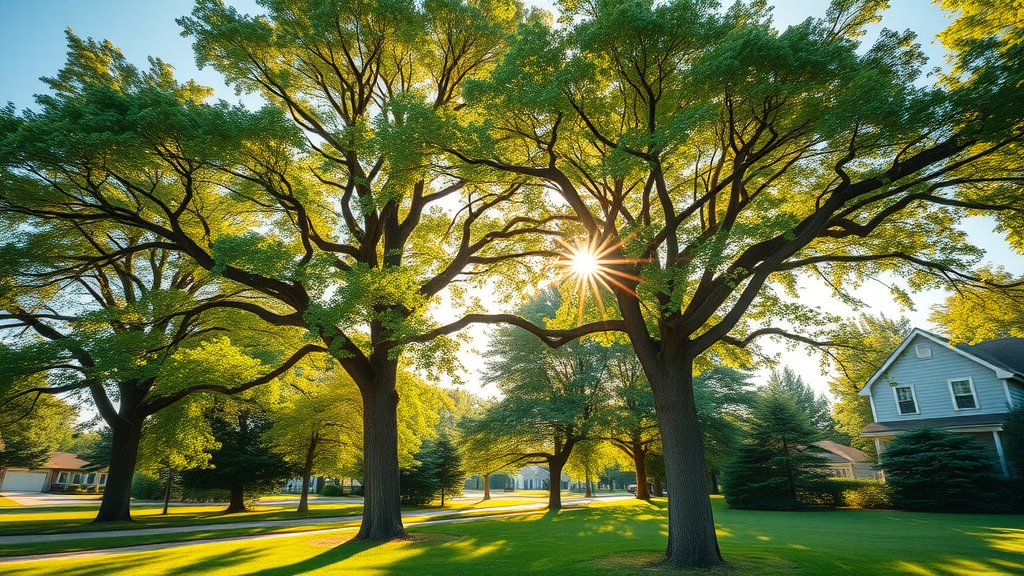
Vibrant healthy summer trees with robust canopies under clear sky, representing summer tree disease prevention

How Summer Tree Disease Prevention Works: Core Principles for Healthy Trees

Effective summer tree disease prevention is rooted in a combination of early detection, routine maintenance, and adopting proactive tree care practices. The moment you spot an issue—such as spots on leaves or subtle wilting—your intervention can halt disease progression and preserve your trees’ health. Consistency is key, as the rapidly changing conditions of summer mean that small problems can spiral quickly.

Core principles include monitoring trees and shrubs for early symptoms, adjusting care routines according to weather and soil moisture, and maintaining an environment that supports root growth and overall tree vigor. This encompasses everything from ensuring proper watering to selecting organic or chemical treatments when indicated. The ultimate goal is to create a landscape where pathogens find it hard to gain a foothold, allowing your trees to focus on healthy, uninterrupted growth.

  • Early identification of disease symptoms
  • Seasonal maintenance tailored to summer’s demands
  • Proactive tree care practices that include regular inspection, organic mulch, and proper watering

Understanding Tree Diseases That Thrive in Summer

Identifying Common Summer Tree Diseases

When summer temperatures soar, so does the incidence of certain tree diseases . The most common summer problems include powdery mildew , which appears as a white, powdery coating on leaves; leaf spot , manifesting as dark or discolored spots on foliage; anthracnose , which causes irregular blotches and premature leaf drop; and bacterial blight , resulting in wilting and blackened twigs.

Each disease targets different species of trees and shrubs , but most share rapid transmission via water, wind, or even pets. Early detection is paramount, as visual symptoms—like sudden dead branches or unusual shedding—can indicate advanced infection. Homeowners who familiarize themselves with these diseases’ signature symptoms are empowered to respond quickly and avoid costly interventions later in the season.

  • Powdery mildew : Appears as gray or white powder on leaves; affects maples, oaks, and dogwoods.
  • Leaf spot : Presents as dark, circular spots; targets sycamores, elms, and birches.
  • Anthracnose : Causes irregular, sunken spots and dead branches in ash and maple.
  • Bacterial blight : Identified by wilting leaves and black streaks on younger shoots.
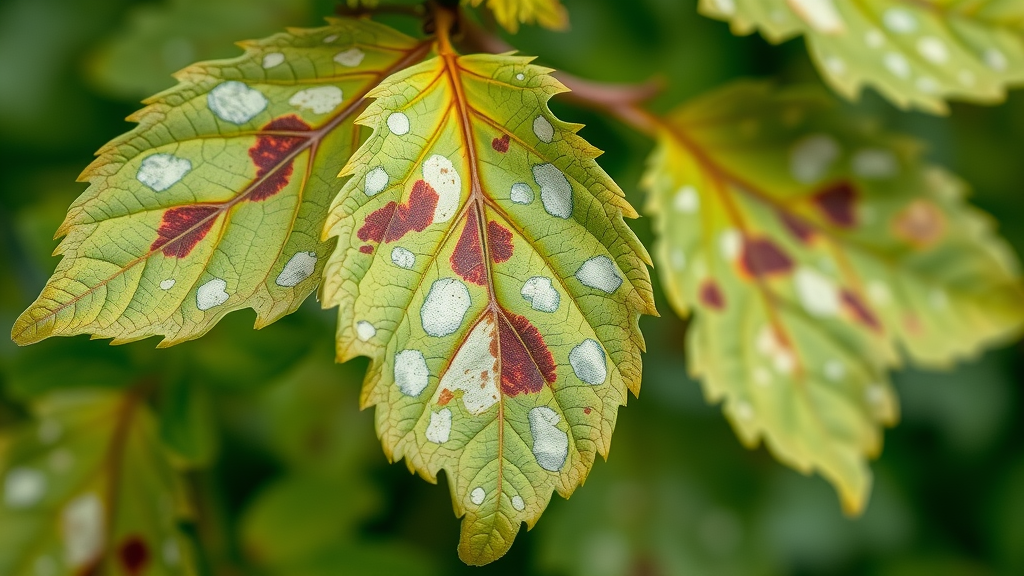
Close-up of diseased tree leaves showing powdery mildew and spots, illustrating summer tree diseases

The Role of Weather and Environment in Disease Outbreaks

Weather conditions during the summer months play a decisive role in the spread and severity of tree diseases . High humidity, nighttime dew, and infrequent rains create a microclimate favorable for fungal pathogens. Conversely, periods of drought stress trees by compromising root health, making them more vulnerable to secondary infections and pest infestations .

Urban and suburban landscapes often intensify these risks due to heat islands, compacted soil quality , and proximity of different plant species. Limited air circulation in dense neighborhoods further accelerates the spread of disease. To combat these factors, it’s crucial to tailor your summer tree care —supplementing irrigation during dry spells, and increasing inspections after rainy periods.

  • Humidity and nighttime dew encourage the growth and spread of fungal diseases
  • Drought stress weakens trees and shrubs, predisposing them to infections
  • Poor air circulation in crowded yards sustains moisture, favoring disease development

Recognizing Signs of Tree Disease in the Summer Months

Visual Symptoms in Leaves and Branches

Detecting tree disease early enough to intervene requires a keen eye for detail. Some of the most telling indicators on leaves and branches are discoloration—ranging from pale yellow to deep brown or black spots—and wilting. Other symptoms signaling disease include dead or dying branches, which may feel brittle or snap easily, and clusters of wilted leaves that don’t recover after watering. You might even see fungal growth, such as powdery mildew , as a fine dust-like coating on foliage.

Beyond leaf changes, careful observation might reveal darkened, sunken areas on the bark, or premature leaf drop —both signs that disease has extended into the vascular system. Acting swiftly when these symptoms arise prevents the spread to neighboring trees and shrubs and preserves the integrity of your entire landscape.

  • Discoloration : Monitor yellowing, browning, or spotted foliage
  • Wilting : Look for limp leaves or stems—even after rainfall
  • Dead branches : Remove at first signs to stop further infection
  • Unusual spots : Check for differences in color, texture, or growths
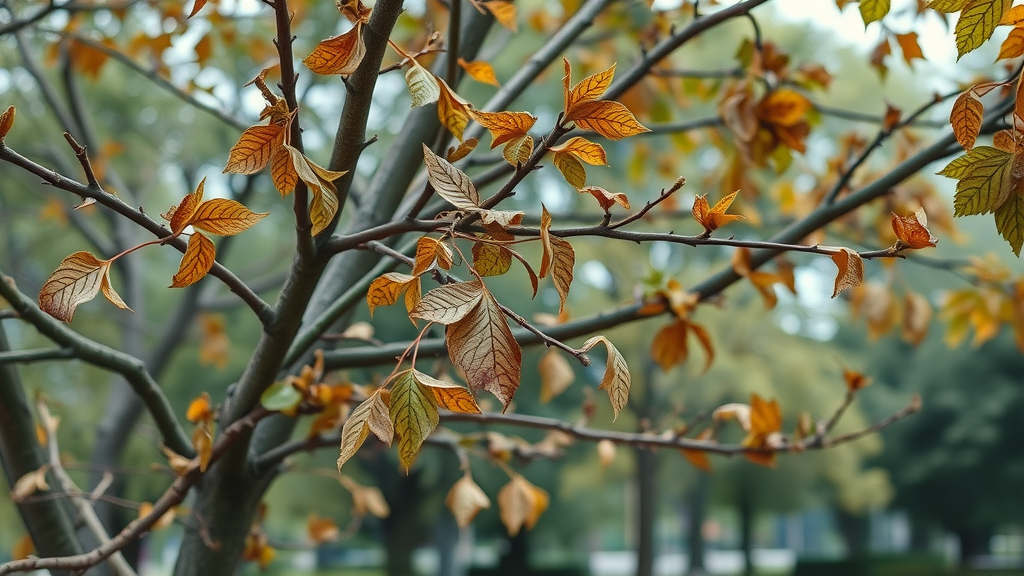
Discolored branches and leaves, signs of tree disease in summer months, healthy and diseased trees visible in city park

Assessing Overall Health of Trees and Shrubs

While leaf and branch changes are the most visible, assessing the full health of your trees and shrubs in the summer months includes several additional checkpoints. Changes in canopy density —such as thinning foliage—are early warnings of stress or infection. A sudden or premature leaf drop (well before fall) is another sign that a tree may be under attack from pathogens or dealing with drought stress. Testing soil moisture at the base of the tree offers clues about water availability and adequacy of your current irrigation routine.

Healthy root systems are critical for absorbing water and nutrients. Compromised roots, reflected by slow root growth or visible mold/fungus at the soil surface, impede a tree’s ability to fight disease and bounce back from hot summer stress. To thoroughly evaluate a plant’s vitality, observe not only leaves and branches but also performance after deep watering and the general appearance of surrounding soil and mulch.

  • Canopy density : Look for thin patches or uneven leaf growth
  • Premature leaf drop : Trees losing leaves early may be showing stress
  • Soil moisture : Use a moisture meter or dig down a few inches to check dampness
  • Root health : Check for exposed, injured, or rotting roots at the soil surface

Summer Tree Disease Prevention Best Practices for Healthy Trees

Tree Care Fundamentals: Proper Summer Maintenance

Foundational tree care routines set the stage for resistance against tree diseases in the summer. Inspect your trees and shrubs weekly, checking both upper canopies and lower branches for early warning signs. Strategic mulching with organic matter —like chopped leaves, wood chips, or bark—around the base of the tree helps retain soil moisture, encourage healthy root growth , and suppress disease-carrying weeds.

Promote healthy trees by maintaining a consistent watering schedule, especially during dry spells, and by clearing any debris or fallen leaves that could harbor pathogens. Adjust feeding regimens to strengthen plants against stress and prune densely-packed branches to boost air circulation—both critical for disease prevention. These simple summer tree care fundamentals can make the difference between thriving landscaping and chronic tree health issues.

  • Regular inspections : Identify problems early for rapid intervention
  • Mulching with organic matter : Use 2–4 inches of organic mulch, keeping it away from the trunk to avoid rot
  • Healthy trees : Balanced fertilization and avoiding mechanical injuries
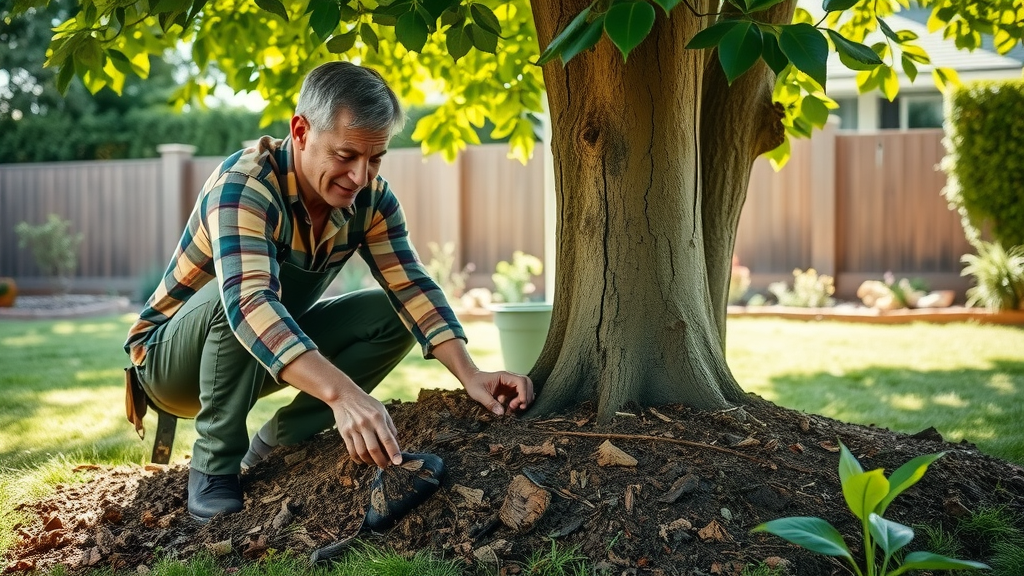
Applying organic mulch around base of a healthy summer tree for disease prevention

Deep Watering and Managing Soil Moisture

One of the most crucial aspects of summer tree disease prevention is deep watering . Unlike superficial or irregular watering, deep watering encourages root growth deeper into the soil—giving your trees and shrubs increased resilience during hot, dry spells. For best results, water early in the day using a soaker hose or drip irrigation system, allowing moisture to penetrate at least 6–12 inches below the surface. This promotes steady, even access to water and minimizes the risk of drought stress .

Monitor soil moisture closely, adjusting frequency and duration based on recent rainfall and current conditions. For most mature trees, applying 1 inch of water per week is a good baseline—though periods of intense heat may require more. Avoid overwatering, as constantly saturated soil can promote root rot and exacerbate the risk of fungal tree diseases . Proper watering not only sustains overall vitality but helps fend off opportunistic pathogens that strike weakened plants.

  • Deep watering : Water at the base, saturating the root zone rather than foliage
  • Proper watering schedule : 1 inch per week (adjust as needed for hot summer periods)
  • Monitor soil moisture : Use meters or manual checks for guidance

Pruning and Removing Dead Branches

Pruning is not just about aesthetics—it’s a powerful tool for summer tree disease prevention . Removing dead branches , infected limbs, and crossing stems eliminates reservoirs where pathogens and pests reside, reduces overall disease pressure, and improves air circulation throughout the tree canopy. Prune during dry weather to minimize the spread of spores and always use clean, sanitized tools to avoid cross-contamination.

When targeting diseased or dead branches, make cuts just outside the branch collar using sharp bypass pruners or a saw for larger limbs. Dispose of infected debris far from healthy landscaping. For safety and best results, consider consulting a certified arborist—especially when dealing with high branches or extensive pruning. These targeted strategies give your trees the best chance to heal, redirect energy to new growth, and resist further disease intrusion.

  • Prune during dry spells to reduce infection risk
  • Use clean, sharp tools and sanitize between cuts
  • Dispose of debris properly to prevent reinfection
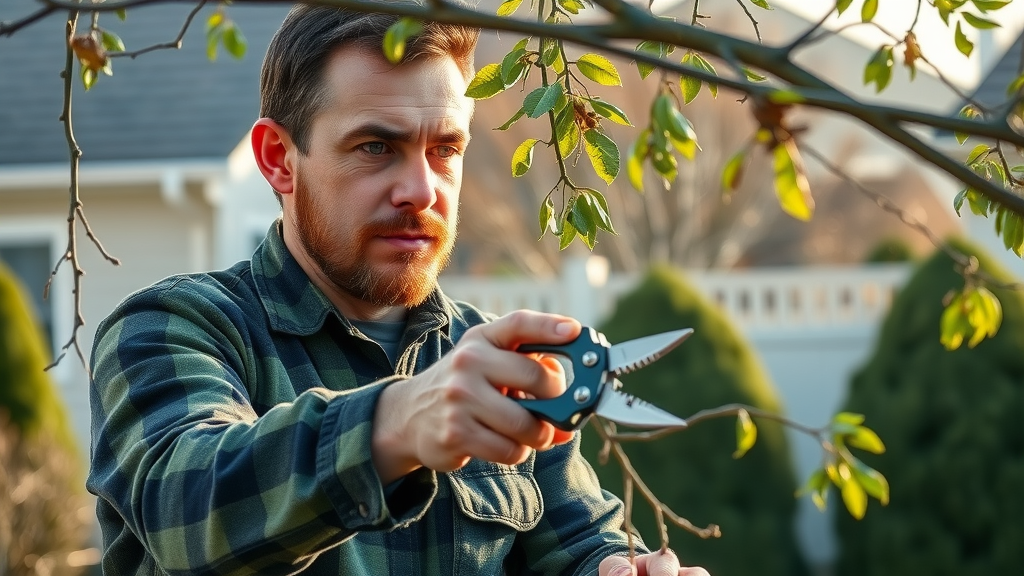
Professional arborist pruning diseased tree branches using clean shears for summer tree care

Organic and Chemical Treatments in Summer Tree Disease Prevention

Choosing the right treatment for tree diseases often depends on disease severity, the specific pathogen, and environmental safety. Organic matter like compost teas and neem oil solutions can suppress fungal infections and improve soil health without synthetics. These organic treatments are ideal for minor issues, or as preventive applications throughout summer months.

For severe, spreading infections, targeted chemical treatment may be warranted—such as fungicidal sprays for leaf spot or bactericide for bacterial blight. Always follow label instructions and avoid applications during peak sun or windy days to reduce harm to beneficial insects and the surrounding ecosystem. When in doubt, consult a local extension office or certified arborist before applying commercial chemical treatments. Integrated approaches combining organic and chemical solutions often yield the best long-term outcomes for healthy trees .

  • Organic matter : Use for ongoing prevention and minor problems
  • Chemical treatment : Reserve for aggressive, confirmed infections
  • Always consult professionals for diagnosis and treatment plans
  • A visual tutorial demonstrating inspection techniques, proper mulching, deep watering methods, recognizing symptoms of powdery mildew and leaf spot , and safe ways to prune dead branches.

Case Study Table: Comparing Disease Severity Before and After Summer Tree Disease Prevention Measures

Tree Type Disease Before Prevention Prevention Method Result After Prevention
Sycamore Severe leaf spot , premature leaf drop Deep watering, organic mulch, fungicide application Full canopy recovery, no visible spots after 8 weeks
Maple Powdery mildew, thinning foliage Increased air circulation , weekly inspections, neem oil spray Restored leaf density, powdery mildew eradicated
Cherry Bacterial blight, wilting twigs Pruning dead branches, soil health boost, targeted bactericide Healthy regrowth, dropped leaves replaced by new shoots

Voices of Expertise: Quotes from Arborists on Summer Tree Care

‘Proactive care during the summer months saves thousands of trees each year from irreversible diseases.’ — Certified Arborist

Checklist: Quick Reference for Summer Tree Disease Prevention

  • Inspect trees and shrubs weekly
  • Prune dead branches and infected areas
  • Apply mulch with organic matter
  • Monitor and adjust soil moisture
  • Consider targeted chemical treatments
  • Keep records of tree health each summer

How to Save a Diseased Tree?

Answer: Steps to Nurse a Tree Back to Health After Disease Diagnosis

When a tree is diagnosed with disease during the summer months , immediate action is key. First, isolate the affected tree by limiting contact and avoiding transfer of tools or mulch to other plants. Remove and dispose of all visibly diseased leaves, twigs, or branches—especially those showing significant discoloration or wilting. Adjust your irrigation to support deep watering while avoiding overmoistening, using soaker hoses for targeted hydration at the base of the tree .

Consult with a certified arborist for an official diagnosis and treatment recommendations, which may include organic remedies or chemical treatments depending on the pathogen. Assess and improve soil quality with compost or amendments and continue close observation for new symptoms. Early, aggressive steps will maximize your chances of restoring healthy trees and preventing similar issues in your landscape.

  • Immediate isolation and sanitation
  • Strategic removal of diseased areas
  • Adjust and monitor irrigation
  • Consult experts for advanced disease management
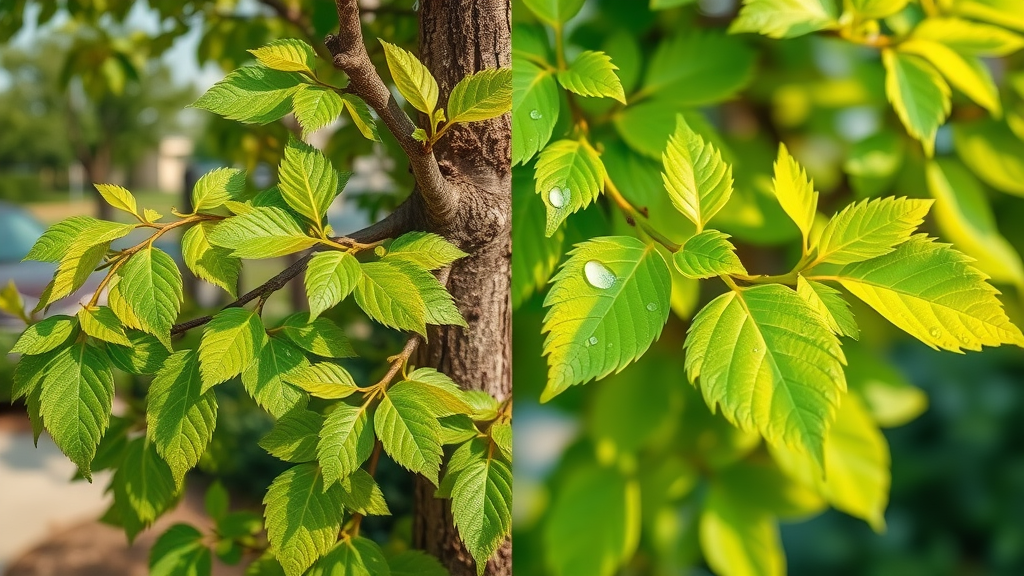
Hopeful restoration of previously diseased tree showing healthy new leaves after summer disease prevention

How to Prevent Trees from Getting Disease?

Answer: Preventative Strategies for Summer Tree Disease Prevention

Routine tree care is your best defense against tree diseases in the summer months . Begin each season with a comprehensive inspection, looking for existing damage, pest populations, or abnormal leaf growth. Encourage healthy trees by using organic mulch and enriching soil around the root zone with compost. Make sure to space trees and shrubs correctly to promote air flow—which helps deter many fungal pathogens—and avoid overcrowding that can trap moisture and heat.

Schedule regular assessments with a professional arborist, especially if you notice recurring patterns of enemy pests and disease . Implement targeted fertilization based on soil quality testing, and maintain a thorough health log with photos and notes to track changes throughout the growing season. Consistent, informed efforts ensure your landscape stays resilient and elegant year after year.

  • Conduct routine inspection and documentation
  • Promote soil health with organic matter applications
  • Space trees and shrubs to maximize air circulation
  • Arrange for professional assessment each summer

How to Nurse a Tree Back to Health?

Answer: Restorative Methods for Trees and Shrubs Affected by Summer Diseases

If your tree is showing the aftermath of summer diseases , focus on restorative practices tailored for recovery. Use deep watering to minimize root shock and improve nutrient uptake, especially after pruning dead branches or removing infected wood. Apply supplemental organic matter such as compost or manure to bolster soil fertility and stimulate new root and canopy growth.

Keep disease pressure at bay by continuing with summer tree disease prevention techniques—regular checkups, careful mulching, and vigilance against re-infection. Recovery is often gradual; expect healthy trees to re-establish leaf density and branch structure over several weeks. Patient, consistent care post-diagnosis is your best ally in bringing valued landscape specimens back to full vitality.

  • Implement deep watering immediately
  • Prune away all dead or damaged tissue
  • Add organic supplements to the soil
  • Follow up with ongoing anti-disease maintenance

Can Trees Recover from Heat Stress?

Answer: Managing Drought Stress and Recovery for Trees and Shrubs

After a spell of intense heat or drought, trees may exhibit wilting, leaf scorch , or even early leaf drop . Fortunately, recovery is possible with attentive care. The first step is thorough deep watering using a soaker hose or slow drip, allowing the moisture to reach deep into the root zone—this relieves drought stress and helps restore turgor to wilted leaves.

In addition, cut back on competing stressors: avoid excessive fertilization, abrupt pruning, or foot traffic around roots during the recovery period. Monitor the soil regularly for adequate moisture, and increase air circulation by clearing weeds or low-hanging branches. With diligence, trees and shrubs can regain their resilience and begin new growth—minimizing long-term effects from tough summer weather.

  • Identify wilting, browning, or scorched leaves early
  • Begin deep, even hydration immediately
  • Reduce additional stress and avoid crowding

FAQs: Summer Tree Disease Prevention

  • What are the first signs of tree disease in summer months? The initial symptoms often include discolored or spotted leaves, wilting, sudden leaf drop , and small patches of dead branches. Early detection and response are critical to successful summer tree disease prevention .
  • Which tree diseases pose the biggest risk to urban trees and shrubs? Common culprits include powdery mildew , leaf spot , anthracnose , and bacterial blight. Urban heat islands and poor air circulation increase the prevalence and severity of these diseases during the summer months.
  • How often should trees be watered during the summer? Most mature trees and shrubs require deep watering once or twice per week, delivering about one inch of water at each session. Monitor soil moisture and adjust based on rainfall, humidity, and temperature.
  • Is professional tree care necessary for summer tree disease prevention? While many prevention steps are DIY-friendly, a certified arborist is invaluable for diagnosis, advanced treatments, or when managing higher-value trees. Annual assessments pre- and post-summer are recommended for best outcomes.
  • This quick guide covers frequent errors, such as overwatering, improper pruning timing, use of contaminated tools, neglecting air circulation, and failing to spot early disease warning signs. Avoid these pitfalls to maximize your trees’ summer health!

Summary and Next Steps for Ongoing Summer Tree Disease Prevention

  • Regular tree care in the summer months prevents costly damage.
  • Early identification and intervention are vital.
  • Contact certified arborists for advanced tree disease issues.

Ready to Become a Summer Tree Health Expert?

  • Grow your landscaping expertise—call 203-271-7991 or visit TreeGuardianNews.com to subscribe.

To enhance your understanding of summer tree disease prevention, consider exploring the following resources:

  • “How to Identify and Treat Common Summer Tree Diseases” : This article provides detailed information on recognizing and managing prevalent summer tree diseases, including powdery mildew and anthracnose. It offers practical treatment options and preventive measures to maintain tree health during the warmer months. ( brockleytree.com )

  • “6 Tips to Protect Your Tulsa Trees from Insects and Disease This Summer” : This guide outlines proactive strategies to safeguard trees from pests and diseases, emphasizing the importance of planting diverse species, reducing tree stress, and encouraging beneficial insects. It also highlights the significance of regular inspections and professional consultations for effective tree care. ( arbormasters.com )

By delving into these resources, you’ll gain valuable insights and practical tips to effectively prevent and manage tree diseases during the summer season.

Tree Disease Identification & Treatment

638 Views

Write A Comment

*
*
Please complete the captcha to submit your comment.
Related Posts All Posts
07.10.2026

Why Cutting Federal Science Funding Threatens Our Environment

Update Why Funding for Science MattersScience funding is like watering a plant—it helps it grow! When the government gives money to scientific projects, it helps scientists discover new things, just like how trees need water to grow big and strong. Without enough funds, important studies could slow down or even stop. For example, when scientists study trees and pests that affect them, they find better ways to keep our forests healthy. This kind of research can lead to innovative solutions, such as developing pest-resistant tree varieties or understanding the best practices for forest management.Historical Context: A Growing ConcernIn the past, government support for science was stronger. However, recent budget cuts have left many scientists worried about their upcoming projects. Many students enter science because they want to learn and discover, and losing funding can mean fewer chances for young scientists to pursue their dreams. The decline in financial support has also been linked to fewer research opportunities at universities, which can impact the next generation of scientists and researchers, leading to a gap in innovation and discovery.The Link to Our EcosystemWhen science funding gets cut, it doesn’t just impact researchers; it also affects our environment. For instance, studies that focus on how climate change influences trees are crucial. We need to know how to protect our ecosystems! Those findings help our communities understand how to care for local forests and what actions we need to take. Healthy forests contribute to biodiversity, provide homes for countless species, and play an essential role in the carbon cycle, which is vital for combatting climate change. If we fail to fund scientific research effectively, we may not have the tools needed to address these pressing environmental issues.Future Insights: What Can Happen?If the trend of cutting science funding continues, we might see fewer environmental protections. Less funding could lead to delays in research on diseases affecting trees and how to combat pests, which could ultimately harm our forests. A weakened scientific foundation means that we will have less knowledge about how to manage our natural resources sustainably. By investing in science now, we can ensure our environment has a brighter future. For example, researchers can work on creating new technologies to monitor forest health faster and more efficiently, ensuring that we can respond to issues as they arise.Engaging the CommunityWe all play a role in science funding. Talking to friends about why science is important, participating in local discussions, and getting involved with community science projects are just some ways to advocate for funding in our neighborhoods. Schools and community centers can be great places to host science fairs or talks that educate people about local trees and forest care. Remember, the health of our trees today affects the air we breathe and the planet we live on!Ways to Advocate for Science FundingIn addition to personal conversations, communities can also engage with local representatives to express the importance of science funding. Writing letters, organizing petitions, or simply attending town hall meetings can amplify the message. Reaching out to local environmental groups or educational organizations can also help in raising awareness. Together, we can create a collective voice that calls for greater investment in scientific research and education.Furthermore, schools can initiate programs that educate children about the significance of forests and ecological research. By fostering an appreciation for nature from a young age, we can inspire future generations to champion science and its funding. When we understand our environment, we become more motivated to protect it.The Importance of Long-Term VisionUltimately, it's crucial for decision-makers to understand that investing in science is not just a budgetary choice; it is an investment in our future. Scientific research leads to technological advancements that can solve complex problems. For our trees and forests, this means healthier ecosystems and better strategies to manage and respond to threats. If funding diminishes, so does our capacity to innovate and adapt in an ever-changing world.In closing, the need for increased and stable funding for scientific research has never been more pressing. It is up to all of us, individuals and communities alike, to champion these vital efforts. A thriving scientific community ensures a thriving planet, and together we can create a more sustainable and well-informed future.

07.10.2026

Discover the Tree Risk Assessment of a Shumard Red Oak in Bedford, Texas

Update Assessing the Risks of a Shumard Red Oak In Bedford, Texas, a Shumard Red Oak has raised significant concerns due to its structural compromises. Arborist USA was called to conduct a thorough risk assessment of this mature tree, which exhibited severe internal decay and basal deterioration. Such assessments are crucial, as they help identify hazards before they can result in accidents or extensive damage. One important lesson to take from this case is that trees may appear healthy from a distance, but extensive issues can lurk beneath the bark and within the structural wood. The Shumard Red Oak in question, although still providing partial canopy, has suffered from significant internal decay, a failing compartmentalization defense, and an unstable lean towards high-value infrastructure—putting it in a high-risk scenario despite its beautiful appearance. Tree Risk Assessment: A Crucial Understanding According to the International Society of Arboriculture (ISA), a proper tree risk assessment should evaluate three primary factors: Likelihood of Failure Likelihood of Impact Consequences of Failure It is essential to recognize that even trees with significant defects may still present low risk if they are situated away from targets like homes or playgrounds. However, in this case, the Shumard Red Oak presents considerable danger to nearby structures and individuals due to its compromised health and unsafe positioning. The Majestic Shumard Red Oak The Shumard Red Oak (Quercus shumardii) is celebrated as one of North Texas's most valuable native shade trees. It thrives in appropriate conditions, offering rapid canopy development, robust shade production, wildlife habitats, and even stormwater interception. However, despite their advantages, trees like the Shumard Red Oak are not immune to structural decline. Decay organisms can invade their heartwood and sapwood, causing devastating impacts on their structural stability and safety. Decoding Compartmentalization: The CODIT Concept One critical concept in understanding tree defense against decay is the Compartmentalization Of Decay In Trees (CODIT). Developed by renowned arborist Dr. Alex Shigo, this model represents how trees attempt to protect themselves by forming barriers around infected areas. While trees cannot heal wounds like animals, they do isolate damaged wood using a system of four walls to contain decay. Unfortunately, in the case of the Bedford Shumard, evidence suggests that the first three walls of CODIT have failed, allowing decay to spread unchecked. The Consequences of Failing Defense Walls The collapse of Walls 1, 2, and 3 in this tree has led to severe internal issues, allowing decay to spread both vertically and laterally. As a result, the tree's structural integrity is greatly reduced, necessitating urgent remediation to prevent catastrophic failure. When the core wood becomes compromised, the load-bearing ability of the tree decreases dramatically, intensifying the risk of failure. Some Hope: The Condition of Wall 4 Interestingly, Wall 4 of the tree appears functional. While this section does not eliminate decay, it seeks to separate future growth from already compromised tissue. The presence of a functioning Wall 4 offers a glimmer of hope, but the ongoing degradation of the previous walls continues to pose a serious threat to the tree's overall stability. Potential Impacts of Extensive Basal Decay The situation is further exacerbated by extensive basal decay at the tree’s trunk base, crucial for supporting loads from wind, weight, and movement forces. Such deterioration makes the tree increasingly reliant on a decreasing amount of sound wood, ultimately increasing the likelihood of a serious failure that could impact surrounding structures and people. Effects of Sunscald Damage on Structural Health Sunscald damage is another vital factor contributing to the Shumard Red Oak's structural decline. Excessive solar heating followed by rapid temperature changes can harm bark tissue and accelerate deterioration. As this damage grows, the tree's ability to withstand stress is further compromised, increasing the potential for catastrophic failures. What You Can Take Away from This Assessment Understanding the complexities involved in tree care and risk assessment is crucial for tree owners. Recognizing when trees like the Shumard Red Oak are at risk allows for timely intervention and reduces the potential for accidents or damage. Takeaway: If you notice deformities, leaning, or other signs of decay in your trees, it might be time to consult a professional to evaluate the condition and preemptively address any potential hazards. Safeguarding not only your property but also your loved ones is of the essence when it comes to tree management.

07.10.2026

Protect Your Italian Cypress from Seiridium Canker: Essential Insights for Homeowners

Update Protect Your Italian Cypress from Seiridium Canker: Essential Insights for HomeownersItalian Cypress trees add elegance and beauty to landscapes, particularly in the Southlake area of Texas. These popular trees, known scientifically as Cupressus sempervirens, grace many estates with their tall, slender forms, making them ideal for privacy screens and architectural focal points. However, they face significant threats from a fungal disease known as Seiridium Canker, which can devastate entire rows of these magnificent trees.What Is Seiridium Canker?Seiridium Canker is caused by several species of fungi including Seiridium cardinale and Seiridium unicorne. It primarily targets trees already under stress, capitalizing on weakened conditions. While the presence of the fungus is alarming, often the root causes are below the surface. In many cases, homeowners may not realize that environmental stresses—such as poor drainage and root stress—initiate the onset of this disease.Why Are Italian Cypress Particularly Vulnerable?Italian Cypress thrive in well-drained soils with dry climates, but North Texas presents challenges unlike their native habitats. The region’s clay-heavy soils can create saturation, leading to root stress. Conditions such as prolonged rains or over-irrigation can drown roots, affecting their health and making them susceptible to Seiridium Canker. Consequently, if your trees are showing signs of decline, like browning canopies or sparse foliage, it’s critical to address the root issues quickly.The Importance of Proper DrainageDrainage is essential for the health of Italian Cypress. Without adequate drainage, roots suffer from a lack of oxygen, leading to a state called root-zone hypoxia. In this state, trees struggle to absorb nutrients and moisture effectively. They may appear weakened, and this creates an opening for diseases like Seiridium Canker. Homeowners can improve their tree's health by ensuring proper drainage and avoiding soil compaction.Recognizing the Signs of StressMany homeowners may overlook the signs of an unhealthy tree. Look for browning leaves, existing cankers on the bark, or infestations of spider mites, which can further weaken your tree. It's essential to act quickly. A combination of treatments can include pruning affected branches and assessing soil conditions to improve drainage. Remember, it’s not just about treating the fungus—addressing the underlying stressors is key to prevention.Common Misconceptions About Tree CareA popular misconception is that watering trees means they're healthy and will thrive regardless of weather conditions. During the wet season, additional irrigation can make matters worse. Homeowners should know that trees can suffer from too much moisture as much as too little, making careful management of irrigation crucial.Taking Action Against Seiridium CankerIf you notice signs of Seiridium Canker or other health issues with your Italian Cypress, consult with tree care professionals who understand local conditions and diseases. They can provide integrated treatments that focus not just on the visible symptoms but also on restoring overall tree vigor. Proper treatment and care can ensure that your Italian Cypress remains a prideful feature of your landscape.Your Role in Tree HealthBy staying informed and proactive about your trees’ health, you can protect your investment and the beauty of your property. Monitor your Italian Cypress regularly and remember the signs of stress and disease.Consult experts when necessary, and be prepared to act swiftly in facing issues like Seiridium Canker. There is no substitute for attentive care and early intervention. Your efforts ultimately will promote longevity and beauty in your landscape.

Green Space News

Homeowners & Businesses concerned about tree and landscape care, safety issues from storms, old or diseased trees, structural damage risks, and insurance implications.

Green Space News is a subsidiary of RP Design Web Services.

COMPANY

  • Privacy Policy
  • Terms of Use
  • Advertise
  • Contact Us
  • Menu 5
  • Menu 6

AVAILABLE FROM 8AM - 5PM

Cheshire,CT

POBox 1189

ABOUT US

Green Space News is your go-to media hub for cutting-edge strategies to maintain a safe and vibrant environment. We are committed to protecting your property and family by providing proactive tree hazard prevention and awareness. Our platform  empower communities to safeguard their surroundings and enjoy healthier, more resilient landscapes.

© 2026 RP Design Web Services All Rights Reserved. P.O. Box 1189, Cheshire, CT 06410 . Contact Us . Terms of Service . Privacy Policy

eyJjb21wYW55IjoiUlAgRGVzaWduIFdlYiBTZXJ2aWNlcyIsImFkZHJlc3MiOiJQLk8uIEJveCAxMTg5IiwiY2l0eSI6IkNoZXNoaXJlIiwic3RhdGUiOiJDVCIsInppcCI6IjA2NDEwIiwiZW1haWwiOiJyb2JlcnRAcnBkZXNpZ24uY29tIiwidG9zIjoiUEhBK1BITjBjbTl1Wno0OFpXMCtWMmhsYmlCNWIzVWdjMmxuYmkxcGJpQjNhWFJvSUhWekxDQjViM1VnWVhKbElHZHBkbWx1WnladVluTndPeUI1YjNWeUlIQmxjbTFwYzNOcGIyNGdZVzVrSUdOdmJuTmxiblFnZEc4Z2MyVnVaQ0I1YjNVZ1pXMWhhV3dnWVc1a0wyOXlJRk5OVXlCMFpYaDBJRzFsYzNOaFoyVnpMaUJDZVNCamFHVmphMmx1WnlCMGFHVWdWR1Z5YlhNZ1lXNWtJRU52Ym1ScGRHbHZibk1nWW05NElHRnVaQ0JpZVNCemFXZHVhVzVuSUdsdUlIbHZkU0JoZFhSdmJXRjBhV05oYkd4NUlHTnZibVpwY20wZ2RHaGhkQ0I1YjNVZ1lXTmpaWEIwSUdGc2JDQjBaWEp0Y3lCcGJpQjBhR2x6SUdGbmNtVmxiV1Z1ZEM0OEwyVnRQand2YzNSeWIyNW5Qand2Y0Q0S0NqeHdQanhoSUdoeVpXWTlJbWgwZEhBNkx5OTNkM2N1WjI5dloyeGxMbU52YlNJK2FIUjBjRG92TDNkM2R5NW5iMjluYkdVdVkyOXRQQzloUGp3dmNENEtDanh3UGladVluTndPend2Y0Q0S0NqeHdQanh6ZEhKdmJtYytVMFZTVmtsRFJUd3ZjM1J5YjI1blBqd3ZjRDRLQ2p4d1BsZGxJSEJ5YjNacFpHVWdZU0J6WlhKMmFXTmxJSFJvWVhRZ1kzVnljbVZ1ZEd4NUlHRnNiRzkzY3lCNWIzVWdkRzhnY21WalpXbDJaU0J5WlhGMVpYTjBjeUJtYjNJZ1ptVmxaR0poWTJzc0lHTnZiWEJoYm5rZ2FXNW1iM0p0WVhScGIyNHNJSEJ5YjIxdmRHbHZibUZzSUdsdVptOXliV0YwYVc5dUxDQmpiMjF3WVc1NUlHRnNaWEowY3l3Z1kyOTFjRzl1Y3l3Z1pHbHpZMjkxYm5SeklHRnVaQ0J2ZEdobGNpQnViM1JwWm1sallYUnBiMjV6SUhSdklIbHZkWElnWlcxaGFXd2dZV1JrY21WemN5QmhibVF2YjNJZ1kyVnNiSFZzWVhJZ2NHaHZibVVnYjNJZ1pHVjJhV05sTGlCWmIzVWdkVzVrWlhKemRHRnVaQ0JoYm1RZ1lXZHlaV1VnZEdoaGRDQjBhR1VnVTJWeWRtbGpaU0JwY3lCd2NtOTJhV1JsWkNBbWNYVnZkRHRCVXkxSlV5WnhkVzkwT3lCaGJtUWdkR2hoZENCM1pTQmhjM04xYldVZ2JtOGdjbVZ6Y0c5dWMybGlhV3hwZEhrZ1ptOXlJSFJvWlNCMGFXMWxiR2x1WlhOekxDQmtaV3hsZEdsdmJpd2diV2x6TFdSbGJHbDJaWEo1SUc5eUlHWmhhV3gxY21VZ2RHOGdjM1J2Y21VZ1lXNTVJSFZ6WlhJZ1kyOXRiWFZ1YVdOaGRHbHZibk1nYjNJZ2NHVnljMjl1WVd4cGVtRjBhVzl1SUhObGRIUnBibWR6TGp3dmNENEtDanh3UGxsdmRTQmhjbVVnY21WemNHOXVjMmxpYkdVZ1ptOXlJRzlpZEdGcGJtbHVaeUJoWTJObGMzTWdkRzhnZEdobElGTmxjblpwWTJVZ1lXNWtJSFJvWVhRZ1lXTmpaWE56SUcxaGVTQnBiblp2YkhabElIUm9hWEprSUhCaGNuUjVJR1psWlhNZ0tITjFZMmdnWVhNZ1UwMVRJSFJsZUhRZ2JXVnpjMkZuWlhNc0lFbHVkR1Z5Ym1WMElITmxjblpwWTJVZ2NISnZkbWxrWlhJZ2IzSWdZMlZzYkhWc1lYSWdZV2x5ZEdsdFpTQmphR0Z5WjJWektTNGdXVzkxSUdGeVpTQnlaWE53YjI1emFXSnNaU0JtYjNJZ2RHaHZjMlVnWm1WbGN5d2dhVzVqYkhWa2FXNW5JSFJvYjNObElHWmxaWE1nWVhOemIyTnBZWFJsWkNCM2FYUm9JSFJvWlNCa2FYTndiR0Y1SUc5eUlHUmxiR2wyWlhKNUlHOW1JR1ZoWTJnZ1UwMVRJSFJsZUhRZ2JXVnpjMkZuWlNCelpXNTBJSFJ2SUhsdmRTQmllU0IxY3k0Z1NXNGdZV1JrYVhScGIyNHNJSGx2ZFNCdGRYTjBJSEJ5YjNacFpHVWdZVzVrSUdGeVpTQnlaWE53YjI1emFXSnNaU0JtYjNJZ1lXeHNJR1Z4ZFdsd2JXVnVkQ0J1WldObGMzTmhjbmtnZEc4Z1lXTmpaWE56SUhSb1pTQlRaWEoyYVdObElHRnVaQ0J5WldObGFYWmxJSFJvWlNCVFRWTWdkR1Y0ZENCdFpYTnpZV2RsY3k0Z1YyVWdaRzhnYm05MElHTm9ZWEpuWlNCaGJua2dabVZsY3lCbWIzSWdaR1ZzYVhabGNua2diMllnWlcxaGFXd2diM0lnVTAxVExpQlVhR2x6SUdseklHRWdabkpsWlNCelpYSjJhV05sSUhCeWIzWnBaR1ZrSUdKNUlIVnpMaUJJYjNkbGRtVnlMQ0J3YkdWaGMyVWdZMmhsWTJzZ2QybDBhQ0I1YjNWeUlHbHVkR1Z5Ym1WMElITmxjblpwWTJVZ2NISnZkbWxrWlhJZ1lXNWtJR05sYkd4MWJHRnlJR05oY25KcFpYSWdabTl5SUdGdWVTQmphR0Z5WjJWeklIUm9ZWFFnYldGNUlHbHVZM1Z5SUdGeklHRWdjbVZ6ZFd4MElHWnliMjBnY21WalpXbDJhVzVuSUdWdFlXbHNJR0Z1WkNCVFRWTWdkR1Y0ZENCdFpYTnpZV2RsY3lCMGFHRjBJSGRsSUdSbGJHbDJaWElnZFhCdmJpQjViM1Z5SUc5d2RDMXBiaUJoYm1RZ2NtVm5hWE4wY21GMGFXOXVJSGRwZEdnZ2IzVnlJR1Z0WVdsc0lHRnVaQ0JUVFZNZ2MyVnlkbWxqWlhNdUlGbHZkU0JqWVc0Z1kyRnVZMlZzSUdGMElHRnVlU0IwYVcxbExpQktkWE4wSUhSbGVIUWdKbkYxYjNRN1UxUlBVQ1p4ZFc5ME95QjBieUE4YUdsbmFHeHBaMmgwSUdOc1lYTnpQU0pqYjIxd1lXNTVVR2h2Ym1WVmNHUmhkR1VpUGlzeE1qQXpNamN4TnprNU1Ud3ZhR2xuYUd4cFoyaDBQaTRnUVdaMFpYSWdlVzkxSUhObGJtUWdkR2hsSUZOTlV5QnRaWE56WVdkbElDWnhkVzkwTzFOVVQxQW1jWFZ2ZERzZ2RHOGdkWE1zSUhkbElIZHBiR3dnYzJWdVpDQjViM1VnWVc0Z1UwMVRJRzFsYzNOaFoyVWdkRzhnWTI5dVptbHliU0IwYUdGMElIbHZkU0JvWVhabElHSmxaVzRnZFc1emRXSnpZM0pwWW1Wa0xpQkJablJsY2lCMGFHbHpMQ0I1YjNVZ2QybHNiQ0J1YnlCc2IyNW5aWElnY21WalpXbDJaU0JUVFZNZ2JXVnpjMkZuWlhNZ1puSnZiU0IxY3k0OEwzQStDZ284Y0Q0OGMzUnliMjVuUGxsUFZWSWdVa1ZIU1ZOVVVrRlVTVTlPSUU5Q1RFbEhRVlJKVDA1VFBDOXpkSEp2Ym1jK1BDOXdQZ29LUEhBK1NXNGdZMjl1YzJsa1pYSmhkR2x2YmlCdlppQjViM1Z5SUhWelpTQnZaaUIwYUdVZ1UyVnlkbWxqWlN3Z2VXOTFJR0ZuY21WbElIUnZPand2Y0Q0S0NqeHZiRDRLQ1R4c2FUNXdjbTkyYVdSbElIUnlkV1VzSUdGalkzVnlZWFJsTENCamRYSnlaVzUwSUdGdVpDQmpiMjF3YkdWMFpTQnBibVp2Y20xaGRHbHZiaUJoWW05MWRDQjViM1Z5YzJWc1ppQmhjeUJ3Y205dGNIUmxaQ0JpZVNCMGFHVWdVMlZ5ZG1salpTWWpNems3Y3lCeVpXZHBjM1J5WVhScGIyNGdabTl5YlNBb2MzVmphQ0JwYm1admNtMWhkR2x2YmlCaVpXbHVaeUIwYUdVZ0puRjFiM1E3VW1WbmFYTjBjbUYwYVc5dUlFUmhkR0VtY1hWdmREc3BJR0Z1WkR3dmJHaytDZ2s4YkdrK2JXRnBiblJoYVc0Z1lXNWtJSEJ5YjIxd2RHeDVJSFZ3WkdGMFpTQjBhR1VnVW1WbmFYTjBjbUYwYVc5dUlFUmhkR0VnZEc4Z2EyVmxjQ0JwZENCMGNuVmxMQ0JoWTJOMWNtRjBaU3dnWTNWeWNtVnVkQ0JoYm1RZ1kyOXRjR3hsZEdVdUlFbG1JSGx2ZFNCd2NtOTJhV1JsSUdGdWVTQnBibVp2Y20xaGRHbHZiaUIwYUdGMElHbHpJSFZ1ZEhKMVpTd2dhVzVoWTJOMWNtRjBaU3dnYm05MElHTjFjbkpsYm5RZ2IzSWdhVzVqYjIxd2JHVjBaU3dnYjNJZ2QyVWdhR0YyWlNCeVpXRnpiMjVoWW14bElHZHliM1Z1WkhNZ2RHOGdjM1Z6Y0dWamRDQjBhR0YwSUhOMVkyZ2dhVzVtYjNKdFlYUnBiMjRnYVhNZ2RXNTBjblZsTENCcGJtRmpZM1Z5WVhSbExDQnViM1FnWTNWeWNtVnVkQ0J2Y2lCcGJtTnZiWEJzWlhSbExDQjNaU0JvWVhabElIUm9aU0J5YVdkb2RDQjBieUJ6ZFhOd1pXNWtJRzl5SUR4emRISnZibWMrUEhOd1lXNGdjM1I1YkdVOUltTnZiRzl5T2lOR1JqQXdNREE3SWo1MFpYSnRhVzVoZEdVZ2VXOTFjaUJoWTJOdmRXNTBMM0J5YjJacGJHVWdZVzVrSUhKbFpuVnpaU0JoYm5rZ1lXNWtJR0ZzYkNCamRYSnlaVzUwSUc5eUlHWjFkSFZ5WlNCMWMyVWdiMllnZEdobElGTmxjblpwWTJVZ0tHOXlJR0Z1ZVNCd2IzSjBhVzl1SUhSb1pYSmxiMllwTGp3dmMzQmhiajQ4TDNOMGNtOXVaejQ4TDJ4cFBnbzhMMjlzUGdvS1BIQStKbTVpYzNBN1BDOXdQZ284YUdsbmFHeHBaMmgwSUdOc1lYTnpQU0pqYjIxd1lXNTVUbUZ0WlZWd1pHRjBaU0krVWxBZ1JHVnphV2R1SUZkbFlpQlRaWEoyYVdObGN6d3ZhR2xuYUd4cFoyaDBQanhpY2lBdlBnbzhhR2xuYUd4cFoyaDBJR05zWVhOelBTSmpiMjF3WVc1NVFXUmtjbVZ6YzFWd1pHRjBaU0krVUM1UExpQkNiM2dnTVRFNE9Td2dRMmhsYzJocGNtVXNJRU5VSURBMk5ERXdQQzlvYVdkb2JHbG5hSFErUEdKeUlDOCtDanhvYVdkb2JHbG5hSFFnWTJ4aGMzTTlJbU52YlhCaGJubFFhRzl1WlZWd1pHRjBaU0krS3pFeU1ETXlOekUzT1RreFBDOW9hV2RvYkdsbmFIUStQR0p5SUM4K0NqeG9hV2RvYkdsbmFIUWdZMnhoYzNNOUltTnZiWEJoYm5sRmJXRnBiRlZ3WkdGMFpTSStjbTlpWlhKMFFISndaR1Z6YVdkdUxtTnZiVHd2YUdsbmFHeHBaMmgwUGc9PSIsInByaXZhY3kiOiJQSEErUEhOMGNtOXVaejVRVWtsV1FVTlpQQzl6ZEhKdmJtYytQQzl3UGdvS1BIQStQSE4wY205dVp6NVVhR1VnYVc1bWIzSnRZWFJwYjI0Z2NISnZkbWxrWldRZ1pIVnlhVzVuSUhSb2FYTWdjbVZuYVhOMGNtRjBhVzl1SUdseklHdGxjSFFnY0hKcGRtRjBaU0JoYm1RZ1kyOXVabWxrWlc1MGFXRnNMQ0JoYm1RZ2QybHNiQ0J1WlhabGNpQmlaU0JrYVhOMGNtbGlkWFJsWkN3Z1kyOXdhV1ZrTENCemIyeGtMQ0IwY21Ga1pXUWdiM0lnY0c5emRHVmtJR2x1SUdGdWVTQjNZWGtzSUhOb1lYQmxJRzl5SUdadmNtMHVJRlJvYVhNZ2FYTWdiM1Z5SUdkMVlYSmhiblJsWlM0OEwzTjBjbTl1Wno0OEwzQStDZ284Y0Q0OGMzUnliMjVuUGtsT1JFVk5Ua2xVV1R3dmMzUnliMjVuUGp3dmNENEtDanh3UGp4bGJUNVpiM1VnWVdkeVpXVWdkRzhnYVc1a1pXMXVhV1o1SUdGdVpDQm9iMnhrSUhWekxDNGdZVzVrSUdsMGN5QnpkV0p6YVdScFlYSnBaWE1zSUdGbVptbHNhV0YwWlhNc0lHOW1abWxqWlhKekxDQmhaMlZ1ZEhNc0lHTnZMV0p5WVc1a1pYSnpJRzl5SUc5MGFHVnlJSEJoY25SdVpYSnpMQ0JoYm1RZ1pXMXdiRzk1WldWekxDQm9ZWEp0YkdWemN5Qm1jbTl0SUdGdWVTQmpiR0ZwYlNCdmNpQmtaVzFoYm1Rc0lHbHVZMngxWkdsdVp5QnlaV0Z6YjI1aFlteGxJR0YwZEc5eWJtVjVjeVlqTXprN0lHWmxaWE1zSUcxaFpHVWdZbmtnWVc1NUlIUm9hWEprSUhCaGNuUjVJR1IxWlNCMGJ5QnZjaUJoY21semFXNW5JRzkxZENCdlppQkRiMjUwWlc1MElIbHZkU0J5WldObGFYWmxMQ0J6ZFdKdGFYUXNJSEpsY0d4NUxDQndiM04wTENCMGNtRnVjMjFwZENCdmNpQnRZV3RsSUdGMllXbHNZV0pzWlNCMGFISnZkV2RvSUhSb1pTQlRaWEoyYVdObExDQjViM1Z5SUhWelpTQnZaaUIwYUdVZ1UyVnlkbWxqWlN3Z2VXOTFjaUJqYjI1dVpXTjBhVzl1SUhSdklIUm9aU0JUWlhKMmFXTmxMQ0I1YjNWeUlIWnBiMnhoZEdsdmJpQnZaaUIwYUdVZ1ZFOVRMQ0J2Y2lCNWIzVnlJSFpwYjJ4aGRHbHZiaUJ2WmlCaGJua2djbWxuYUhSeklHOW1JR0Z1YjNSb1pYSXVQQzlsYlQ0OEwzQStDZ284Y0Q0OGMzUnliMjVuUGtSSlUwTk1RVWxOUlZJZ1QwWWdWMEZTVWtGT1ZFbEZVend2YzNSeWIyNW5Qand2Y0Q0S0NqeHdQanh6ZEhKdmJtYytXVTlWSUVWWVVGSkZVMU5NV1NCVlRrUkZVbE5VUVU1RUlFRk9SQ0JCUjFKRlJTQlVTRUZVT2p3dmMzUnliMjVuUGp3dmNENEtDanh2YkQ0S0NUeHNhVDVaVDFWU0lGVlRSU0JQUmlCVVNFVWdVMFZTVmtsRFJTQkpVeUJCVkNCWlQxVlNJRk5QVEVVZ1VrbFRTeTRnVkVoRklGTkZVbFpKUTBVZ1NWTWdVRkpQVmtsRVJVUWdUMDRnUVU0Z0puRjFiM1E3UVZNZ1NWTW1jWFZ2ZERzZ1FVNUVJQ1p4ZFc5ME8wRlRJRUZXUVVsTVFVSk1SU1p4ZFc5ME95QkNRVk5KVXk0Z0xDNGdRVTVFSUZWVExDQkpWQ1lqTXprN1V5QkRWVk5VVDAxRlVsTXNJRVZZVUZKRlUxTk1XU0JFU1ZORFRFRkpUVk1nUVV4TUlGZEJVbEpCVGxSSlJWTWdUMFlnUVU1WklFdEpUa1FzSUZkSVJWUklSVklnUlZoUVVrVlRVeUJQVWlCSlRWQk1TVVZFTENCSlRrTk1WVVJKVGtjc0lFSlZWQ0JPVDFRZ1RFbE5TVlJGUkNCVVR5QlVTRVVnU1UxUVRFbEZSQ0JYUVZKU1FVNVVTVVZUSUU5R0lFMUZVa05JUVU1VVFVSkpURWxVV1N3Z1JrbFVUa1ZUVXlCR1QxSWdRU0JRUVZKVVNVTlZURUZTSUZCVlVsQlBVMFVnUVU1RUlFNVBUaTFKVGtaU1NVNUhSVTFGVGxRdVBDOXNhVDRLQ1R4c2FUNU5RVXRGVXlCT1R5QlhRVkpTUVU1VVdTQlVTRUZVSUNocEtTQlVTRVVnVTBWU1ZrbERSU0JYU1V4TUlFMUZSVlFnV1U5VlVpQlNSVkZWU1ZKRlRVVk9WRk1zSUNocGFTa2dWRWhGSUZORlVsWkpRMFVnVjBsTVRDQkNSU0JWVGtsT1ZFVlNVbFZRVkVWRUxDQlVTVTFGVEZrc0lGTkZRMVZTUlN3Z1QxSWdSVkpTVDFJdFJsSkZSU3dnS0dscGFTa2dWRWhGSUZKRlUxVk1WRk1nVkVoQlZDQk5RVmtnUWtVZ1QwSlVRVWxPUlVRZ1JsSlBUU0JVU0VVZ1ZWTkZJRTlHSUZSSVJTQlRSVkpXU1VORklGZEpURXdnUWtVZ1FVTkRWVkpCVkVVZ1QxSWdVa1ZNU1VGQ1RFVXNJRUZPUkNBb2FYWXBJRUZPV1NCRlVsSlBVbE1nU1U0Z1ZFaEZJRk5QUmxSWFFWSkZJRmRKVEV3Z1FrVWdRMDlTVWtWRFZFVkVMand2YkdrK0NnazhiR2srUVU1WklFMUJWRVZTU1VGTUlFUlBWMDVNVDBGRVJVUWdUMUlnVDFSSVJWSlhTVk5GSUU5Q1ZFRkpUa1ZFSUZSSVVrOVZSMGdnVkVoRklGVlRSU0JQUmlCVVNFVWdVMFZTVmtsRFJTQkpVeUJFVDA1RklFRlVJRmxQVlZJZ1QxZE9JRVJKVTBOU1JWUkpUMDRnUVU1RUlGSkpVMHNnUVU1RUlGUklRVlFnV1U5VklGZEpURXdnUWtVZ1UwOU1SVXhaSUZKRlUxQlBUbE5KUWt4RklFWlBVaUJCVGxrZ1JFRk5RVWRGSUZSUElGbFBWVklnUTA5TlVGVlVSVklnVTFsVFZFVk5JRTlTSUV4UFUxTWdUMFlnUkVGVVFTQlVTRUZVSUZKRlUxVk1WRk1nUmxKUFRTQlVTRVVnUkU5WFRreFBRVVFnVDBZZ1FVNVpJRk5WUTBnZ1RVRlVSVkpKUVV3dVBDOXNhVDRLQ1R4c2FUNU9UeUJCUkZaSlEwVWdUMUlnU1U1R1QxSk5RVlJKVDA0c0lGZElSVlJJUlZJZ1QxSkJUQ0JQVWlCWFVrbFVWRVZPTENCUFFsUkJTVTVGUkNCQ1dTQlpUMVVnUmxKUFRTQlBVaUJVU0ZKUFZVZElJRTlTSUVaU1QwMGdWRWhGSUZORlVsWkpRMFVnVTBoQlRFd2dRMUpGUVZSRklFRk9XU0JYUVZKU1FVNVVXU0JPVDFRZ1JWaFFVa1ZUVTB4WklGTlVRVlJGUkNCSlRpQlVTRVVnVkU5VExqd3ZiR2srQ2p3dmIydytDZ284Y0Q0OGMzUnliMjVuUGt4SlRVbFVRVlJKVDA0Z1QwWWdURWxCUWtsTVNWUlpQQzl6ZEhKdmJtYytQQzl3UGdvS1BIQStXVTlWSUVWWVVGSkZVMU5NV1NCVlRrUkZVbE5VUVU1RUlFRk9SQ0JCUjFKRlJTQlVTRUZVSUVGT1JDQlRTRUZNVENCT1QxUWdRa1VnVEVsQlFreEZJRVpQVWlCQlRsa2dSRWxTUlVOVUxDQkpUa1JKVWtWRFZDd2dTVTVEU1VSRlRsUkJUQ3dnVTFCRlEwbEJUQ3dnUTA5T1UwVlJWVVZPVkVsQlRDQlBVaUJGV0VWTlVFeEJVbGtnUkVGTlFVZEZVeXdnU1U1RFRGVkVTVTVISUVKVlZDQk9UMVFnVEVsTlNWUkZSQ0JVVHl3Z1JFRk5RVWRGVXlCR1QxSWdURTlUVXlCUFJpQlFVazlHU1ZSVExDQkhUMDlFVjBsTVRDd2dWVk5GTENCRVFWUkJJRTlTSUU5VVNFVlNJRWxPVkVGT1IwbENURVVnVEU5VFUwVlRJQ2hGVmtWT0lFbEdJRWhCVXlCQ1JVVk9JRUZFVmtsVFJVUWdUMFlnVkVoRklGQlBVMU5KUWtsTVNWUlpJRTlHSUZOVlEwZ2dSRUZOUVVkRlV5a3NJRkpGVTFWTVZFbE9SeUJHVWs5Tk9qd3ZjRDRLQ2p4dmJENEtDVHhzYVQ1VVNFVWdWVk5GSUU5U0lGUklSU0JKVGtGQ1NVeEpWRmtnVkU4Z1ZWTkZJRlJJUlNCVFJWSldTVU5GT3p3dmJHaytDZ2s4YkdrK1ZFaEZJRU5QVTFRZ1QwWWdVRkpQUTFWU1JVMUZUbFFnVDBZZ1UxVkNVMVJKVkZWVVJTQkhUMDlFVXlCQlRrUWdVMFZTVmtsRFJWTWdVa1ZUVlV4VVNVNUhJRVpTVDAwZ1FVNVpJRWRQVDBSVExDQkVRVlJCTENCSlRrWlBVazFCVkVsUFRpQlBVaUJUUlZKV1NVTkZVeUJRVlZKRFNFRlRSVVFnVDFJZ1QwSlVRVWxPUlVRZ1QxSWdUVVZUVTBGSFJWTWdVa1ZEUlVsV1JVUWdUMUlnVkZKQlRsTkJRMVJKVDA1VElFVk9WRVZTUlVRZ1NVNVVUeUJVU0ZKUFZVZElJRTlTSUVaU1QwMGdWRWhGSUZORlVsWkpRMFU3UEM5c2FUNEtDVHhzYVQ1VlRrRlZWRWhQVWtsYVJVUWdRVU5EUlZOVElGUlBJRTlTSUVGTVZFVlNRVlJKVDA0Z1QwWWdXVTlWVWlCVVVrRk9VMDFKVTFOSlQwNVRJRTlTSUVSQlZFRTdQQzlzYVQ0S0NUeHNhVDVUVkVGVVJVMUZUbFJUSUU5U0lFTlBUa1JWUTFRZ1QwWWdRVTVaSUZSSVNWSkVJRkJCVWxSWklFOU9JRlJJUlNCVFJWSldTVU5GT3lCUFVqd3ZiR2srQ2drOGJHaytRVTVaSUU5VVNFVlNJRTFCVkZSRlVpQlNSVXhCVkVsT1J5QlVUeUJVU0VVZ1UwVlNWa2xEUlM0OEwyeHBQZ284TDI5c1Bnb0tQSEErUEhVK1Fua2djbVZuYVhOMFpYSnBibWNnWVc1a0lITjFZbk5qY21saWFXNW5JSFJ2SUc5MWNpQmxiV0ZwYkNCaGJtUWdVMDFUSUhObGNuWnBZMlVzSUdKNUlHOXdkQzFwYml3Z2IyNXNhVzVsSUhKbFoybHpkSEpoZEdsdmJpQnZjaUJpZVNCbWFXeHNhVzVuSUc5MWRDQmhJR05oY21Rc0lDWnhkVzkwTzNsdmRTQmhaM0psWlNCMGJ5QjBhR1Z6WlNCVVJWSk5VeUJQUmlCVFJWSldTVU5GSm5GMWIzUTdJR0Z1WkNCNWIzVWdZV05yYm05M2JHVmtaMlVnWVc1a0lIVnVaR1Z5YzNSaGJtUWdkR2hsSUdGaWIzWmxJSFJsY20xeklHOW1JSE5sY25acFkyVWdiM1YwYkdsdVpXUWdZVzVrSUdSbGRHRnBiR1ZrSUdadmNpQjViM1VnZEc5a1lYa3VQQzkxUGp3dmNENEtDanh3UGladVluTndPend2Y0Q0S1BHaHBaMmhzYVdkb2RDQmpiR0Z6Y3owaVkyOXRjR0Z1ZVU1aGJXVlZjR1JoZEdVaVBsSlFJRVJsYzJsbmJpQlhaV0lnVTJWeWRtbGpaWE04TDJocFoyaHNhV2RvZEQ0OFluSWdMejRLUEdocFoyaHNhV2RvZENCamJHRnpjejBpWTI5dGNHRnVlVUZrWkhKbGMzTlZjR1JoZEdVaVBsQXVUeTRnUW05NElERXhPRGtzSUVOb1pYTm9hWEpsTENCRFZDQXdOalF4TUR3dmFHbG5hR3hwWjJoMFBqeGljaUF2UGdvOGFHbG5hR3hwWjJoMElHTnNZWE56UFNKamIyMXdZVzU1VUdodmJtVlZjR1JoZEdVaVBpc3hNakF6TWpjeE56azVNVHd2YUdsbmFHeHBaMmgwUGp4aWNpQXZQZ284YUdsbmFHeHBaMmgwSUdOc1lYTnpQU0pqYjIxd1lXNTVSVzFoYVd4VmNHUmhkR1VpUG5KdlltVnlkRUJ5Y0dSbGMybG5iaTVqYjIwOEwyaHBaMmhzYVdkb2REND0ifQ==

Terms of Service

Privacy Policy

Core Modal Title

Sorry, no results found

You Might Find These Articles Interesting

T
Please Check Your Email
We Will Be Following Up Shortly
*
*
*

