





Tree Guardian News
Tree Guardian News
  • Home
  • Categories
    • Storm Damage & Prevention
    • Tree Care Tips & Landscaping
    • Tree Disease Identification & Treatment
    • Insurance Intel
    • DIY Tree Care & Safety
    • Sustainable Tree Care & Eco Solutions
    • Professional Tree Services
    • Arborist Stories
    • Latest News
    • Industry Insights
Join the Arborist Forum 
November 18.2025
1 Minute Read

Tree Care in Winter: Secrets to Keep Your Trees Thriving

Did you know that up to 65% of urban tree damage occurs during the winter months? That’s right—what happens while your landscape sleeps can make or break tree health for years to come. While most homeowners focus on trees in warmer weather, it’s expert tree care in winter that ensures your yard awakens lushly in springtime. In this comprehensive guide, you’ll uncover actionable strategies, expert insights, and step-by-step methods to keep your trees and shrubs healthy, resilient, and beautiful throughout even the coldest winter days.

Unveiling the Importance of Tree Care in Winter: Surprising Facts and Expert Insights

Many people overlook winter as a critical season for tree care, assuming that trees rest quietly until spring returns. However, research shows that improper or neglected care during winter can lead to significant long-term consequences—ranging from cracked bark, lost branches, and increased vulnerability to disease. For urban landscapes, heavy snow and ice, fluctuating temperatures, and freeze-thaw cycles present a unique set of challenges for trees and shrubs. Knowing how to respond is essential for both homeowners and city planners who want to maintain safe, beautiful spaces all year long.

Whether you have mature oaks, delicate maples, or newly planted evergreens, the science is clear: trees that receive attentive winter tree care not only survive but often thrive when temperatures rise. Experts recommend a combination of pruning, root protection, and mindful watering practices adapted for the dormant season. Read on for surprising statistics, cutting-edge tree care tips, and everything you need to protect your green investments—even when the world outside turns white.

urban park with snow-covered trees showing healthy tree care in winter, benches and gently falling snow in a cityscape

Startling Statistics: How Winter Tree Damage Affects Urban Landscapes

The numbers don’t lie: winter can be devastating for trees if preventive measures are ignored. City arborists estimate that up to 65% of urban tree injuries—including branch loss, bark splitting, and root damage—stem directly from winter conditions. Heavy snow and ice storms are particularly destructive, often bending or breaking unprepared limbs. In some regions, as many as one in four young trees may not survive their first winter unless given proper care. These startling statistics emphasize why proactive winter tree care is far more than an optional chore: it’s a crucial investment in both urban beauty and homeowner safety.

Moreover, tree damage can impact local ecosystems and property values, with cracked or fallen branches posing hazards for pedestrians, vehicles, and utility lines. Thankfully, with a better understanding of how winter stresses trees and applying the right tree care tips, most of these losses are preventable. Cities that enforce seasonal maintenance programs consistently report greener, healthier landscapes by the time spring arrives.

Why Tree Care in Winter Matters for Healthy Trees and Shrubs

When the temperature plummets, trees enter a state of dormancy, but this period is far from inactive. Tree care in winter assists trees in fortifying themselves against harsh conditions, effectively reducing water loss, bark splitting, and pest infestations. Healthy trees and shrubs rely on strong root systems and flexible branches to withstand extended periods of snow and ice. Without proper care, branches become brittle and susceptible to breakage, while exposed roots invite disease when snow melts.

Ignoring the needs of your trees and shrubs during winter can make them more vulnerable to environmental stressors, impacting overall tree health into the next growing season. By starting your care routine in late fall and following it through the coldest winter days, you’ll see fewer injuries and promote rejuvenated growth in early spring. The secret is a blend of timely intervention and ongoing vigilance—a formula proven by both homeowners and certified arborists alike.

What You'll Learn About Tree Care in Winter

  • Essential winter tree care tips and techniques

  • How to protect trees and shrubs from snow and ice

  • Understanding optimal soil temperature for winter tree care

  • Mistakes to avoid in winter tree and shrub maintenance

  • Answers to common winter tree care questions
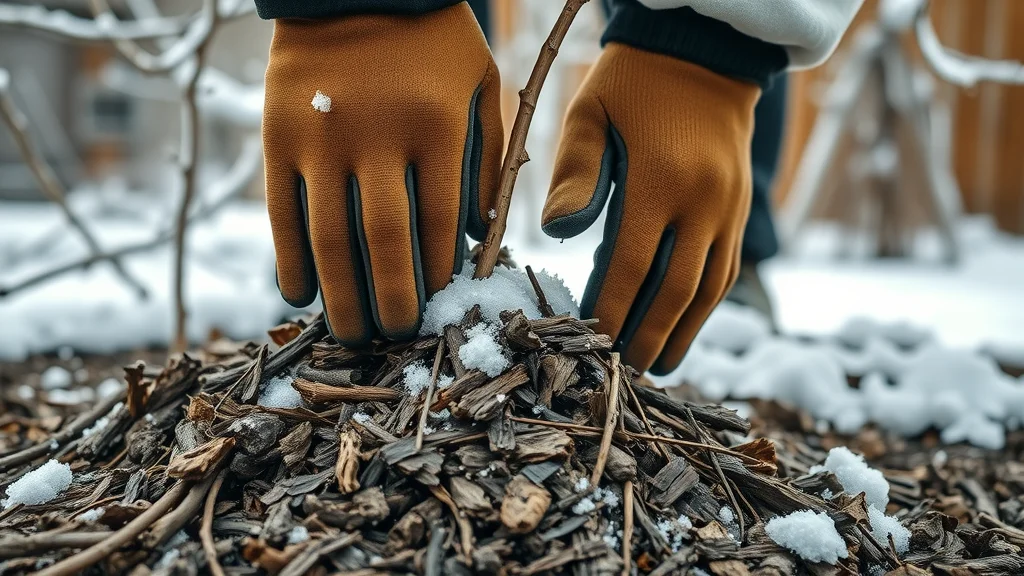
gloved hands insulating tree roots with mulch to protect trees and shrubs in winter

Understanding Winter Stress: Seasonal Challenges for Trees and Shrubs

Winter weather unleashes a complex mix of threats to trees and shrubs, especially as daylight shortens and freezing temperatures set in. Understanding how your landscape responds to snow, wind, and fluctuating temperatures is key to developing an effective maintenance plan. Common sources of winter stress include sudden drops in soil temperature, desiccating winds that cause water loss, and physical damage from heavy snow or ice accumulation.

Certain types of trees, especially young trees and newly planted varieties, are more susceptible to stress because their roots are closer to the surface and have not yet developed robust systems. Both deciduous trees and evergreens face unique challenges during these colder months, but all require added vigilance. Recognizing these seasonal stressors helps you implement targeted protective measures and avoid common pitfalls that compromise tree health and longevity.

For those looking to take a more hands-on approach, exploring professional tree winter preparation services can provide tailored solutions that address your landscape’s unique winter challenges. These services often include expert assessments, preventative treatments, and practical support to help your trees weather the cold months safely.

The Science Behind Dormancy and Soil Temperature

When winter arrives, trees enter a dormant phase, slowing their metabolic processes to conserve energy. This period allows for essential rest but leaves trees dependent on the condition of the soil temperature and moisture levels for survival. If the soil freezes deeply or remains saturated for too long, roots may be deprived of oxygen, leading to stress and decay. Properly maintaining soil temperature—often through strategic mulching—protects roots and keeps them insulated from extreme cold, fostering better survival rates into spring.

Understanding soil temperature is particularly important for winter tree care. As air temperatures plummet, unprotected ground can freeze solid, leaving roots brittle and prone to damage. Applying a layer of mulch around the base of your trees is an effective way to buffer against these harmful fluctuations and keep the root zone stable. Homeowners who monitor soil moisture and temperature throughout the winter are far more likely to see their trees and shrubs emerge robust and ready to grow come spring.

How Snow and Ice Impact Tree Care in Winter

Although a gentle dusting of snow can insulate and nourish the soil, heavy snow and ice buildup can wreak havoc on trees. Accumulated weight bends branches, sometimes snapping them entirely—particularly those that have not been properly pruned. Ice storms are notorious for glazing branches and leaves, increasing brittleness and causing multiple breaks in a single event. For evergreens, snow builds up quickly due to their needle-like foliage, while deciduous trees with chronic structural issues are at higher risk for damage.

Taking proactive steps, like monitoring snow accumulation and carefully removing excess weight, minimizes long-term injuries. Tree care in winter is all about keeping your landscape resilient against these natural hazards. Municipalities and homeowners who observe safer snow removal practices and employ preventive maintenance see dramatically fewer breakages and improved overall tree health after tough winters.
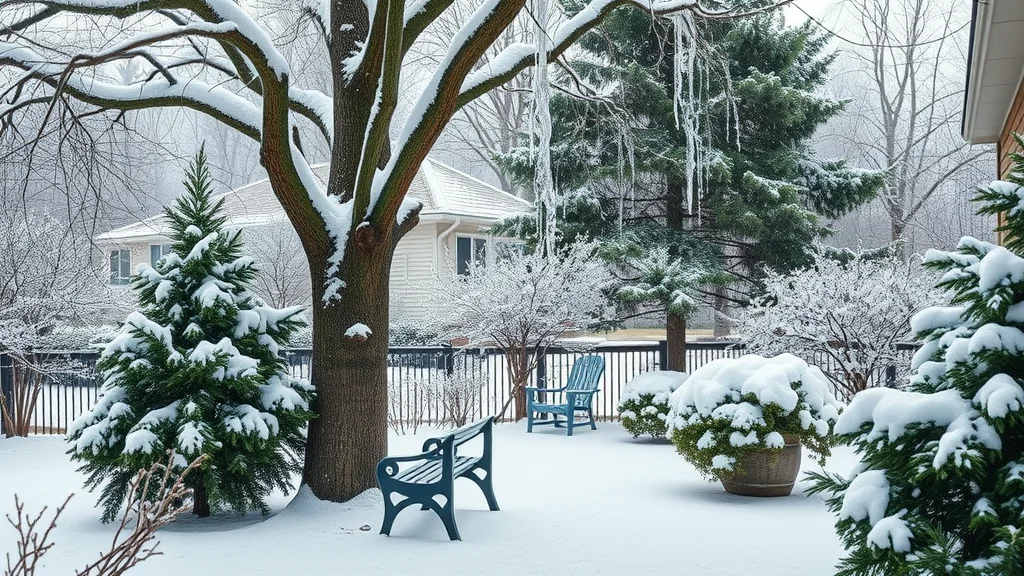
deciduous and evergreen trees weighed down by snow after heavy winter weather

Identifying Damage from Heavy Snow in Trees and Shrubs

Spotting winter damage early is crucial for long-term tree health. After a heavy snow or ice event, check trees and shrubs for splits, cracked bark, or branches that hang awkwardly. Young trees and newly planted varieties often suffer most, with broken leaders or bent trunks signaling deeper issues. In evergreens, look for discolored needles or branches weighed down near the ground, indicating persistent stress.

The key is to act promptly: prune or support damaged branches before spring growth resumes to avoid compounding the problem. Proactive winter tree care and regular inspections can mean the difference between a thriving tree and a costly removal after the snow melts. Document any damage with photographs to track patterns over multiple years and refine your care strategies accordingly.

Comparison of Winter Stress Factors for Deciduous and Evergreen Trees

Stress Factor

Deciduous Trees

Evergreen Trees

Heavy Snow Load

High risk of branch breakage after leaf drop

Constant risk due to foliage catching snow

Soil Temperature Fluctuation

Significant root stress if not mulched

Root stress less severe but still possible

Water Loss

Minimal during dormancy

Continuous through needles/leaves

Ice Storm Risk

Brittle branches snap under thin ice

Flexibility allows some resilience, but needles/branches may still break

Comprehensive Tree Care in Winter: Step-by-Step Guide

Implementing a comprehensive winter tree care routine can be broken into three main stages: early preparation, mid-winter monitoring, and targeted response after storms. Following this approach ensures every tree, from the most established to newly planted, enjoys a strong start once warmer weather returns.

Each step focuses on key care tips—such as pruning, insulating roots, adapting watering routines, and managing snow and ice accumulation. Homeowners who adopt this method see less damage, healthier spring growth, and often avoid costly problems that linger into the growing season.

Early Preparation: Tree Care Tips Before Winter Strikes

  • Pruning and trimming strategies for winter tree care

  • Insulating roots and maintaining proper soil temperature

  • Watering routines for dormant trees and shrubs

Getting ahead of winter stress starts in late autumn. The perfect time to prune is once trees are fully dormant but before the harshest cold arrives, giving wounds time to heal before spring. Remove weak, diseased, or dead wood to reduce snow and ice collection points. For young trees, wrap trunks with commercial tree wrap to prevent sunscald on the south or southwest side. Insulate root zones using a healthy layer of mulch, extending it a few inches from the trunk and several feet outward to keep soil temperature consistently above freezing.

Don’t forget about moisture. While trees require less water during dormancy, newly planted or young trees benefit greatly from occasional deep watering before the ground is frozen. Use slow, low-pressure soaks to avoid saturated soil, which can suffocate roots once the freeze fully sets in. Monitoring these steps prevents many of the most common sources of winter tree failure and gives every planted tree a fighting chance during the coldest months.
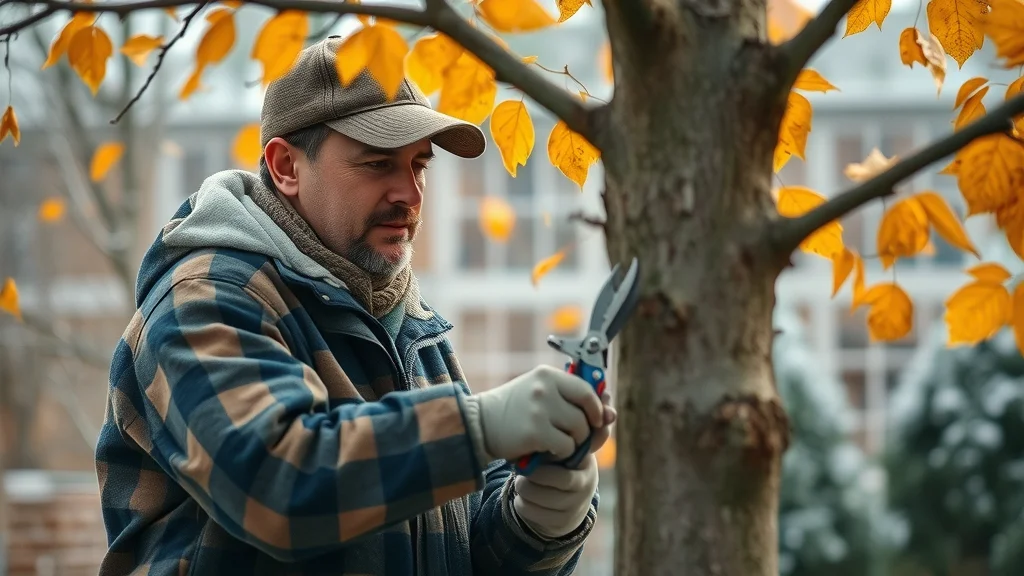
arborist pruning a tree before winter for optimal tree care and healthy spring growth

Mid-Winter Tree Care: Protecting Against Snow and Ice

  1. Monitoring snow accumulation and responding to heavy snow events

  2. Safely removing snow and ice from trees and shrubs

  3. Mulching for winter protection to maintain soil temperature

Winter isn’t a time to let your guard down. Especially after major snowfalls or ice storms, ongoing vigilance is critical. Brush off loose snow from branches using a broom with upward strokes to avoid snapping brittle wood. Never attempt to knock off heavy snow or ice—wait until it melts naturally, or call a certified arborist for professional help. For ongoing protection, maintain a consistent layer of mulch at the root base, checking that it hasn’t compacted or blown away in storms. Proper mulching helps soil temperature stay stable on even the coldest nights.

Monitoring for signs of stress—such as visible cracks, leaning trunks, or discoloring foliage—is especially important for young trees and newly planted specimens. These tree care tips ensure quick response when problems do arise, keeping recovery costs low and future growth robust.

Special Tips for Winter Tree Care: Deciduous Trees and Evergreens

Different tree types require targeted strategies to withstand winter hardships. Both deciduous trees and evergreens present unique challenges—what works for one won’t always suffice for the other. Explore the care tips below to ensure every plant in your landscape gets what it needs during the colder months.

Proactive and intentional seasonal routines are key for helping all trees survive harsh conditions and thrive in the next growing season.

Winter Tree Care Tips for Deciduous Trees

Deciduous species, which shed their leaves in fall, redirect energy to their roots over winter. Your main focus should be on removing dead or weak limbs before snow accumulates—this lessens the load during storms and speeds up spring recovery. Be vigilant in inspecting for frost cracks, particularly on the south or southwest side of trunks where sunlight can warm bark by day and then rapid cooling at night causes splits. Protect bark with tree wrap if your area is prone to sharp temperature swings.

Watering before the ground freezes is particularly important for newly planted and young trees, since dry roots are more susceptible to freeze damage. Mulch application in autumn retains precious moisture and buffers against fluctuating temperatures. Be sure to check for animal damage—rabbits and deer often chew bark for winter nutrition—and use guards or fencing if needed. These easy care tips set the foundation for robust early spring growth.
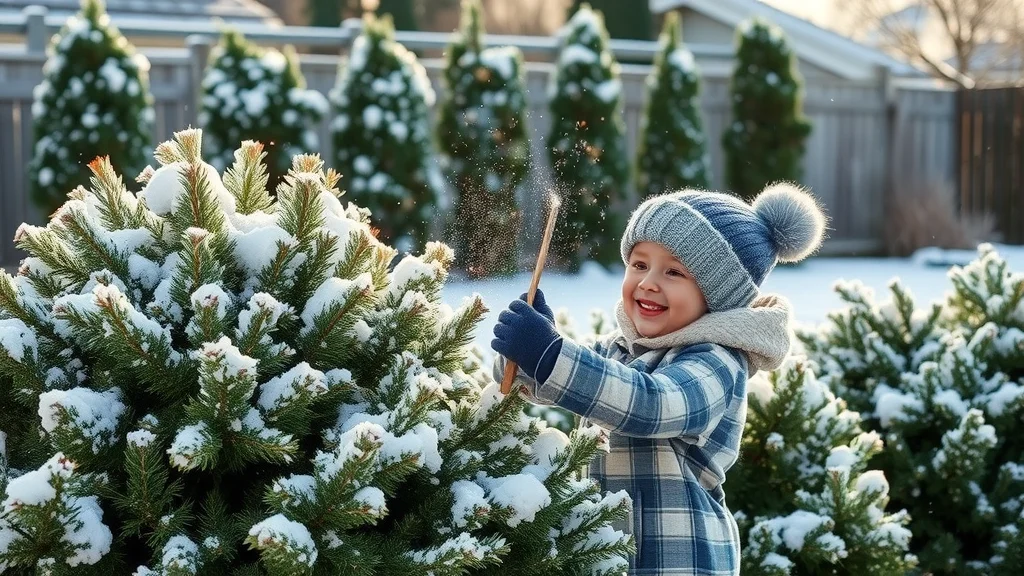
evergreen bushes in snow with a child brushing off branches for healthy winter tree care

Essential Care Tips for Evergreens During Winter

Evergreens face persistent water loss all winter, as their needles continue to transpire even when soil moisture is locked away by frost. Shielding evergreens from winter winds can help prevent desiccation. Apply mulch at the base to help moderate soil temperature, but avoid piling it directly against the trunk. Lightly brush snow off branches after each storm, and avoid using salt-based deicers nearby—these can exacerbate needle browning and root stress.

Consider using burlap screens around young evergreens to create a windbreak, especially on exposed sites. Deep watering in late fall, followed by regular checks for discoloration, ensures foliage stays lush. Remember that consistent winter tree care for evergreens supports overall tree health and an attractive landscape year-round.

People Also Ask

How do you protect young trees from winter freeze?

Protecting young trees from winter freeze involves insulating roots with a thick mulch layer, using tree wrap to guard vulnerable trunks, and watering deeply before the ground freezes. Avoid using plastic wraps, as they trap moisture and can damage bark. Additionally, shield young trees from harsh winds with burlap screens or windbreaks—ensuring increased resilience and healthier growth in early spring.

Should you water trees during winter months?

Yes, watering trees during winter can be crucial, especially for new plantings or evergreens. Trees lose moisture, even while dormant, so watering before prolonged cold snaps helps maintain root health. Wait for a dry day when the ground is not frozen solid; apply water to the root zone, allowing full absorption—but avoid overwatering, which can promote rot in freezing temperatures.

What’s the best way to remove snow from tree branches?

The best method for removing snow from tree branches is to gently brush it off with an upward motion using a broom. Never shake or beat branches, especially when coated in ice, as this increases the risk of snapping. For ice-covered branches, it’s safest to let ice melt naturally. When in doubt, consult a certified arborist to prevent accidental damage during tough winter days.

Expert Advice: Tree Care Quotes and Professional Recommendations

"Proper tree care in winter sets the foundation for vigorous spring growth." — Certified Arborist

Certified arborists unanimously agree: the actions you take now echo into the next growing season. Prioritize winter tree care by staying proactive, using recommended pruning, soil insulation, and monitoring protocols.

Common Tree Care in Winter Mistakes to Avoid

  • Ignoring soil temperature changes

  • Improper snow and ice removal techniques

  • Neglecting to prune dead or damaged branches

Avoiding these pitfalls ensures that your winter tree care efforts pay off—with fewer stress injuries, healthier growth, and fewer surprises come spring. Regular seasonal checks and adjustments can save you time, money, and effort for years to come.
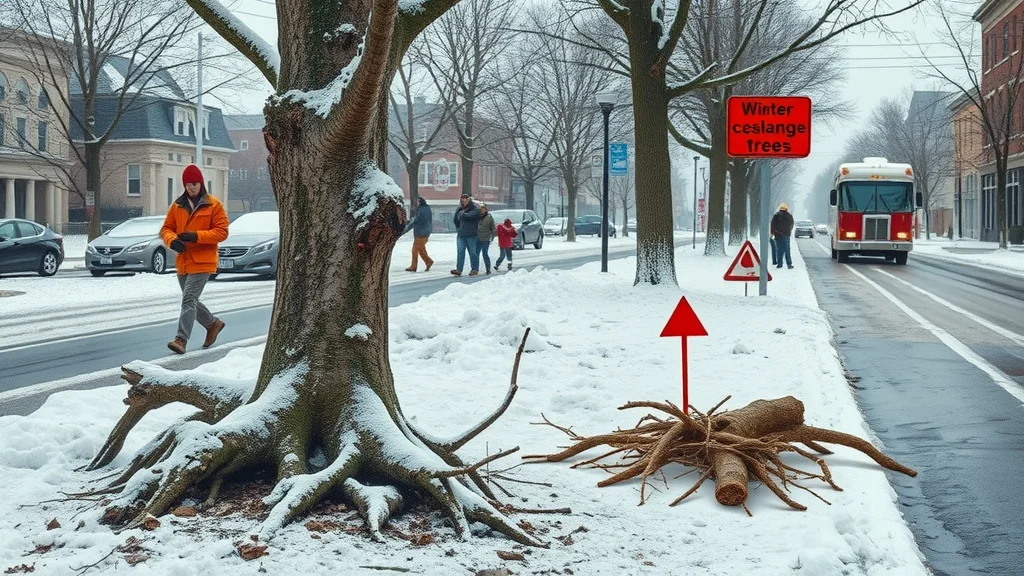
photo collage showing common winter tree damage from ignoring tree care tips and improper snow removal

FAQs on Tree Care in Winter

When should you prune trees for winter?

The ideal time for winter pruning is during late fall or early winter, after trees have entered dormancy but before the harshest freezing temperatures set in. This timing allows healing before active growth resumes in early spring and reduces the risk of spreading diseases. For most species, late November through January is best. However, always avoid pruning during severe cold snaps or wet conditions, as exposed wounds may not callus well.

Can you water your trees during winter?

Absolutely. Winter watering is beneficial for both newly planted and established trees, especially when winter days are dry and rainfall is scarce. Water on milder days when the ground is not frozen, applying water deeply at the root zone. This practice helps prevent drought stress and supports healthier roots. Just take care not to overwater, as saturated soils can suffocate roots during freezing conditions.

How much mulch is ideal for protecting roots in cold weather?

Apply a layer of mulch that’s 2–4 inches thick around the base of your trees and shrubs, extending it several feet from the trunk but keeping it a few inches away from direct contact with bark. This depth insulates roots from rapid temperature changes, retains moisture, and curbs weed growth throughout the winter months. Replenish as needed, especially after heavy rain or melting snow, for consistent protection.

Key Takeaways for Tree Care in Winter

  • Start tree care in late fall for best results through winter

  • Monitor snow and ice to prevent lasting damage

  • Tailor care tips for deciduous trees versus evergreens

Stay Ahead: Where to Find More Tree Care in Winter Resources

Grow your landscaping expertise—call 203-271-7991 or visit TreeGuardianNews.com to subscribe.

Remember: Attentive tree care in winter ensures your landscape thrives, disaster-free, year after year. Act today for a greener tomorrow!

If you’re ready to elevate your winter tree care strategy and safeguard your landscape from seasonal threats, consider exploring the broader benefits of professional winter preparation. Discover how comprehensive tree winter preparation services can not only prevent costly damage but also set the stage for vibrant growth in the coming year. By leveraging expert support and advanced techniques, you’ll gain peace of mind and ensure your trees remain a lasting asset to your property. Take the next step toward a healthier, more resilient landscape—your trees will thank you when spring arrives.

Latest News

108 Views

Write A Comment

*
*
Please complete the captcha to submit your comment.
Related Posts All Posts
07.10.2026

How Often Should Trees Be Pruned? A Complete Guide for Tree Care

Learn how often trees should be pruned, the benefits of regular pruning, and essential tips for tree care.

07.10.2026

Why Homeowners Should Be Aware of Trees and Lawn Mowers

Update The Dangers of Lawn Mowers Near Trees Maintaining a beautiful lawn can be quite the task for homeowners, especially during the weekends when lawn care activities come into play. However, have you ever considered how damaging lawn mowers can be to the trees that grace your yard? Trees not only provide shade and beauty but also improve air quality. Hence, protecting them is essential. Understanding Tree Health and Lawn Care Tree health is often compromised when lawn mowers come too close. Any accidental brush against a tree trunk can lead to bark damage. This exposes the tree to pests and diseases. Over time, these injuries can hinder growth, making it difficult for trees to thrive. It's essential to recognize that a lawn mower is not just a tool for cutting grass; it can significantly affect your landscape's ecosystem. Setting Up Safe Boundaries The best way to safeguard your trees from lawn mower damage is to establish designated areas for each. When mowing, create a safe distance around trees that your mower will not trespass. A general rule of thumb is to maintain a radius of about 3 feet around the base of each tree. This defensive zone not only protects the tree’s trunk from being scuffed but also allows you to use mulch or grass clippings that can further nourish the tree. Creating a Tree-Friendly Lawn Environmental experts recommend incorporating a variety of plants around trees to create a safe landscape. Native plants, which are adapted to the local environment, thrive well and require less maintenance. They can form a protective green barrier that cushions trees against accidental mower contact. Moreover, growing ground covers can significantly limit the need for mower operation near trees while enhancing soil quality. The Importance of Mulching Mulching can be incredibly beneficial for tree health. By applying organic mulch around the base of trees, you can improve moisture retention and prevent weed growth that would otherwise require mowing. Choose materials such as wood chips or shredded bark as mulch to keep your trees healthy. Plus, mulching helps regulate soil temperature and provides nutrients as it breaks down over time. Tools and Techniques for Safe Mowing Investing in lawn mowing techniques and tools designed to protect trees is an excellent idea. For instance, using a trimmer with a protective guard can help you reach areas near tree bases without risk of damage. Staying aware and cautious while mowing your lawn is key. Practicing slow and steady movements near tree lines helps avoid unexpected mishaps. Understanding the Risks of Equipment Damage Besides physical damage to trees, lawn mowers can also be affected by the landscape. Running over roots or rocks hidden beneath grass can cause mower blades to dull or even break. This means more maintenance for you and potential costly repairs. Take time to survey your yard before mowing; this consideration will prolong the life of both your trees and your lawn care equipment. Conclusion: Creating a Sustainable Landscape Protecting your trees from lawn mowers is vital not only for their health but for the overall ecosystem of your yard. By practicing careful mowing techniques, establishing boundaries, and promoting plant diversity, you are on your way to creating a sustainable, beautiful landscape that can be enjoyed for years to come.

07.03.2026

Oak Wilt Prevention: Essential Strategies for Protecting Oaks at Eagle Mountain Lake

Update The Importance of Oak Wilt Prevention in Eagle Mountain Lake At Eagle Mountain Lake, Texas, a dedicated team of arborists is safeguarding approximately ninety mature Southern Live Oaks and Red Oaks as part of a vital Oak Wilt prevention program. This initiative highlights the crucial role of preventative plant healthcare in North Texas, particularly in an area surrounded by one of the largest oak wilt footprints in the state. By establishing a routine treatment schedule, these trees stand a greater chance of surviving this pervasive disease. Understanding Oak Wilt: A Threat to Healthy Oaks Oak Wilt, caused by the fungal pathogen Bretziella fagacearum, poses a significant threat to oak populations, with its effects not immediately visible. The disease infiltrates the tree's vascular system, specifically the xylem, which is crucial for transporting water and nutrients. As the fungus spreads, the tree attempts to defend itself, leading to a decline in water movement that causes characteristic symptoms such as wilting leaves and canopy decline. Why Southern Live Oaks Are Particularly Vulnerable One of the primary reasons Southern Live Oaks are at high risk of Oak Wilt is their unique root structure. These trees often form interconnected root systems, allowing for the transfer of water and nutrients. However, this characteristic also facilitates the rapid spread of the fungus from one infected tree to others, making early intervention essential. Preventative Measures That Make a Difference Preventative care is critical in stopping the spread of Oak Wilt. Treatments such as Low-Volume Macro Infusion with Alamo fungicide help protect these trees before symptoms appear. This proactive approach is crucial as it allows for maintaining the health of the surrounding ecosystem. The standard recommendation is a two-year treatment cycle, ensuring that healthy trees remain unaffected by the disease. The Role of Insects in Oak Wilt Spread In addition to root graft transmission, the Oak Wilt fungus can also be introduced to healthy trees through insect activity. Nitidulid sap beetles, attracted to fresh wounds on oak trees, play a key role in this process. Proper tree management—including timely pruning and sealing fresh cuts—can prevent the introduction of this dangerous fungus. Learn to Recognize the Signs Recognizing the signs of oak wilt can be challenging, especially for homeowners. Early symptoms usually include yellowing leaves and canopy decline, but they can often be mistaken for other tree health issues. Understanding these signs and knowing when to contact an arborist can make the difference between saving a tree and losing it to this destructive disease. By maintaining vigilance and committing to a consistent, science-based plant healthcare program, property owners can play a significant role in combating the spread of Oak Wilt. Regular inspections, along with a proactive treatment approach, are pivotal in preserving the majestic oak trees that contribute so greatly to our environment.

Green Space News

Homeowners & Businesses concerned about tree and landscape care, safety issues from storms, old or diseased trees, structural damage risks, and insurance implications.

Green Space News is a subsidiary of RP Design Web Services.

COMPANY

  • Privacy Policy
  • Terms of Use
  • Advertise
  • Contact Us
  • Menu 5
  • Menu 6

AVAILABLE FROM 8AM - 5PM

Cheshire,CT

POBox 1189

ABOUT US

Green Space News is your go-to media hub for cutting-edge strategies to maintain a safe and vibrant environment. We are committed to protecting your property and family by providing proactive tree hazard prevention and awareness. Our platform  empower communities to safeguard their surroundings and enjoy healthier, more resilient landscapes.

© 2026 RP Design Web Services All Rights Reserved. P.O. Box 1189, Cheshire, CT 06410 . Contact Us . Terms of Service . Privacy Policy

eyJjb21wYW55IjoiUlAgRGVzaWduIFdlYiBTZXJ2aWNlcyIsImFkZHJlc3MiOiJQLk8uIEJveCAxMTg5IiwiY2l0eSI6IkNoZXNoaXJlIiwic3RhdGUiOiJDVCIsInppcCI6IjA2NDEwIiwiZW1haWwiOiJyb2JlcnRAcnBkZXNpZ24uY29tIiwidG9zIjoiUEhBK1BITjBjbTl1Wno0OFpXMCtWMmhsYmlCNWIzVWdjMmxuYmkxcGJpQjNhWFJvSUhWekxDQjViM1VnWVhKbElHZHBkbWx1WnladVluTndPeUI1YjNWeUlIQmxjbTFwYzNOcGIyNGdZVzVrSUdOdmJuTmxiblFnZEc4Z2MyVnVaQ0I1YjNVZ1pXMWhhV3dnWVc1a0wyOXlJRk5OVXlCMFpYaDBJRzFsYzNOaFoyVnpMaUJDZVNCamFHVmphMmx1WnlCMGFHVWdWR1Z5YlhNZ1lXNWtJRU52Ym1ScGRHbHZibk1nWW05NElHRnVaQ0JpZVNCemFXZHVhVzVuSUdsdUlIbHZkU0JoZFhSdmJXRjBhV05oYkd4NUlHTnZibVpwY20wZ2RHaGhkQ0I1YjNVZ1lXTmpaWEIwSUdGc2JDQjBaWEp0Y3lCcGJpQjBhR2x6SUdGbmNtVmxiV1Z1ZEM0OEwyVnRQand2YzNSeWIyNW5Qand2Y0Q0S0NqeHdQanhoSUdoeVpXWTlJbWgwZEhBNkx5OTNkM2N1WjI5dloyeGxMbU52YlNJK2FIUjBjRG92TDNkM2R5NW5iMjluYkdVdVkyOXRQQzloUGp3dmNENEtDanh3UGladVluTndPend2Y0Q0S0NqeHdQanh6ZEhKdmJtYytVMFZTVmtsRFJUd3ZjM1J5YjI1blBqd3ZjRDRLQ2p4d1BsZGxJSEJ5YjNacFpHVWdZU0J6WlhKMmFXTmxJSFJvWVhRZ1kzVnljbVZ1ZEd4NUlHRnNiRzkzY3lCNWIzVWdkRzhnY21WalpXbDJaU0J5WlhGMVpYTjBjeUJtYjNJZ1ptVmxaR0poWTJzc0lHTnZiWEJoYm5rZ2FXNW1iM0p0WVhScGIyNHNJSEJ5YjIxdmRHbHZibUZzSUdsdVptOXliV0YwYVc5dUxDQmpiMjF3WVc1NUlHRnNaWEowY3l3Z1kyOTFjRzl1Y3l3Z1pHbHpZMjkxYm5SeklHRnVaQ0J2ZEdobGNpQnViM1JwWm1sallYUnBiMjV6SUhSdklIbHZkWElnWlcxaGFXd2dZV1JrY21WemN5QmhibVF2YjNJZ1kyVnNiSFZzWVhJZ2NHaHZibVVnYjNJZ1pHVjJhV05sTGlCWmIzVWdkVzVrWlhKemRHRnVaQ0JoYm1RZ1lXZHlaV1VnZEdoaGRDQjBhR1VnVTJWeWRtbGpaU0JwY3lCd2NtOTJhV1JsWkNBbWNYVnZkRHRCVXkxSlV5WnhkVzkwT3lCaGJtUWdkR2hoZENCM1pTQmhjM04xYldVZ2JtOGdjbVZ6Y0c5dWMybGlhV3hwZEhrZ1ptOXlJSFJvWlNCMGFXMWxiR2x1WlhOekxDQmtaV3hsZEdsdmJpd2diV2x6TFdSbGJHbDJaWEo1SUc5eUlHWmhhV3gxY21VZ2RHOGdjM1J2Y21VZ1lXNTVJSFZ6WlhJZ1kyOXRiWFZ1YVdOaGRHbHZibk1nYjNJZ2NHVnljMjl1WVd4cGVtRjBhVzl1SUhObGRIUnBibWR6TGp3dmNENEtDanh3UGxsdmRTQmhjbVVnY21WemNHOXVjMmxpYkdVZ1ptOXlJRzlpZEdGcGJtbHVaeUJoWTJObGMzTWdkRzhnZEdobElGTmxjblpwWTJVZ1lXNWtJSFJvWVhRZ1lXTmpaWE56SUcxaGVTQnBiblp2YkhabElIUm9hWEprSUhCaGNuUjVJR1psWlhNZ0tITjFZMmdnWVhNZ1UwMVRJSFJsZUhRZ2JXVnpjMkZuWlhNc0lFbHVkR1Z5Ym1WMElITmxjblpwWTJVZ2NISnZkbWxrWlhJZ2IzSWdZMlZzYkhWc1lYSWdZV2x5ZEdsdFpTQmphR0Z5WjJWektTNGdXVzkxSUdGeVpTQnlaWE53YjI1emFXSnNaU0JtYjNJZ2RHaHZjMlVnWm1WbGN5d2dhVzVqYkhWa2FXNW5JSFJvYjNObElHWmxaWE1nWVhOemIyTnBZWFJsWkNCM2FYUm9JSFJvWlNCa2FYTndiR0Y1SUc5eUlHUmxiR2wyWlhKNUlHOW1JR1ZoWTJnZ1UwMVRJSFJsZUhRZ2JXVnpjMkZuWlNCelpXNTBJSFJ2SUhsdmRTQmllU0IxY3k0Z1NXNGdZV1JrYVhScGIyNHNJSGx2ZFNCdGRYTjBJSEJ5YjNacFpHVWdZVzVrSUdGeVpTQnlaWE53YjI1emFXSnNaU0JtYjNJZ1lXeHNJR1Z4ZFdsd2JXVnVkQ0J1WldObGMzTmhjbmtnZEc4Z1lXTmpaWE56SUhSb1pTQlRaWEoyYVdObElHRnVaQ0J5WldObGFYWmxJSFJvWlNCVFRWTWdkR1Y0ZENCdFpYTnpZV2RsY3k0Z1YyVWdaRzhnYm05MElHTm9ZWEpuWlNCaGJua2dabVZsY3lCbWIzSWdaR1ZzYVhabGNua2diMllnWlcxaGFXd2diM0lnVTAxVExpQlVhR2x6SUdseklHRWdabkpsWlNCelpYSjJhV05sSUhCeWIzWnBaR1ZrSUdKNUlIVnpMaUJJYjNkbGRtVnlMQ0J3YkdWaGMyVWdZMmhsWTJzZ2QybDBhQ0I1YjNWeUlHbHVkR1Z5Ym1WMElITmxjblpwWTJVZ2NISnZkbWxrWlhJZ1lXNWtJR05sYkd4MWJHRnlJR05oY25KcFpYSWdabTl5SUdGdWVTQmphR0Z5WjJWeklIUm9ZWFFnYldGNUlHbHVZM1Z5SUdGeklHRWdjbVZ6ZFd4MElHWnliMjBnY21WalpXbDJhVzVuSUdWdFlXbHNJR0Z1WkNCVFRWTWdkR1Y0ZENCdFpYTnpZV2RsY3lCMGFHRjBJSGRsSUdSbGJHbDJaWElnZFhCdmJpQjViM1Z5SUc5d2RDMXBiaUJoYm1RZ2NtVm5hWE4wY21GMGFXOXVJSGRwZEdnZ2IzVnlJR1Z0WVdsc0lHRnVaQ0JUVFZNZ2MyVnlkbWxqWlhNdUlGbHZkU0JqWVc0Z1kyRnVZMlZzSUdGMElHRnVlU0IwYVcxbExpQktkWE4wSUhSbGVIUWdKbkYxYjNRN1UxUlBVQ1p4ZFc5ME95QjBieUE4YUdsbmFHeHBaMmgwSUdOc1lYTnpQU0pqYjIxd1lXNTVVR2h2Ym1WVmNHUmhkR1VpUGlzeE1qQXpNamN4TnprNU1Ud3ZhR2xuYUd4cFoyaDBQaTRnUVdaMFpYSWdlVzkxSUhObGJtUWdkR2hsSUZOTlV5QnRaWE56WVdkbElDWnhkVzkwTzFOVVQxQW1jWFZ2ZERzZ2RHOGdkWE1zSUhkbElIZHBiR3dnYzJWdVpDQjViM1VnWVc0Z1UwMVRJRzFsYzNOaFoyVWdkRzhnWTI5dVptbHliU0IwYUdGMElIbHZkU0JvWVhabElHSmxaVzRnZFc1emRXSnpZM0pwWW1Wa0xpQkJablJsY2lCMGFHbHpMQ0I1YjNVZ2QybHNiQ0J1YnlCc2IyNW5aWElnY21WalpXbDJaU0JUVFZNZ2JXVnpjMkZuWlhNZ1puSnZiU0IxY3k0OEwzQStDZ284Y0Q0OGMzUnliMjVuUGxsUFZWSWdVa1ZIU1ZOVVVrRlVTVTlPSUU5Q1RFbEhRVlJKVDA1VFBDOXpkSEp2Ym1jK1BDOXdQZ29LUEhBK1NXNGdZMjl1YzJsa1pYSmhkR2x2YmlCdlppQjViM1Z5SUhWelpTQnZaaUIwYUdVZ1UyVnlkbWxqWlN3Z2VXOTFJR0ZuY21WbElIUnZPand2Y0Q0S0NqeHZiRDRLQ1R4c2FUNXdjbTkyYVdSbElIUnlkV1VzSUdGalkzVnlZWFJsTENCamRYSnlaVzUwSUdGdVpDQmpiMjF3YkdWMFpTQnBibVp2Y20xaGRHbHZiaUJoWW05MWRDQjViM1Z5YzJWc1ppQmhjeUJ3Y205dGNIUmxaQ0JpZVNCMGFHVWdVMlZ5ZG1salpTWWpNems3Y3lCeVpXZHBjM1J5WVhScGIyNGdabTl5YlNBb2MzVmphQ0JwYm1admNtMWhkR2x2YmlCaVpXbHVaeUIwYUdVZ0puRjFiM1E3VW1WbmFYTjBjbUYwYVc5dUlFUmhkR0VtY1hWdmREc3BJR0Z1WkR3dmJHaytDZ2s4YkdrK2JXRnBiblJoYVc0Z1lXNWtJSEJ5YjIxd2RHeDVJSFZ3WkdGMFpTQjBhR1VnVW1WbmFYTjBjbUYwYVc5dUlFUmhkR0VnZEc4Z2EyVmxjQ0JwZENCMGNuVmxMQ0JoWTJOMWNtRjBaU3dnWTNWeWNtVnVkQ0JoYm1RZ1kyOXRjR3hsZEdVdUlFbG1JSGx2ZFNCd2NtOTJhV1JsSUdGdWVTQnBibVp2Y20xaGRHbHZiaUIwYUdGMElHbHpJSFZ1ZEhKMVpTd2dhVzVoWTJOMWNtRjBaU3dnYm05MElHTjFjbkpsYm5RZ2IzSWdhVzVqYjIxd2JHVjBaU3dnYjNJZ2QyVWdhR0YyWlNCeVpXRnpiMjVoWW14bElHZHliM1Z1WkhNZ2RHOGdjM1Z6Y0dWamRDQjBhR0YwSUhOMVkyZ2dhVzVtYjNKdFlYUnBiMjRnYVhNZ2RXNTBjblZsTENCcGJtRmpZM1Z5WVhSbExDQnViM1FnWTNWeWNtVnVkQ0J2Y2lCcGJtTnZiWEJzWlhSbExDQjNaU0JvWVhabElIUm9aU0J5YVdkb2RDQjBieUJ6ZFhOd1pXNWtJRzl5SUR4emRISnZibWMrUEhOd1lXNGdjM1I1YkdVOUltTnZiRzl5T2lOR1JqQXdNREE3SWo1MFpYSnRhVzVoZEdVZ2VXOTFjaUJoWTJOdmRXNTBMM0J5YjJacGJHVWdZVzVrSUhKbFpuVnpaU0JoYm5rZ1lXNWtJR0ZzYkNCamRYSnlaVzUwSUc5eUlHWjFkSFZ5WlNCMWMyVWdiMllnZEdobElGTmxjblpwWTJVZ0tHOXlJR0Z1ZVNCd2IzSjBhVzl1SUhSb1pYSmxiMllwTGp3dmMzQmhiajQ4TDNOMGNtOXVaejQ4TDJ4cFBnbzhMMjlzUGdvS1BIQStKbTVpYzNBN1BDOXdQZ284YUdsbmFHeHBaMmgwSUdOc1lYTnpQU0pqYjIxd1lXNTVUbUZ0WlZWd1pHRjBaU0krVWxBZ1JHVnphV2R1SUZkbFlpQlRaWEoyYVdObGN6d3ZhR2xuYUd4cFoyaDBQanhpY2lBdlBnbzhhR2xuYUd4cFoyaDBJR05zWVhOelBTSmpiMjF3WVc1NVFXUmtjbVZ6YzFWd1pHRjBaU0krVUM1UExpQkNiM2dnTVRFNE9Td2dRMmhsYzJocGNtVXNJRU5VSURBMk5ERXdQQzlvYVdkb2JHbG5hSFErUEdKeUlDOCtDanhvYVdkb2JHbG5hSFFnWTJ4aGMzTTlJbU52YlhCaGJubFFhRzl1WlZWd1pHRjBaU0krS3pFeU1ETXlOekUzT1RreFBDOW9hV2RvYkdsbmFIUStQR0p5SUM4K0NqeG9hV2RvYkdsbmFIUWdZMnhoYzNNOUltTnZiWEJoYm5sRmJXRnBiRlZ3WkdGMFpTSStjbTlpWlhKMFFISndaR1Z6YVdkdUxtTnZiVHd2YUdsbmFHeHBaMmgwUGc9PSIsInByaXZhY3kiOiJQSEErUEhOMGNtOXVaejVRVWtsV1FVTlpQQzl6ZEhKdmJtYytQQzl3UGdvS1BIQStQSE4wY205dVp6NVVhR1VnYVc1bWIzSnRZWFJwYjI0Z2NISnZkbWxrWldRZ1pIVnlhVzVuSUhSb2FYTWdjbVZuYVhOMGNtRjBhVzl1SUdseklHdGxjSFFnY0hKcGRtRjBaU0JoYm1RZ1kyOXVabWxrWlc1MGFXRnNMQ0JoYm1RZ2QybHNiQ0J1WlhabGNpQmlaU0JrYVhOMGNtbGlkWFJsWkN3Z1kyOXdhV1ZrTENCemIyeGtMQ0IwY21Ga1pXUWdiM0lnY0c5emRHVmtJR2x1SUdGdWVTQjNZWGtzSUhOb1lYQmxJRzl5SUdadmNtMHVJRlJvYVhNZ2FYTWdiM1Z5SUdkMVlYSmhiblJsWlM0OEwzTjBjbTl1Wno0OEwzQStDZ284Y0Q0OGMzUnliMjVuUGtsT1JFVk5Ua2xVV1R3dmMzUnliMjVuUGp3dmNENEtDanh3UGp4bGJUNVpiM1VnWVdkeVpXVWdkRzhnYVc1a1pXMXVhV1o1SUdGdVpDQm9iMnhrSUhWekxDNGdZVzVrSUdsMGN5QnpkV0p6YVdScFlYSnBaWE1zSUdGbVptbHNhV0YwWlhNc0lHOW1abWxqWlhKekxDQmhaMlZ1ZEhNc0lHTnZMV0p5WVc1a1pYSnpJRzl5SUc5MGFHVnlJSEJoY25SdVpYSnpMQ0JoYm1RZ1pXMXdiRzk1WldWekxDQm9ZWEp0YkdWemN5Qm1jbTl0SUdGdWVTQmpiR0ZwYlNCdmNpQmtaVzFoYm1Rc0lHbHVZMngxWkdsdVp5QnlaV0Z6YjI1aFlteGxJR0YwZEc5eWJtVjVjeVlqTXprN0lHWmxaWE1zSUcxaFpHVWdZbmtnWVc1NUlIUm9hWEprSUhCaGNuUjVJR1IxWlNCMGJ5QnZjaUJoY21semFXNW5JRzkxZENCdlppQkRiMjUwWlc1MElIbHZkU0J5WldObGFYWmxMQ0J6ZFdKdGFYUXNJSEpsY0d4NUxDQndiM04wTENCMGNtRnVjMjFwZENCdmNpQnRZV3RsSUdGMllXbHNZV0pzWlNCMGFISnZkV2RvSUhSb1pTQlRaWEoyYVdObExDQjViM1Z5SUhWelpTQnZaaUIwYUdVZ1UyVnlkbWxqWlN3Z2VXOTFjaUJqYjI1dVpXTjBhVzl1SUhSdklIUm9aU0JUWlhKMmFXTmxMQ0I1YjNWeUlIWnBiMnhoZEdsdmJpQnZaaUIwYUdVZ1ZFOVRMQ0J2Y2lCNWIzVnlJSFpwYjJ4aGRHbHZiaUJ2WmlCaGJua2djbWxuYUhSeklHOW1JR0Z1YjNSb1pYSXVQQzlsYlQ0OEwzQStDZ284Y0Q0OGMzUnliMjVuUGtSSlUwTk1RVWxOUlZJZ1QwWWdWMEZTVWtGT1ZFbEZVend2YzNSeWIyNW5Qand2Y0Q0S0NqeHdQanh6ZEhKdmJtYytXVTlWSUVWWVVGSkZVMU5NV1NCVlRrUkZVbE5VUVU1RUlFRk9SQ0JCUjFKRlJTQlVTRUZVT2p3dmMzUnliMjVuUGp3dmNENEtDanh2YkQ0S0NUeHNhVDVaVDFWU0lGVlRSU0JQUmlCVVNFVWdVMFZTVmtsRFJTQkpVeUJCVkNCWlQxVlNJRk5QVEVVZ1VrbFRTeTRnVkVoRklGTkZVbFpKUTBVZ1NWTWdVRkpQVmtsRVJVUWdUMDRnUVU0Z0puRjFiM1E3UVZNZ1NWTW1jWFZ2ZERzZ1FVNUVJQ1p4ZFc5ME8wRlRJRUZXUVVsTVFVSk1SU1p4ZFc5ME95QkNRVk5KVXk0Z0xDNGdRVTVFSUZWVExDQkpWQ1lqTXprN1V5QkRWVk5VVDAxRlVsTXNJRVZZVUZKRlUxTk1XU0JFU1ZORFRFRkpUVk1nUVV4TUlGZEJVbEpCVGxSSlJWTWdUMFlnUVU1WklFdEpUa1FzSUZkSVJWUklSVklnUlZoUVVrVlRVeUJQVWlCSlRWQk1TVVZFTENCSlRrTk1WVVJKVGtjc0lFSlZWQ0JPVDFRZ1RFbE5TVlJGUkNCVVR5QlVTRVVnU1UxUVRFbEZSQ0JYUVZKU1FVNVVTVVZUSUU5R0lFMUZVa05JUVU1VVFVSkpURWxVV1N3Z1JrbFVUa1ZUVXlCR1QxSWdRU0JRUVZKVVNVTlZURUZTSUZCVlVsQlBVMFVnUVU1RUlFNVBUaTFKVGtaU1NVNUhSVTFGVGxRdVBDOXNhVDRLQ1R4c2FUNU5RVXRGVXlCT1R5QlhRVkpTUVU1VVdTQlVTRUZVSUNocEtTQlVTRVVnVTBWU1ZrbERSU0JYU1V4TUlFMUZSVlFnV1U5VlVpQlNSVkZWU1ZKRlRVVk9WRk1zSUNocGFTa2dWRWhGSUZORlVsWkpRMFVnVjBsTVRDQkNSU0JWVGtsT1ZFVlNVbFZRVkVWRUxDQlVTVTFGVEZrc0lGTkZRMVZTUlN3Z1QxSWdSVkpTVDFJdFJsSkZSU3dnS0dscGFTa2dWRWhGSUZKRlUxVk1WRk1nVkVoQlZDQk5RVmtnUWtVZ1QwSlVRVWxPUlVRZ1JsSlBUU0JVU0VVZ1ZWTkZJRTlHSUZSSVJTQlRSVkpXU1VORklGZEpURXdnUWtVZ1FVTkRWVkpCVkVVZ1QxSWdVa1ZNU1VGQ1RFVXNJRUZPUkNBb2FYWXBJRUZPV1NCRlVsSlBVbE1nU1U0Z1ZFaEZJRk5QUmxSWFFWSkZJRmRKVEV3Z1FrVWdRMDlTVWtWRFZFVkVMand2YkdrK0NnazhiR2srUVU1WklFMUJWRVZTU1VGTUlFUlBWMDVNVDBGRVJVUWdUMUlnVDFSSVJWSlhTVk5GSUU5Q1ZFRkpUa1ZFSUZSSVVrOVZSMGdnVkVoRklGVlRSU0JQUmlCVVNFVWdVMFZTVmtsRFJTQkpVeUJFVDA1RklFRlVJRmxQVlZJZ1QxZE9JRVJKVTBOU1JWUkpUMDRnUVU1RUlGSkpVMHNnUVU1RUlGUklRVlFnV1U5VklGZEpURXdnUWtVZ1UwOU1SVXhaSUZKRlUxQlBUbE5KUWt4RklFWlBVaUJCVGxrZ1JFRk5RVWRGSUZSUElGbFBWVklnUTA5TlVGVlVSVklnVTFsVFZFVk5JRTlTSUV4UFUxTWdUMFlnUkVGVVFTQlVTRUZVSUZKRlUxVk1WRk1nUmxKUFRTQlVTRVVnUkU5WFRreFBRVVFnVDBZZ1FVNVpJRk5WUTBnZ1RVRlVSVkpKUVV3dVBDOXNhVDRLQ1R4c2FUNU9UeUJCUkZaSlEwVWdUMUlnU1U1R1QxSk5RVlJKVDA0c0lGZElSVlJJUlZJZ1QxSkJUQ0JQVWlCWFVrbFVWRVZPTENCUFFsUkJTVTVGUkNCQ1dTQlpUMVVnUmxKUFRTQlBVaUJVU0ZKUFZVZElJRTlTSUVaU1QwMGdWRWhGSUZORlVsWkpRMFVnVTBoQlRFd2dRMUpGUVZSRklFRk9XU0JYUVZKU1FVNVVXU0JPVDFRZ1JWaFFVa1ZUVTB4WklGTlVRVlJGUkNCSlRpQlVTRVVnVkU5VExqd3ZiR2srQ2p3dmIydytDZ284Y0Q0OGMzUnliMjVuUGt4SlRVbFVRVlJKVDA0Z1QwWWdURWxCUWtsTVNWUlpQQzl6ZEhKdmJtYytQQzl3UGdvS1BIQStXVTlWSUVWWVVGSkZVMU5NV1NCVlRrUkZVbE5VUVU1RUlFRk9SQ0JCUjFKRlJTQlVTRUZVSUVGT1JDQlRTRUZNVENCT1QxUWdRa1VnVEVsQlFreEZJRVpQVWlCQlRsa2dSRWxTUlVOVUxDQkpUa1JKVWtWRFZDd2dTVTVEU1VSRlRsUkJUQ3dnVTFCRlEwbEJUQ3dnUTA5T1UwVlJWVVZPVkVsQlRDQlBVaUJGV0VWTlVFeEJVbGtnUkVGTlFVZEZVeXdnU1U1RFRGVkVTVTVISUVKVlZDQk9UMVFnVEVsTlNWUkZSQ0JVVHl3Z1JFRk5RVWRGVXlCR1QxSWdURTlUVXlCUFJpQlFVazlHU1ZSVExDQkhUMDlFVjBsTVRDd2dWVk5GTENCRVFWUkJJRTlTSUU5VVNFVlNJRWxPVkVGT1IwbENURVVnVEU5VFUwVlRJQ2hGVmtWT0lFbEdJRWhCVXlCQ1JVVk9JRUZFVmtsVFJVUWdUMFlnVkVoRklGQlBVMU5KUWtsTVNWUlpJRTlHSUZOVlEwZ2dSRUZOUVVkRlV5a3NJRkpGVTFWTVZFbE9SeUJHVWs5Tk9qd3ZjRDRLQ2p4dmJENEtDVHhzYVQ1VVNFVWdWVk5GSUU5U0lGUklSU0JKVGtGQ1NVeEpWRmtnVkU4Z1ZWTkZJRlJJUlNCVFJWSldTVU5GT3p3dmJHaytDZ2s4YkdrK1ZFaEZJRU5QVTFRZ1QwWWdVRkpQUTFWU1JVMUZUbFFnVDBZZ1UxVkNVMVJKVkZWVVJTQkhUMDlFVXlCQlRrUWdVMFZTVmtsRFJWTWdVa1ZUVlV4VVNVNUhJRVpTVDAwZ1FVNVpJRWRQVDBSVExDQkVRVlJCTENCSlRrWlBVazFCVkVsUFRpQlBVaUJUUlZKV1NVTkZVeUJRVlZKRFNFRlRSVVFnVDFJZ1QwSlVRVWxPUlVRZ1QxSWdUVVZUVTBGSFJWTWdVa1ZEUlVsV1JVUWdUMUlnVkZKQlRsTkJRMVJKVDA1VElFVk9WRVZTUlVRZ1NVNVVUeUJVU0ZKUFZVZElJRTlTSUVaU1QwMGdWRWhGSUZORlVsWkpRMFU3UEM5c2FUNEtDVHhzYVQ1VlRrRlZWRWhQVWtsYVJVUWdRVU5EUlZOVElGUlBJRTlTSUVGTVZFVlNRVlJKVDA0Z1QwWWdXVTlWVWlCVVVrRk9VMDFKVTFOSlQwNVRJRTlTSUVSQlZFRTdQQzlzYVQ0S0NUeHNhVDVUVkVGVVJVMUZUbFJUSUU5U0lFTlBUa1JWUTFRZ1QwWWdRVTVaSUZSSVNWSkVJRkJCVWxSWklFOU9JRlJJUlNCVFJWSldTVU5GT3lCUFVqd3ZiR2srQ2drOGJHaytRVTVaSUU5VVNFVlNJRTFCVkZSRlVpQlNSVXhCVkVsT1J5QlVUeUJVU0VVZ1UwVlNWa2xEUlM0OEwyeHBQZ284TDI5c1Bnb0tQSEErUEhVK1Fua2djbVZuYVhOMFpYSnBibWNnWVc1a0lITjFZbk5qY21saWFXNW5JSFJ2SUc5MWNpQmxiV0ZwYkNCaGJtUWdVMDFUSUhObGNuWnBZMlVzSUdKNUlHOXdkQzFwYml3Z2IyNXNhVzVsSUhKbFoybHpkSEpoZEdsdmJpQnZjaUJpZVNCbWFXeHNhVzVuSUc5MWRDQmhJR05oY21Rc0lDWnhkVzkwTzNsdmRTQmhaM0psWlNCMGJ5QjBhR1Z6WlNCVVJWSk5VeUJQUmlCVFJWSldTVU5GSm5GMWIzUTdJR0Z1WkNCNWIzVWdZV05yYm05M2JHVmtaMlVnWVc1a0lIVnVaR1Z5YzNSaGJtUWdkR2hsSUdGaWIzWmxJSFJsY20xeklHOW1JSE5sY25acFkyVWdiM1YwYkdsdVpXUWdZVzVrSUdSbGRHRnBiR1ZrSUdadmNpQjViM1VnZEc5a1lYa3VQQzkxUGp3dmNENEtDanh3UGladVluTndPend2Y0Q0S1BHaHBaMmhzYVdkb2RDQmpiR0Z6Y3owaVkyOXRjR0Z1ZVU1aGJXVlZjR1JoZEdVaVBsSlFJRVJsYzJsbmJpQlhaV0lnVTJWeWRtbGpaWE04TDJocFoyaHNhV2RvZEQ0OFluSWdMejRLUEdocFoyaHNhV2RvZENCamJHRnpjejBpWTI5dGNHRnVlVUZrWkhKbGMzTlZjR1JoZEdVaVBsQXVUeTRnUW05NElERXhPRGtzSUVOb1pYTm9hWEpsTENCRFZDQXdOalF4TUR3dmFHbG5hR3hwWjJoMFBqeGljaUF2UGdvOGFHbG5hR3hwWjJoMElHTnNZWE56UFNKamIyMXdZVzU1VUdodmJtVlZjR1JoZEdVaVBpc3hNakF6TWpjeE56azVNVHd2YUdsbmFHeHBaMmgwUGp4aWNpQXZQZ284YUdsbmFHeHBaMmgwSUdOc1lYTnpQU0pqYjIxd1lXNTVSVzFoYVd4VmNHUmhkR1VpUG5KdlltVnlkRUJ5Y0dSbGMybG5iaTVqYjIwOEwyaHBaMmhzYVdkb2REND0ifQ==

Terms of Service

Privacy Policy

Core Modal Title

Sorry, no results found

You Might Find These Articles Interesting

T
Please Check Your Email
We Will Be Following Up Shortly
*
*
*

