





Tree Guardian News
Tree Guardian News
  • Home
  • Categories
    • Storm Damage & Prevention
    • Tree Care Tips & Landscaping
    • Tree Disease Identification & Treatment
    • Insurance Intel
    • DIY Tree Care & Safety
    • Sustainable Tree Care & Eco Solutions
    • Professional Tree Services
    • Arborist Stories
    • Latest News
    • Industry Insights
Join the Arborist Forum 
April 28.2026
9 Minutes Read

Trends in Tree Health: What Arborists Want Homeowners to Know

Imagine walking through your neighborhood, admiring the towering trees that provide shade, beauty, and clean air. But have you ever stopped to wonder about their health, or how early signs of trouble could be missed? Tree health trends are evolving rapidly due to urbanization and climate change, and understanding these changes is crucial for homeowners. In this article, Tim McDowell, Atlanta Branch Manager and ISA TRAQ Arborist at Pelfrey Tree Service, shares expert insights on protecting your home’s trees from common threats and mistakes most homeowners make.

Understanding Current Tree Health Trends in Urban and Forest Environments

The state of tree health trends in today’s urban and forest settings reflects a complex interaction between environmental stressors and human impact. Trees in urban environments face stresses unlike those in natural forests, including soil compaction, pollution, restricted root growth, and exposure to pests. These conditions affect their vitality and longevity, making it vital to monitor their health regularly.

Tim McDowell, Atlanta Branch Manager and ISA TRAQ Arborist at Pelfrey Tree Service, explains, “In cities like Atlanta, managing trees in urban settings is a big part of what we do. The challenge is that many people don’t recognize how urban conditions harm trees until the damage is extensive.” This highlights the importance of proactive tree care and public awareness.

Meanwhile, forest environments are experiencing unprecedented challenges such as increased wildfire frequency and shifts in species viability due to changing climate patterns. These trends underscore the importance of understanding how trees respond to different environments. Keeping abreast of these trends helps homeowners and professionals alike protect tree populations for future generations.

Defining Tree Health and Its Importance in Urban Settings

Tree health refers to the overall condition and vitality of a tree, influenced by its growth, resistance to diseases and pests, and its ability to withstand environmental stresses. In urban settings, healthy trees are particularly valuable as they enhance property values, reduce air pollution, lower energy costs, and improve mental well-being.

“Trees in urban areas require special management because they grow in less-than-ideal conditions,” Tim McDowell notes. “Homeowners should recognize that a tree’s health isn’t just about appearance, it’s about structural integrity, resilience to pests, and longevity.” Understanding what constitutes good tree health is the first step toward effective tree care.

Regular assessment and maintenance can help detect problems early, preventing costly removal or loss of tree benefits. This knowledge empowers homeowners to protect their leafy investments in the concrete jungle.

While understanding tree health is essential, it's equally important for homeowners to be aware of broader property risks, including those related to insurance. For example, learning from real-life cases such as the recent insurance fraud incident in Iowa can help you avoid costly mistakes and ensure your tree care practices align with legal and financial best practices.

Impact of Climate Change on Tree Health Trends

Climate change has emerged as a significant driver influencing tree health trends. Rising temperatures, altered precipitation patterns, and extreme weather events place additional stress on trees, making them more susceptible to pests and diseases. Some species may struggle to survive as their traditional habitat zones shift.

According to Tim McDowell, “Climate variability means the types of pests and diseases we see today differ from those a decade ago. Trees face new pressures, and this affects how homeowners need to care for them.” These changes call for adaptive landscaping strategies, including the selection of climate-resilient tree species and adjusting maintenance practices.

As these challenges grow, understanding the intersection between climate and tree health becomes crucial for sustaining urban forests and natural woodlands alike.

Common Health Conditions Affecting Trees and How to Identify Them Early

Pests and Diseases: The Leading Threats to Tree Health

Pests and diseases remain the predominant threats to tree vitality, accounting for many cases of decay and mortality in both urban and forested settings. Insects such as borers and aphids, along with fungal infections, can rapidly compromise a tree’s health if untreated.

Tim McDowell emphasizes, “The number one issue I wish homeowners caught earlier is healthcare concerning pests and diseases. Early intervention can save a tree from irreversible damage.” His experience underscores the value of vigilance and timely treatment to control outbreaks before they escalate.

Effective management includes knowing the common pests in your area, recognizing early symptoms, and consulting professionals promptly. Ignoring infestations often leads to structural weakness, decline, and ultimate loss of the tree.

Signs Homeowners Often Miss: Early Detection of Tree Health Issues

Many homeowners miss subtle but critical signs of tree distress. Symptoms like minor leaf discoloration, unusual leaf drop, sap oozing, or slight bark cracks can be early indicators of more serious underlying problems.

“The average homeowner doesn’t always know what they’re looking for,” says Tim McDowell. “By the time visible damage becomes obvious, the problem might be too advanced to fix.” Educating yourself about early symptoms is key to preventing permanent damage.

Regularly walking around your property to inspect your trees can reveal early warning signs. If anything seems off, changes in leaf color or texture, dead branches, or swelling—contacting an arborist should be your immediate step.
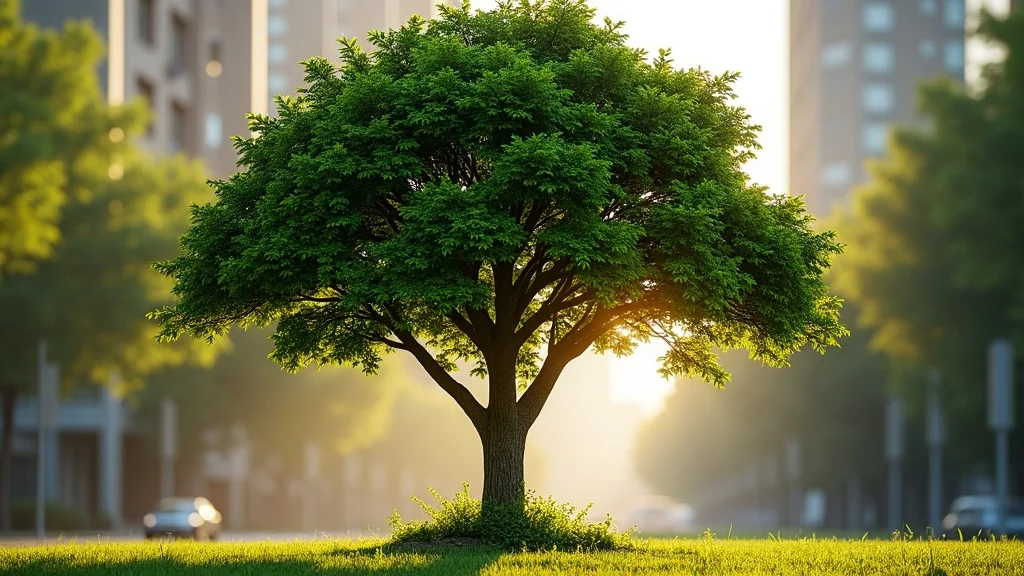
Lush healthy urban tree showcasing robust tree health trends in city park with sunlight filtering through leaves

Expert Insights: Tim McDowell on Tree Care and Maintenance Best Practices

“The number one tree issue I wish homeowners caught earlier is healthcare concerning pests and diseases. Early intervention can save a tree from irreversible damage.” Tim McDowell, Atlanta Branch Manager and ISA TRAQ Arborist of Pelfrey Tree Service

Annual Tree Care: Why Regular Maintenance is Crucial

One of the biggest upkeep mistakes homeowners make is neglecting annual tree care. Regular maintenance, including inspections, pruning, and health assessments, can prevent many problems or mitigate their impact if detected early.

Tim McDowell advocates, “Having arborists assess your trees annually is vital. This routine lets us catch pests, diseases, and structural issues early, saving time, money, and preserving your trees for years.” Scheduled care improves tree health trends by keeping them resilient to changing environmental pressures.

Incorporating expert advice into a tree maintenance plan also helps homeowners avoid emergencies and costly removals down the road, making the investment worthwhile.

When Should Homeowners Contact an Arborist?

Knowing when to seek professional help can save trees and money. Tim McDowell advises that consulting an arborist should happen even before purchasing a new home. “Homebuyers often inspect houses thoroughly but overlook tree evaluations, which can lead to unexpected $15,000-$20,000 bills from hazardous or dying trees,” he warns.

Beyond real estate transactions, homeowners should contact an arborist at the first signs of tree distress or when planning major landscape changes. Professional assessment ensures safe, healthy trees and reduces risks associated with weak branches or disease.

This proactive approach is a fundamental step in smart tree ownership aligned with current tree health trends.
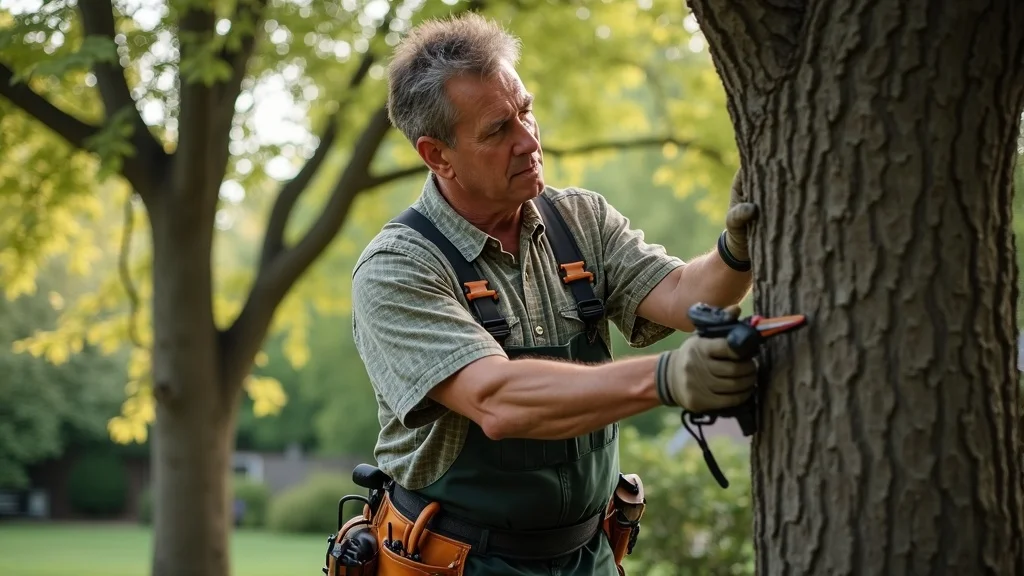
Experienced arborist inspecting mature tree with pruning shears to assess tree health trends in suburban backyard

The Role of Tree Species and Native Species in Tree Health Trends

Selecting Appropriate Tree Species for Urban Environments

The success of urban forestry depends heavily on choosing tree species suited to local environmental conditions. Selecting trees that are resilient to climate and urban stresses improves overall tree health trends and reduces maintenance needs.

“Urban planners and homeowners should prioritize species that tolerate pollution, compacted soil, and restricted root zones,” says Tim McDowell. The right selection ensures trees flourish, providing shade and ecological benefits without costly interventions.

Careful species choice also helps reduce vulnerability to pests and diseases, contributing to a healthier urban canopy over time.
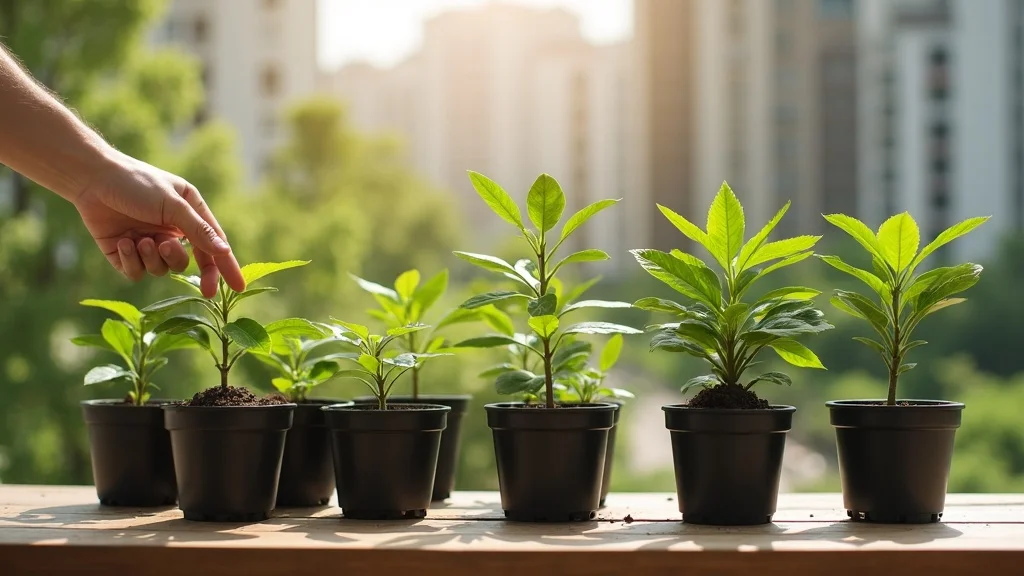
Selection of climate-resilient tree saplings in urban nursery supporting positive tree health trends

Benefits of Native Species for Sustainable Tree Care

Native species offer significant advantages for sustainable tree care because they are adapted to local climates and ecosystems. They generally require less water, fertilizer, and pesticide interventions, reducing environmental impacts and upkeep costs.

Incorporating native trees into landscaping supports biodiversity and strengthens ecological resilience. “Native trees contribute to a balanced environment, making them a cornerstone of sustainable tree health trends,” notes Tim McDowell.

Encouraging native plantings fosters healthier urban forests and promotes a greener future with less resource strain.

Community Involvement and Its Impact on Forest and Tree Health

Local Initiatives Supporting Tree Health and Greener Futures

Community engagement plays a crucial role in advancing tree health trends. Neighborhood tree planting events, educational programs, and volunteer-driven maintenance contribute to vibrant urban and forest ecosystems.

“Communities that actively involve residents in tree care see tangible benefits. It raises awareness and spreads responsibility for tree stewardship,” explains Tim McDowell. These collective efforts support sustainability goals and enhance local environmental quality.

Participation in local initiatives nurtures a culture of care, ensuring urban forests thrive for generations to come.
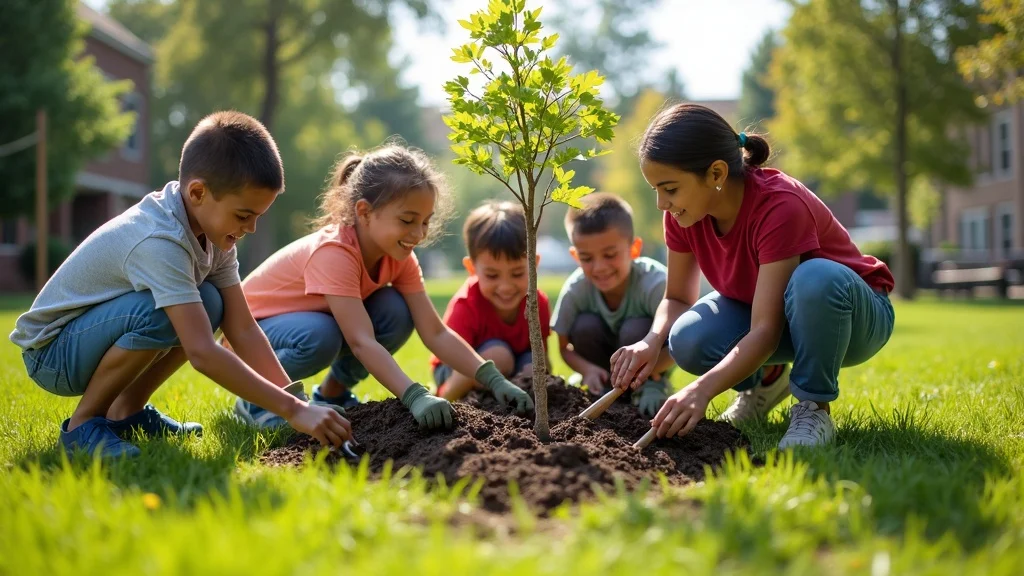
Diverse group participating in community tree planting to improve tree health trends and urban greenery

Technological Advances in Monitoring Tree Health Trends

Remote Sensing and Data Sources for Forest Health Assessment

Advances in technology, such as remote sensing and GIS data, allow arborists and researchers to monitor tree health trends at large scales. Satellite imagery, drones, and handheld devices gather detailed information on tree canopy health and forest disturbance.

Tim McDowell highlights, “Using modern tools, we can detect stressed or diseased trees before in-person inspections identify problems. This data-driven approach increases efficiency and accuracy in tree management.”

These technologies empower more proactive and informed interventions, helping preserve trees before issues escalate.

Arborist analyzing tree health with handheld technology device to monitor tree health trends

Enhanced Techniques for Inspecting Tree Health

Beyond remote sensing, new inspection equipment like advanced moisture meters, resistographs, and aerial imaging is enhancing the ability to assess tree conditions thoroughly.

These tools allow specialists to detect internal decay, measure sap flow, and evaluate structural integrity, refining maintenance and treatment plans. Such innovation represents the future of arboriculture and better tree health trends for homeowners.

Integrating these enhanced techniques ensures longer, healthier lifespans for trees in challenging urban and natural environments.

Common Mistakes Homeowners Make Regarding Tree Health and How to Avoid Them

Neglecting Annual Tree Care and Inspections

One of the most frequent errors is neglecting routine care. Without annual inspections, trees suffer from undetected pests, diseases, and structural issues that could have been prevented or treated early.

Tim McDowell points out, “Homeowners often wait too long, thinking trees can manage on their own. But healthy trees require ongoing attention to thrive.” Scheduling regular professional assessments is essential to avoid this mistake.

Consistent tree maintenance correlates directly with positive tree health trends and landscape value retention.

Failing to Assess Tree Health Before Purchasing a Property

Another costly oversight is skipping a tree health evaluation during home buying. Trees can present hidden hazards such as unstable limbs or root decay, posing safety risks and expensive repairs.

“I believe everyone should contact an arborist before purchasing a home to avoid costly surprises related to hazardous or dying trees,” Tim McDowell, Atlanta Branch Manager and ISA TRAQ Arborist at Pelfrey Tree Service emphasizes.

Including tree inspections along with home inspections ensures buyers make safer, informed property choices, protecting investments and family well-being.

Actionable Tips for Homeowners to Improve Tree Health

  • Schedule annual tree health assessments with a certified arborist

  • Learn to identify early signs of pests and diseases

  • Choose native and climate-resilient tree species for planting

  • Engage with local community tree care initiatives

  • Utilize technological tools for monitoring tree health when available

People Also Ask

What are 10 ways to save trees?

Saving trees involves proactive care and environmental stewardship. Key methods include:

  • Regular watering during droughts

  • Avoiding soil compaction around roots

  • Pruning dead or diseased branches promptly

  • Planting native, climate-appropriate species

  • Managing pest and disease infestations early

  • Mulching to retain moisture and regulate soil temperature

  • Avoiding damaging construction activities near trees

  • Preventing root damage by careful landscaping

  • Engaging community efforts for tree health awareness

  • Consulting professional arborists regularly

What are the new changes in forestry?

Forestry is adapting to climate change, remote sensing technology, and increased public involvement. Innovations include improved monitoring systems, shifts toward planting climate-resilient species, and sustainable management strategies to mitigate forest disturbances and pests.

What can I spray on my trees to keep them healthy?

Depending on the issue, arborists may recommend fungicides, insecticides, or organic treatments to manage pests and diseases. However, proper diagnosis is critical before application, so always consult a tree care professional for tailored advice.

How to improve tree health?

Improving tree health involves regular maintenance, proper watering, mulching, pest and disease control, and selecting suitable species. Educating yourself and partnering with an arborist ensures the best care tailored to your specific trees and environment.

Tree Health Issue

Signs to Watch For

Recommended Action

Pests and Diseases

Discolored leaves, holes, sap oozing

Consult an arborist, apply treatments early

Root Damage

Leaning tree, poor growth

Avoid soil compaction, inspect roots regularly

Drought Stress

Wilting leaves, leaf drop

Increase watering, and mulch the soil

Nutrient Deficiency

Yellowing leaves, stunted growth

Soil testing, fertilization as advised

Summary of Key Takeaways on Tree Health Trends

  • Early detection and regular maintenance are critical for healthy trees

  • Climate change is influencing new challenges in tree health

  • Homeowners should consult arborists before property purchase

  • Community involvement enhances urban and forest tree care

  • Technological advances improve monitoring and management

Final Thoughts on Embracing Tree Health Trends for a Greener Future

By adopting proactive tree care and leveraging expert knowledge like Tim McDowell’s insights, homeowners can protect their trees amidst evolving challenges and contribute to a healthier, greener tomorrow.

Call us at (770)524-9412 for expert tree health assessments and advice tailored to your home and community.


Tree Care Tips & Landscaping Arborist Stories

124 Views

Write A Comment

*
*
Please complete the captcha to submit your comment.
Related Posts All Posts
07.10.2026

Transform Your Patio This Summer with These Shade Ideas

Update Why Smart Patio Shade Ideas Matter This Summer The joys of summer can quickly be overshadowed by scorching sun and uncomfortable temperatures, especially during peak hours. An exposed patio can turn into an unforgiving surface, reaching soaring temperatures that deter even the most enthusiastic outdoor lovers. But don’t fret—implementing the right patio shade ideas can dramatically change how you enjoy your backyard. With effective shading solutions, your patio transforms from a sun-baked surface to a lush outdoor room, perfect for summer gatherings, evening meals, or quiet reading sessions. Mix and Match: Your Ideal Patio Shade Combination To create the perfect summertime retreat, consider layering your shade options. One popular strategy involves combining a permanent structure, such as a pergola or pavilion, with flexible elements like shade sails or cantilever umbrellas. For example, a beautiful pergola not only establishes an architectural focal point but also serves as a base for climbing vines that provide living shade. Meanwhile, easy-to-move canopies can be deployed as the sun shifts, ensuring comfort throughout the day. Understanding the Common Mistakes to Avoid When diving into patio shading, remember some common pitfalls that many homeowners encounter. First, opting for a single large umbrella as your sole solution may lead to coverage gaps. Instead, layer your strategies to maximize shading. Secondly, choosing a structure that's too small for your patio can lead to frustration and reduced usability. Plan wisely! Measure how sun exposure shifts across your patio during key times to ensure total coverage. Top Patio Shade Ideas You’ll Love Here are some popular solutions to consider: A Pergola: Classic and elegant, a pergola provides partial shade while allowing dappled light to filter through. With options for climbing plants or retractable shades, it's a blend of function and beauty. A Pavilion: If you want full protection, a pavilion offers an ideal solution with a sturdy roof that deflects rain and sun alike, creating a perfect outdoor sanctuary. Louvered Roof System: If flexibility is key, look for adjustable louvered roof systems that let you control sunlight and shade with ease. Perfect for tech-savvy homeowners! A Cantilever Umbrella: For a temporary but effective solution, invest in a high-quality cantilever umbrella. They easily pivot to follow the sun, ensuring coverage wherever you dine. Shade Sails: These fabric panels are unique and trendy, perfect for covering odd-shaped patios. They disperse sunlight at various angles, enhancing aesthetics while keeping things cool. Consider Adding Natural Elements Don't forget the natural aspect of shade. Planting a specially chosen tree—like a Japanese maple or a river birch—on the south side of your patio creates gorgeous dappled shade as it matures. This addition not only cools your space but also enhances the visual appeal of your garden. How Outdoor Curtains Boost Comfort and Style Outdoor curtains are an often-overlooked element that can significantly impact how comfortable your patio feels. They add a dramatic shade element while providing a cozy atmosphere. When choosing fabrics, opt for UV-resistant materials that can withstand outdoor conditions and keep their vibrant colors year-round. Creating a Personal Oasis This summer, don't let the heat drive you indoors. With the right mix of structure and plants, you can create a shaded escape. Whether you opt for elegant pavilions, playful shade sails, or sophisticated curtain drapery, the key lies in combining elements that suit your space, lifestyle, and personal style. Immerse yourself in the outdoors while safeguarding against the elements. Trust us, those summer patio memories are just around the corner! Feeling inspired? Step outside and evaluate your patio space today to make the most of summer fun.

07.10.2026

Enhance Your New Jersey Yard with These Thriving Privacy Shrubs

Update Creating Privacy in Your New Jersey Backyard Whether you live in a bustling neighborhood or a quiet suburb, privacy is a valued aspect of any yard. In New Jersey, property owners often seek out effective solutions to create visual barriers that protect them from prying eyes. Enter privacy shrubs. Not only do these plants provide natural seclusion, but they also enhance the beauty and biodiversity of our green spaces. Why Choose Shrubs for Privacy? Shrubs are an excellent choice for privacy due to their dense foliage and varying heights, making them versatile enough for any landscaping needs. Unlike fences or lattice, which can be stark and artificial, shrubs provide a lush, living barrier that improves the aesthetic of your surroundings. They can soften hard lines, blend into natural landscapes, and even support local wildlife. Must-Have Shrubs for New Jersey Gardens When selecting shrubs for privacy, it’s essential to focus on species that thrive in New Jersey's climate. Here’s a carefully curated list of shrubs that not only promise to grow robustly in New Jersey but also provide the most value when it comes to privacy. 1. American Arborvitae (Thuja occidentalis) The American Arborvitae is a renowned privacy shrub known for its rapid growth and tall, narrow form. Perfect for creating a living hedge, this evergreen can reach heights of up to 30 feet, providing excellent year-round coverage. It’s resilient to pests and diseases, making it a low-maintenance choice. 2. Eastern Red Cedar (Juniperus virginiana) This versatile evergreen is native to New Jersey and boasts a beautiful bluish-green color. The Eastern Red Cedar grows up to 50 feet tall, creating an impressive privacy screen. Additionally, its fragrant wood is appealing to many gardeners. 3. Boxwood (Buxus spp.) If you prefer a more formal look, the Boxwood shrub is ideal. With dense, evergreen foliage, these shrubs can be easily trimmed into either natural or manicured shapes, making them perfect for creating defined boundaries around your backyard space. 4. Privacy Viburnum (Viburnum dentatum) This deciduous shrub offers beautiful blooms in spring and fall while providing thick foliage for privacy. It can reach heights of up to 10 feet and attracts birds, making it a fantastic selection for wildlife lovers. 5. Wax Myrtle (Myrica cerifera) A fast-growing evergreen that thrives in coastal areas, Wax Myrtle can also do well in inland New Jersey. Its fragrant leaves and unique bluish berries make it a favorite among gardeners seeking both privacy and aesthetic appeal. Creating a Well-Designed Privacy Area While selecting the right shrubs is crucial, how you design your privacy area enhances the overall effect. Consider mixing shrubs of different heights and colors for a more natural look, allowing for visual interest in your landscape. Avoid planting them in rigid lines; instead, create curves or clusters to mimic nature. Maintenance Tips for Your Privacy Shrubs To ensure your privacy shrubs remain healthy and thriving, regular maintenance is key. Here are some quick tips: Watering: Newly planted shrubs need consistent watering for the first few months. Trimming: Regular pruning helps maintain the shape and promote healthy growth. Pest Management: Keep an eye out for pests and apply organic treatments if necessary. Conclusion Choosing the right shrubs for privacy in your New Jersey yard can significantly enhance your outdoor experience. Not only do these plants provide seclusion, but they also support local fauna and add beauty to your landscape. As you consider your options, remember to take into account your property's specific conditions and your personal preferences to create the perfect garden retreat for yourself and your family.

07.10.2026

Unlock the Potential of Your Small Backyard: Transformative Landscaping Ideas

Update Transform Your Small Backyard with Smart Landscaping Ideas Having a small backyard can feel limiting, but with the right landscaping strategies, you can turn every square foot into a functional and beautiful space. Whether it’s creating a cozy seating area, a small vegetable garden, or a peaceful retreat, clever designs can make your yard the envy of the neighborhood. The good news is that small spaces can be just as enchanting as larger ones with the right approach and a few useful ideas. Make the Most of Vertical Space One simple way to enhance a small backyard is to utilize vertical space effectively. Installing trellises or vertical gardens allows you to grow plants upward, saving valuable ground space. Imagine climbing vines like clematis or hanging flower pots filled with vibrant petunias bringing color and life to your walls; these features not only beautify but can also provide shade and privacy. Additionally, incorporating wall planters on fences or walls can create green art that transforms your backyard into a living gallery. This technique maximizes space and brings nature closer to your home, enabling a peaceful retreat that invites quiet moments among beauty. Create Zones for Different Activities When space is at a premium, consider dividing your backyard into functional zones. You could create a small dining area with a table and chairs, a play zone for kids, and a gardening nook. This not only organizes your space but also offers varied experiences without making it feel crowded. Moreover, using rugs and furniture arrangement can visually separate these areas, creating an illusion of larger space. Adding multifunctional furniture, such as a bench with storage, can enhance your space's usability. Look for tables that can expand for gatherings or fold away when not in use. These smart choices ensure that every square inch serves a purpose, making the most of your small outdoor area. Choose the Right Plants For limited space, selecting the right plants is crucial. Opt for native species that require less maintenance and are well-suited to your local climate. Plants such as lavender or ornamental grasses can thrive in small areas while adding texture and fragrance to your garden. Also, consider plants that perform double duty, like edible flowers or herbs, which are both beautiful and functional. Furthermore, incorporate container gardening into your design. Containers offer flexibility and can be moved around as needed, providing opportunities to mix and match plants throughout the seasons. This versatility allows for creativity and easy care, making your garden adaptable and ever-changing. Incorporate Hardscaping Features Hardscaping, which includes paths, patios, and decks, can greatly enhance a small backyard. A well-placed stone pathway can guide visitors through your garden while creating the illusion of expanded space. Moreover, using deck tiles or pavers can create inviting outdoor seating areas that blend seamlessly with nature. Adding a fire pit can also serve as a cozy gathering spot during cooler evenings, expanding your usable space year-round. With the right hardscaping elements, your small backyard can become an all-season sanctuary that invites relaxation and connection with family and friends. Use Color and Texture to Unify the Design Color plays an essential role in creating a cohesive look. By selecting a color palette for your furniture, plants, and decor, you can unify all elements of your backyard. Soft hues can create a calm and relaxing vibe, while bold colors can energize the space. Mixing different textures—from rough tree bark to smooth stone paths—adds visual interest without needing more space. Consider adding cushions, outdoor rugs, and decorative pots to further enhance the sensory experience. Maintaining Your Small Landscape Smaller gardens require just as much love and care as larger yards. Regularly pruning plants, clearing debris, and ensuring soil health can keep your garden thriving. Remember, a well-maintained garden appears more spacious and inviting, making each square foot feel truly utilized. Take the time to establish a simple maintenance routine, including watering, weeding, and fertilizing your plants. Keeping an eye out for pests and diseases will also help promote a vibrant and healthy landscape. Consider planting a few disease-resistant varieties to minimize maintenance and enhance your garden's resilience. Inspirational Quotes for Your Gardening Journey As you embark on your backyard transformation, keep encouragement at heart. Maya Angelou once said, "Nothing will work unless you do." This applies beautifully to gardening—every bit of effort put in will yield stunning results. Remember, your small backyard can become a place of joy, peace, and beauty with the right vision and care. Transforming your small backyard into a vibrant oasis is entirely achievable with a bit of creativity and the right strategies. Whether through vertical gardening, smart plant selection, or maintaining a tidy aesthetic, you’ll find that each square foot can deliver joy and functionality. So why not start your landscaping adventure today?

Green Space News

Homeowners & Businesses concerned about tree and landscape care, safety issues from storms, old or diseased trees, structural damage risks, and insurance implications.

Green Space News is a subsidiary of RP Design Web Services.

COMPANY

  • Privacy Policy
  • Terms of Use
  • Advertise
  • Contact Us
  • Menu 5
  • Menu 6

AVAILABLE FROM 8AM - 5PM

Cheshire,CT

POBox 1189

ABOUT US

Green Space News is your go-to media hub for cutting-edge strategies to maintain a safe and vibrant environment. We are committed to protecting your property and family by providing proactive tree hazard prevention and awareness. Our platform  empower communities to safeguard their surroundings and enjoy healthier, more resilient landscapes.

© 2026 RP Design Web Services All Rights Reserved. P.O. Box 1189, Cheshire, CT 06410 . Contact Us . Terms of Service . Privacy Policy

eyJjb21wYW55IjoiUlAgRGVzaWduIFdlYiBTZXJ2aWNlcyIsImFkZHJlc3MiOiJQLk8uIEJveCAxMTg5IiwiY2l0eSI6IkNoZXNoaXJlIiwic3RhdGUiOiJDVCIsInppcCI6IjA2NDEwIiwiZW1haWwiOiJyb2JlcnRAcnBkZXNpZ24uY29tIiwidG9zIjoiUEhBK1BITjBjbTl1Wno0OFpXMCtWMmhsYmlCNWIzVWdjMmxuYmkxcGJpQjNhWFJvSUhWekxDQjViM1VnWVhKbElHZHBkbWx1WnladVluTndPeUI1YjNWeUlIQmxjbTFwYzNOcGIyNGdZVzVrSUdOdmJuTmxiblFnZEc4Z2MyVnVaQ0I1YjNVZ1pXMWhhV3dnWVc1a0wyOXlJRk5OVXlCMFpYaDBJRzFsYzNOaFoyVnpMaUJDZVNCamFHVmphMmx1WnlCMGFHVWdWR1Z5YlhNZ1lXNWtJRU52Ym1ScGRHbHZibk1nWW05NElHRnVaQ0JpZVNCemFXZHVhVzVuSUdsdUlIbHZkU0JoZFhSdmJXRjBhV05oYkd4NUlHTnZibVpwY20wZ2RHaGhkQ0I1YjNVZ1lXTmpaWEIwSUdGc2JDQjBaWEp0Y3lCcGJpQjBhR2x6SUdGbmNtVmxiV1Z1ZEM0OEwyVnRQand2YzNSeWIyNW5Qand2Y0Q0S0NqeHdQanhoSUdoeVpXWTlJbWgwZEhBNkx5OTNkM2N1WjI5dloyeGxMbU52YlNJK2FIUjBjRG92TDNkM2R5NW5iMjluYkdVdVkyOXRQQzloUGp3dmNENEtDanh3UGladVluTndPend2Y0Q0S0NqeHdQanh6ZEhKdmJtYytVMFZTVmtsRFJUd3ZjM1J5YjI1blBqd3ZjRDRLQ2p4d1BsZGxJSEJ5YjNacFpHVWdZU0J6WlhKMmFXTmxJSFJvWVhRZ1kzVnljbVZ1ZEd4NUlHRnNiRzkzY3lCNWIzVWdkRzhnY21WalpXbDJaU0J5WlhGMVpYTjBjeUJtYjNJZ1ptVmxaR0poWTJzc0lHTnZiWEJoYm5rZ2FXNW1iM0p0WVhScGIyNHNJSEJ5YjIxdmRHbHZibUZzSUdsdVptOXliV0YwYVc5dUxDQmpiMjF3WVc1NUlHRnNaWEowY3l3Z1kyOTFjRzl1Y3l3Z1pHbHpZMjkxYm5SeklHRnVaQ0J2ZEdobGNpQnViM1JwWm1sallYUnBiMjV6SUhSdklIbHZkWElnWlcxaGFXd2dZV1JrY21WemN5QmhibVF2YjNJZ1kyVnNiSFZzWVhJZ2NHaHZibVVnYjNJZ1pHVjJhV05sTGlCWmIzVWdkVzVrWlhKemRHRnVaQ0JoYm1RZ1lXZHlaV1VnZEdoaGRDQjBhR1VnVTJWeWRtbGpaU0JwY3lCd2NtOTJhV1JsWkNBbWNYVnZkRHRCVXkxSlV5WnhkVzkwT3lCaGJtUWdkR2hoZENCM1pTQmhjM04xYldVZ2JtOGdjbVZ6Y0c5dWMybGlhV3hwZEhrZ1ptOXlJSFJvWlNCMGFXMWxiR2x1WlhOekxDQmtaV3hsZEdsdmJpd2diV2x6TFdSbGJHbDJaWEo1SUc5eUlHWmhhV3gxY21VZ2RHOGdjM1J2Y21VZ1lXNTVJSFZ6WlhJZ1kyOXRiWFZ1YVdOaGRHbHZibk1nYjNJZ2NHVnljMjl1WVd4cGVtRjBhVzl1SUhObGRIUnBibWR6TGp3dmNENEtDanh3UGxsdmRTQmhjbVVnY21WemNHOXVjMmxpYkdVZ1ptOXlJRzlpZEdGcGJtbHVaeUJoWTJObGMzTWdkRzhnZEdobElGTmxjblpwWTJVZ1lXNWtJSFJvWVhRZ1lXTmpaWE56SUcxaGVTQnBiblp2YkhabElIUm9hWEprSUhCaGNuUjVJR1psWlhNZ0tITjFZMmdnWVhNZ1UwMVRJSFJsZUhRZ2JXVnpjMkZuWlhNc0lFbHVkR1Z5Ym1WMElITmxjblpwWTJVZ2NISnZkbWxrWlhJZ2IzSWdZMlZzYkhWc1lYSWdZV2x5ZEdsdFpTQmphR0Z5WjJWektTNGdXVzkxSUdGeVpTQnlaWE53YjI1emFXSnNaU0JtYjNJZ2RHaHZjMlVnWm1WbGN5d2dhVzVqYkhWa2FXNW5JSFJvYjNObElHWmxaWE1nWVhOemIyTnBZWFJsWkNCM2FYUm9JSFJvWlNCa2FYTndiR0Y1SUc5eUlHUmxiR2wyWlhKNUlHOW1JR1ZoWTJnZ1UwMVRJSFJsZUhRZ2JXVnpjMkZuWlNCelpXNTBJSFJ2SUhsdmRTQmllU0IxY3k0Z1NXNGdZV1JrYVhScGIyNHNJSGx2ZFNCdGRYTjBJSEJ5YjNacFpHVWdZVzVrSUdGeVpTQnlaWE53YjI1emFXSnNaU0JtYjNJZ1lXeHNJR1Z4ZFdsd2JXVnVkQ0J1WldObGMzTmhjbmtnZEc4Z1lXTmpaWE56SUhSb1pTQlRaWEoyYVdObElHRnVaQ0J5WldObGFYWmxJSFJvWlNCVFRWTWdkR1Y0ZENCdFpYTnpZV2RsY3k0Z1YyVWdaRzhnYm05MElHTm9ZWEpuWlNCaGJua2dabVZsY3lCbWIzSWdaR1ZzYVhabGNua2diMllnWlcxaGFXd2diM0lnVTAxVExpQlVhR2x6SUdseklHRWdabkpsWlNCelpYSjJhV05sSUhCeWIzWnBaR1ZrSUdKNUlIVnpMaUJJYjNkbGRtVnlMQ0J3YkdWaGMyVWdZMmhsWTJzZ2QybDBhQ0I1YjNWeUlHbHVkR1Z5Ym1WMElITmxjblpwWTJVZ2NISnZkbWxrWlhJZ1lXNWtJR05sYkd4MWJHRnlJR05oY25KcFpYSWdabTl5SUdGdWVTQmphR0Z5WjJWeklIUm9ZWFFnYldGNUlHbHVZM1Z5SUdGeklHRWdjbVZ6ZFd4MElHWnliMjBnY21WalpXbDJhVzVuSUdWdFlXbHNJR0Z1WkNCVFRWTWdkR1Y0ZENCdFpYTnpZV2RsY3lCMGFHRjBJSGRsSUdSbGJHbDJaWElnZFhCdmJpQjViM1Z5SUc5d2RDMXBiaUJoYm1RZ2NtVm5hWE4wY21GMGFXOXVJSGRwZEdnZ2IzVnlJR1Z0WVdsc0lHRnVaQ0JUVFZNZ2MyVnlkbWxqWlhNdUlGbHZkU0JqWVc0Z1kyRnVZMlZzSUdGMElHRnVlU0IwYVcxbExpQktkWE4wSUhSbGVIUWdKbkYxYjNRN1UxUlBVQ1p4ZFc5ME95QjBieUE4YUdsbmFHeHBaMmgwSUdOc1lYTnpQU0pqYjIxd1lXNTVVR2h2Ym1WVmNHUmhkR1VpUGlzeE1qQXpNamN4TnprNU1Ud3ZhR2xuYUd4cFoyaDBQaTRnUVdaMFpYSWdlVzkxSUhObGJtUWdkR2hsSUZOTlV5QnRaWE56WVdkbElDWnhkVzkwTzFOVVQxQW1jWFZ2ZERzZ2RHOGdkWE1zSUhkbElIZHBiR3dnYzJWdVpDQjViM1VnWVc0Z1UwMVRJRzFsYzNOaFoyVWdkRzhnWTI5dVptbHliU0IwYUdGMElIbHZkU0JvWVhabElHSmxaVzRnZFc1emRXSnpZM0pwWW1Wa0xpQkJablJsY2lCMGFHbHpMQ0I1YjNVZ2QybHNiQ0J1YnlCc2IyNW5aWElnY21WalpXbDJaU0JUVFZNZ2JXVnpjMkZuWlhNZ1puSnZiU0IxY3k0OEwzQStDZ284Y0Q0OGMzUnliMjVuUGxsUFZWSWdVa1ZIU1ZOVVVrRlVTVTlPSUU5Q1RFbEhRVlJKVDA1VFBDOXpkSEp2Ym1jK1BDOXdQZ29LUEhBK1NXNGdZMjl1YzJsa1pYSmhkR2x2YmlCdlppQjViM1Z5SUhWelpTQnZaaUIwYUdVZ1UyVnlkbWxqWlN3Z2VXOTFJR0ZuY21WbElIUnZPand2Y0Q0S0NqeHZiRDRLQ1R4c2FUNXdjbTkyYVdSbElIUnlkV1VzSUdGalkzVnlZWFJsTENCamRYSnlaVzUwSUdGdVpDQmpiMjF3YkdWMFpTQnBibVp2Y20xaGRHbHZiaUJoWW05MWRDQjViM1Z5YzJWc1ppQmhjeUJ3Y205dGNIUmxaQ0JpZVNCMGFHVWdVMlZ5ZG1salpTWWpNems3Y3lCeVpXZHBjM1J5WVhScGIyNGdabTl5YlNBb2MzVmphQ0JwYm1admNtMWhkR2x2YmlCaVpXbHVaeUIwYUdVZ0puRjFiM1E3VW1WbmFYTjBjbUYwYVc5dUlFUmhkR0VtY1hWdmREc3BJR0Z1WkR3dmJHaytDZ2s4YkdrK2JXRnBiblJoYVc0Z1lXNWtJSEJ5YjIxd2RHeDVJSFZ3WkdGMFpTQjBhR1VnVW1WbmFYTjBjbUYwYVc5dUlFUmhkR0VnZEc4Z2EyVmxjQ0JwZENCMGNuVmxMQ0JoWTJOMWNtRjBaU3dnWTNWeWNtVnVkQ0JoYm1RZ1kyOXRjR3hsZEdVdUlFbG1JSGx2ZFNCd2NtOTJhV1JsSUdGdWVTQnBibVp2Y20xaGRHbHZiaUIwYUdGMElHbHpJSFZ1ZEhKMVpTd2dhVzVoWTJOMWNtRjBaU3dnYm05MElHTjFjbkpsYm5RZ2IzSWdhVzVqYjIxd2JHVjBaU3dnYjNJZ2QyVWdhR0YyWlNCeVpXRnpiMjVoWW14bElHZHliM1Z1WkhNZ2RHOGdjM1Z6Y0dWamRDQjBhR0YwSUhOMVkyZ2dhVzVtYjNKdFlYUnBiMjRnYVhNZ2RXNTBjblZsTENCcGJtRmpZM1Z5WVhSbExDQnViM1FnWTNWeWNtVnVkQ0J2Y2lCcGJtTnZiWEJzWlhSbExDQjNaU0JvWVhabElIUm9aU0J5YVdkb2RDQjBieUJ6ZFhOd1pXNWtJRzl5SUR4emRISnZibWMrUEhOd1lXNGdjM1I1YkdVOUltTnZiRzl5T2lOR1JqQXdNREE3SWo1MFpYSnRhVzVoZEdVZ2VXOTFjaUJoWTJOdmRXNTBMM0J5YjJacGJHVWdZVzVrSUhKbFpuVnpaU0JoYm5rZ1lXNWtJR0ZzYkNCamRYSnlaVzUwSUc5eUlHWjFkSFZ5WlNCMWMyVWdiMllnZEdobElGTmxjblpwWTJVZ0tHOXlJR0Z1ZVNCd2IzSjBhVzl1SUhSb1pYSmxiMllwTGp3dmMzQmhiajQ4TDNOMGNtOXVaejQ4TDJ4cFBnbzhMMjlzUGdvS1BIQStKbTVpYzNBN1BDOXdQZ284YUdsbmFHeHBaMmgwSUdOc1lYTnpQU0pqYjIxd1lXNTVUbUZ0WlZWd1pHRjBaU0krVWxBZ1JHVnphV2R1SUZkbFlpQlRaWEoyYVdObGN6d3ZhR2xuYUd4cFoyaDBQanhpY2lBdlBnbzhhR2xuYUd4cFoyaDBJR05zWVhOelBTSmpiMjF3WVc1NVFXUmtjbVZ6YzFWd1pHRjBaU0krVUM1UExpQkNiM2dnTVRFNE9Td2dRMmhsYzJocGNtVXNJRU5VSURBMk5ERXdQQzlvYVdkb2JHbG5hSFErUEdKeUlDOCtDanhvYVdkb2JHbG5hSFFnWTJ4aGMzTTlJbU52YlhCaGJubFFhRzl1WlZWd1pHRjBaU0krS3pFeU1ETXlOekUzT1RreFBDOW9hV2RvYkdsbmFIUStQR0p5SUM4K0NqeG9hV2RvYkdsbmFIUWdZMnhoYzNNOUltTnZiWEJoYm5sRmJXRnBiRlZ3WkdGMFpTSStjbTlpWlhKMFFISndaR1Z6YVdkdUxtTnZiVHd2YUdsbmFHeHBaMmgwUGc9PSIsInByaXZhY3kiOiJQSEErUEhOMGNtOXVaejVRVWtsV1FVTlpQQzl6ZEhKdmJtYytQQzl3UGdvS1BIQStQSE4wY205dVp6NVVhR1VnYVc1bWIzSnRZWFJwYjI0Z2NISnZkbWxrWldRZ1pIVnlhVzVuSUhSb2FYTWdjbVZuYVhOMGNtRjBhVzl1SUdseklHdGxjSFFnY0hKcGRtRjBaU0JoYm1RZ1kyOXVabWxrWlc1MGFXRnNMQ0JoYm1RZ2QybHNiQ0J1WlhabGNpQmlaU0JrYVhOMGNtbGlkWFJsWkN3Z1kyOXdhV1ZrTENCemIyeGtMQ0IwY21Ga1pXUWdiM0lnY0c5emRHVmtJR2x1SUdGdWVTQjNZWGtzSUhOb1lYQmxJRzl5SUdadmNtMHVJRlJvYVhNZ2FYTWdiM1Z5SUdkMVlYSmhiblJsWlM0OEwzTjBjbTl1Wno0OEwzQStDZ284Y0Q0OGMzUnliMjVuUGtsT1JFVk5Ua2xVV1R3dmMzUnliMjVuUGp3dmNENEtDanh3UGp4bGJUNVpiM1VnWVdkeVpXVWdkRzhnYVc1a1pXMXVhV1o1SUdGdVpDQm9iMnhrSUhWekxDNGdZVzVrSUdsMGN5QnpkV0p6YVdScFlYSnBaWE1zSUdGbVptbHNhV0YwWlhNc0lHOW1abWxqWlhKekxDQmhaMlZ1ZEhNc0lHTnZMV0p5WVc1a1pYSnpJRzl5SUc5MGFHVnlJSEJoY25SdVpYSnpMQ0JoYm1RZ1pXMXdiRzk1WldWekxDQm9ZWEp0YkdWemN5Qm1jbTl0SUdGdWVTQmpiR0ZwYlNCdmNpQmtaVzFoYm1Rc0lHbHVZMngxWkdsdVp5QnlaV0Z6YjI1aFlteGxJR0YwZEc5eWJtVjVjeVlqTXprN0lHWmxaWE1zSUcxaFpHVWdZbmtnWVc1NUlIUm9hWEprSUhCaGNuUjVJR1IxWlNCMGJ5QnZjaUJoY21semFXNW5JRzkxZENCdlppQkRiMjUwWlc1MElIbHZkU0J5WldObGFYWmxMQ0J6ZFdKdGFYUXNJSEpsY0d4NUxDQndiM04wTENCMGNtRnVjMjFwZENCdmNpQnRZV3RsSUdGMllXbHNZV0pzWlNCMGFISnZkV2RvSUhSb1pTQlRaWEoyYVdObExDQjViM1Z5SUhWelpTQnZaaUIwYUdVZ1UyVnlkbWxqWlN3Z2VXOTFjaUJqYjI1dVpXTjBhVzl1SUhSdklIUm9aU0JUWlhKMmFXTmxMQ0I1YjNWeUlIWnBiMnhoZEdsdmJpQnZaaUIwYUdVZ1ZFOVRMQ0J2Y2lCNWIzVnlJSFpwYjJ4aGRHbHZiaUJ2WmlCaGJua2djbWxuYUhSeklHOW1JR0Z1YjNSb1pYSXVQQzlsYlQ0OEwzQStDZ284Y0Q0OGMzUnliMjVuUGtSSlUwTk1RVWxOUlZJZ1QwWWdWMEZTVWtGT1ZFbEZVend2YzNSeWIyNW5Qand2Y0Q0S0NqeHdQanh6ZEhKdmJtYytXVTlWSUVWWVVGSkZVMU5NV1NCVlRrUkZVbE5VUVU1RUlFRk9SQ0JCUjFKRlJTQlVTRUZVT2p3dmMzUnliMjVuUGp3dmNENEtDanh2YkQ0S0NUeHNhVDVaVDFWU0lGVlRSU0JQUmlCVVNFVWdVMFZTVmtsRFJTQkpVeUJCVkNCWlQxVlNJRk5QVEVVZ1VrbFRTeTRnVkVoRklGTkZVbFpKUTBVZ1NWTWdVRkpQVmtsRVJVUWdUMDRnUVU0Z0puRjFiM1E3UVZNZ1NWTW1jWFZ2ZERzZ1FVNUVJQ1p4ZFc5ME8wRlRJRUZXUVVsTVFVSk1SU1p4ZFc5ME95QkNRVk5KVXk0Z0xDNGdRVTVFSUZWVExDQkpWQ1lqTXprN1V5QkRWVk5VVDAxRlVsTXNJRVZZVUZKRlUxTk1XU0JFU1ZORFRFRkpUVk1nUVV4TUlGZEJVbEpCVGxSSlJWTWdUMFlnUVU1WklFdEpUa1FzSUZkSVJWUklSVklnUlZoUVVrVlRVeUJQVWlCSlRWQk1TVVZFTENCSlRrTk1WVVJKVGtjc0lFSlZWQ0JPVDFRZ1RFbE5TVlJGUkNCVVR5QlVTRVVnU1UxUVRFbEZSQ0JYUVZKU1FVNVVTVVZUSUU5R0lFMUZVa05JUVU1VVFVSkpURWxVV1N3Z1JrbFVUa1ZUVXlCR1QxSWdRU0JRUVZKVVNVTlZURUZTSUZCVlVsQlBVMFVnUVU1RUlFNVBUaTFKVGtaU1NVNUhSVTFGVGxRdVBDOXNhVDRLQ1R4c2FUNU5RVXRGVXlCT1R5QlhRVkpTUVU1VVdTQlVTRUZVSUNocEtTQlVTRVVnVTBWU1ZrbERSU0JYU1V4TUlFMUZSVlFnV1U5VlVpQlNSVkZWU1ZKRlRVVk9WRk1zSUNocGFTa2dWRWhGSUZORlVsWkpRMFVnVjBsTVRDQkNSU0JWVGtsT1ZFVlNVbFZRVkVWRUxDQlVTVTFGVEZrc0lGTkZRMVZTUlN3Z1QxSWdSVkpTVDFJdFJsSkZSU3dnS0dscGFTa2dWRWhGSUZKRlUxVk1WRk1nVkVoQlZDQk5RVmtnUWtVZ1QwSlVRVWxPUlVRZ1JsSlBUU0JVU0VVZ1ZWTkZJRTlHSUZSSVJTQlRSVkpXU1VORklGZEpURXdnUWtVZ1FVTkRWVkpCVkVVZ1QxSWdVa1ZNU1VGQ1RFVXNJRUZPUkNBb2FYWXBJRUZPV1NCRlVsSlBVbE1nU1U0Z1ZFaEZJRk5QUmxSWFFWSkZJRmRKVEV3Z1FrVWdRMDlTVWtWRFZFVkVMand2YkdrK0NnazhiR2srUVU1WklFMUJWRVZTU1VGTUlFUlBWMDVNVDBGRVJVUWdUMUlnVDFSSVJWSlhTVk5GSUU5Q1ZFRkpUa1ZFSUZSSVVrOVZSMGdnVkVoRklGVlRSU0JQUmlCVVNFVWdVMFZTVmtsRFJTQkpVeUJFVDA1RklFRlVJRmxQVlZJZ1QxZE9JRVJKVTBOU1JWUkpUMDRnUVU1RUlGSkpVMHNnUVU1RUlGUklRVlFnV1U5VklGZEpURXdnUWtVZ1UwOU1SVXhaSUZKRlUxQlBUbE5KUWt4RklFWlBVaUJCVGxrZ1JFRk5RVWRGSUZSUElGbFBWVklnUTA5TlVGVlVSVklnVTFsVFZFVk5JRTlTSUV4UFUxTWdUMFlnUkVGVVFTQlVTRUZVSUZKRlUxVk1WRk1nUmxKUFRTQlVTRVVnUkU5WFRreFBRVVFnVDBZZ1FVNVpJRk5WUTBnZ1RVRlVSVkpKUVV3dVBDOXNhVDRLQ1R4c2FUNU9UeUJCUkZaSlEwVWdUMUlnU1U1R1QxSk5RVlJKVDA0c0lGZElSVlJJUlZJZ1QxSkJUQ0JQVWlCWFVrbFVWRVZPTENCUFFsUkJTVTVGUkNCQ1dTQlpUMVVnUmxKUFRTQlBVaUJVU0ZKUFZVZElJRTlTSUVaU1QwMGdWRWhGSUZORlVsWkpRMFVnVTBoQlRFd2dRMUpGUVZSRklFRk9XU0JYUVZKU1FVNVVXU0JPVDFRZ1JWaFFVa1ZUVTB4WklGTlVRVlJGUkNCSlRpQlVTRVVnVkU5VExqd3ZiR2srQ2p3dmIydytDZ284Y0Q0OGMzUnliMjVuUGt4SlRVbFVRVlJKVDA0Z1QwWWdURWxCUWtsTVNWUlpQQzl6ZEhKdmJtYytQQzl3UGdvS1BIQStXVTlWSUVWWVVGSkZVMU5NV1NCVlRrUkZVbE5VUVU1RUlFRk9SQ0JCUjFKRlJTQlVTRUZVSUVGT1JDQlRTRUZNVENCT1QxUWdRa1VnVEVsQlFreEZJRVpQVWlCQlRsa2dSRWxTUlVOVUxDQkpUa1JKVWtWRFZDd2dTVTVEU1VSRlRsUkJUQ3dnVTFCRlEwbEJUQ3dnUTA5T1UwVlJWVVZPVkVsQlRDQlBVaUJGV0VWTlVFeEJVbGtnUkVGTlFVZEZVeXdnU1U1RFRGVkVTVTVISUVKVlZDQk9UMVFnVEVsTlNWUkZSQ0JVVHl3Z1JFRk5RVWRGVXlCR1QxSWdURTlUVXlCUFJpQlFVazlHU1ZSVExDQkhUMDlFVjBsTVRDd2dWVk5GTENCRVFWUkJJRTlTSUU5VVNFVlNJRWxPVkVGT1IwbENURVVnVEU5VFUwVlRJQ2hGVmtWT0lFbEdJRWhCVXlCQ1JVVk9JRUZFVmtsVFJVUWdUMFlnVkVoRklGQlBVMU5KUWtsTVNWUlpJRTlHSUZOVlEwZ2dSRUZOUVVkRlV5a3NJRkpGVTFWTVZFbE9SeUJHVWs5Tk9qd3ZjRDRLQ2p4dmJENEtDVHhzYVQ1VVNFVWdWVk5GSUU5U0lGUklSU0JKVGtGQ1NVeEpWRmtnVkU4Z1ZWTkZJRlJJUlNCVFJWSldTVU5GT3p3dmJHaytDZ2s4YkdrK1ZFaEZJRU5QVTFRZ1QwWWdVRkpQUTFWU1JVMUZUbFFnVDBZZ1UxVkNVMVJKVkZWVVJTQkhUMDlFVXlCQlRrUWdVMFZTVmtsRFJWTWdVa1ZUVlV4VVNVNUhJRVpTVDAwZ1FVNVpJRWRQVDBSVExDQkVRVlJCTENCSlRrWlBVazFCVkVsUFRpQlBVaUJUUlZKV1NVTkZVeUJRVlZKRFNFRlRSVVFnVDFJZ1QwSlVRVWxPUlVRZ1QxSWdUVVZUVTBGSFJWTWdVa1ZEUlVsV1JVUWdUMUlnVkZKQlRsTkJRMVJKVDA1VElFVk9WRVZTUlVRZ1NVNVVUeUJVU0ZKUFZVZElJRTlTSUVaU1QwMGdWRWhGSUZORlVsWkpRMFU3UEM5c2FUNEtDVHhzYVQ1VlRrRlZWRWhQVWtsYVJVUWdRVU5EUlZOVElGUlBJRTlTSUVGTVZFVlNRVlJKVDA0Z1QwWWdXVTlWVWlCVVVrRk9VMDFKVTFOSlQwNVRJRTlTSUVSQlZFRTdQQzlzYVQ0S0NUeHNhVDVUVkVGVVJVMUZUbFJUSUU5U0lFTlBUa1JWUTFRZ1QwWWdRVTVaSUZSSVNWSkVJRkJCVWxSWklFOU9JRlJJUlNCVFJWSldTVU5GT3lCUFVqd3ZiR2srQ2drOGJHaytRVTVaSUU5VVNFVlNJRTFCVkZSRlVpQlNSVXhCVkVsT1J5QlVUeUJVU0VVZ1UwVlNWa2xEUlM0OEwyeHBQZ284TDI5c1Bnb0tQSEErUEhVK1Fua2djbVZuYVhOMFpYSnBibWNnWVc1a0lITjFZbk5qY21saWFXNW5JSFJ2SUc5MWNpQmxiV0ZwYkNCaGJtUWdVMDFUSUhObGNuWnBZMlVzSUdKNUlHOXdkQzFwYml3Z2IyNXNhVzVsSUhKbFoybHpkSEpoZEdsdmJpQnZjaUJpZVNCbWFXeHNhVzVuSUc5MWRDQmhJR05oY21Rc0lDWnhkVzkwTzNsdmRTQmhaM0psWlNCMGJ5QjBhR1Z6WlNCVVJWSk5VeUJQUmlCVFJWSldTVU5GSm5GMWIzUTdJR0Z1WkNCNWIzVWdZV05yYm05M2JHVmtaMlVnWVc1a0lIVnVaR1Z5YzNSaGJtUWdkR2hsSUdGaWIzWmxJSFJsY20xeklHOW1JSE5sY25acFkyVWdiM1YwYkdsdVpXUWdZVzVrSUdSbGRHRnBiR1ZrSUdadmNpQjViM1VnZEc5a1lYa3VQQzkxUGp3dmNENEtDanh3UGladVluTndPend2Y0Q0S1BHaHBaMmhzYVdkb2RDQmpiR0Z6Y3owaVkyOXRjR0Z1ZVU1aGJXVlZjR1JoZEdVaVBsSlFJRVJsYzJsbmJpQlhaV0lnVTJWeWRtbGpaWE04TDJocFoyaHNhV2RvZEQ0OFluSWdMejRLUEdocFoyaHNhV2RvZENCamJHRnpjejBpWTI5dGNHRnVlVUZrWkhKbGMzTlZjR1JoZEdVaVBsQXVUeTRnUW05NElERXhPRGtzSUVOb1pYTm9hWEpsTENCRFZDQXdOalF4TUR3dmFHbG5hR3hwWjJoMFBqeGljaUF2UGdvOGFHbG5hR3hwWjJoMElHTnNZWE56UFNKamIyMXdZVzU1VUdodmJtVlZjR1JoZEdVaVBpc3hNakF6TWpjeE56azVNVHd2YUdsbmFHeHBaMmgwUGp4aWNpQXZQZ284YUdsbmFHeHBaMmgwSUdOc1lYTnpQU0pqYjIxd1lXNTVSVzFoYVd4VmNHUmhkR1VpUG5KdlltVnlkRUJ5Y0dSbGMybG5iaTVqYjIwOEwyaHBaMmhzYVdkb2REND0ifQ==

Terms of Service

Privacy Policy

Core Modal Title

Sorry, no results found

You Might Find These Articles Interesting

T
Please Check Your Email
We Will Be Following Up Shortly
*
*
*

