








Understanding Dense Fog and Its Effects
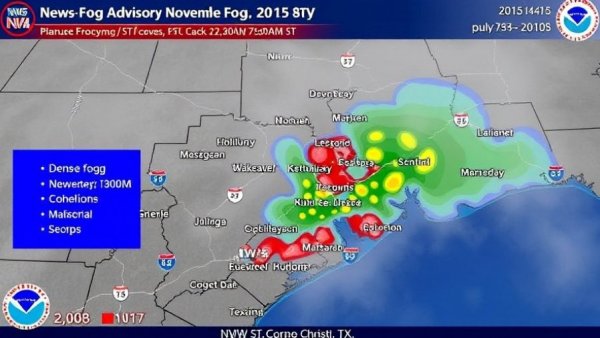
This morning, folks in inland Calhoun and Victoria Counties are experiencing dense fog, with visibility dropping to just a quarter of a mile or even less. This kind of weather can be quite fascinating but also a bit tricky for those of us heading out on the road.
Dense fog occurs when water droplets in the air become thick enough to significantly reduce visibility. Drivers need to be extra cautious during these conditions, as it can transform a familiar route into a challenging challenge.
The Importance of Weather Alerts
Weather alerts, like the one issued by the National Weather Service (NWS), play a crucial role in keeping everyone safe. The ongoing advisory for dense fog is not just a notification; it's a lifeline for drivers. Knowing about hazardous driving conditions in advance allows everyone to make informed decisions, such as delaying travel or using alternative routes. If our community stays connected to these alerts, we can prevent accidents and ensure safer road conditions for everyone.
Tips for Driving in Fog
When faced with foggy conditions like today's, it’s essential to remember some important driving tips:
- Use Low Beams: High beams can reflect off the fog, making visibility worse. Keep your low beams on to navigate through the mist.
- Slow Down: Reducing your speed gives you more time to react to sudden changes or obstacles on the road.
- Use Fog Lights: If your vehicle is equipped with fog lights, be sure to use them, as they are designed to cut through fog more effectively.
- Maintain Distance: Keeping a safe distance from the car in front allows for more reaction time and reduces the risk of a collision.
Why Does Fog Form?
Fog is not just an inconvenience; it's a natural weather phenomenon that occurs under specific conditions. Typically, fog forms on calm, clear nights when moisture from the ground cools and condenses in the air. Once the temperatures drop, that moisture condenses into those tiny droplets we see in the air.
Understanding fog can deepen our appreciation for weather patterns and their effects on our lives. Plus, it leads us to think about how we can be more prepared for unexpected weather events. For young people and families in our community, discussing weather phenomena like fog at home can spark curiosity and learning about science and environmental changes.
Community Connections
As we grapple with these foggy conditions, it’s also a good time for community engagement. Share experiences, like foggy drives, and ask if others in your neighborhood have tips for dealing with the weather. This simple connection can lead to stronger bonds as we look out for one another.
Looking Ahead: Weather Awareness
The dense fog advisory is a timely reminder of the importance of being weather-aware. It encourages everyone to stay informed and vigilant - not just for fog but for other weather-related challenges we may face in the future. Resources like weather apps and local news alerts can keep us updated and safe.
As technology advances, we find ourselves with tools that provide real-time information. An app that alerts us to weather conditions or a community board where we can discuss local weather patterns can empower us to navigate our environment more safely and wisely.
So, let’s stay tuned to weather updates and keep our community safe as we head out today. Together we can ensure that bad weather doesn’t result in accidents or fear but rather becomes a shared experience of learning and safety.




Write A Comment