








Understanding the Wind and Fog Advisory
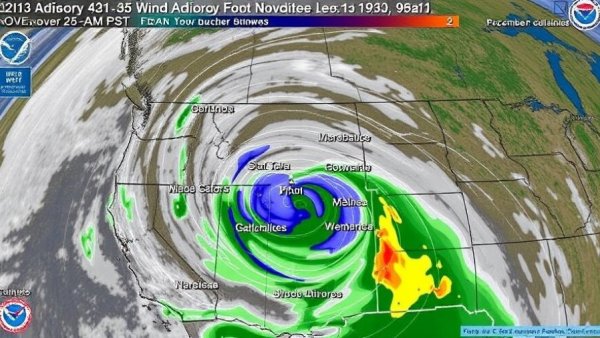
The National Weather Service has issued a wind and fog advisory that affects the foothills of the Northern Blue Mountains in Oregon. As the advisory takes effect from tonight, southeast winds are expected to reach speeds between 25 to 35 mph, with gusts hitting an impressive 40 to 55 mph. These conditions also come with a dense fog advisory, which warns that visibility could drop to one-quarter mile or less. For arborists and those in the landscaping business, understanding how these weather changes can affect tree safety and work schedules is essential.
Impact of Winds on Tree Safety
As arborists, understanding the impact of high winds is crucial. Gusty winds can blow trees and branches down, leading to power outages and potential hazards for people and property. When wind gusts exceed 40 mph, even healthy trees can lose branches or topple over, especially if they are weakened or improperly pruned. Therefore, conducting a thorough assessment of tree health before such advisories come into effect is imperative. Be on the lookout for signs of weakness such as cracked limbs, rot, or poor structure, and address these issues proactively.
Visibility and Driving Conditions
The accompanying dense fog further complicates the situation. Reduced visibility can make driving conditions hazardous, posing risks not only to arborists driving to job sites but also to anyone involved in transporting equipment. In situations where visibility is greatly reduced, ensuring that your vehicle is equipped for low visibility should be a priority. This might include having working fog lights and maintaining a safe speed. Arborists must also prepare for the possibility of weather-related delays in their schedules, particularly when fog limits movement on the roads and visibility is seriously compromised.
Preparing for Weather Extremes
With weather patterns becoming more unpredictable due to climate change, arborists must stay informed and prepared for varying conditions. This advisory emphasizes the need for appropriate training in how to handle tree care during such weather fluctuations. The combination of wind and fog serves as a reminder that adverse weather conditions can lead to complex challenges for tree health and safety. Staying in touch with local advisories and forecasts can help arborists plan effectively—rescheduling jobs if necessary to ensure safety.
Actionable Tips for Arborists
Here are some practical insights for arborists to safely navigate current weather advisories and ensure the well-being of your crew and the trees under your care:
- Perform Regular Inspections: Regularly check the health of trees and remove any dead or weak branches that might fall during windy conditions. It’s proactive measures like these that can save you from future headaches.
- Secure Tools and Equipment: Ensure that all equipment used in tree care is secured properly to prevent it from becoming a projectile in strong winds. A well-secured workspace is key to protecting not only your gear but also those working around you.
- Drive Safely: If you need to travel in foggy conditions, use low beam headlights, and maintain a safe distance from other vehicles to account for the unpredictable nature of these driving conditions. Consider avoiding travel when possible.
- Postpone Work If Necessary: Don’t attempt to work in dangerous conditions; prioritize safety first. If forecasts predict high winds or dense fog, reschedule jobs as needed. Your well-being—and that of your team—should always come first.
Conclusion: Stay Informed and Safe
In light of the current weather advisory, it's crucial for arborists to remain vigilant and prepared for safety challenges. By understanding the risks posed by high winds and fog, taking necessary precautionary measures, and staying informed about local weather conditions, you can ensure the safety of yourself and your team. Always prioritize safety over production, especially when severe weather strikes. For further updates and insights into best practices for tree care, keep following reliable weather channels and forestry services. Being proactive in the face of adverse weather can make all the difference in ensuring a successful and safe work environment for arborists.




Write A Comment