








Dense Fog Advisory: What You Need to Know
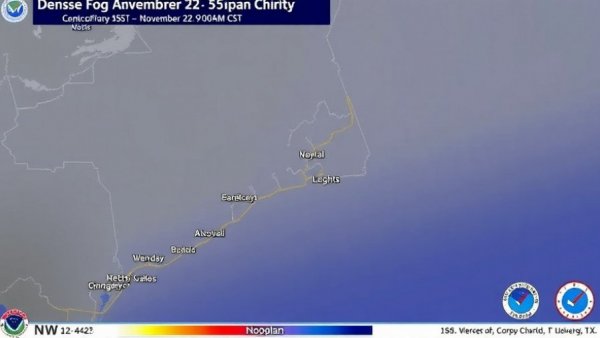
On November 22, the National Weather Service (NWS) issued a dense fog advisory for inland Calhoun and Victoria Counties until 9 AM CST. This advisory warns residents and professionals about visibility issues, with reports indicating that visibility could drop to a quarter mile or less. For arborists and other outdoor professionals, understanding the implications of such weather conditions is crucial.
The Impacts of Dense Fog on Arborist Activities
Low visibility due to fog can significantly hinder outdoor activities, particularly those involved in tree care services. Arborists may find it challenging to assess tree health, safely operate heavy equipment, or navigate their work sites. The potential for hazardous driving conditions can lead to delays in scheduled tree services and maintenance, impacting project timelines and client satisfaction. Moreover, poor visibility can increase the likelihood of accidents, not just for the arborists themselves, but also for pedestrians and motorists in the vicinity.
Precautionary Measures for Arborists
During dense fog conditions, safety should be the utmost priority. Here are a few safety tips that arborists should keep in mind:
- Delay Travel: If possible, postpone any driving until visibility improves. Safety is paramount when it comes to operating vehicles, especially in areas filled with trees and potential hazards. If you must drive, make sure to utilize extreme caution and drive at reduced speeds.
- Stay Updated: Monitor local weather reports, and keep an eye on advisories from the NWS. Staying informed will allow you to plan your work schedule around adverse weather conditions, minimizing the risk associated with your activities.
- Use Proper Lighting: When you do venture outdoors, use vehicle headlights and work lights to enhance visibility. This extra light can help gauge your surroundings better and alert others to your presence.
- Wear Reflective Gear: Consider wearing reflective clothing or gear while working in low-visibility conditions. This increases your visibility to others and can help prevent accidents.
- Utilize Team Communication: Ensure that all team members are in constant communication. Use two-way radios or mobile phones to relay information about any changes in conditions or to alert coworkers if visibility worsens.
Technology and Safety in Tree Care
Emerging technologies can also play a role in making tree care safer during inclement weather. For example, GPS navigation systems can provide additional direction when visibility is low, reducing the chances of accidents. Lightweight drones are increasingly being utilized by arborists to inspect trees from afar, allowing for remote monitoring without the need to traverse foggy terrain directly. Not only do these tools enhance safety, but they also boost efficiency, helping arborists keep up with their schedules even when weather conditions aren't ideal.
Future Predictions: Weather and Tree Care
As climate changes, weather patterns will likely continue to shift, resulting in more frequent instances of dense fog and other weather extremes. Arborists should prepare for adapting their strategies to these changes. Investing in modern technology, implementing safety protocols, and educating staff on the risks associated with hazardous weather can contribute to safer operational practices in the future. Awareness of local weather alerts, such as those from the NWS, will remain vital. In addition, fostering relationships with meteorologists or utilizing apps that provide timely weather information can further aid in planning for abrupt weather changes.
Final Thoughts on Navigating Foggy Weather
Understanding the impacts of weather advisories, especially a dense fog advisory, allows arborists to make informed decisions regarding safety and project management. Implementing the suggested precautions will not only protect the arborists themselves but also help ensure the safety of the communities they serve. In light of this fog advisory, consider evaluating your protocols and preparedness strategies for adverse weather as you continue to care for our urban forests. Remember, awareness and preparation are key in maintaining safety and efficiency in any tree care operation.




Write A Comment