








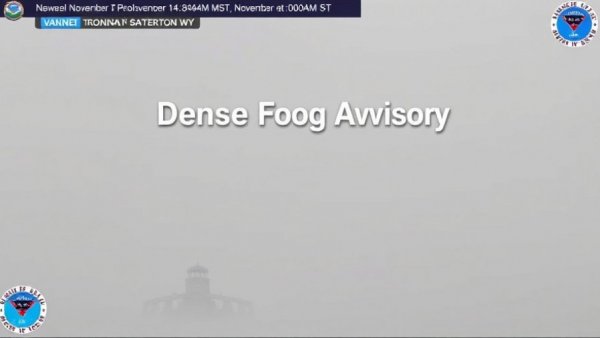
Dense Fog Advisory for Natrona County: What You Need to Know
As the sun rises over Natrona County, a dense fog advisory has been issued, reducing visibility to less than a quarter mile in certain areas. This advisory, effective until 10 AM MST, is crucial for everyone, especially arborists who may need to navigate safely in the region. Understanding the implications of this weather condition can help ensure that both tree care professionals and local motorists stay informed and safe.
Why Does Dense Fog Matter for Arborists?
Dense fog can significantly impact daily activities in forestry and tree care. As arborists often drive to various sites equipped with heavy machinery and tools, low visibility poses a safety hazard. Not only does it make roads treacherous, but it can also hinder the ability to spot issues with trees in the landscape. This visibility issue can delay essential maintenance and heighten the risk of accidents. Therefore, taking precautions is essential for both safety and effective tree management.
Driving Safely in Fog: Tips for Arborists
When dense fog settles in, it’s vital to adapt your driving habits to ensure safety on the road. Here are some practical tips arborists can follow:
- Use Low Beam Headlights: High beams can reflect off the fog, making it more difficult to see. Low beams provide better visibility and help other drivers see you as well.
- Reduce Speed: Giving yourself more time to react to sudden obstacles or changes in traffic is essential. Slower speeds can also help improve your field of vision, reducing the risk of collisions.
- Avoid Sudden Stops: Maintaining a steady pace helps prevent accidents. Be mindful of vehicles and pedestrians around you; it can be easy to overlook them in thick fog.
- Use Fog Signals: If you have them, using hazard lights can alert others that you are present when visibility is low.
The Broader Impact of Dense Fog on Tree Care
Fog doesn’t just affect driving; it can also have implications for tree health and care. Here’s how:
- Humidity and Disease: Dense fog increases humidity levels, which can foster fungal growth and enhance the risk of tree diseases. Arborists should watch for signs of fungal infections, particularly following periods of heavy fog.
- Water Absorption: Trees may benefit from the moisture in fog, as the air can serve as a source of water intake, especially in dry months. This supplemental moisture can be beneficial for tree health, particularly for species sensitive to drought.
- Growth and Photosynthesis: Fog can cover trees in a layer of moisture, which can be advantageous for photosynthesis, particularly in cooler temperatures, as it may allow trees to thrive even when sunlight is limited.
Future Weather Predictions and Arborist Preparedness
As climate patterns shift, the frequency and intensity of fog events may change. Arborists should remain vigilant and adapt to these changes, particularly in how they schedule tree care activities. Monitoring weather forecasts is crucial for planning effective tree care schedules and ensuring safety on the job. Local meteorological services can provide insights specific to Natrona County that can help arborists prepare.
How to Stay Informed
For the best practices and latest updates on weather conditions, such as fog advisories, arborists should utilize reliable weather apps and websites. Local news outlets also frequently provide weather alerts which can be beneficial. This will ensure they are prepared and can take proactive measures before heading out to a worksite. Additionally, social media platforms can offer instant updates and alerts about local weather conditions, keeping arborists ahead of any weather-related challenges.
As we navigate the challenges that dense fog presents, staying informed and prepared is essential. Embracing these safety steps and understanding fog’s impact on tree health can enhance our work as arborists and allow for safer operations during inclement weather. Remember, the health of trees is closely linked with the well-being of those who care for them—so be mindful of safety.
Stay safe out there, and remember—your well-being comes first! Check local weather updates regularly and plan your arborist activities accordingly. With the right preparations, arborists can continue to provide vital care to our green spaces, even in challenging weather conditions.




Write A Comment