








Understanding Dense Fog Alerts: What's Happening?
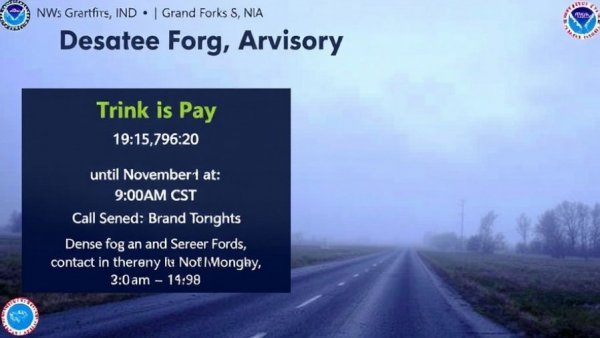
On November 1, a dense fog advisory was issued by the National Weather Service for East Marshall, East Polk, Pennington, Red Lake, and Roseau Counties. This alert warns of visibility dropping to one quarter mile or less, making it challenging for drivers. But what exactly does this mean for those living in these areas? It’s important to realize how quickly weather can change and why understanding these forecasts can help keep everyone safe.
The Science Behind Dense Fog
Fog is a collection of tiny water droplets suspended in the air near the ground. It forms when the temperature drops, and humidity levels rise, creating the perfect conditions for condensation. When the air near the ground cools at night, moisture condenses to form fog, obscuring our vision. Visibility in fog can significantly decrease, leading to hazardous driving conditions. The advisory is not just a warning; it’s a call for caution as these conditions can change rapidly.
The Impact of Low Visibility
Low visibility due to fog can lead to dangerous situations, especially on the roads. Drivers may not notice other vehicles, pedestrians, or even traffic signals until it’s too late. In addition to failing to see others, fog can create a false sense of security, leading drivers to underestimate the dangers. It’s essential to reduce speed and increase following distances to allow for sudden stops. Adjusting driving practices during dense fog can save lives and prevent accidents. When visibility is drastically reduced, even familiar roads can seem daunting, elevating the risk of collisions.
Precautions to Take
When driving in dense fog, visibility is your most significant concern. Here are some key tips to ensure your safety:
- Use low-beam headlights to illuminate the road without causing glare. High beams can reflect off the fog and actually reduce visibility.
- Keep your windshield clean and clear for maximum visibility. Rain or dirt on the glass can obstruct your view further.
- Stay alert and minimize distractions like loud music or phone use. Full attention is necessary when driving in low visibility conditions.
- Pull over safely if the fog becomes too thick; waiting it out is often safer than driving. Find a secure location and wait until conditions improve.
Why This Advisory Matters
Being informed about weather conditions, like a dense fog advisory, is crucial for public safety. These updates equip individuals with the knowledge to make informed decisions and take necessary precautions. Communities that stay updated enhance overall public safety. Additionally, fog isn't just a seasonal problem; it can occur any time of the year depending on environmental conditions, reminding us to always stay vigilant. It’s a reminder that nature can be unpredictable, and staying aware helps everyone navigate these changes safely.
Embracing Technology and Safety
As technology improves, there are innovative ways to stay updated on weather conditions. Many apps provide real-time weather alerts, making it easier for people to receive notifications about fog and other weather phenomena. Social media platforms also play a role in disseminating critical information quickly. Furthermore, some advanced vehicle technologies can enhance safety in fog, including adaptive headlights that adjust illumination and high-tech navigation systems that provide alerts about road conditions. These technological advancements enhance community safety by keeping everyone informed and prepared.
Conclusion
In summary, the dense fog advisory issued for certain counties is an important warning that should not be taken lightly. Awareness and understanding of such weather conditions can significantly reduce risks and improve safety on the roads. Remember to share this information with friends and family to ensure everyone's safety. Staying informed about weather conditions can make a difference, and driving safely means being aware of the environment around you. As we continue to experience changing weather patterns, take every advisory seriously and prioritize safety whenever you’re on the go.




Write A Comment