









Understanding Weather Alerts: A Guide for Arborists
As arborists, knowing how weather conditions affect tree health and safety is crucial for protecting your work environment. Weather alerts play a vital role in tree care as changes in weather can lead to risks such as storms, heavy winds, or even pest outbreaks. In this article, we’ll explore the significance of weather alerts and provide useful information for arborists to ensure their safety and that of the trees they care for.
Why Weather Alerts Matter
Weather alerts are issued to warn the public about severe weather conditions that could cause hazards. For arborists who work outdoors, these alerts can mean the difference between a productive day and a dangerous situation. Employees should always stay tuned to updates to prepare for different weather scenarios.
Types of Weather Alerts
Understanding the types of weather alerts is essential:
- Thunderstorm Warnings: These indicate severe thunderstorms may occur, bringing potential lightning hazards that can affect arborists who work on trees or near power lines.
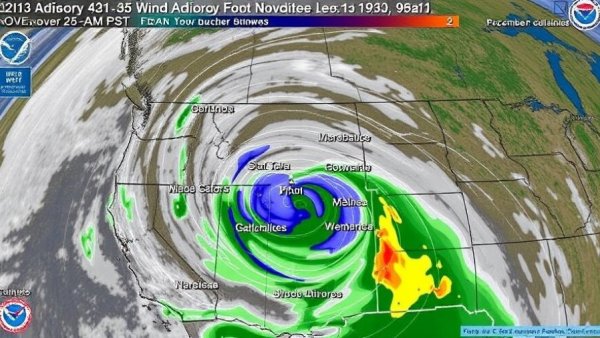
- Wind Advisories: High winds can uproot trees or cause branches to fall, making it crucial for arborists to take extra precautions while working.
- Tornado Warnings: These alerts require immediate action as they signify a tornado is approaching, and it's best to leave the worksite to seek shelter.
Historical Context: Learning from the Past
Arborists have long recognized how severe weather can cause significant harm to trees and landscapes. Over the years, more refined forecasting technologies have emerged, allowing for early warnings and better planning. By studying past incidents, such as the severe storms of 2005, arborists can better prepare for future events.
Future Predictions: The Importance of Preparedness
Increased unpredictability in weather patterns means arborists must be proactive. Future advancements in weather monitoring technology, such as satellite meteorology, are set to provide even more precise forecasts, helping arborists make informed decisions to protect both their trees and themselves.
Common Misconceptions About Weather Alerts
A prevalent misconception is that weather alerts are merely suggestions. In reality, weather alerts should always be treated seriously; they can save lives and prevent injuries if heeded. Arborists must not only understand the alerts but also ensure their teams are trained to respond appropriately.
Actionable Insight: Safety First!
Always have a plan when a weather alert is issued. Create a checklist for your team that includes safety practices such as securing tools, sheltering during severe weather, and having necessary safety gear ready. Regularly conduct drills so that your team is well-prepared when an actual alert occurs.
Taking Care of Trees During Storms
When preparing for potential storms, arborists can conduct tree assessments to identify vulnerable trees that may need attention. Prompt pruning of dead limbs and ensuring trees are free of diseases can significantly reduce damage risk. Making these preparations can help ensure a healthy tree canopy post-storm.
Stay Informed and Connected
Arborists should utilize resources like mobile apps and local weather websites to stay abreast of real-time weather information. App subscriptions for weather alerts provide another layer of preparedness in the field.
As arborists, your job not only involves caring for trees but also protecting those around you. Understanding weather alerts and applying this knowledge is essential—stay safe and keep your trees happy!




Write A Comment