








Severe Weather Alert: Understanding Flash Floods
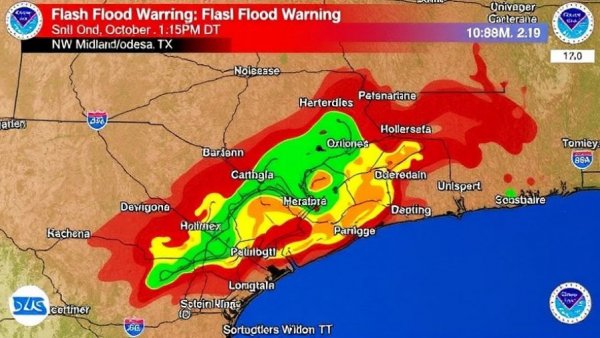
The National Weather Service (NWS) has issued a Flash Flood Warning for areas in western Texas, timely information critical for residents and professionals alike, especially arborists who must consider the impact of weather patterns on tree health and safety.
Key Locations Affected
The warning affects Howard, Mitchell, and Scurry Counties, with significant rain already impacting local ecosystems. Cities like Big Spring and Snyder are at the highest risk for flash flooding, which poses threats to both urban infrastructure and natural environments.
Impact on Arborists and Local Ecosystems
Flash floods can cause swift changes in soil saturation, which affects tree stability and health. Trees that have already been compromised or are in poorly drained areas may be particularly vulnerable. Arborists must be vigilant, as floodwaters can uproot trees, leading to potential hazards like falling branches or toppled trees.
Preparedness and Response Strategies
For those in the arborist community, understanding how to respond to flash flooding is crucial. Assessing tree health after heavy rains can lead to better management practices and informed decisions about which trees may require immediate attention or removal to prevent further damage. Bringing awareness to this weather event not only protects human life and property but also the integrity of our urban forestry systems.
As we monitor this developing situation, staying informed through reliable sources is essential. Remember, preparedness is key to mitigating the risks that these intense weather events can pose not only to individuals but also to the environments we work to maintain.




Write A Comment