








Understanding the Impact of Recent Heavy Rainfall
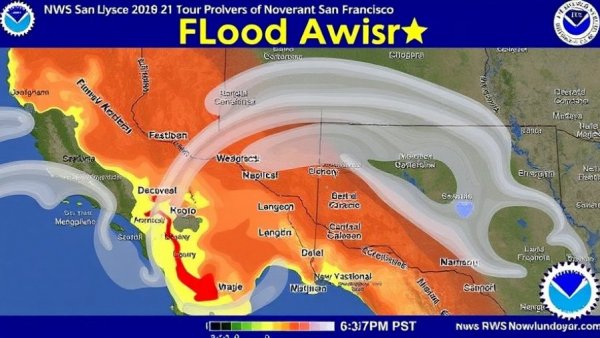
Recently, the National Weather Service issued a flood advisory for various areas, highlighting the impact of excessive rainfall on urban and stream environments. For arborists, understanding how rainfall affects not just the landscape but also tree health is vital. Rainfall measuring between 2 and 5.5 inches was reported, especially in southeastern San Mateo County and southwestern Santa Clara County. Such heavy rain not only leads to urban flooding but can also create conditions detrimental to tree health. The duration and intensity of rainfall events like this one can heavily influence how trees respond, emphasizing the need for companionship between arborists and local weather patterns.
Flooding: What It Means for Local Trees
Heavy rainfall can lead to significant flooding in urban and low-lying areas. Arborists should note how excess water can suffocate tree roots if they are submerged for too long. This stagnation can cause root rot, a condition where the roots begin to decay due to lack of oxygen. Additionally, prolonged exposure to waterlogged conditions can lead to other issues like leaf drop, poor nutrient uptake, and increased vulnerability to diseases. Floodwaters may also carry pollutants from roads and urban areas into the soil, further complicating the health of nearby trees. Hence, understanding these risks is crucial for effective tree care in flooding-prone locales.
Areas At Risk and Their Tree Populations
The advisory mentioned towns like Palo Alto and Santa Cruz, which are known for their rich tree canopies. Flooding in these areas may reduce the overall vigor of trees, making them more susceptible to diseases and pests. For instance, if a large tree in an urban park gets flooded, it may lose its leaves rapidly or show signs of stress due to root suffocation. It’s essential to recognize that even resilient tree species can suffer under excessive water stress. In communities with diverse urban forests, maintaining tree health becomes even more challenging yet crucial as it supports local biodiversity.
Taking Action: Mitigating Risks for Local Trees
As an arborist, there are proactive measures you can take to help mitigate the damage from flooding. Here are a few tips:
- Assess your trees: After the rain, thoroughly check the condition of trees in low-lying areas. Look for signs of waterlogging or other stress indicators such as wilting leaves or peeling bark.
- Soil aeration: If soil compaction has occurred, aerating the soil can enhance drainage. This practice helps to restore proper airflow to the roots and encourages healthier soil microbiomes.
- Plant selection: Consider planting trees that are more tolerant of wet conditions in flood-prone areas. Species like willows and red maples can adapt better to periodic flooding.
- Monitor water flow: Evaluate how water drains from your property or parkland. Redirecting water away from valuable trees can promote better health.
Understanding Soil and Drainage Management
Proper moisture management is crucial for tree health. Too much water can lead to an imbalance of nutrients in the soil. Arborists should be equipped with knowledge of soil composition and drainage techniques. For instance, creating rain gardens or implementing contour planting can help naturally manage runoff during heavy rains. These practices not only assist in tree health but also support urban biodiversity by encouraging a variety of plant species.
Future Weather Trends: Preparing for More Rain
With climate change affecting global weather patterns, arborists must anticipate and adapt to increasing rain events. Greater rainfall frequency can be expected in many areas, making it essential for tree-care professionals to implement robust precautions. This might involve advocating for public policies that promote sustainable urban planning and greenery that can handle heavy rains more effectively. For instance, incorporating more permeable surfaces in public parks could help trees thrive amidst changing environmental conditions.
In Closing: The Importance of Community Awareness
As we navigate these changes, it’s crucial for communities to stay informed and prepared for potential flooding. Protecting urban trees is not just about aesthetics; it’s about maintaining the entire ecosystem. By sharing insights with fellow arborists and the public, we can ensure our urban forests thrive amidst changing weather conditions. Moreover, fostering community engagement around tree care can lead to a more resilient urban canopy that benefits everyone in the community. Arborists have an essential role to play in guiding these conversations, helping to educate and empower locals about the importance of trees in our lives.




Write A Comment