








Flood Warning: Understanding What It Means for Arborists
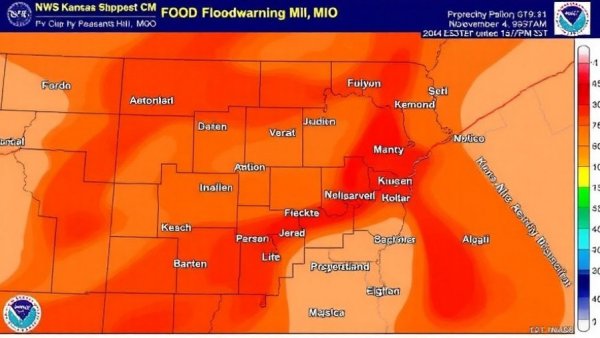
The recent Flood Warning issued for the Platte River area highlights the importance of awareness for professionals working in tree care and landscaping. As the National Weather Service (NWS) reported, this warning will remain in effect from November 4 until November 8. With minor flooding forecasted and the river expected to crest at nearly 29 feet, it's crucial for arborists to understand how such weather events can impact their work and the environment.
The Impact of Flooding on Trees and the Environment
Flooding can significantly alter the landscape, affecting soil moisture levels, nutrient availability, and even the health of trees. At 26 feet, low-lying areas begin to flood, which can lead to root saturation in nearby trees. Sustained flooding can stress trees, causing problems like root rot and making them more susceptible to pests and diseases. Poor drainage can exacerbate these issues, as compacted soils can further limit air exchange and water absorption. Arborists must monitor these conditions closely, especially in areas frequently affected by flooding, to protect the trees in their care.
Preparing for Flooding: Actionable Tips for Arborists
With responsibilities that include managing tree health, arborists need a solid plan when flooding occurs. Here are a few actionable steps to consider:
- Conduct Regular Assessments: Before flooding hits, inspect trees for existing vulnerabilities, such as leaning branches or diseases that may weaken them.
- Install Proper Drainage: Ensure areas around trees have good drainage to prevent waterlogging. Using techniques such as French drains or bioswales can keep excess water away from crucial root zones.
- Document Conditions: Keep records of tree health before and after flooding to better understand the impacts and inform future care strategies.
- Educate Clients: Inform your clients about the potential impacts of flooding on their trees and garden, making them partners in the health of their landscapes.
These proactive measures can help arborists minimize damage and facilitate recovery after a flood.
Understanding Flood Stage: What Arborists Need to Know
According to the NWS, the flood stage for the Platte River is set at 26 feet. Understanding this metric is vital for predicting how flooding will affect specific locations. Arborists should stay informed about river levels and rainfall forecasts, as changes can prompt quick action. The current warning indicates that the river is expected to rise above flood stage late tonight to a crest of 28.9 feet early Saturday morning, underscoring the need for immediate attention.
Installing flood barriers or other protective measures for low-lying trees can be effective strategies for safeguarding against potential damage. Additionally, knowing the specific vulnerabilities of different tree species can guide arborists in prioritizing their efforts.
Tools and Resources for Managing Flood Risks
Fortunately, technology has made it easier for arborists to stay informed. Tools such as real-time weather alerts, mobile apps, and online resources are invaluable, allowing for rapid responses to changing conditions. Keeping tabs on local weather conditions, especially during heavy rainfall or flooding forecasts, is essential to executing timely interventions. Utilizing these tools can help arborists not just manage trees better but also improve communication with clients regarding potential risks and management plans.
Moreover, social media platforms often provide timely updates from local government and weather offices, which can be beneficial in staying up-to-date with the latest flood developments.
Conclusion: The Importance of Being Prepared
As the communities around the Platte River brace for flooding, arborists have a unique role to play. Their expertise is not only critical in preserving tree health but also in educating the public about the environmental impacts of flooding. By staying informed, preparing adequately, and using the right tools, arborists can safeguard the trees that play a vital role in our ecosystem. Let's commit to proactive tree care and environmental health, even in the face of challenges like flooding! Taking these steps ensures that we not only respond to immediate threats but also strengthen the resilience of our urban and rural landscapes against future weather events.




Write A Comment