








Understanding the Flood Warning in La Plata River Area
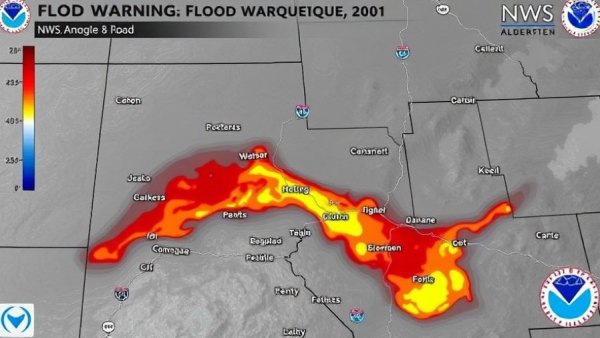
The recent Flood Warning issued for the La Plata River below Redmesa in San Juan County, New Mexico, has caused concern among local residents and professionals, including arborists. As of 5:30 AM MST on November 3, the river had reached a height of 8.6 feet, surpassing the bankfull stage (which is 8.0 feet) and nearing the flood stage (9.0 feet). This situation has led to minor flooding in areas south of the river gauge, particularly affecting the bridge over Pinon Hills near Farmington and inundating homes along the riverside.
Impacts on Arborists and Local Eco-Systems
For arborists, the implications of river flooding extend beyond immediate concerns about safety. Flooding can lead to significant changes in local ecology, affecting tree health and growth patterns. As the water levels rise, standing water can drown tree roots, especially for species that are not flood-tolerant. Knowing which trees are more susceptible to waterlogging can help arborists make informed decisions about tree care and species selection. With increased flooding events due to climate change, arborists must consider which trees will thrive in changing conditions.
Precautionary Measures for Arborists
To mitigate damage, arborists should assess the landscape and identify trees at risk due to flooding. Here are some strategies to adopt:
- Soil Aeration: Aerating the soil around the base of trees can help improve drainage and provide roots better access to air and nutrients.
- Choosing Native Species: Utilizing native tree species that are adapted to local conditions can increase survival rates during and after flooding.
- Implementing Drainage Solutions: Installing drainage systems can redirect excess water away from vulnerable areas, protecting trees from prolonged inundation.
Community Support and Assistance
For those affected by the flooding, it’s important to know that support is available. Community resources, such as local tree care services and environmental organizations, often provide assistance in managing flood impacts on trees. Arborists can play a vital role in helping the community recover by offering their expertise on tree health following a flooding event.
The Future of Tree Care in Flood-Prone Areas
With climate models predicting increased precipitation and subsequent flooding, arborists need to adapt to these changes effectively. Future tree care practices may include:
- Researching flood-resistant tree species and promoting their use in urban landscaping.
- Educating communities on flood risks and the importance of proper tree care techniques.
- Collaborating with city planners to design landscapes that mitigate flooding impacts.
As we navigate the challenges posed by climate change and flooding, staying informed and adaptable will be key to maintaining healthy tree populations. Arborists must embrace these changes and lead efforts in sustainable tree care and management practices.
Stay Prepared and Prudent
It’s vital for arborists and community members to stay attuned to weather updates and precautionary measures recommended by local authorities. As climate patterns shift, understanding how to respond effectively to flooding events is crucial for tree care professionals. Being proactive now will better equip arborists to face future challenges.




Write A Comment