








The Recent Flood Watch in Arizona: What Arborists Should Know
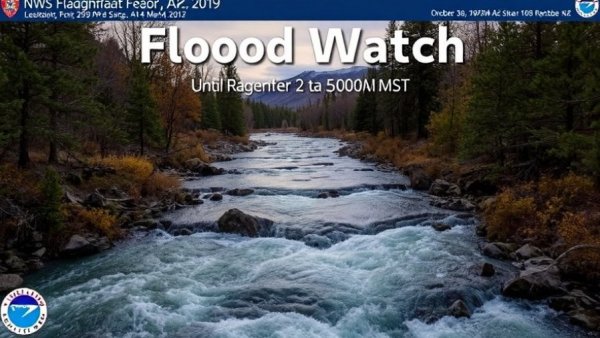
On October 30, a Flood Watch was issued by the National Weather Service for specific areas in Arizona, including Northern Gila County and the scenic Oak Creek and Sycamore Canyons of Yavapai County. Such events can greatly affect not only the immediate environment but also the health and safety of the trees that arborists care for. Understanding these climatic shifts is crucial for effective tree care and preservation. As rainwater saturates the ground, it can have far-reaching effects, especially in regions where tree populations play a significant role in the ecosystem. In regions such as these, trees not only beautify the landscape but also contribute to soil stability and biodiversity.
Understanding the Impact of Flash Flooding on Trees
Flooding can often lead to saturated soil, which may endanger the structural integrity of trees. It can create loosely packed soil that is harmful to roots, leading to the potential for uprooting, especially in older trees that may have weaker root systems. Arborists must be attentive in the wake of such weather phenomena; inspecting trees for stability and health is crucial. When soil saturation occurs, it can cause anaerobic conditions that starve roots of oxygen, leading to root rot and other health issues. Monitoring for symptoms such as yellowing leaves or canopy dieback can help detect problems early.
Protective Measures: What Arborists Can Do
In anticipation of heavy rain, there are proactive measures arborists can take to protect trees. For instance, ensuring proper drainage around tree bases could assist in preventing waterlogging, while pruning away weak branches beforehand can reduce the risk of damage during storms. Arborists can also consider aerating the soil around trees to promote healthy drainage. Adding mulch can also contribute to moisture retention while preventing erosion. Additionally, the strategic positioning of trees away from flood-prone areas is essential for long-term preservation.
Community Awareness: Why Arborists Matter
During weather events like the recent Flood Watch, the community's awareness of how to manage its trees becomes vital. Arborists play a pivotal role in educating homeowners about tree care in adverse conditions. Engaging with the community, having workshops, or creating informative leaflets about tree health during floods can galvanize public efforts towards better environmental stewardship. By sharing knowledge about how to identify the signs of tree distress and the steps to take can empower community members to act. Furthermore, coordinating with local environmental organizations can help spread the word and foster a culture of proactive tree care.
The Continuous Threat of Weather Events
Climate change has led to more frequent and extreme weather patterns, and this includes flash floods. As arborists, it is pertinent to remain proactive and adapt to these changing conditions. Utilizing technology, such as soil moisture sensors, can help monitor conditions and guide appropriate care strategies during these times. These tools provide real-time data that can inform irrigation and drainage needs, helping to maintain tree health even in unpredictable weather.
Future Insights: Adapting to Change
In conclusion, with weather events becoming more unpredictable, the best action is for arborists to stay informed and prepared. Engaging in continuous education about how weather impacts tree health and preservation can greatly benefit both arborists and the trees they care for. Utilizing advanced technology to help monitor conditions, as well as being proactive with community engagement, will create a stronger, more resilient approach toward tree care. As weather patterns evolve, arborists must embrace the latest advancements in tree care technology and methodologies, and collaborate closely with local governments and community members to create strategies that ensure the green spaces in our communities can thrive regardless of environmental challenges.




Write A Comment