








Prepare for Frost: What You Need to Know
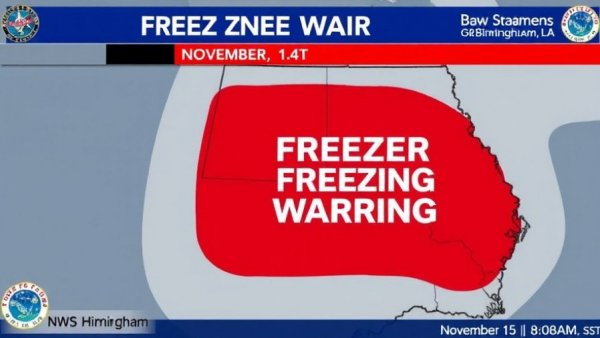
As temperatures begin to drop, a freeze warning has been issued for portions of central Alabama effective from midnight tonight until 8 AM CST Sunday. The National Weather Service (NWS) Birmingham has cautioned that temperatures could plunge as low as 28 degrees Fahrenheit. This sharp drop signifies the onset of winter conditions that can have significant impacts on local agriculture and home infrastructure. Being aware of these warnings ensures you can take the necessary steps to protect your home, garden, and community.
Understanding the Impact of Freezing Temperatures
Freezing temperatures can cause extreme disruptions to many aspects of our local environment. For farmers and gardeners, this means crops and sensitive plants could suffer or be entirely damaged. Vegetables like tomatoes, peppers, and certain herbs, which thrive in warm conditions, are particularly vulnerable to frost. Tender perennials may also struggle if exposed to cold for prolonged periods. If you have outdoor plants, now is the time to take action and protect what you have cultivated through careful effort. Being proactive can mean the difference between a flourishing garden and one severely impacted by the cold.
Protecting Your Plants and Vegetation
To shield your plants from the impending cold, consider covering them with blankets or burlap sacks. These materials can trap some warmth and protect the plants from frost damage. Alternatively, bringing potted plants indoors can effectively protect them from icy conditions. For larger beds that may be difficult to cover, using row covers or cloches can provide extra warmth. If the threat of freezing persists, some gardeners opt for light-lit heating options or heat lamps to guard against frost damage. Remember, a little preparation now can save your investments in the coming months!
Preventing Damage to Outdoor Plumbing
Another significant risk associated with sub-freezing temperatures is potential damage to plumbing systems. When water freezes inside pipes, it expands, and this can lead to ruptures, resulting in costly repairs. To prevent this, be sure to let faucets drip slightly during extreme cold spells. Additionally, insulating pipes in unheated areas of your home, like attics and crawl spaces, or adding heat cables can help avert disaster. Taking these measures is crucial to maintaining a warm and functional home through the winter months.
Emotional Impact of the Changing Seasons
Winter weather brings a mix of emotions. While some relish the sight of frost on the grass and the change of season, others feel the weight of the coming cold. Understanding that these weather changes impact not just our daily routines but also our mental health is vital. Seasonal Affective Disorder (SAD) can affect many during the colder months, leading to feelings of sadness or lethargy. Embracing winter preparations can foster a sense of control and preparedness, while also reinforcing community ties as neighbors help each other protect their homes. Sharing tips and resources with one another can create a supportive atmosphere, which is essential during tougher seasons.
Actionable Insights for Staying Safe
Stay informed about the upcoming weather changes. Keeping an eye on local news and weather alerts is crucial to ensure you are ready for any potential impacts on your home and garden. Additionally, sharing information with friends and family can create a supportive network as everyone prepares for the season ahead. Collaborative efforts, like community groups sharing local tips on winterizing homes or gardens, can make a big difference in effectively combating the cold.
Looking Ahead: Staying Prepared
As we move further into winter, consistent preparation is key. Stocking up on supplies, such as fertilizer that helps nourish your plants before dormancy or antifreeze solutions for pipes, is a wise step to take. Planning a gardening calendar around the frost dates can help you decide when to plant, harvest, or cover your garden. Additionally, maintaining your home’s plumbing is paramount; checking for drafts or areas that require extra insulation can prevent cold-induced hiccups. Be mindful of the temperatures and their effects because staying informed and proactive can keep your home and garden safe during this chilly season, helping you to enjoy the winter months, rather than dread them.




Write A Comment