





Tree Guardian News
Tree Guardian News
  • Home
  • Categories
    • Storm Damage & Prevention
    • Tree Care Tips & Landscaping
    • Tree Disease Identification & Treatment
    • Insurance Intel
    • DIY Tree Care & Safety
    • Sustainable Tree Care & Eco Solutions
    • Professional Tree Services
    • Arborist Stories
    • Latest News
    • Industry Insights
Join the Arborist Forum 
February 17.2026
6 Minutes Read

How Professional Winter Tree Pruning Services Protect Your Property

Devin Savoy’s Core View: Winter Tree Pruning Is Essential for Property Protection

Oftentimes, homeowners assume that arborists don't prune trees in the winter. Trees are just dormant then, but dormant pruning can minimize risk — especially with the added weight of snow and ice here in New England.
- Devin Savoy, CT Licensed Arborist, ISA TRAQ

Snowy residential landscape with a professional arborist inspecting a leafless maple tree, demonstrating winter tree pruning services in New England

Having an arborist assess your trees in winter is crucial because, without leaves, it's easier to see their structure and potential hazards in the wind.
- Devin Savoy, CT Licensed Arborist, ISA TRAQ

When it comes to winter tree pruning services, misconceptions abound. As Devin Savoy, a seasoned Arborist, clarifies, many believe that tree care stops cold when the temperature drops. In truth, winter is a prime opportunity for proactive property protection. Because winter tree care occurs while trees are dormant—especially in climates like New England—arborists can minimize risk from snow and ice, assess structural health with unprecedented clarity, and prepare your landscape to thrive when spring arrives.

According to Devin, “winter is the ideal time for an arborist to evaluate your property, mitigate seasonal hazards, and perform critical pruning that sets your trees up for long-term success. ” Homeowners and property managers who rely only on summer or fall maintenance miss out on the many protective and restorative advantages offered by expert winter services.

For those interested in maximizing the benefits of seasonal tree care, exploring the latest gardening trends for homeowners in 2025 can provide additional strategies to complement your winter pruning efforts and keep your landscape thriving year-round.

Why Winter Is the Optimal Season for Tree Pruning Services

Clear Visibility of Tree Structure Enhances Pruning Precision

A key advantage of winter tree pruning services is the unobstructed view arborists gain when trees shed their leaves. This clarity not only allows a better structural assessment but also makes hazardous branches easier to identify and remove. According to Devin Savoy, “when the trees don't have leaves, it's almost easier to see their structure in the wind. ” Dormant trees display their architecture, helping arborists plan precise cuts to improve both safety and aesthetics.

Pruning during dormancy is also less stressful for most species. With no active growth occurring, dormant pruning encourages faster healing once the growing season resumes. Studies confirm that cuts made in winter close rapidly in spring, reducing opportunities for pest or pathogen entry. In regions susceptible to oak wilt or Dutch elm disease, for example, winter pruning further minimizes the risk because these maladies typically spread through wounds made during warmer, insect-active months.

Dormant tree branches pruned by winter tree pruning services to show clear branch structure in a snow-covered garden

Dormant pruning stresses the tree less, allows faster wound healing in spring, and helps prevent diseases that spread in warmer months.
- Devin Savoy, CT Licensed Arborist, ISA TRAQ

Reduced Lawn Damage and Safer Arborist Access During Winter

Winter doesn't just benefit your trees—it also protects the landscape itself. As Devin Savoy notes, “in the winter, it may be easier for arborists to climb, or there could also be less damage to your lawn. ” When the ground is frozen, heavy equipment and foot traffic cause far less soil compaction and turf disruption. This is particularly crucial for clients who value a pristine yard or have delicate garden beds under the canopy.

Arborists also find winter an opportune time due to enhanced safety. Icy limbs are more predictable once the foliage is gone, and clear ground often means ladders, saws, and climbers can operate with improved stability. The result is a streamlined, safer workflow that benefits both property and professional.

Arborist using pole pruner on large oak tree during winter, illustrating safe access and reduced landscape impact from winter tree pruning services

Proactive Risk Management to Prevent Spring Hazards

One of the most significant benefits of winter tree pruning services is the ability to address risks before they escalate. As Devin explains, “taking out crossing and hazardous branches in the winter helps alleviate some issues in the spring as well. ” Heavy snows and winds can exploit weaknesses that go unnoticed when branches are leafed out. By tackling these concerns now, you can avoid dangerous breakage and costly emergency calls once severe weather hits.

According to industry best practices, proactive winter tree care includes removing deadwood, thinning crowded canopies, and preparing trees for adverse weather by strengthening their structure. In regions like the Northeast US, where winter storms are routine, these measures can make the difference between minor cleanup and major property damage.

  • Removal of dead, diseased, or weak branches

  • Reduction of crossing branches that cause damage

  • Thinning dense canopies for better airflow and light

  • Preemptive storm damage preparation

Arborist highlighting hazardous tree branches for winter tree pruning services with digital overlay in a snowy park

Choosing the Right Licensed Arborist for Winter Tree Pruning Services

The key takeaway is to find a licensed arborist who fits with your personality — someone knowledgeable who understands your property goals.
- Devin Savoy, CT Licensed Arborist, ISA TRAQ

The Value of Personalized Consultation During the Slower Winter Season

Winter’s slower pace gives homeowners and property managers a rare chance to engage deeply with their arborist. Devin Savoy highlights that “in the winter, tree companies are a little bit slower. So they may have more time to spend with you discussing options and risks. ” This means your trusted expert can conduct a thorough assessment, weigh your landscape goals, and recommend the winter tree pruning services that will provide maximum benefit over the long term.

Whether you’re managing a commercial property or a residential backyard, finding an arborist who listens and adapts to your vision is key. These conversations can drive better outcomes and build a relationship that supports your landscape all year round. According to Devin, “you want to work with somebody who's really knowledgeable and well-rounded, but also understands your goals and ideas for your own property. ”

Consultation between homeowner and arborist about winter tree pruning services in a snowy front yard, emphasizing personalized advice

Tips for Vetting and Selecting a Trusted Professional Arborist

Selecting the right partner for your winter tree pruning services isn’t just about credentials. It’s about trust, communication, and getting answers that matter for your property. Start by verifying your arborist’s licensing and insurance—these are non-negotiables. Next, check for ISA (International Society of Arboriculture) certification and seek recommendations specifically from neighbors with similar trees or properties.

Arrange an in-person consultation, assess their knowledge, and ensure they’re attentive to your concerns. Ask about their winter experience, past projects, and safety practices for the season. A reputable professional should not only provide transparent pricing and references but also demonstrate passion for their work—just as Devin Savoy brings, ensuring you feel confident and cared for through every winter season.

Key FAQs: What Homeowners and Property Managers Must Know About Winter Tree Pruning

  • Is dormant pruning safe for all tree species?

  • How does winter pruning affect tree health in spring?

  • Can winter pruning prevent storm damage effectively?

  • What are the signs that winter tree pruning is needed?

Summary: Invest in Professional Winter Tree Pruning Services to Safeguard Your Property

Winter pruning is a strategic, low-risk investment for healthier trees and reduced property hazards.

According to Devin Savoy, winter is far from a dormant season for your landscape. Taking proactive steps now with winter tree pruning services strengthens tree structure, limits storm risks, and sets the stage for dramatic improvement in spring. Homeowners and property managers who partner with skilled, licensed arborists secure both their property and peace of mind, reaping benefits for years to come.
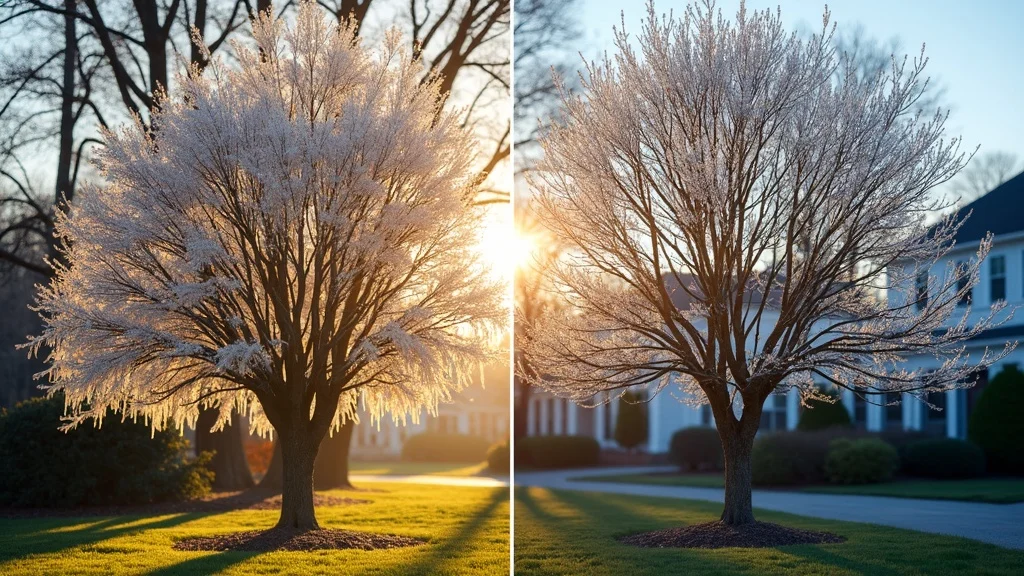
Before-and-after of a New England yard: overgrown icy branches versus neat, healthy limbs after professional winter tree pruning services

Consult a local licensed arborist like Devin Savoy to tailor winter tree care plans that protect your landscape through harsh seasons.

The expert’s perspective is that finding the right professional ensures your investment yields health, safety, and lasting value. Don’t wait for spring surprises—invest in your trees’ future with expert care now.

Take Action: Secure Expert Winter Tree Pruning for Your Property Today

Ready to protect your property this winter? Reach out to a trusted, licensed arborist for a personalized consultation. Call 959-895-0110 today and take the first step toward a safer, healthier landscape.

Tree Care Tips & Landscaping

62 Views

Write A Comment

*
*
Please complete the captcha to submit your comment.
Related Posts All Posts
07.10.2026

Transform Your Patio This Summer with These Shade Ideas

Update Why Smart Patio Shade Ideas Matter This Summer The joys of summer can quickly be overshadowed by scorching sun and uncomfortable temperatures, especially during peak hours. An exposed patio can turn into an unforgiving surface, reaching soaring temperatures that deter even the most enthusiastic outdoor lovers. But don’t fret—implementing the right patio shade ideas can dramatically change how you enjoy your backyard. With effective shading solutions, your patio transforms from a sun-baked surface to a lush outdoor room, perfect for summer gatherings, evening meals, or quiet reading sessions. Mix and Match: Your Ideal Patio Shade Combination To create the perfect summertime retreat, consider layering your shade options. One popular strategy involves combining a permanent structure, such as a pergola or pavilion, with flexible elements like shade sails or cantilever umbrellas. For example, a beautiful pergola not only establishes an architectural focal point but also serves as a base for climbing vines that provide living shade. Meanwhile, easy-to-move canopies can be deployed as the sun shifts, ensuring comfort throughout the day. Understanding the Common Mistakes to Avoid When diving into patio shading, remember some common pitfalls that many homeowners encounter. First, opting for a single large umbrella as your sole solution may lead to coverage gaps. Instead, layer your strategies to maximize shading. Secondly, choosing a structure that's too small for your patio can lead to frustration and reduced usability. Plan wisely! Measure how sun exposure shifts across your patio during key times to ensure total coverage. Top Patio Shade Ideas You’ll Love Here are some popular solutions to consider: A Pergola: Classic and elegant, a pergola provides partial shade while allowing dappled light to filter through. With options for climbing plants or retractable shades, it's a blend of function and beauty. A Pavilion: If you want full protection, a pavilion offers an ideal solution with a sturdy roof that deflects rain and sun alike, creating a perfect outdoor sanctuary. Louvered Roof System: If flexibility is key, look for adjustable louvered roof systems that let you control sunlight and shade with ease. Perfect for tech-savvy homeowners! A Cantilever Umbrella: For a temporary but effective solution, invest in a high-quality cantilever umbrella. They easily pivot to follow the sun, ensuring coverage wherever you dine. Shade Sails: These fabric panels are unique and trendy, perfect for covering odd-shaped patios. They disperse sunlight at various angles, enhancing aesthetics while keeping things cool. Consider Adding Natural Elements Don't forget the natural aspect of shade. Planting a specially chosen tree—like a Japanese maple or a river birch—on the south side of your patio creates gorgeous dappled shade as it matures. This addition not only cools your space but also enhances the visual appeal of your garden. How Outdoor Curtains Boost Comfort and Style Outdoor curtains are an often-overlooked element that can significantly impact how comfortable your patio feels. They add a dramatic shade element while providing a cozy atmosphere. When choosing fabrics, opt for UV-resistant materials that can withstand outdoor conditions and keep their vibrant colors year-round. Creating a Personal Oasis This summer, don't let the heat drive you indoors. With the right mix of structure and plants, you can create a shaded escape. Whether you opt for elegant pavilions, playful shade sails, or sophisticated curtain drapery, the key lies in combining elements that suit your space, lifestyle, and personal style. Immerse yourself in the outdoors while safeguarding against the elements. Trust us, those summer patio memories are just around the corner! Feeling inspired? Step outside and evaluate your patio space today to make the most of summer fun.

07.10.2026

Enhance Your New Jersey Yard with These Thriving Privacy Shrubs

Update Creating Privacy in Your New Jersey Backyard Whether you live in a bustling neighborhood or a quiet suburb, privacy is a valued aspect of any yard. In New Jersey, property owners often seek out effective solutions to create visual barriers that protect them from prying eyes. Enter privacy shrubs. Not only do these plants provide natural seclusion, but they also enhance the beauty and biodiversity of our green spaces. Why Choose Shrubs for Privacy? Shrubs are an excellent choice for privacy due to their dense foliage and varying heights, making them versatile enough for any landscaping needs. Unlike fences or lattice, which can be stark and artificial, shrubs provide a lush, living barrier that improves the aesthetic of your surroundings. They can soften hard lines, blend into natural landscapes, and even support local wildlife. Must-Have Shrubs for New Jersey Gardens When selecting shrubs for privacy, it’s essential to focus on species that thrive in New Jersey's climate. Here’s a carefully curated list of shrubs that not only promise to grow robustly in New Jersey but also provide the most value when it comes to privacy. 1. American Arborvitae (Thuja occidentalis) The American Arborvitae is a renowned privacy shrub known for its rapid growth and tall, narrow form. Perfect for creating a living hedge, this evergreen can reach heights of up to 30 feet, providing excellent year-round coverage. It’s resilient to pests and diseases, making it a low-maintenance choice. 2. Eastern Red Cedar (Juniperus virginiana) This versatile evergreen is native to New Jersey and boasts a beautiful bluish-green color. The Eastern Red Cedar grows up to 50 feet tall, creating an impressive privacy screen. Additionally, its fragrant wood is appealing to many gardeners. 3. Boxwood (Buxus spp.) If you prefer a more formal look, the Boxwood shrub is ideal. With dense, evergreen foliage, these shrubs can be easily trimmed into either natural or manicured shapes, making them perfect for creating defined boundaries around your backyard space. 4. Privacy Viburnum (Viburnum dentatum) This deciduous shrub offers beautiful blooms in spring and fall while providing thick foliage for privacy. It can reach heights of up to 10 feet and attracts birds, making it a fantastic selection for wildlife lovers. 5. Wax Myrtle (Myrica cerifera) A fast-growing evergreen that thrives in coastal areas, Wax Myrtle can also do well in inland New Jersey. Its fragrant leaves and unique bluish berries make it a favorite among gardeners seeking both privacy and aesthetic appeal. Creating a Well-Designed Privacy Area While selecting the right shrubs is crucial, how you design your privacy area enhances the overall effect. Consider mixing shrubs of different heights and colors for a more natural look, allowing for visual interest in your landscape. Avoid planting them in rigid lines; instead, create curves or clusters to mimic nature. Maintenance Tips for Your Privacy Shrubs To ensure your privacy shrubs remain healthy and thriving, regular maintenance is key. Here are some quick tips: Watering: Newly planted shrubs need consistent watering for the first few months. Trimming: Regular pruning helps maintain the shape and promote healthy growth. Pest Management: Keep an eye out for pests and apply organic treatments if necessary. Conclusion Choosing the right shrubs for privacy in your New Jersey yard can significantly enhance your outdoor experience. Not only do these plants provide seclusion, but they also support local fauna and add beauty to your landscape. As you consider your options, remember to take into account your property's specific conditions and your personal preferences to create the perfect garden retreat for yourself and your family.

07.10.2026

Unlock the Potential of Your Small Backyard: Transformative Landscaping Ideas

Update Transform Your Small Backyard with Smart Landscaping Ideas Having a small backyard can feel limiting, but with the right landscaping strategies, you can turn every square foot into a functional and beautiful space. Whether it’s creating a cozy seating area, a small vegetable garden, or a peaceful retreat, clever designs can make your yard the envy of the neighborhood. The good news is that small spaces can be just as enchanting as larger ones with the right approach and a few useful ideas. Make the Most of Vertical Space One simple way to enhance a small backyard is to utilize vertical space effectively. Installing trellises or vertical gardens allows you to grow plants upward, saving valuable ground space. Imagine climbing vines like clematis or hanging flower pots filled with vibrant petunias bringing color and life to your walls; these features not only beautify but can also provide shade and privacy. Additionally, incorporating wall planters on fences or walls can create green art that transforms your backyard into a living gallery. This technique maximizes space and brings nature closer to your home, enabling a peaceful retreat that invites quiet moments among beauty. Create Zones for Different Activities When space is at a premium, consider dividing your backyard into functional zones. You could create a small dining area with a table and chairs, a play zone for kids, and a gardening nook. This not only organizes your space but also offers varied experiences without making it feel crowded. Moreover, using rugs and furniture arrangement can visually separate these areas, creating an illusion of larger space. Adding multifunctional furniture, such as a bench with storage, can enhance your space's usability. Look for tables that can expand for gatherings or fold away when not in use. These smart choices ensure that every square inch serves a purpose, making the most of your small outdoor area. Choose the Right Plants For limited space, selecting the right plants is crucial. Opt for native species that require less maintenance and are well-suited to your local climate. Plants such as lavender or ornamental grasses can thrive in small areas while adding texture and fragrance to your garden. Also, consider plants that perform double duty, like edible flowers or herbs, which are both beautiful and functional. Furthermore, incorporate container gardening into your design. Containers offer flexibility and can be moved around as needed, providing opportunities to mix and match plants throughout the seasons. This versatility allows for creativity and easy care, making your garden adaptable and ever-changing. Incorporate Hardscaping Features Hardscaping, which includes paths, patios, and decks, can greatly enhance a small backyard. A well-placed stone pathway can guide visitors through your garden while creating the illusion of expanded space. Moreover, using deck tiles or pavers can create inviting outdoor seating areas that blend seamlessly with nature. Adding a fire pit can also serve as a cozy gathering spot during cooler evenings, expanding your usable space year-round. With the right hardscaping elements, your small backyard can become an all-season sanctuary that invites relaxation and connection with family and friends. Use Color and Texture to Unify the Design Color plays an essential role in creating a cohesive look. By selecting a color palette for your furniture, plants, and decor, you can unify all elements of your backyard. Soft hues can create a calm and relaxing vibe, while bold colors can energize the space. Mixing different textures—from rough tree bark to smooth stone paths—adds visual interest without needing more space. Consider adding cushions, outdoor rugs, and decorative pots to further enhance the sensory experience. Maintaining Your Small Landscape Smaller gardens require just as much love and care as larger yards. Regularly pruning plants, clearing debris, and ensuring soil health can keep your garden thriving. Remember, a well-maintained garden appears more spacious and inviting, making each square foot feel truly utilized. Take the time to establish a simple maintenance routine, including watering, weeding, and fertilizing your plants. Keeping an eye out for pests and diseases will also help promote a vibrant and healthy landscape. Consider planting a few disease-resistant varieties to minimize maintenance and enhance your garden's resilience. Inspirational Quotes for Your Gardening Journey As you embark on your backyard transformation, keep encouragement at heart. Maya Angelou once said, "Nothing will work unless you do." This applies beautifully to gardening—every bit of effort put in will yield stunning results. Remember, your small backyard can become a place of joy, peace, and beauty with the right vision and care. Transforming your small backyard into a vibrant oasis is entirely achievable with a bit of creativity and the right strategies. Whether through vertical gardening, smart plant selection, or maintaining a tidy aesthetic, you’ll find that each square foot can deliver joy and functionality. So why not start your landscaping adventure today?

Green Space News

Homeowners & Businesses concerned about tree and landscape care, safety issues from storms, old or diseased trees, structural damage risks, and insurance implications.

Green Space News is a subsidiary of RP Design Web Services.

COMPANY

  • Privacy Policy
  • Terms of Use
  • Advertise
  • Contact Us
  • Menu 5
  • Menu 6

AVAILABLE FROM 8AM - 5PM

Cheshire,CT

POBox 1189

ABOUT US

Green Space News is your go-to media hub for cutting-edge strategies to maintain a safe and vibrant environment. We are committed to protecting your property and family by providing proactive tree hazard prevention and awareness. Our platform  empower communities to safeguard their surroundings and enjoy healthier, more resilient landscapes.

© 2026 RP Design Web Services All Rights Reserved. P.O. Box 1189, Cheshire, CT 06410 . Contact Us . Terms of Service . Privacy Policy

eyJjb21wYW55IjoiUlAgRGVzaWduIFdlYiBTZXJ2aWNlcyIsImFkZHJlc3MiOiJQLk8uIEJveCAxMTg5IiwiY2l0eSI6IkNoZXNoaXJlIiwic3RhdGUiOiJDVCIsInppcCI6IjA2NDEwIiwiZW1haWwiOiJyb2JlcnRAcnBkZXNpZ24uY29tIiwidG9zIjoiUEhBK1BITjBjbTl1Wno0OFpXMCtWMmhsYmlCNWIzVWdjMmxuYmkxcGJpQjNhWFJvSUhWekxDQjViM1VnWVhKbElHZHBkbWx1WnladVluTndPeUI1YjNWeUlIQmxjbTFwYzNOcGIyNGdZVzVrSUdOdmJuTmxiblFnZEc4Z2MyVnVaQ0I1YjNVZ1pXMWhhV3dnWVc1a0wyOXlJRk5OVXlCMFpYaDBJRzFsYzNOaFoyVnpMaUJDZVNCamFHVmphMmx1WnlCMGFHVWdWR1Z5YlhNZ1lXNWtJRU52Ym1ScGRHbHZibk1nWW05NElHRnVaQ0JpZVNCemFXZHVhVzVuSUdsdUlIbHZkU0JoZFhSdmJXRjBhV05oYkd4NUlHTnZibVpwY20wZ2RHaGhkQ0I1YjNVZ1lXTmpaWEIwSUdGc2JDQjBaWEp0Y3lCcGJpQjBhR2x6SUdGbmNtVmxiV1Z1ZEM0OEwyVnRQand2YzNSeWIyNW5Qand2Y0Q0S0NqeHdQanhoSUdoeVpXWTlJbWgwZEhBNkx5OTNkM2N1WjI5dloyeGxMbU52YlNJK2FIUjBjRG92TDNkM2R5NW5iMjluYkdVdVkyOXRQQzloUGp3dmNENEtDanh3UGladVluTndPend2Y0Q0S0NqeHdQanh6ZEhKdmJtYytVMFZTVmtsRFJUd3ZjM1J5YjI1blBqd3ZjRDRLQ2p4d1BsZGxJSEJ5YjNacFpHVWdZU0J6WlhKMmFXTmxJSFJvWVhRZ1kzVnljbVZ1ZEd4NUlHRnNiRzkzY3lCNWIzVWdkRzhnY21WalpXbDJaU0J5WlhGMVpYTjBjeUJtYjNJZ1ptVmxaR0poWTJzc0lHTnZiWEJoYm5rZ2FXNW1iM0p0WVhScGIyNHNJSEJ5YjIxdmRHbHZibUZzSUdsdVptOXliV0YwYVc5dUxDQmpiMjF3WVc1NUlHRnNaWEowY3l3Z1kyOTFjRzl1Y3l3Z1pHbHpZMjkxYm5SeklHRnVaQ0J2ZEdobGNpQnViM1JwWm1sallYUnBiMjV6SUhSdklIbHZkWElnWlcxaGFXd2dZV1JrY21WemN5QmhibVF2YjNJZ1kyVnNiSFZzWVhJZ2NHaHZibVVnYjNJZ1pHVjJhV05sTGlCWmIzVWdkVzVrWlhKemRHRnVaQ0JoYm1RZ1lXZHlaV1VnZEdoaGRDQjBhR1VnVTJWeWRtbGpaU0JwY3lCd2NtOTJhV1JsWkNBbWNYVnZkRHRCVXkxSlV5WnhkVzkwT3lCaGJtUWdkR2hoZENCM1pTQmhjM04xYldVZ2JtOGdjbVZ6Y0c5dWMybGlhV3hwZEhrZ1ptOXlJSFJvWlNCMGFXMWxiR2x1WlhOekxDQmtaV3hsZEdsdmJpd2diV2x6TFdSbGJHbDJaWEo1SUc5eUlHWmhhV3gxY21VZ2RHOGdjM1J2Y21VZ1lXNTVJSFZ6WlhJZ1kyOXRiWFZ1YVdOaGRHbHZibk1nYjNJZ2NHVnljMjl1WVd4cGVtRjBhVzl1SUhObGRIUnBibWR6TGp3dmNENEtDanh3UGxsdmRTQmhjbVVnY21WemNHOXVjMmxpYkdVZ1ptOXlJRzlpZEdGcGJtbHVaeUJoWTJObGMzTWdkRzhnZEdobElGTmxjblpwWTJVZ1lXNWtJSFJvWVhRZ1lXTmpaWE56SUcxaGVTQnBiblp2YkhabElIUm9hWEprSUhCaGNuUjVJR1psWlhNZ0tITjFZMmdnWVhNZ1UwMVRJSFJsZUhRZ2JXVnpjMkZuWlhNc0lFbHVkR1Z5Ym1WMElITmxjblpwWTJVZ2NISnZkbWxrWlhJZ2IzSWdZMlZzYkhWc1lYSWdZV2x5ZEdsdFpTQmphR0Z5WjJWektTNGdXVzkxSUdGeVpTQnlaWE53YjI1emFXSnNaU0JtYjNJZ2RHaHZjMlVnWm1WbGN5d2dhVzVqYkhWa2FXNW5JSFJvYjNObElHWmxaWE1nWVhOemIyTnBZWFJsWkNCM2FYUm9JSFJvWlNCa2FYTndiR0Y1SUc5eUlHUmxiR2wyWlhKNUlHOW1JR1ZoWTJnZ1UwMVRJSFJsZUhRZ2JXVnpjMkZuWlNCelpXNTBJSFJ2SUhsdmRTQmllU0IxY3k0Z1NXNGdZV1JrYVhScGIyNHNJSGx2ZFNCdGRYTjBJSEJ5YjNacFpHVWdZVzVrSUdGeVpTQnlaWE53YjI1emFXSnNaU0JtYjNJZ1lXeHNJR1Z4ZFdsd2JXVnVkQ0J1WldObGMzTmhjbmtnZEc4Z1lXTmpaWE56SUhSb1pTQlRaWEoyYVdObElHRnVaQ0J5WldObGFYWmxJSFJvWlNCVFRWTWdkR1Y0ZENCdFpYTnpZV2RsY3k0Z1YyVWdaRzhnYm05MElHTm9ZWEpuWlNCaGJua2dabVZsY3lCbWIzSWdaR1ZzYVhabGNua2diMllnWlcxaGFXd2diM0lnVTAxVExpQlVhR2x6SUdseklHRWdabkpsWlNCelpYSjJhV05sSUhCeWIzWnBaR1ZrSUdKNUlIVnpMaUJJYjNkbGRtVnlMQ0J3YkdWaGMyVWdZMmhsWTJzZ2QybDBhQ0I1YjNWeUlHbHVkR1Z5Ym1WMElITmxjblpwWTJVZ2NISnZkbWxrWlhJZ1lXNWtJR05sYkd4MWJHRnlJR05oY25KcFpYSWdabTl5SUdGdWVTQmphR0Z5WjJWeklIUm9ZWFFnYldGNUlHbHVZM1Z5SUdGeklHRWdjbVZ6ZFd4MElHWnliMjBnY21WalpXbDJhVzVuSUdWdFlXbHNJR0Z1WkNCVFRWTWdkR1Y0ZENCdFpYTnpZV2RsY3lCMGFHRjBJSGRsSUdSbGJHbDJaWElnZFhCdmJpQjViM1Z5SUc5d2RDMXBiaUJoYm1RZ2NtVm5hWE4wY21GMGFXOXVJSGRwZEdnZ2IzVnlJR1Z0WVdsc0lHRnVaQ0JUVFZNZ2MyVnlkbWxqWlhNdUlGbHZkU0JqWVc0Z1kyRnVZMlZzSUdGMElHRnVlU0IwYVcxbExpQktkWE4wSUhSbGVIUWdKbkYxYjNRN1UxUlBVQ1p4ZFc5ME95QjBieUE4YUdsbmFHeHBaMmgwSUdOc1lYTnpQU0pqYjIxd1lXNTVVR2h2Ym1WVmNHUmhkR1VpUGlzeE1qQXpNamN4TnprNU1Ud3ZhR2xuYUd4cFoyaDBQaTRnUVdaMFpYSWdlVzkxSUhObGJtUWdkR2hsSUZOTlV5QnRaWE56WVdkbElDWnhkVzkwTzFOVVQxQW1jWFZ2ZERzZ2RHOGdkWE1zSUhkbElIZHBiR3dnYzJWdVpDQjViM1VnWVc0Z1UwMVRJRzFsYzNOaFoyVWdkRzhnWTI5dVptbHliU0IwYUdGMElIbHZkU0JvWVhabElHSmxaVzRnZFc1emRXSnpZM0pwWW1Wa0xpQkJablJsY2lCMGFHbHpMQ0I1YjNVZ2QybHNiQ0J1YnlCc2IyNW5aWElnY21WalpXbDJaU0JUVFZNZ2JXVnpjMkZuWlhNZ1puSnZiU0IxY3k0OEwzQStDZ284Y0Q0OGMzUnliMjVuUGxsUFZWSWdVa1ZIU1ZOVVVrRlVTVTlPSUU5Q1RFbEhRVlJKVDA1VFBDOXpkSEp2Ym1jK1BDOXdQZ29LUEhBK1NXNGdZMjl1YzJsa1pYSmhkR2x2YmlCdlppQjViM1Z5SUhWelpTQnZaaUIwYUdVZ1UyVnlkbWxqWlN3Z2VXOTFJR0ZuY21WbElIUnZPand2Y0Q0S0NqeHZiRDRLQ1R4c2FUNXdjbTkyYVdSbElIUnlkV1VzSUdGalkzVnlZWFJsTENCamRYSnlaVzUwSUdGdVpDQmpiMjF3YkdWMFpTQnBibVp2Y20xaGRHbHZiaUJoWW05MWRDQjViM1Z5YzJWc1ppQmhjeUJ3Y205dGNIUmxaQ0JpZVNCMGFHVWdVMlZ5ZG1salpTWWpNems3Y3lCeVpXZHBjM1J5WVhScGIyNGdabTl5YlNBb2MzVmphQ0JwYm1admNtMWhkR2x2YmlCaVpXbHVaeUIwYUdVZ0puRjFiM1E3VW1WbmFYTjBjbUYwYVc5dUlFUmhkR0VtY1hWdmREc3BJR0Z1WkR3dmJHaytDZ2s4YkdrK2JXRnBiblJoYVc0Z1lXNWtJSEJ5YjIxd2RHeDVJSFZ3WkdGMFpTQjBhR1VnVW1WbmFYTjBjbUYwYVc5dUlFUmhkR0VnZEc4Z2EyVmxjQ0JwZENCMGNuVmxMQ0JoWTJOMWNtRjBaU3dnWTNWeWNtVnVkQ0JoYm1RZ1kyOXRjR3hsZEdVdUlFbG1JSGx2ZFNCd2NtOTJhV1JsSUdGdWVTQnBibVp2Y20xaGRHbHZiaUIwYUdGMElHbHpJSFZ1ZEhKMVpTd2dhVzVoWTJOMWNtRjBaU3dnYm05MElHTjFjbkpsYm5RZ2IzSWdhVzVqYjIxd2JHVjBaU3dnYjNJZ2QyVWdhR0YyWlNCeVpXRnpiMjVoWW14bElHZHliM1Z1WkhNZ2RHOGdjM1Z6Y0dWamRDQjBhR0YwSUhOMVkyZ2dhVzVtYjNKdFlYUnBiMjRnYVhNZ2RXNTBjblZsTENCcGJtRmpZM1Z5WVhSbExDQnViM1FnWTNWeWNtVnVkQ0J2Y2lCcGJtTnZiWEJzWlhSbExDQjNaU0JvWVhabElIUm9aU0J5YVdkb2RDQjBieUJ6ZFhOd1pXNWtJRzl5SUR4emRISnZibWMrUEhOd1lXNGdjM1I1YkdVOUltTnZiRzl5T2lOR1JqQXdNREE3SWo1MFpYSnRhVzVoZEdVZ2VXOTFjaUJoWTJOdmRXNTBMM0J5YjJacGJHVWdZVzVrSUhKbFpuVnpaU0JoYm5rZ1lXNWtJR0ZzYkNCamRYSnlaVzUwSUc5eUlHWjFkSFZ5WlNCMWMyVWdiMllnZEdobElGTmxjblpwWTJVZ0tHOXlJR0Z1ZVNCd2IzSjBhVzl1SUhSb1pYSmxiMllwTGp3dmMzQmhiajQ4TDNOMGNtOXVaejQ4TDJ4cFBnbzhMMjlzUGdvS1BIQStKbTVpYzNBN1BDOXdQZ284YUdsbmFHeHBaMmgwSUdOc1lYTnpQU0pqYjIxd1lXNTVUbUZ0WlZWd1pHRjBaU0krVWxBZ1JHVnphV2R1SUZkbFlpQlRaWEoyYVdObGN6d3ZhR2xuYUd4cFoyaDBQanhpY2lBdlBnbzhhR2xuYUd4cFoyaDBJR05zWVhOelBTSmpiMjF3WVc1NVFXUmtjbVZ6YzFWd1pHRjBaU0krVUM1UExpQkNiM2dnTVRFNE9Td2dRMmhsYzJocGNtVXNJRU5VSURBMk5ERXdQQzlvYVdkb2JHbG5hSFErUEdKeUlDOCtDanhvYVdkb2JHbG5hSFFnWTJ4aGMzTTlJbU52YlhCaGJubFFhRzl1WlZWd1pHRjBaU0krS3pFeU1ETXlOekUzT1RreFBDOW9hV2RvYkdsbmFIUStQR0p5SUM4K0NqeG9hV2RvYkdsbmFIUWdZMnhoYzNNOUltTnZiWEJoYm5sRmJXRnBiRlZ3WkdGMFpTSStjbTlpWlhKMFFISndaR1Z6YVdkdUxtTnZiVHd2YUdsbmFHeHBaMmgwUGc9PSIsInByaXZhY3kiOiJQSEErUEhOMGNtOXVaejVRVWtsV1FVTlpQQzl6ZEhKdmJtYytQQzl3UGdvS1BIQStQSE4wY205dVp6NVVhR1VnYVc1bWIzSnRZWFJwYjI0Z2NISnZkbWxrWldRZ1pIVnlhVzVuSUhSb2FYTWdjbVZuYVhOMGNtRjBhVzl1SUdseklHdGxjSFFnY0hKcGRtRjBaU0JoYm1RZ1kyOXVabWxrWlc1MGFXRnNMQ0JoYm1RZ2QybHNiQ0J1WlhabGNpQmlaU0JrYVhOMGNtbGlkWFJsWkN3Z1kyOXdhV1ZrTENCemIyeGtMQ0IwY21Ga1pXUWdiM0lnY0c5emRHVmtJR2x1SUdGdWVTQjNZWGtzSUhOb1lYQmxJRzl5SUdadmNtMHVJRlJvYVhNZ2FYTWdiM1Z5SUdkMVlYSmhiblJsWlM0OEwzTjBjbTl1Wno0OEwzQStDZ284Y0Q0OGMzUnliMjVuUGtsT1JFVk5Ua2xVV1R3dmMzUnliMjVuUGp3dmNENEtDanh3UGp4bGJUNVpiM1VnWVdkeVpXVWdkRzhnYVc1a1pXMXVhV1o1SUdGdVpDQm9iMnhrSUhWekxDNGdZVzVrSUdsMGN5QnpkV0p6YVdScFlYSnBaWE1zSUdGbVptbHNhV0YwWlhNc0lHOW1abWxqWlhKekxDQmhaMlZ1ZEhNc0lHTnZMV0p5WVc1a1pYSnpJRzl5SUc5MGFHVnlJSEJoY25SdVpYSnpMQ0JoYm1RZ1pXMXdiRzk1WldWekxDQm9ZWEp0YkdWemN5Qm1jbTl0SUdGdWVTQmpiR0ZwYlNCdmNpQmtaVzFoYm1Rc0lHbHVZMngxWkdsdVp5QnlaV0Z6YjI1aFlteGxJR0YwZEc5eWJtVjVjeVlqTXprN0lHWmxaWE1zSUcxaFpHVWdZbmtnWVc1NUlIUm9hWEprSUhCaGNuUjVJR1IxWlNCMGJ5QnZjaUJoY21semFXNW5JRzkxZENCdlppQkRiMjUwWlc1MElIbHZkU0J5WldObGFYWmxMQ0J6ZFdKdGFYUXNJSEpsY0d4NUxDQndiM04wTENCMGNtRnVjMjFwZENCdmNpQnRZV3RsSUdGMllXbHNZV0pzWlNCMGFISnZkV2RvSUhSb1pTQlRaWEoyYVdObExDQjViM1Z5SUhWelpTQnZaaUIwYUdVZ1UyVnlkbWxqWlN3Z2VXOTFjaUJqYjI1dVpXTjBhVzl1SUhSdklIUm9aU0JUWlhKMmFXTmxMQ0I1YjNWeUlIWnBiMnhoZEdsdmJpQnZaaUIwYUdVZ1ZFOVRMQ0J2Y2lCNWIzVnlJSFpwYjJ4aGRHbHZiaUJ2WmlCaGJua2djbWxuYUhSeklHOW1JR0Z1YjNSb1pYSXVQQzlsYlQ0OEwzQStDZ284Y0Q0OGMzUnliMjVuUGtSSlUwTk1RVWxOUlZJZ1QwWWdWMEZTVWtGT1ZFbEZVend2YzNSeWIyNW5Qand2Y0Q0S0NqeHdQanh6ZEhKdmJtYytXVTlWSUVWWVVGSkZVMU5NV1NCVlRrUkZVbE5VUVU1RUlFRk9SQ0JCUjFKRlJTQlVTRUZVT2p3dmMzUnliMjVuUGp3dmNENEtDanh2YkQ0S0NUeHNhVDVaVDFWU0lGVlRSU0JQUmlCVVNFVWdVMFZTVmtsRFJTQkpVeUJCVkNCWlQxVlNJRk5QVEVVZ1VrbFRTeTRnVkVoRklGTkZVbFpKUTBVZ1NWTWdVRkpQVmtsRVJVUWdUMDRnUVU0Z0puRjFiM1E3UVZNZ1NWTW1jWFZ2ZERzZ1FVNUVJQ1p4ZFc5ME8wRlRJRUZXUVVsTVFVSk1SU1p4ZFc5ME95QkNRVk5KVXk0Z0xDNGdRVTVFSUZWVExDQkpWQ1lqTXprN1V5QkRWVk5VVDAxRlVsTXNJRVZZVUZKRlUxTk1XU0JFU1ZORFRFRkpUVk1nUVV4TUlGZEJVbEpCVGxSSlJWTWdUMFlnUVU1WklFdEpUa1FzSUZkSVJWUklSVklnUlZoUVVrVlRVeUJQVWlCSlRWQk1TVVZFTENCSlRrTk1WVVJKVGtjc0lFSlZWQ0JPVDFRZ1RFbE5TVlJGUkNCVVR5QlVTRVVnU1UxUVRFbEZSQ0JYUVZKU1FVNVVTVVZUSUU5R0lFMUZVa05JUVU1VVFVSkpURWxVV1N3Z1JrbFVUa1ZUVXlCR1QxSWdRU0JRUVZKVVNVTlZURUZTSUZCVlVsQlBVMFVnUVU1RUlFNVBUaTFKVGtaU1NVNUhSVTFGVGxRdVBDOXNhVDRLQ1R4c2FUNU5RVXRGVXlCT1R5QlhRVkpTUVU1VVdTQlVTRUZVSUNocEtTQlVTRVVnVTBWU1ZrbERSU0JYU1V4TUlFMUZSVlFnV1U5VlVpQlNSVkZWU1ZKRlRVVk9WRk1zSUNocGFTa2dWRWhGSUZORlVsWkpRMFVnVjBsTVRDQkNSU0JWVGtsT1ZFVlNVbFZRVkVWRUxDQlVTVTFGVEZrc0lGTkZRMVZTUlN3Z1QxSWdSVkpTVDFJdFJsSkZSU3dnS0dscGFTa2dWRWhGSUZKRlUxVk1WRk1nVkVoQlZDQk5RVmtnUWtVZ1QwSlVRVWxPUlVRZ1JsSlBUU0JVU0VVZ1ZWTkZJRTlHSUZSSVJTQlRSVkpXU1VORklGZEpURXdnUWtVZ1FVTkRWVkpCVkVVZ1QxSWdVa1ZNU1VGQ1RFVXNJRUZPUkNBb2FYWXBJRUZPV1NCRlVsSlBVbE1nU1U0Z1ZFaEZJRk5QUmxSWFFWSkZJRmRKVEV3Z1FrVWdRMDlTVWtWRFZFVkVMand2YkdrK0NnazhiR2srUVU1WklFMUJWRVZTU1VGTUlFUlBWMDVNVDBGRVJVUWdUMUlnVDFSSVJWSlhTVk5GSUU5Q1ZFRkpUa1ZFSUZSSVVrOVZSMGdnVkVoRklGVlRSU0JQUmlCVVNFVWdVMFZTVmtsRFJTQkpVeUJFVDA1RklFRlVJRmxQVlZJZ1QxZE9JRVJKVTBOU1JWUkpUMDRnUVU1RUlGSkpVMHNnUVU1RUlGUklRVlFnV1U5VklGZEpURXdnUWtVZ1UwOU1SVXhaSUZKRlUxQlBUbE5KUWt4RklFWlBVaUJCVGxrZ1JFRk5RVWRGSUZSUElGbFBWVklnUTA5TlVGVlVSVklnVTFsVFZFVk5JRTlTSUV4UFUxTWdUMFlnUkVGVVFTQlVTRUZVSUZKRlUxVk1WRk1nUmxKUFRTQlVTRVVnUkU5WFRreFBRVVFnVDBZZ1FVNVpJRk5WUTBnZ1RVRlVSVkpKUVV3dVBDOXNhVDRLQ1R4c2FUNU9UeUJCUkZaSlEwVWdUMUlnU1U1R1QxSk5RVlJKVDA0c0lGZElSVlJJUlZJZ1QxSkJUQ0JQVWlCWFVrbFVWRVZPTENCUFFsUkJTVTVGUkNCQ1dTQlpUMVVnUmxKUFRTQlBVaUJVU0ZKUFZVZElJRTlTSUVaU1QwMGdWRWhGSUZORlVsWkpRMFVnVTBoQlRFd2dRMUpGUVZSRklFRk9XU0JYUVZKU1FVNVVXU0JPVDFRZ1JWaFFVa1ZUVTB4WklGTlVRVlJGUkNCSlRpQlVTRVVnVkU5VExqd3ZiR2srQ2p3dmIydytDZ284Y0Q0OGMzUnliMjVuUGt4SlRVbFVRVlJKVDA0Z1QwWWdURWxCUWtsTVNWUlpQQzl6ZEhKdmJtYytQQzl3UGdvS1BIQStXVTlWSUVWWVVGSkZVMU5NV1NCVlRrUkZVbE5VUVU1RUlFRk9SQ0JCUjFKRlJTQlVTRUZVSUVGT1JDQlRTRUZNVENCT1QxUWdRa1VnVEVsQlFreEZJRVpQVWlCQlRsa2dSRWxTUlVOVUxDQkpUa1JKVWtWRFZDd2dTVTVEU1VSRlRsUkJUQ3dnVTFCRlEwbEJUQ3dnUTA5T1UwVlJWVVZPVkVsQlRDQlBVaUJGV0VWTlVFeEJVbGtnUkVGTlFVZEZVeXdnU1U1RFRGVkVTVTVISUVKVlZDQk9UMVFnVEVsTlNWUkZSQ0JVVHl3Z1JFRk5RVWRGVXlCR1QxSWdURTlUVXlCUFJpQlFVazlHU1ZSVExDQkhUMDlFVjBsTVRDd2dWVk5GTENCRVFWUkJJRTlTSUU5VVNFVlNJRWxPVkVGT1IwbENURVVnVEU5VFUwVlRJQ2hGVmtWT0lFbEdJRWhCVXlCQ1JVVk9JRUZFVmtsVFJVUWdUMFlnVkVoRklGQlBVMU5KUWtsTVNWUlpJRTlHSUZOVlEwZ2dSRUZOUVVkRlV5a3NJRkpGVTFWTVZFbE9SeUJHVWs5Tk9qd3ZjRDRLQ2p4dmJENEtDVHhzYVQ1VVNFVWdWVk5GSUU5U0lGUklSU0JKVGtGQ1NVeEpWRmtnVkU4Z1ZWTkZJRlJJUlNCVFJWSldTVU5GT3p3dmJHaytDZ2s4YkdrK1ZFaEZJRU5QVTFRZ1QwWWdVRkpQUTFWU1JVMUZUbFFnVDBZZ1UxVkNVMVJKVkZWVVJTQkhUMDlFVXlCQlRrUWdVMFZTVmtsRFJWTWdVa1ZUVlV4VVNVNUhJRVpTVDAwZ1FVNVpJRWRQVDBSVExDQkVRVlJCTENCSlRrWlBVazFCVkVsUFRpQlBVaUJUUlZKV1NVTkZVeUJRVlZKRFNFRlRSVVFnVDFJZ1QwSlVRVWxPUlVRZ1QxSWdUVVZUVTBGSFJWTWdVa1ZEUlVsV1JVUWdUMUlnVkZKQlRsTkJRMVJKVDA1VElFVk9WRVZTUlVRZ1NVNVVUeUJVU0ZKUFZVZElJRTlTSUVaU1QwMGdWRWhGSUZORlVsWkpRMFU3UEM5c2FUNEtDVHhzYVQ1VlRrRlZWRWhQVWtsYVJVUWdRVU5EUlZOVElGUlBJRTlTSUVGTVZFVlNRVlJKVDA0Z1QwWWdXVTlWVWlCVVVrRk9VMDFKVTFOSlQwNVRJRTlTSUVSQlZFRTdQQzlzYVQ0S0NUeHNhVDVUVkVGVVJVMUZUbFJUSUU5U0lFTlBUa1JWUTFRZ1QwWWdRVTVaSUZSSVNWSkVJRkJCVWxSWklFOU9JRlJJUlNCVFJWSldTVU5GT3lCUFVqd3ZiR2srQ2drOGJHaytRVTVaSUU5VVNFVlNJRTFCVkZSRlVpQlNSVXhCVkVsT1J5QlVUeUJVU0VVZ1UwVlNWa2xEUlM0OEwyeHBQZ284TDI5c1Bnb0tQSEErUEhVK1Fua2djbVZuYVhOMFpYSnBibWNnWVc1a0lITjFZbk5qY21saWFXNW5JSFJ2SUc5MWNpQmxiV0ZwYkNCaGJtUWdVMDFUSUhObGNuWnBZMlVzSUdKNUlHOXdkQzFwYml3Z2IyNXNhVzVsSUhKbFoybHpkSEpoZEdsdmJpQnZjaUJpZVNCbWFXeHNhVzVuSUc5MWRDQmhJR05oY21Rc0lDWnhkVzkwTzNsdmRTQmhaM0psWlNCMGJ5QjBhR1Z6WlNCVVJWSk5VeUJQUmlCVFJWSldTVU5GSm5GMWIzUTdJR0Z1WkNCNWIzVWdZV05yYm05M2JHVmtaMlVnWVc1a0lIVnVaR1Z5YzNSaGJtUWdkR2hsSUdGaWIzWmxJSFJsY20xeklHOW1JSE5sY25acFkyVWdiM1YwYkdsdVpXUWdZVzVrSUdSbGRHRnBiR1ZrSUdadmNpQjViM1VnZEc5a1lYa3VQQzkxUGp3dmNENEtDanh3UGladVluTndPend2Y0Q0S1BHaHBaMmhzYVdkb2RDQmpiR0Z6Y3owaVkyOXRjR0Z1ZVU1aGJXVlZjR1JoZEdVaVBsSlFJRVJsYzJsbmJpQlhaV0lnVTJWeWRtbGpaWE04TDJocFoyaHNhV2RvZEQ0OFluSWdMejRLUEdocFoyaHNhV2RvZENCamJHRnpjejBpWTI5dGNHRnVlVUZrWkhKbGMzTlZjR1JoZEdVaVBsQXVUeTRnUW05NElERXhPRGtzSUVOb1pYTm9hWEpsTENCRFZDQXdOalF4TUR3dmFHbG5hR3hwWjJoMFBqeGljaUF2UGdvOGFHbG5hR3hwWjJoMElHTnNZWE56UFNKamIyMXdZVzU1VUdodmJtVlZjR1JoZEdVaVBpc3hNakF6TWpjeE56azVNVHd2YUdsbmFHeHBaMmgwUGp4aWNpQXZQZ284YUdsbmFHeHBaMmgwSUdOc1lYTnpQU0pqYjIxd1lXNTVSVzFoYVd4VmNHUmhkR1VpUG5KdlltVnlkRUJ5Y0dSbGMybG5iaTVqYjIwOEwyaHBaMmhzYVdkb2REND0ifQ==

Terms of Service

Privacy Policy

Core Modal Title

Sorry, no results found

You Might Find These Articles Interesting

T
Please Check Your Email
We Will Be Following Up Shortly
*
*
*

