









Understanding Weather Alerts: Why They Matter
Have you ever wondered what those weather alerts mean? They're important announcements that warn us about severe weather conditions that can be dangerous. Knowing how to read these alerts can help keep us safe, especially when it comes to protecting our trees and our environment. Understanding these warnings is also crucial for anyone who enjoys the beauty of nature. When we know what to expect, we can take the right steps to preserve our green spaces.
The Different Types of Weather Alerts
There are several kinds of weather alerts, including watches, warnings, and advisories. A watch means that conditions are right for severe weather. For example, if a tornado watch is announced, it means a tornado could happen. A warning, on the other hand, means severe weather is occurring or is very close. Alerts help us prepare and take action. If there's a winter storm warning, it’s time to check your trees and make sure they’re healthy enough to handle the weight of snow and ice. Additionally, flood watches and warnings can help prevent damage from heavy rains by allowing us to plan accordingly, like relocating vulnerable plants or equipment.
The Importance of Alerts for Tree Care
For those who love nature and trees, understanding weather alerts is crucial. Severe weather can damage trees, leading to fallen branches and even uprooted trees. Knowing when storms are coming enables tree care professionals to take preventive measures, such as bracing vulnerable trees or clearing away loose branches before high winds strike. This proactive approach helps ensure the longevity and health of our tree population. Furthermore, trees play a significant role in our ecosystem, providing oxygen and shade, and supporting wildlife. Protecting them not only enhances our surroundings but also benefits the environment as a whole.
How Technology Improves Weather Alerts
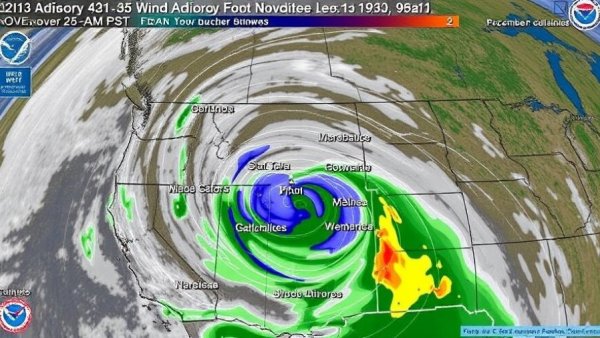
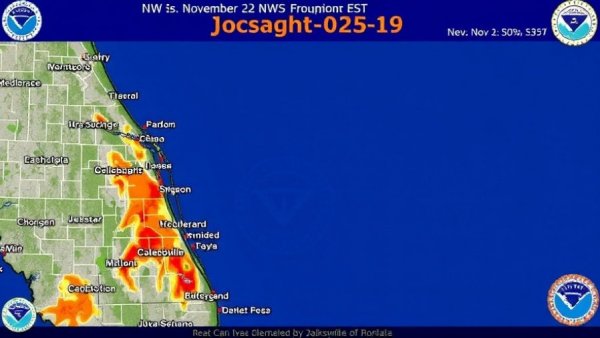
Thanks to technology, weather alerts have become more efficient and precise. Advanced weather radar systems can identify storm patterns more effectively. Additionally, apps and websites provide immediate notifications about weather changes. Social media is also a great source for real-time updates. As technology continues to evolve, we can anticipate even better alerts that can directly impact tree care practices. For example, smart weather stations can be installed in your backyard that provide personal weather data, helping you decide the best times for tree maintenance or when to do your landscaping work.
What You Can Do When an Alert is Issued
When you hear about an impending storm or weather alert, here are some steps you can take to keep your trees safe:
- Inspect Your Trees: Look for any weak branches or signs of disease; early detection can save a tree's life.
- Trim Dead Branches: Prune any dead or weak branches that could pose a risk during a storm. This helps reduce the chance of falling debris.
- Consult a Professional: If you're unsure about how to care for your trees, reach out to an arborist. They can provide expert advice based on the weather forecast and specific tree species.
- Plan Ahead: Consider moving delicate plants or ornaments indoors during severe weather to prevent damage.
The Future of Weather Alerts
As climate change continues to affect weather patterns, the importance of timely weather alerts is heightened. Future advancements could mean that alerts are personalized for your specific area even more effectively. Tree care specialists can adapt their strategies to address these changes, ensuring that trees remain healthy regardless of the weather conditions they face. This might include the development of new technologies that monitor tree health and environmental conditions in real-time, allowing for immediate interventions when adverse weather is predicted.
Conclusion
Understanding weather alerts isn't just about staying safe; it's a vital part of caring for our green spaces, including trees. As technology improves, we can look forward to better alerts that help us make more informed decisions about our trees. So next time you hear a weather alert, remember: it’s not just a warning; it’s a call to action! By staying informed and prepared, we can help protect the trees that give our communities beauty and life.




Write A Comment