









Understanding Weather Alerts: A Guide for Arborists
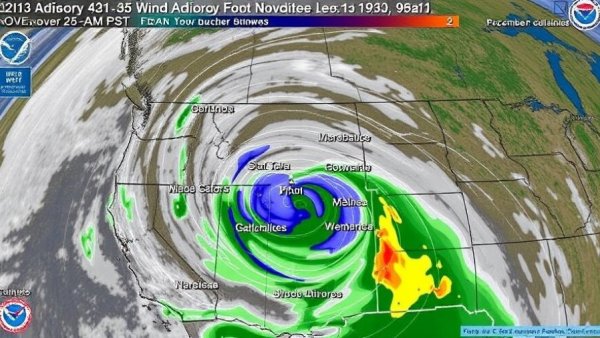
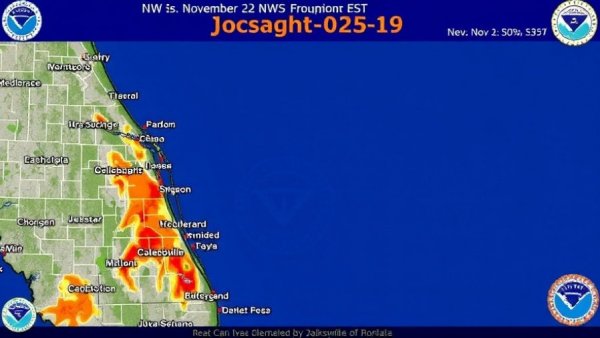
As an arborist, staying updated on weather conditions is vital for the health of the trees we care for and for our safety. Recently, the National Weather Service released alerts indicating potential hazards related to severe weather conditions. These alerts serve as essential tools that can help arborists make informed decisions regarding tree care, especially during storm seasons. With the increased unpredictability of weather patterns, even seasoned professionals benefit from a structured approach to monitoring alerts and responding appropriately.
The Importance of Weather Alerts
Weather alerts provide information about severe conditions such as high winds, heavy rainfall, or snowstorms that can affect both tree health and arborist operations. For instance, high winds can cause tree branches to break, posing risks to nearby structures and individuals. Knowing when severe weather is expected gives arborists time to prepare, ensuring they can either secure trees or delay work until it is safe. Additionally, these alerts can inform you about potential flooding, which may affect the root systems of trees, leading to long-term health issues.
Types of Weather Alerts
Understanding the different types of weather alerts is critical for effective tree management. Alerts are typically categorized as:
- Advisories: These indicate less severe weather conditions but still warrant caution. For arborists, advisories might suggest checking for loose branches or other hazards that could be dislodged in windy conditions.
- Watches: These alerts mean that severe weather conditions are possible. Arborists should remain vigilant and ready to respond if conditions worsen, which could include planning to remove compromised branches or even pausing work.
- Warnings: These alerts signal that severe weather is imminent or already occurring. Instant action might be required to protect trees and personnel, including evacuating areas around particularly vulnerable trees that may be at risk of falling.
Tools for Monitoring Weather Conditions
Modern technology has made it easier for arborists to monitor weather alerts effectively. Here are some tools you might consider:
- Weather Apps: Apps like Weather Channel or AccuWeather not only provide alerts but also detailed forecasts that help you plan tree care activities with greater precision.
- Social Media: Many local weather stations use social media platforms to disseminate real-time updates on weather conditions and alerts, allowing for rapid dissemination of information to arborists.
- NOAA Weather Radio: This can provide continuous broadcasts about weather alerts and warnings, keeping you informed throughout the workday. It is a reliable source for immediate updates, especially when working in remote areas without cell service.
Preparing for Severe Weather: What Arborists Can Do
Preparation is key when a weather alert is issued. Arborists should:
- Secure Equipment: Ensure that all tools and equipment are stored safely to prevent damage or loss during severe weather. This might include moving equipment indoors or securing them with weights to prevent them from being blown away.
- Assess Trees: Regularly inspect trees for vulnerabilities, especially before stormy seasons. Identify branches that might pose a risk during high winds, and make a plan for their removal if necessary.
- Educate Your Team: Make sure that everyone in your team understands the weather alert system and knows how to act when alerts are issued. Conducting drills for severe weather scenarios can enhance readiness and safety.
Conclusion: Embrace Technology for Tree Care Safety
Incorporating updated technology and staying aware of weather alerts can enhance safety in tree care practices. As we navigate through changing weather patterns, arborists need to be proactive – not only in protecting ourselves but also in ensuring the well-being of the trees we manage. By understanding weather alerts, utilizing available tech tools, and preparing adequately, arborists can continue to thrive in their essential roles. Remember that developing a solid relationship with local meteorologists can also provide personalized insights that are crucial for your operations.
For more insights into how we can utilize technology in our tree care practices, keep reading and stay informed! Your dedication to tree health and safety ensures a greener future for our communities.




Write A Comment