









Understanding Weather Alerts: Why They Matter for Trees
Weather alerts are crucial notifications that keep us informed about sudden and extreme weather occurrences. This knowledge is vital for everyone—especially those caring for trees. When strong storms are forecasted, tree care specialists must be prepared to protect our green friends and our properties. Understanding the importance of these alerts not only helps in safeguarding trees but also enhances our daily lives in urban environments where trees play an essential role.
How Weather Alerts Impact Tree Care
Severe weather conditions can pose significant risks to trees. High winds, heavy rain, and the possibility of snow can all affect the structural integrity of trees, leading to potential damage or even catastrophic failures. For example, trees that have been stressed by drought or pests might be more prone to falling during windstorms. Understanding how these factors interplay can help tree care specialists devise strategies to minimize damage. This means that knowledge of local weather patterns and conditions is as important as having the proper tools and expertise.
Connecting the Dots Between Technology and Tree Safety
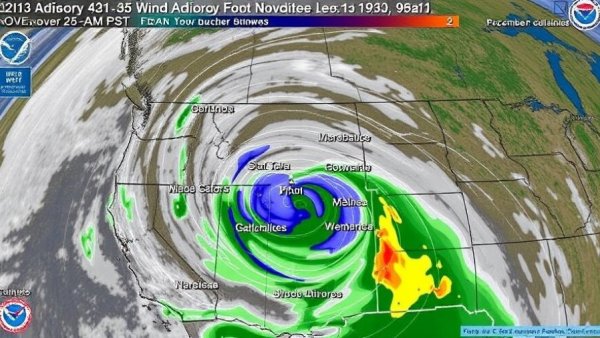
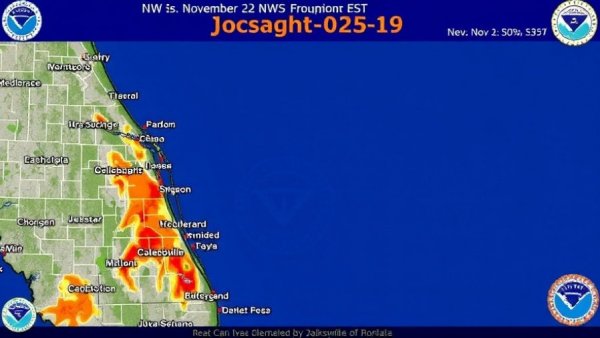
Advancements in technology have made tracking weather conditions easier than ever. Applications and alerts from weather services help those tasked with tree care to make informed decisions about preemptive actions, such as pruning, to strengthen tree stability before storms hit. Tools like real-time weather mapping allow arborists to assess risks and plan accordingly, showing that technology plays an essential role in effective tree management. Additionally, technology can aid in collecting data over time, helping tree care professionals understand how trees react to various weather events and how to best prepare for them.
Common Weather-Related Tree Care Tips
1. **Inspect Trees Regularly**: Look for signs of weakness, such as dead branches or leaning trunks, especially before a storm. Regular check-ups can prevent small issues from becoming bigger problems during weather events. 2. **Prune Wisely**: Removing dead or weak branches can reduce wind resistance and the chances of tree failure. It’s also important to prune at the right times of the year to ensure healthy growth and recovery. 3. **Brace Young Trees**: Young trees may need staking to provide support until their roots are well-established. This is a simple yet effective way to ensure they can withstand high winds as they mature.
Understanding Alerts: The Types and Their Importance
Weather alerts can vary from warnings to watches, and understanding these can help with decision-making. For instance, a severe thunderstorm warning indicates that severe weather is occurring or imminent, while a watch means conditions are right for severe weather to develop. This distinction helps tree care professionals prioritize their actions. Knowing whether to act immediately or prepare in advance can make a considerable difference in tree survival rates and overall landscape health.
What Happens When Weather Strikes?
In moments of severe weather, quick responses are necessary. Trees may need immediate attention post-storm, whether that means safety assessments to check for damage or equipment to clean up fallen limbs. Ensuring that tree care providers are well-prepared can lead to quicker recovery times for damaged trees. Appropriate training is beneficial, ensuring that those involved in tree care can recognize when and how to act swiftly, thus reducing further risks both to people and property.
Looking Ahead: Future Technology in Tree Care
The future of tree care is intertwined with technology. Examples include drones monitoring tree health from above, allowing arborists to spot trouble areas quickly, and sensors detecting moisture levels in the soil that might indicate the need for planting adjustments. We might see a surge in smart technology that helps arborists make even better tree care decisions. Innovations like AI-driven analytics could be employed to predict tree vulnerabilities based on real-time weather data, further enhancing our ability to care for these vital components of our community.
In conclusion, staying informed through weather alerts, using technology efficiently, and adhering to regular tree care practices can significantly enhance our approach to maintaining a healthy urban forest. Pay attention, stay safe, and take the necessary steps to protect our trees! Remember, healthy trees contribute to a healthy environment, improving air quality and providing beauty to our everyday lives. Each small action can lead to a significant impact, ensuring our trees thrive for generations to come.




Write A Comment