









Understanding Weather Alerts for Tree Care
Weather can be unpredictable, and for those involved in tree care and landscaping, it is crucial to stay informed about any weather warnings or alerts. Understanding these alerts can help protect not only trees but also the safety of those caring for them. Let's explore how these alerts work and why they are essential for effective tree management.
The Importance of Weather Alerts
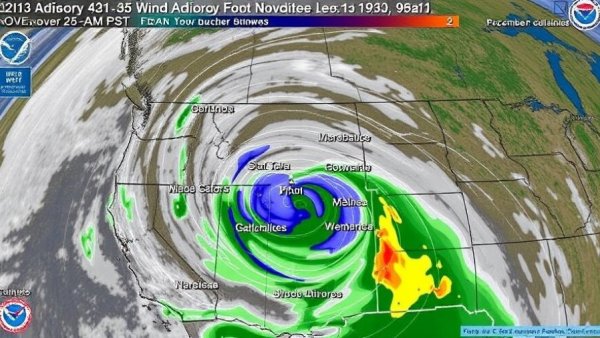
Weather alerts provide vital information about potential conditions that could harm trees. This includes severe storms, high winds, or heavy snowfall, which can all lead to branch damage or even tree failure. For example, a high wind warning means that winds are expected to be strong enough to pose a risk to large trees, making it essential for arborists to assess the health of trees in their area. Keeping an eye on local news channels or weather apps can ensure that tree care professionals are prepared for upcoming weather changes.
Moreover, weather alerts can also help homeowners who may not be involved in formal tree care. For instance, understanding that a frost warning is in effect can remind them to wrap young or sensitive trees to protect them. In essence, these alerts serve as an early warning system that can mitigate damage not only to trees but also to surrounding properties.
How to Prepare for Changing Weather Conditions
Preparation is key when severe weather is on the horizon. Tree care professionals should have a plan in place to inspect and secure trees, especially older ones that might be more vulnerable. Proper pruning helps strengthen trees against wind, and removing dead branches can prevent them from snapping off in a storm. In addition, ensuring trees are well cared for is essential during the harsh winter months to survive frost and snow. A common practice is to keep soil around trees properly watered before a freeze; this can help prevent roots from becoming damaged by frost and keep trees healthy.
It’s also wise to assess the landscape surrounding the trees. Identifying any objects like patio furniture, ornaments, or nearby branches that could become projectiles during a storm is crucial. Removing or securing these items can reduce the risk of additional damage to trees and property. Engaging in preventive measures shows a proactive commitment to maintaining both tree health and personal safety.
What to Do During a Weather Event
During events like storms, it’s important to stay indoors and allow nature to take its course. Checking on your trees after a storm has passed is crucial, but only do so when it's safe. Look for broken branches, uprooted trees, or any other signs of damage. If there are significant issues, contacting a professional arborist is advisable. They can assess how to safely deal with fallen or damaged trees, particularly those near power lines, which can pose serious safety hazards.
Taking immediate action post-storm can prevent further damage. For instance, if there's a large broken branch hanging precariously, an arborist should be called promptly to avoid accidents. Remember, safety comes first—assess the situation from a distance, and don't hesitate to seek professional help.
Future Trends in Weather Monitoring for Arborists
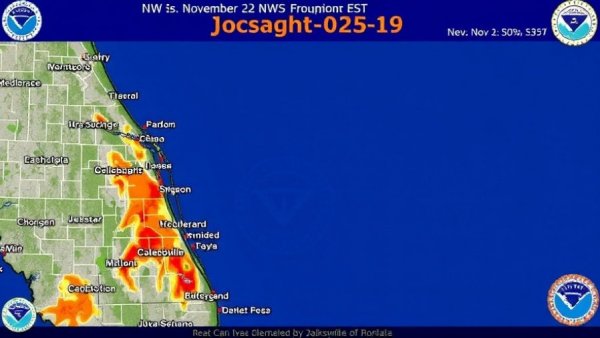
Looking ahead, technology is making significant strides in how we track and respond to weather events. Many apps now offer real-time weather alerts tailored for specific regions, allowing arborists to react more quickly. These advancements are particularly beneficial, as time is often of the essence when it comes to tree care.
Moreover, drones and satellite imagery can assist in inspecting trees from above. This innovative approach makes it easier to spot areas that may need attention before a storm hits or to assess damage afterward. Utilizing such advanced technologies can enhance the precision of tree health assessments and promote proactive care, safeguarding both the trees and the communities they support. By implementing these technologies, tree care professionals can not only protect their work but also contribute positively to the burgeoning need for urban forest management.
Conclusion
As professionals in tree care, remaining informed about weather alerts is as important as the care and maintenance of the trees themselves. By understanding how weather can affect trees and utilizing the latest technology for monitoring, arborists can ensure the safety and longevity of our green spaces. Remember, whether storms are brewing or winter's chill is setting in, knowledge is your best tool for protecting both trees and personal safety. It’s a continuing commitment to learn and adapt that will empower both tree care professionals and everyday homeowners alike as we navigate the ever-changing landscape of our environment.




Write A Comment