









Recognizing Weather Alerts: A Crucial Skill for Arborists
For arborists, staying informed about weather conditions is more than just a convenience; it can be the difference between life and death for trees. Trees are continuously affected by changes in weather, and understanding how to interpret alerts can help professionals make informed decisions in their care. Just as weather can impact daily life for individuals, it has a profound effect on the health and longevity of trees, which are vital components of our ecosystems.
Understanding Alerts That Impact Tree Health
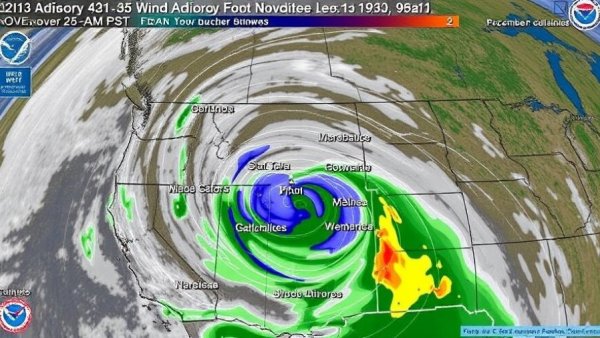
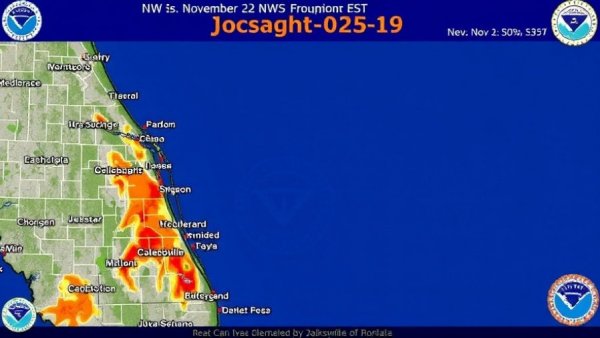
The National Weather Service (NWS) issues several types of alerts, including storm warnings, watches, and advisories. For example, a storm warning indicates severe weather that may result in high winds or hail, both of which can cause significant damage to trees. Arborists need to pay attention not just to these urgent alerts, but also to forecasts that predict temperature fluctuations, which can affect tree health during different seasons. For instance, sudden freezes in early spring can kill tender buds, while excessive warmth in late winter can cause premature growth, making trees more vulnerable to further frosts.
How Severe Weather Impacts Trees
During harsh weather conditions such as heavy snow or strong winds, trees experience stress that can result in branch breakage or uprooting. An example of this is ice storms, which can add a significant weight to tree branches, causing them to snap and potentially harming the tree's overall structure. Arborists must assess the tree's stability and make necessary adjustments to ensure their longevity after such an event. Recognizing signs of stress—such as cracks in the bark or significant leaning—is crucial for timely interventions. Arborists can also evaluate the surrounding landscape, ensuring that other plants and infrastructure are not affected by potential tree failures.
Technology’s Role in Monitoring Tree Safety
As technology continues to advance, arborists have more tools at their disposal to monitor tree health before, during, and after severe weather events. Applications that track local weather patterns can alert arborists in real-time, helping them prepare for impending storms. Moreover, tree health monitoring devices, such as sensors that can detect humidity and soil moisture levels, provide data that helps arborists make informed decisions about watering and care when adverse weather approaches. These technological advancements ensure they can act quickly to protect their trees, reducing the risk of storm damage and maintaining the urban canopy that benefits the community.
The Importance of Precautionary Measures
Before extreme weather hits, it's essential for arborists to take precautionary measures. Regularly inspecting trees for signs of weakness, pruning dead branches, and ensuring proper tree care can mitigate damage. Implementing strategies such as cabling or bracing trees that show signs of structural weakness can also be effective. By understanding and applying these strategies, arborists can better position trees to withstand unpredictable weather conditions effectively, therefore maintaining not just the trees' health but also the safety of nearby pedestrians and property.
Future Predictions: What Arborists Should Watch For
Climate change is altering weather patterns and increasing the frequency of severe weather events. Moving forward, arborists will need to adapt their practices to account for these changes. For instance, selecting tree species that are resilient to high winds and heavy rainfall will become increasingly important. Additionally, promoting biodiversity within tree plantings can create a more resilient urban forestry system. The ability to predict and prepare for these shifts will play a critical role in tree sustainability and the health of our ecosystems, ensuring that trees can continue to provide benefits for generations to come.
Conclusion: Embracing Technology and Weather Awareness
For today's arborists, understanding the relationship between weather alerts and tree health is essential. By integrating weather awareness with technology and best practices, they can not only safeguard trees but also enhance community environmental resilience. Staying informed about upcoming weather patterns and employing cutting-edge tools will enable arborists to respond effectively to challenges. This proactive approach ensures that the vital role trees play in our environment is sustained, fostering both ecological health and beautifying our communities. Stay tuned for the latest advancements in tree care technology and practical tips to ensure your trees thrive!




Write A Comment