








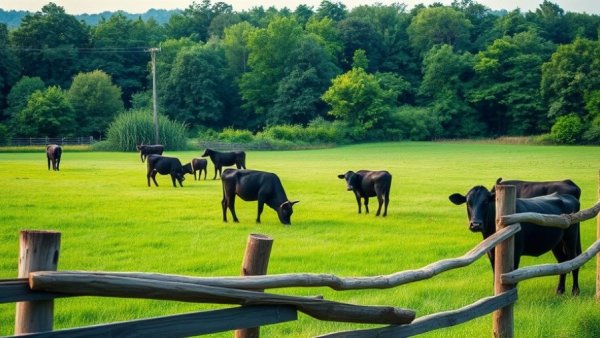
The Turning Point for the Cattle Industry
After years of turmoil, home and cattle owners alike can breathe a sigh of relief. National Beef Inc., a major player in the U.S. beef market, is reporting promising signs as it indicates that the worse days of the cattle cycle may be behind us. With margins reported at their highest in two years, CEO Tim Klein confidently stated, “We do believe we are through the worst part of the cycle.” This shift is largely attributed to a reduction in slaughter rates and increasing consumer demand, which helps maintain elevated beef prices.
Pivotal Factors Shaping Market Dynamics
Key factors are at play in the cattle market that could impact homeowner insurance rates connected to food supply and inflation. The U.S. cattle herd has dwindled to one of its smallest sizes in decades due to severe droughts and heightened operational costs. These factors have historically tightened meatpackers’ margins, which could play a pivotal role in costs that homeowners face when insuring their properties against food-related inflation. Recent findings that cattle prices are on the rise signify potential shifts in purchasing power for consumers and, subsequently, homeowners as well.
Regulatory Influences and Consumer Choices
The Trump administration, in response to food inflation driven by beef prices, is pushing for increased beef imports and a resumption of live cattle shipments from Mexico. These efforts targeted primarily to stabilize beef supplies can affect broader market trends, ultimately impacting homeowners who may rely on stable grocery prices in their insurance assessments. With meatpackers in the U.S. also experiencing improved earnings, as seen with JBS NV reporting gains in its beef unit, all signs seem to point to a slowly recovering industry.
Looking Ahead: Challenges and Opportunities
As the market adjusts, beef producers like National Beef are positioned to benefit from growing U.S. sales and an increase in poultry exports, particularly as trade dynamics shift in Brazil. Importantly, while Newcastle disease outbreaks in Brazil have not significantly impacted poultry exports, the changes in trade could encourage innovative adaptations among U.S. homeowners looking to mitigate rising food costs. Understanding these patterns is vital for homeowners eager to adapt their budgets amid fluctuating prices for essential goods like meat.
Actionable Insights for Homeowners
For homeowners, staying informed about livestock market trends is crucial not only for budgeting grocery costs but also for understanding potential impacts on homeowner insurance policies. As beef prices fluctuate and new government policies emerge, it’s wise to review your existing insurance coverage. Ensuring you have a robust policy can protect against the economic ripple effects brought about by such supply changes.
The cattle industry's recovery is promising news, and it brings with it a myriad of financial implications for homeowners. By proactively managing their insurance and understanding market dynamics, homeowners can navigate these changes with confidence.




Write A Comment