









Preparing for Severe Weather: Essential Insights for Arborists
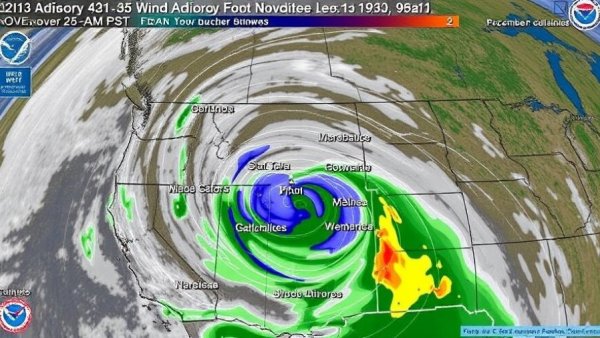
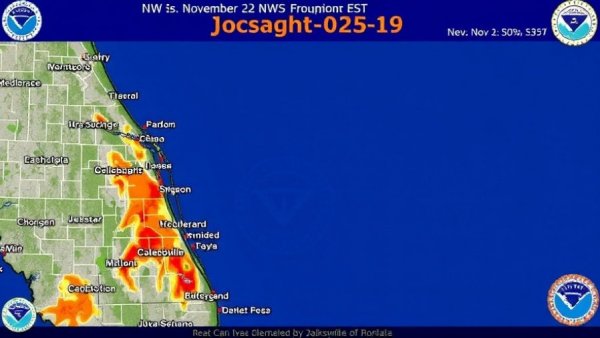
As climate change intensifies, adverse weather events are becoming increasingly frequent, creating significant implications for the arborist community. The latest alerts from the National Weather Service emphasize the importance of vigilance, especially as storms threaten to uproot trees or inflict damage on urban and residential landscapes.
In areas known for high winds, sharp temperature drops, and heavy rains, it is crucial for arborists to assess the health of surrounding trees and shrubs. Proper tree maintenance can significantly reduce the risk of storm damage. Understanding the growth patterns and structural stability of trees is vital; older trees or those weakened by disease are most susceptible to uprooting during intense storms.
The Importance of Proactive Tree Management
Proactive management can make a world of difference. Regular inspections and maintenance tasks, such as pruning and insect removal, substantially mitigate risks. Arborists should also be well-versed in industry best practices for tree care that prioritize both safety and environmental sustainability.
Actionable Strategies for Arborists During Storm Alerts
Stay informed. Keeping up to date with weather notifications not only helps arborists prepare for impending storms but also allows them to inform local communities about precautions to take. In the aftermath of a storm, assessing tree health and promptly addressing fallen branches or uprooted trees can prevent further damage.
With continuous changes in weather patterns, it’s more critical than ever for arborists to equip themselves with the knowledge and tools necessary to handle emergency situations effectively. Investing in training related to crisis management can also enhance their ability to act swiftly and effectively.
Conclusion: Stay Prepared and Informed
In summary, understanding how severe weather affects tree health and preparation for emergencies are crucial for arborists. By taking proactive steps, arborists can not only mitigate potential damage but also serve as valuable resources in their communities for disaster readiness.




Write A Comment