









Understanding Severe Weather Alerts for Arborists
As arborists, staying informed about severe weather conditions is critical to ensuring the safety and health of trees. Weather alerts can provide vital information on storms, high winds, and other natural events that may impact our green environment. This guide simplifies how to interpret these alerts effectively.
Why Weather Alerts Matter to Arborists
Weather alerts help arborists make informed decisions about tree care and maintenance. For instance, a high wind warning could mean it's unsafe to work around large trees, while a heavy rain alert may raise concerns about soil saturation and root stability. By understanding these alerts, arborists can protect themselves as well as the trees they care for.
The Different Types of Weather Alerts
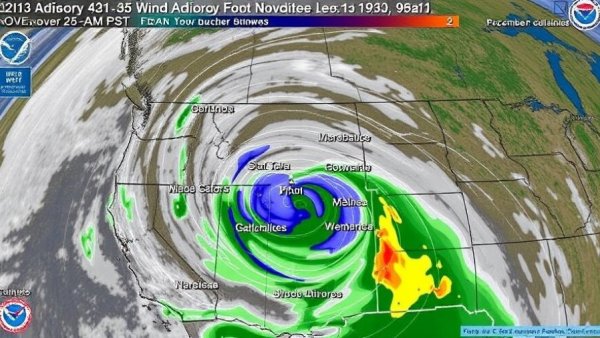
Weather alerts come in various forms, each indicating different levels of severity. Common alerts include:
- Severe Thunderstorm Warnings: These indicate storms capable of producing damaging winds or hail that can affect tree integrity.
- High Wind Warnings: When wind speeds exceed certain levels, it's crucial for arborists to reevaluate their safety protocols.
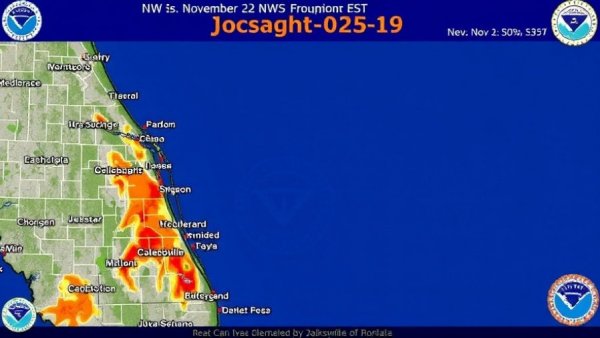
- Flash Flood Warnings: Heavy rain can saturate soil, increasing the risk of uprooted trees, especially in urban areas.
How to Stay Updated on Weather Alerts
It's essential for arborists to have reliable sources for weather information. The National Weather Service provides timely alerts through various channels, such as:
- Mobile Alerts: Download an app to receive push notifications directly to your phone.
- Email Alerts: Sign up to get immediate notifications about severe weather in your area.
- Local News: Keep an eye on local news stations for weather updates and advice.
Preparing for Severe Weather Events
When severe weather is forecasted, preparation is key. Here are steps that arborists can take to ensure safety and minimize damage:
- Safety Gear: Always wear protective gear, such as helmets and gloves, during adverse weather.
- Site Assessment: Evaluate the area for any dead or damaged trees that could pose hazards during storms.
- Tree Maintenance: Regularly prune trees to reduce wind resistance and risk of damage.
The Importance of Community and Communication
Establishing a strong network among local arborists can enhance safety during severe weather. By sharing information about conditions and alerts, arborists can ensure that everyone is prepared. Consider joining local arborist groups or forums for real-time discussions about weather impacts and emergency responses.
Future Considerations in Arboriculture and Weather Preparedness
The ongoing advancement of technology in arboriculture can aid in better preparedness for severe weather. Innovations like interactive apps that predict weather patterns or satellite imaging to assess tree health during storms can give arborists an edge in planning and response. Staying tech-savvy not only helps protect our trees but also enhances our craft further as professionals.
Conclusion: Stay Prepared, Stay Safe
Understanding weather alerts and preparing accordingly can significantly impact an arborist’s effectiveness and safety. By familiarizing yourself with potential weather conditions, you can safeguard yourself and the trees under your care. Follow local weather updates, invest in safety practices, and connect with other professionals to create a network of support. Let’s protect our trees and each other!




Write A Comment