








Understanding Storm Hazards for Arborists
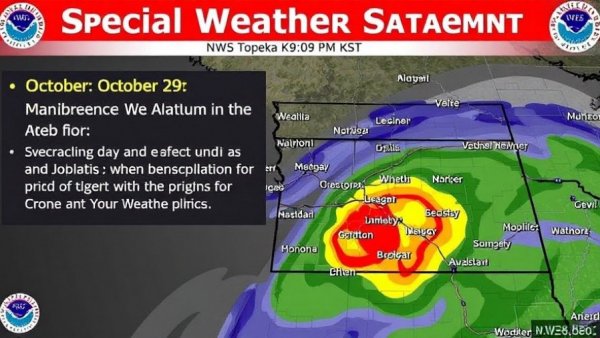
As professionals who work closely with trees, understanding weather hazards like thunderstorms is key to protecting both your work and the environment. On October 29, 2023, at 9:09 PM CDT, Doppler radar indicated a strong thunderstorm moving over Marysville, Kansas. This storm is noteworthy for arborists because it included hazardous conditions such as wind gusts of up to 50 mph and the risk of penny-sized hail. Such conditions can have significant effects on both landscape trees and those yet to be planted. Therefore, staying informed about local weather events is crucial for effective tree management.
The Impact of Wind and Hail on Trees
High winds can lead to broken limbs and knocked-over smaller trees, particularly those that are still developing or have been previously weakened by disease or pests. It’s essential for arborists to be familiar with the specific tree species they manage, as some may be more resilient to storm conditions than others. For instance, younger trees and those with shallow root systems are at increased risk of being uprooted. Hail can also cause damage to leaf surfaces, affecting photosynthesis and potentially stunting growth. Quick assessments after a storm can help mitigate damage by prioritizing which trees need immediate attention and care.
Safety Practices for Arborists During Storm Events
In preparation for storms, arborists should ensure that all tools and equipment are secured. Unsecured objects can become dangerous projectiles in strong winds. However, it’s not just about protecting trees; arborists themselves must prioritize their safety as well. Avoid climbing trees or operating machinery in high winds, and do not attempt to assess storm damage until conditions have stabilized. Always be attentive to local weather updates and alerts, not just for your safety but also to keep your team and your clients informed. Remember that storm conditions can change rapidly, and a proactive approach is essential.
The Importance of Post-Storm Assessments
After a storm, it’s critical to perform a thorough evaluation of impacted trees. Look for common signs of stress such as cracked bark, uprooted roots, and broken branches. Documenting storm damage helps clients understand the situation and allows arborists to provide appropriate care recommendations. These assessments are also vital when filing insurance claims related to storm damage. Additionally, it may be beneficial to create a timeline for recovery, detailing necessary treatments and follow-ups for damaged trees to ensure their health and stability moving forward.
Emerging Technologies to Aid Arborists During Storm Management
New technology can play an invaluable role in helping arborists manage trees during and after storm events. Drones, for instance, can provide a bird’s-eye view of storm damage, allowing arborists to assess difficult-to-reach areas safely. These aerial surveys help pinpoint severe damage, which is crucial for creating an effective response plan. Soil moisture sensors and monitoring systems can also help determine how storms affect tree health over time, guiding care decisions and interventions. Using these advancements can significantly improve our understanding of trees' resilience to extreme weather, ultimately leading to better conservation practices and enhanced tree longevity.
Resources for Arborists in Emergency Preparations and Recovery
Many organizations provide tools and resources that arborists can reference during storm season. The American Society of Consulting Arborists (ASCA) and the International Society of Arboriculture (ISA) offer training and guidelines that can assist in both storm readiness and recovery. Additionally, collaborating with local emergency services can enhance an arborist's preparedness for future storm events. Establishing relationships with local agencies ensures that you have the support and resources necessary to deal with significant weather events efficiently.
Conclusion: Stay Prepared and Informed
Understanding the potential impacts of severe weather on trees and practicing recommended safety measures can help arborists effectively manage their responsibilities. Regular training and updates on technology also enhance our collective ability to care for trees before and after storms. Staying informed about local weather forecasts and disaster preparedness strategies is essential in the field of arboriculture. Remember, preparation is the key to resilience, and by prioritizing knowledge and safety, arborists can protect both themselves and the vital trees they care for.




Write A Comment