




Tree Guardian News
Tree Guardian News
  • Home
  • Categories
    • Storm Damage & Prevention
    • Tree Care Tips & Landscaping
    • Tree Disease Identification & Treatment
    • Insurance Intel
    • DIY Tree Care & Safety
    • Sustainable Tree Care & Eco Solutions
    • Professional Tree Services
    • Arborist Stories
    • Latest News
    • Industry Insights
Join the Arborist Forum 
April 10.2026
1 Minute Read

Struggling with spring dead tree identification? Here’s help

Did you know? Homeowners lose thousands of healthy trees every year because they confuse a dormant tree for a dead one after winter — putting property, people, and landscapes at risk. This spring dead tree identification guide helps you quickly recognize dead or dying trees, so you can take action before your yard’s health and safety are compromised.

A Startling Reality: Why Spring Dead Tree Identification Is Crucial for Recovery

As spring breathes life into yards and forests, not every tree bounces back from winter’s harsh grip. The spring dead tree identification guide becomes invaluable when rapid seasonal changes leave some trees compromised. Dead or dying trees often go unnoticed until they show signs of decay, risking sudden limb drop or entire trees that can fall unexpectedly with the next heavy rain or wind. Spotting a dead tree as early as possible prevents its hidden risks from threatening nearby healthy trees, structures, or your family.

Dead trees in spring are especially dangerous because winter damage and declining tree health become visually obvious just as people begin to use their outdoor spaces again. If left unchecked, a dying tree can disrupt your landscape, spread disease, and create a potential hazard right where you least expect it. Early identification and immediate action help ensure fast recovery, preserving the natural beauty, safety, and value of your property post-winter.

Understanding Winter Damage and Its Effects on Dead Trees

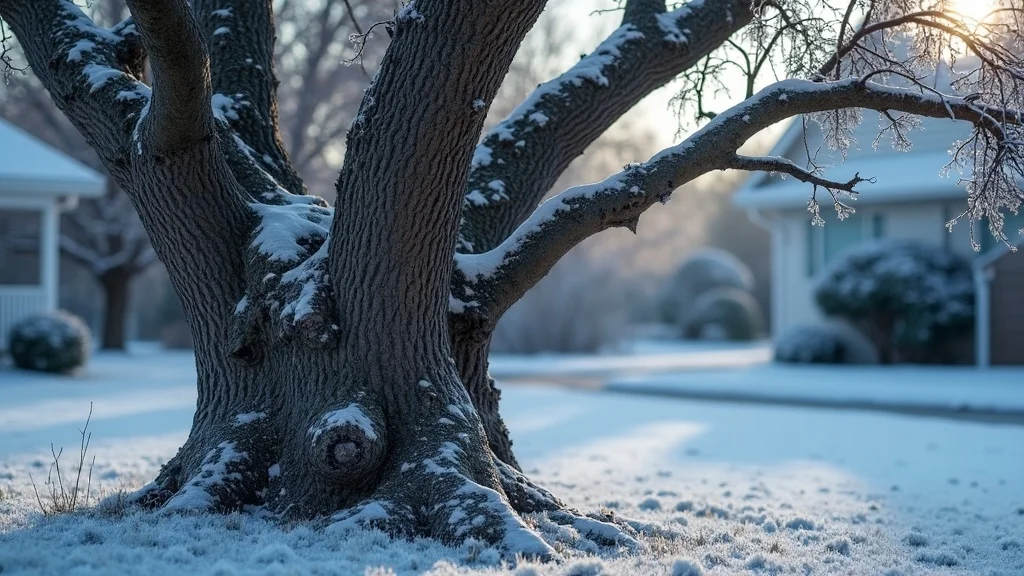
Winter brings freezing temperatures, heavy snow, and ice, all of which can damage a tree’s roots, trunk, and branches. By spring, the signs of winter’s toll—such as cracked bark, peeling bark, or limp, dead branches—can signal trouble. Sometimes, otherwise healthy-looking trees can appear lifeless due to internal injuries or compromised root systems. Recognizing these issues early is crucial: waiting until later seasons may be too late for recovery. The spring dead tree identification guide ensures homeowners and landscapers aren’t caught off guard by the lingering effects of winter’s destructive reach.

Prolonged cold snaps can kill young roots or weaken older ones, leaving the tree unable to take up water and nutrients as the ground thaws. Fungal growth often appears on bark or at the base of the tree, exploiting wounds made by snow or ice—a sure warning that decay is taking hold. Dead or dying trees also attract insects and pests, compounding the threat to your landscape. Knowing the difference between winter dormancy and true mortality is the first step to maintaining a healthy tree population this spring.

“Trees that suffer unnoticed damage over winter may become hazardous by spring — timely dead tree identification is vital.”
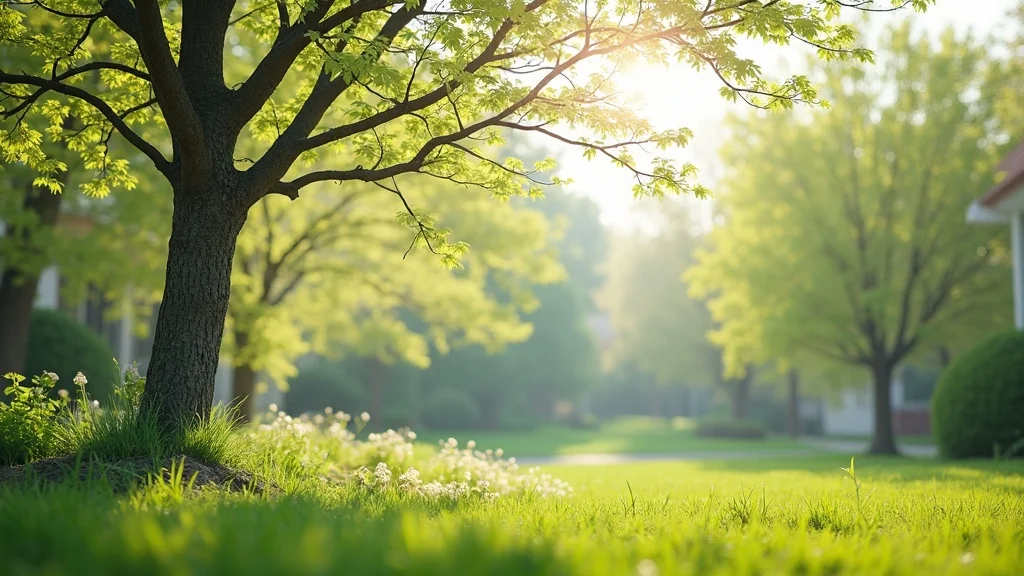
spring dead tree identification guide: leafless dead tree among healthy green trees in spring

What You'll Learn from This Spring Dead Tree Identification Guide

  • Key signs a tree is dead or dying
  • How to differentiate between a dead tree and a dormant or stressed tree
  • Practical steps in your tree identification process
  • What actions to take once you’ve identified a dead or dying tree

Table: Quick Reference for Spring Dead Tree Identification Signals

Visual Signal What It Means Action Needed
No green leaves in spring Possible dead tree Conduct scratch test
Fungal growth on bark Possible dying tree Inspect root and trunk stability
Cracked or brittle branches Indicator dead or dying tree Prune/test for live tissue

How to Identify a Dead Tree in Spring: Step-by-Step Guide

Visual Cues: Spotting a Tree Dead from a Distance

Begin your spring dead tree identification walk by visually comparing your trees to others in the landscape. Dead or dying trees stand out when neighboring trees boast lush, green leaves while one remains barren. A tree that fails to sprout green leaves long after others have, especially in favorable spring weather, is signaling a problem. Similarly, if you see bark falling off in sheets or patches, or you notice mushrooms growing on the trunk or at the base of the tree, these are classic signs of decay and compromised tree health.

Additionally, look for obvious signs of physical trauma, such as branches snapped or split from winter storms. If the tree’s silhouette shows sparse or brittle branches, missing bark, or unusual discoloration, it could be more than just slow to awaken; it might be dead or dying. Comparing these cues with those of a healthy tree nearby can help determine whether you’re seeing natural variance or clear indications of tree mortality. Early recognition—before summer storms arrive—is key to managing any potential hazard.

  • No green leaves while surrounding trees flourish
  • Bark falling off or excessive fungal growth
  • Visible structural damage from winter storms
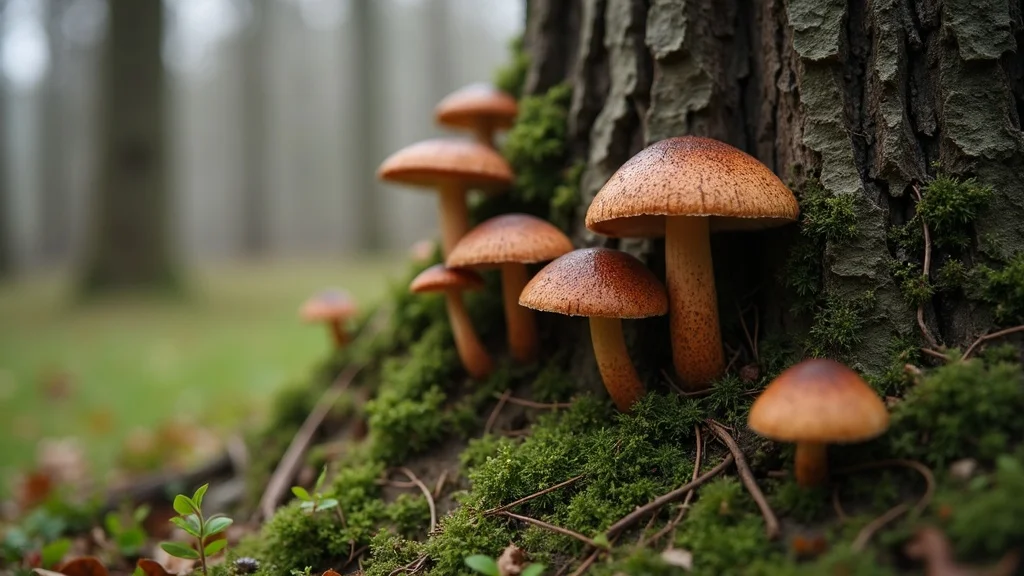
tree is dead spring identification: cracked trunk fungus sign of dying tree

The Scratch Test: Quick Confirmation for Tree Is Dead or Alive

If you can’t immediately determine whether a tree is dead, the scratch test is a simple yet reliable way to check for vital life signs. Using a utility knife or your thumbnail, gently scrape away a thin layer of bark from a small twig or a lower branch. If you find moist, green tissue beneath the outer layer, your tree is alive. If the layer underneath is dry and brown, the tree is likely dead. This test is quick, non-destructive, and highly effective in differentiating between genuine mortality and a late-blooming healthy tree.

Be sure to select a twig or section of bark that seems healthy—avoid dead, brittle branches that are already shedding bark, as these won’t reflect the overall state of the tree. Perform the scratch test on different areas of the tree if you discover mixed results, especially on larger specimens. A healthy root system will distribute moisture and keep the inner bark green, while a dying tree that has lost its root health will turn brown and dry from the inside out. For maximum accuracy, combine the scratch test with other visual cues outlined in this identification guide.

  • How to perform a scratch test accurately
  • Interpreting the color and moisture of inner bark
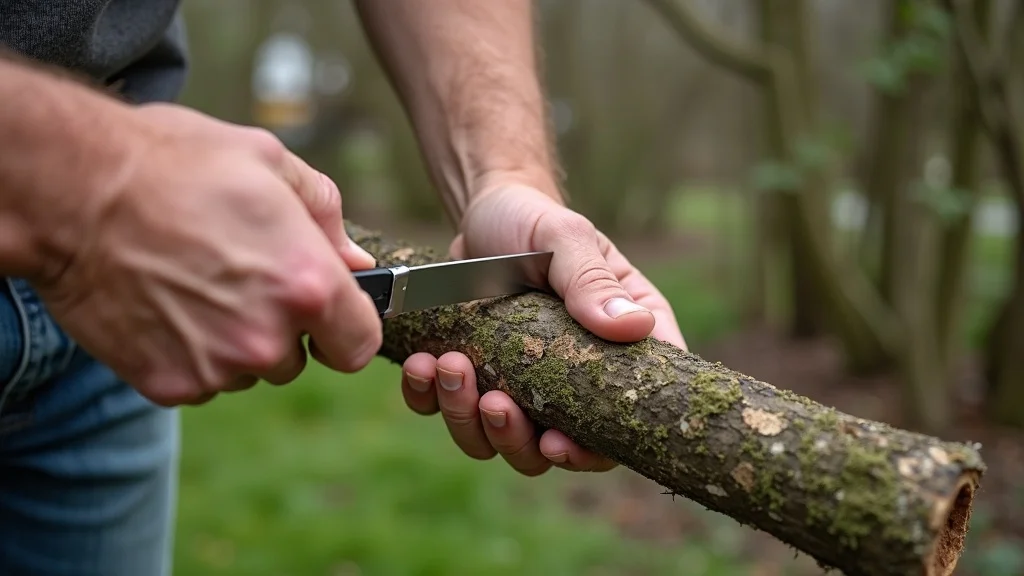
scratch test for tree is dead or alive: scraping bark to reveal green vs. brown inner bark

Assessing Tree Health: Signs Your Tree Is Alive Versus Dead or Dying

A healthy tree will display emerging buds, flexible branches, and vibrant green leaves as spring progresses. The distinction between dormant, stressed, and dying trees is often in these small details. Buds on living trees should feel supple and eventually burst into leaf; in contrast, a dying tree might show shriveled or missing buds altogether. Flexibility is a good indicator of life; living branches usually bend without snapping, while those on a dead tree break easily, indicating no moisture or sap within.

Assess other vital indicators, such as firmness of the trunk and the state of the bark. A tree with soft, punky wood, deep cracks running up the trunk, or peeling bark may be past the point of recovery. Fungus growing at the base or in cracks is another bad sign, as it often signals irreversible decay in the root system. Use a combination of these methods—comparing leaves, checking flexibility, and performing the scratch test—for the most accurate spring dead tree identification.

  • Look for bud development and green leaves
  • Check branches for flexibility and moisture

Living Versus Dead: How to Differentiate Between a Dormant or Dying Tree

After harsh winters, many trees and shrubs may appear lifeless, but a careful eye can tell dormant survivors from true fatalities. Dormant trees often resume growth as temperatures rise, but a dead or dying tree will not, regardless of changes in weather. Look for seasonal cues: Do the buds swell and leaf out as spring progresses, or do branches remain bare and brittle? Conduct the scratch test if you’re unsure whether the tree is simply late waking up or genuinely gone.

Fungal growth, especially at the base of the tree or on areas of peeling bark, typically signals decay rather than stress or simple dormancy. Likewise, brittle branches and significant bark loss are more consistent with a dead tree than a healthy tree emerging from winter rest. By following this guide, you’ll avoid common misidentifications and take appropriate action to maintain the vitality of your landscape.

  • Seasonal cues and common misidentifications after harsh winters
  • Role of fungal growth and bark condition
demonstration: performing the scratch test for dead tree identification

Common Causes of Springtime Dead or Dying Trees

A tree that does not recover in spring may have succumbed to winter frost damage, root injury, pests, or fungal infection. Winter frost damage can create deep cracks in bark and disrupt the tree’s internal plumbing, leaving it unable to transport water even after thaw. Root injury from freezing—often invisible at the surface—prevents moisture from reaching up to the branches, hastening dieback once growth resumes. Sometimes, signs of pest infestations only become apparent as the weather warms, with boreholes, sawdust, or sudden leaf loss.

Persistent fungal growth at the base or along the trunk signals that decay has set in, feeding on dying tissues and accelerating the decline. These factors act together, preying on weakened or injured trees and overwhelming their ability to bounce back after winter. By using this spring dead tree identification guide to recognize these causes early, you improve your chances of saving stressed trees or replacing dead ones before they become dangerous liabilities.

  • Winter frost damage
  • Root injury from freezing
  • Pest infestations revealed after thaw
  • Persistent fungal growth

damaged tree after winter: frost cracked trunk, minimal buds, dead branches

When to Worry: Warning Signs a Dead or Dying Tree Might Be Hazardous

Some dead or dying trees go from unsightly to dangerous overnight. Key signals that a tree dead poses a risk include cracking at the base of the tree or along the trunk, especially if the tree leans unnaturally or the ground has shifted. Large dead branches overhanging roofs, play areas, or driveways are an immediate red flag: they can break loose without warning, especially during spring storms or wind.

Don’t underestimate the potential hazard; trees in this condition can fall unexpectedly, causing property damage or even injury. If you spot any of these warning signs during your spring assessment, act quickly. Immediate pruning or removal by a certified arborist is necessary to keep your property, family, and neighbors safe. Document the problem, avoid standing or parking beneath the dead or dying tree, and prioritize these hazardous cases in your spring maintenance plans.

  • Cracking at the base or trunk
  • Leaning unnaturally
  • Large dead limbs over structures

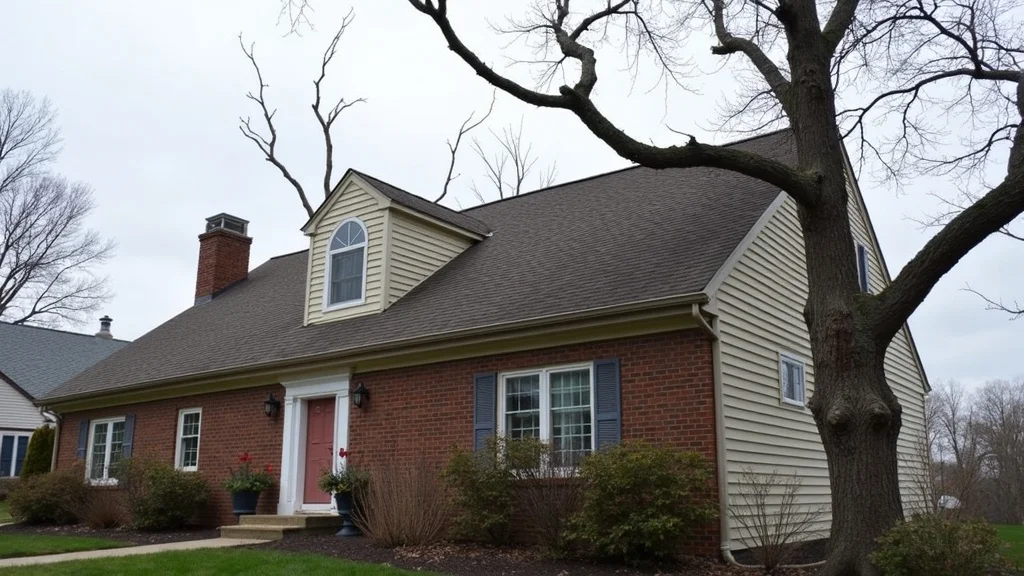
dead limb hazard: spring dead branch over roof

Key Actions: What to Do if You Find a Dead Tree This Spring

If your spring dead tree identification process points to a confirmed dead or dying tree, your priority is safety. Begin by consulting a certified arborist to assess the tree’s stability and the best removal strategy. Attempting to prune or remove a large dead tree without proper knowledge or safety gear is risky—trunks can snap, and limbs may fall unexpectedly. A professional can identify hidden dangers, use the right equipment, and safely remove hazardous trees.

For smaller trees or dead branches, you can increase safety by following recommended trimming practices: wear high-visibility safety gear, clear the area around the tree, and never attempt to remove limbs that overhang structures. Dispose of material following local regulations to prevent disease or pests from spreading in the neighborhood. Above all, act quickly once you confirm a tree is dead—swift removal helps protect your property and the broader landscape from further harm.

  • Consulting a certified arborist after using this spring dead tree identification guide
  • Safe trimming and removal best practices

While identifying dead or dying trees is essential for landscape safety, it's equally important to consider how your overall yard care practices can impact tree health. For example, advancements in smart irrigation technology can help prevent stress and decline in trees by ensuring they receive optimal water throughout the growing season. Discover how innovative solutions are shaping the future of lawn and tree care in this overview of Irrigreen's smart irrigation breakthroughs.

Lists: Essential Tools for Accurate Spring Dead Tree Identification

  • Sharp pruning shears
  • Utility knife for scratch test
  • High-visibility safety gear

People Also Ask About Spring Dead Tree Identification Guide

What is the 10/20/30 rule for trees?

The 10/20/30 rule is a tree diversity guideline, suggesting no more than 10% of a single species, 20% of a single genus, or 30% of a single family to prevent widespread losses from disease or pests. While not directly linked to dead tree identification, it helps avoid mass dieback.

How to identify a dead tree?

Identifying a dead tree involves evaluating leaf budding in spring, checking for green leaves or brittle branches, performing the scratch test, and assessing for fungal growth or significant bark loss. If all indicators suggest lifelessness, use a professional identification guide for confirmation.

What is the 5 15 90 rule tree felling?

The 5 15 90 rule is a guideline for felling trees: 5% of trees should be large, mature specimens; 15% should be young, and the remaining 90% should be middle-aged. This is a forest management practice and does not directly apply to spring dead tree identification, but healthy age distribution helps reduce dead or dying trees.

How to tell if a dead tree is about to fall?

Warning signs that a dead tree is about to fall include newly formed leans, cracked soil around the base, audible creaks or pops, and sudden structural splits after winter. If you identify these signs during your spring dead tree identification inspection, contact an arborist immediately.

FAQs: Spring Dead Tree Identification Guide Essentials

  • Can a tree recover after appearing dead in spring?
    Sometimes trees can appear lifeless but are simply delayed by a long winter or stress. Wait until neighboring healthy trees have fully leafed out, then check for bud and bark vitality. If the scratch test and visual inspection show no signs of life, removal is likely needed.
  • Are all fungal growths a sign that a tree is dying?
    Not all fungi are a death sentence—some appear on minor wounds or decaying wood. However, mushrooms or large fungal growths at the base or trunk of a tree, especially with other decay symptoms, usually signal internal rot and a dying tree.
  • What should I do before removing a dead tree identified this spring?
    Always confirm death using several identification methods—scratch test, visual cues, and branch flexibility. Consult a professional arborist for safe removal, especially for large trees or those close to property and people.

Key Takeaways from This Spring Dead Tree Identification Guide

  • Early detection of dead or dying trees is critical for property and landscape health after winter
  • The scratch test, leaf and bark inspection, and comparison with neighboring trees are vital steps
  • Seek professional guidance for safe removal and hazard mitigation

Ensure Safe Recovery: Contact Certified Arborists for Dead or Dying Tree Management

Arborists get noticed! Call 203-271-7991

Conclusion: By following this spring dead tree identification guide, you protect your property and ensure a swift, healthy recovery of your landscape after a harsh winter. Don’t delay—early identification saves trees, time, and lives.

As you continue to care for your landscape this season, remember that proactive solutions can make all the difference in preventing future tree loss and maintaining a thriving yard. Embracing new technologies, such as smart irrigation systems, not only supports tree health but also optimizes water use and sustainability for your entire property. If you're interested in learning how cutting-edge innovations are transforming lawn care and tree vitality, explore the broader impact of smart irrigation advancements and what they could mean for your landscape’s long-term resilience by reading about Irrigreen's vision for the future of lawn and tree care. Investing in smarter care today can help ensure your trees remain healthy and vibrant for years to come.

Sources

  • Tree Care Tips: How to Tell if a Tree is Dead or Dying
  • University of Minnesota Extension: How Do You Tell if a Tree is Dead?
  • Arbor Day Foundation: Tree Identification and Health Resources
Tree Care Tips & Landscaping

62 Views

Write A Comment

*
*
Please complete the captcha to submit your comment.
Related Posts All Posts
07.10.2026

Transform Your Patio This Summer with These Shade Ideas

Update Why Smart Patio Shade Ideas Matter This Summer The joys of summer can quickly be overshadowed by scorching sun and uncomfortable temperatures, especially during peak hours. An exposed patio can turn into an unforgiving surface, reaching soaring temperatures that deter even the most enthusiastic outdoor lovers. But don’t fret—implementing the right patio shade ideas can dramatically change how you enjoy your backyard. With effective shading solutions, your patio transforms from a sun-baked surface to a lush outdoor room, perfect for summer gatherings, evening meals, or quiet reading sessions. Mix and Match: Your Ideal Patio Shade Combination To create the perfect summertime retreat, consider layering your shade options. One popular strategy involves combining a permanent structure, such as a pergola or pavilion, with flexible elements like shade sails or cantilever umbrellas. For example, a beautiful pergola not only establishes an architectural focal point but also serves as a base for climbing vines that provide living shade. Meanwhile, easy-to-move canopies can be deployed as the sun shifts, ensuring comfort throughout the day. Understanding the Common Mistakes to Avoid When diving into patio shading, remember some common pitfalls that many homeowners encounter. First, opting for a single large umbrella as your sole solution may lead to coverage gaps. Instead, layer your strategies to maximize shading. Secondly, choosing a structure that's too small for your patio can lead to frustration and reduced usability. Plan wisely! Measure how sun exposure shifts across your patio during key times to ensure total coverage. Top Patio Shade Ideas You’ll Love Here are some popular solutions to consider: A Pergola: Classic and elegant, a pergola provides partial shade while allowing dappled light to filter through. With options for climbing plants or retractable shades, it's a blend of function and beauty. A Pavilion: If you want full protection, a pavilion offers an ideal solution with a sturdy roof that deflects rain and sun alike, creating a perfect outdoor sanctuary. Louvered Roof System: If flexibility is key, look for adjustable louvered roof systems that let you control sunlight and shade with ease. Perfect for tech-savvy homeowners! A Cantilever Umbrella: For a temporary but effective solution, invest in a high-quality cantilever umbrella. They easily pivot to follow the sun, ensuring coverage wherever you dine. Shade Sails: These fabric panels are unique and trendy, perfect for covering odd-shaped patios. They disperse sunlight at various angles, enhancing aesthetics while keeping things cool. Consider Adding Natural Elements Don't forget the natural aspect of shade. Planting a specially chosen tree—like a Japanese maple or a river birch—on the south side of your patio creates gorgeous dappled shade as it matures. This addition not only cools your space but also enhances the visual appeal of your garden. How Outdoor Curtains Boost Comfort and Style Outdoor curtains are an often-overlooked element that can significantly impact how comfortable your patio feels. They add a dramatic shade element while providing a cozy atmosphere. When choosing fabrics, opt for UV-resistant materials that can withstand outdoor conditions and keep their vibrant colors year-round. Creating a Personal Oasis This summer, don't let the heat drive you indoors. With the right mix of structure and plants, you can create a shaded escape. Whether you opt for elegant pavilions, playful shade sails, or sophisticated curtain drapery, the key lies in combining elements that suit your space, lifestyle, and personal style. Immerse yourself in the outdoors while safeguarding against the elements. Trust us, those summer patio memories are just around the corner! Feeling inspired? Step outside and evaluate your patio space today to make the most of summer fun.

07.10.2026

Enhance Your New Jersey Yard with These Thriving Privacy Shrubs

Update Creating Privacy in Your New Jersey Backyard Whether you live in a bustling neighborhood or a quiet suburb, privacy is a valued aspect of any yard. In New Jersey, property owners often seek out effective solutions to create visual barriers that protect them from prying eyes. Enter privacy shrubs. Not only do these plants provide natural seclusion, but they also enhance the beauty and biodiversity of our green spaces. Why Choose Shrubs for Privacy? Shrubs are an excellent choice for privacy due to their dense foliage and varying heights, making them versatile enough for any landscaping needs. Unlike fences or lattice, which can be stark and artificial, shrubs provide a lush, living barrier that improves the aesthetic of your surroundings. They can soften hard lines, blend into natural landscapes, and even support local wildlife. Must-Have Shrubs for New Jersey Gardens When selecting shrubs for privacy, it’s essential to focus on species that thrive in New Jersey's climate. Here’s a carefully curated list of shrubs that not only promise to grow robustly in New Jersey but also provide the most value when it comes to privacy. 1. American Arborvitae (Thuja occidentalis) The American Arborvitae is a renowned privacy shrub known for its rapid growth and tall, narrow form. Perfect for creating a living hedge, this evergreen can reach heights of up to 30 feet, providing excellent year-round coverage. It’s resilient to pests and diseases, making it a low-maintenance choice. 2. Eastern Red Cedar (Juniperus virginiana) This versatile evergreen is native to New Jersey and boasts a beautiful bluish-green color. The Eastern Red Cedar grows up to 50 feet tall, creating an impressive privacy screen. Additionally, its fragrant wood is appealing to many gardeners. 3. Boxwood (Buxus spp.) If you prefer a more formal look, the Boxwood shrub is ideal. With dense, evergreen foliage, these shrubs can be easily trimmed into either natural or manicured shapes, making them perfect for creating defined boundaries around your backyard space. 4. Privacy Viburnum (Viburnum dentatum) This deciduous shrub offers beautiful blooms in spring and fall while providing thick foliage for privacy. It can reach heights of up to 10 feet and attracts birds, making it a fantastic selection for wildlife lovers. 5. Wax Myrtle (Myrica cerifera) A fast-growing evergreen that thrives in coastal areas, Wax Myrtle can also do well in inland New Jersey. Its fragrant leaves and unique bluish berries make it a favorite among gardeners seeking both privacy and aesthetic appeal. Creating a Well-Designed Privacy Area While selecting the right shrubs is crucial, how you design your privacy area enhances the overall effect. Consider mixing shrubs of different heights and colors for a more natural look, allowing for visual interest in your landscape. Avoid planting them in rigid lines; instead, create curves or clusters to mimic nature. Maintenance Tips for Your Privacy Shrubs To ensure your privacy shrubs remain healthy and thriving, regular maintenance is key. Here are some quick tips: Watering: Newly planted shrubs need consistent watering for the first few months. Trimming: Regular pruning helps maintain the shape and promote healthy growth. Pest Management: Keep an eye out for pests and apply organic treatments if necessary. Conclusion Choosing the right shrubs for privacy in your New Jersey yard can significantly enhance your outdoor experience. Not only do these plants provide seclusion, but they also support local fauna and add beauty to your landscape. As you consider your options, remember to take into account your property's specific conditions and your personal preferences to create the perfect garden retreat for yourself and your family.

07.10.2026

Unlock the Potential of Your Small Backyard: Transformative Landscaping Ideas

Update Transform Your Small Backyard with Smart Landscaping Ideas Having a small backyard can feel limiting, but with the right landscaping strategies, you can turn every square foot into a functional and beautiful space. Whether it’s creating a cozy seating area, a small vegetable garden, or a peaceful retreat, clever designs can make your yard the envy of the neighborhood. The good news is that small spaces can be just as enchanting as larger ones with the right approach and a few useful ideas. Make the Most of Vertical Space One simple way to enhance a small backyard is to utilize vertical space effectively. Installing trellises or vertical gardens allows you to grow plants upward, saving valuable ground space. Imagine climbing vines like clematis or hanging flower pots filled with vibrant petunias bringing color and life to your walls; these features not only beautify but can also provide shade and privacy. Additionally, incorporating wall planters on fences or walls can create green art that transforms your backyard into a living gallery. This technique maximizes space and brings nature closer to your home, enabling a peaceful retreat that invites quiet moments among beauty. Create Zones for Different Activities When space is at a premium, consider dividing your backyard into functional zones. You could create a small dining area with a table and chairs, a play zone for kids, and a gardening nook. This not only organizes your space but also offers varied experiences without making it feel crowded. Moreover, using rugs and furniture arrangement can visually separate these areas, creating an illusion of larger space. Adding multifunctional furniture, such as a bench with storage, can enhance your space's usability. Look for tables that can expand for gatherings or fold away when not in use. These smart choices ensure that every square inch serves a purpose, making the most of your small outdoor area. Choose the Right Plants For limited space, selecting the right plants is crucial. Opt for native species that require less maintenance and are well-suited to your local climate. Plants such as lavender or ornamental grasses can thrive in small areas while adding texture and fragrance to your garden. Also, consider plants that perform double duty, like edible flowers or herbs, which are both beautiful and functional. Furthermore, incorporate container gardening into your design. Containers offer flexibility and can be moved around as needed, providing opportunities to mix and match plants throughout the seasons. This versatility allows for creativity and easy care, making your garden adaptable and ever-changing. Incorporate Hardscaping Features Hardscaping, which includes paths, patios, and decks, can greatly enhance a small backyard. A well-placed stone pathway can guide visitors through your garden while creating the illusion of expanded space. Moreover, using deck tiles or pavers can create inviting outdoor seating areas that blend seamlessly with nature. Adding a fire pit can also serve as a cozy gathering spot during cooler evenings, expanding your usable space year-round. With the right hardscaping elements, your small backyard can become an all-season sanctuary that invites relaxation and connection with family and friends. Use Color and Texture to Unify the Design Color plays an essential role in creating a cohesive look. By selecting a color palette for your furniture, plants, and decor, you can unify all elements of your backyard. Soft hues can create a calm and relaxing vibe, while bold colors can energize the space. Mixing different textures—from rough tree bark to smooth stone paths—adds visual interest without needing more space. Consider adding cushions, outdoor rugs, and decorative pots to further enhance the sensory experience. Maintaining Your Small Landscape Smaller gardens require just as much love and care as larger yards. Regularly pruning plants, clearing debris, and ensuring soil health can keep your garden thriving. Remember, a well-maintained garden appears more spacious and inviting, making each square foot feel truly utilized. Take the time to establish a simple maintenance routine, including watering, weeding, and fertilizing your plants. Keeping an eye out for pests and diseases will also help promote a vibrant and healthy landscape. Consider planting a few disease-resistant varieties to minimize maintenance and enhance your garden's resilience. Inspirational Quotes for Your Gardening Journey As you embark on your backyard transformation, keep encouragement at heart. Maya Angelou once said, "Nothing will work unless you do." This applies beautifully to gardening—every bit of effort put in will yield stunning results. Remember, your small backyard can become a place of joy, peace, and beauty with the right vision and care. Transforming your small backyard into a vibrant oasis is entirely achievable with a bit of creativity and the right strategies. Whether through vertical gardening, smart plant selection, or maintaining a tidy aesthetic, you’ll find that each square foot can deliver joy and functionality. So why not start your landscaping adventure today?

Green Space News

Homeowners & Businesses concerned about tree and landscape care, safety issues from storms, old or diseased trees, structural damage risks, and insurance implications.

Green Space News is a subsidiary of RP Design Web Services.

COMPANY

  • Privacy Policy
  • Terms of Use
  • Advertise
  • Contact Us
  • Menu 5
  • Menu 6

AVAILABLE FROM 8AM - 5PM

Cheshire,CT

POBox 1189

ABOUT US

Green Space News is your go-to media hub for cutting-edge strategies to maintain a safe and vibrant environment. We are committed to protecting your property and family by providing proactive tree hazard prevention and awareness. Our platform  empower communities to safeguard their surroundings and enjoy healthier, more resilient landscapes.

© 2026 RP Design Web Services All Rights Reserved. P.O. Box 1189, Cheshire, CT 06410 . Contact Us . Terms of Service . Privacy Policy

eyJjb21wYW55IjoiUlAgRGVzaWduIFdlYiBTZXJ2aWNlcyIsImFkZHJlc3MiOiJQLk8uIEJveCAxMTg5IiwiY2l0eSI6IkNoZXNoaXJlIiwic3RhdGUiOiJDVCIsInppcCI6IjA2NDEwIiwiZW1haWwiOiJyb2JlcnRAcnBkZXNpZ24uY29tIiwidG9zIjoiUEhBK1BITjBjbTl1Wno0OFpXMCtWMmhsYmlCNWIzVWdjMmxuYmkxcGJpQjNhWFJvSUhWekxDQjViM1VnWVhKbElHZHBkbWx1WnladVluTndPeUI1YjNWeUlIQmxjbTFwYzNOcGIyNGdZVzVrSUdOdmJuTmxiblFnZEc4Z2MyVnVaQ0I1YjNVZ1pXMWhhV3dnWVc1a0wyOXlJRk5OVXlCMFpYaDBJRzFsYzNOaFoyVnpMaUJDZVNCamFHVmphMmx1WnlCMGFHVWdWR1Z5YlhNZ1lXNWtJRU52Ym1ScGRHbHZibk1nWW05NElHRnVaQ0JpZVNCemFXZHVhVzVuSUdsdUlIbHZkU0JoZFhSdmJXRjBhV05oYkd4NUlHTnZibVpwY20wZ2RHaGhkQ0I1YjNVZ1lXTmpaWEIwSUdGc2JDQjBaWEp0Y3lCcGJpQjBhR2x6SUdGbmNtVmxiV1Z1ZEM0OEwyVnRQand2YzNSeWIyNW5Qand2Y0Q0S0NqeHdQanhoSUdoeVpXWTlJbWgwZEhBNkx5OTNkM2N1WjI5dloyeGxMbU52YlNJK2FIUjBjRG92TDNkM2R5NW5iMjluYkdVdVkyOXRQQzloUGp3dmNENEtDanh3UGladVluTndPend2Y0Q0S0NqeHdQanh6ZEhKdmJtYytVMFZTVmtsRFJUd3ZjM1J5YjI1blBqd3ZjRDRLQ2p4d1BsZGxJSEJ5YjNacFpHVWdZU0J6WlhKMmFXTmxJSFJvWVhRZ1kzVnljbVZ1ZEd4NUlHRnNiRzkzY3lCNWIzVWdkRzhnY21WalpXbDJaU0J5WlhGMVpYTjBjeUJtYjNJZ1ptVmxaR0poWTJzc0lHTnZiWEJoYm5rZ2FXNW1iM0p0WVhScGIyNHNJSEJ5YjIxdmRHbHZibUZzSUdsdVptOXliV0YwYVc5dUxDQmpiMjF3WVc1NUlHRnNaWEowY3l3Z1kyOTFjRzl1Y3l3Z1pHbHpZMjkxYm5SeklHRnVaQ0J2ZEdobGNpQnViM1JwWm1sallYUnBiMjV6SUhSdklIbHZkWElnWlcxaGFXd2dZV1JrY21WemN5QmhibVF2YjNJZ1kyVnNiSFZzWVhJZ2NHaHZibVVnYjNJZ1pHVjJhV05sTGlCWmIzVWdkVzVrWlhKemRHRnVaQ0JoYm1RZ1lXZHlaV1VnZEdoaGRDQjBhR1VnVTJWeWRtbGpaU0JwY3lCd2NtOTJhV1JsWkNBbWNYVnZkRHRCVXkxSlV5WnhkVzkwT3lCaGJtUWdkR2hoZENCM1pTQmhjM04xYldVZ2JtOGdjbVZ6Y0c5dWMybGlhV3hwZEhrZ1ptOXlJSFJvWlNCMGFXMWxiR2x1WlhOekxDQmtaV3hsZEdsdmJpd2diV2x6TFdSbGJHbDJaWEo1SUc5eUlHWmhhV3gxY21VZ2RHOGdjM1J2Y21VZ1lXNTVJSFZ6WlhJZ1kyOXRiWFZ1YVdOaGRHbHZibk1nYjNJZ2NHVnljMjl1WVd4cGVtRjBhVzl1SUhObGRIUnBibWR6TGp3dmNENEtDanh3UGxsdmRTQmhjbVVnY21WemNHOXVjMmxpYkdVZ1ptOXlJRzlpZEdGcGJtbHVaeUJoWTJObGMzTWdkRzhnZEdobElGTmxjblpwWTJVZ1lXNWtJSFJvWVhRZ1lXTmpaWE56SUcxaGVTQnBiblp2YkhabElIUm9hWEprSUhCaGNuUjVJR1psWlhNZ0tITjFZMmdnWVhNZ1UwMVRJSFJsZUhRZ2JXVnpjMkZuWlhNc0lFbHVkR1Z5Ym1WMElITmxjblpwWTJVZ2NISnZkbWxrWlhJZ2IzSWdZMlZzYkhWc1lYSWdZV2x5ZEdsdFpTQmphR0Z5WjJWektTNGdXVzkxSUdGeVpTQnlaWE53YjI1emFXSnNaU0JtYjNJZ2RHaHZjMlVnWm1WbGN5d2dhVzVqYkhWa2FXNW5JSFJvYjNObElHWmxaWE1nWVhOemIyTnBZWFJsWkNCM2FYUm9JSFJvWlNCa2FYTndiR0Y1SUc5eUlHUmxiR2wyWlhKNUlHOW1JR1ZoWTJnZ1UwMVRJSFJsZUhRZ2JXVnpjMkZuWlNCelpXNTBJSFJ2SUhsdmRTQmllU0IxY3k0Z1NXNGdZV1JrYVhScGIyNHNJSGx2ZFNCdGRYTjBJSEJ5YjNacFpHVWdZVzVrSUdGeVpTQnlaWE53YjI1emFXSnNaU0JtYjNJZ1lXeHNJR1Z4ZFdsd2JXVnVkQ0J1WldObGMzTmhjbmtnZEc4Z1lXTmpaWE56SUhSb1pTQlRaWEoyYVdObElHRnVaQ0J5WldObGFYWmxJSFJvWlNCVFRWTWdkR1Y0ZENCdFpYTnpZV2RsY3k0Z1YyVWdaRzhnYm05MElHTm9ZWEpuWlNCaGJua2dabVZsY3lCbWIzSWdaR1ZzYVhabGNua2diMllnWlcxaGFXd2diM0lnVTAxVExpQlVhR2x6SUdseklHRWdabkpsWlNCelpYSjJhV05sSUhCeWIzWnBaR1ZrSUdKNUlIVnpMaUJJYjNkbGRtVnlMQ0J3YkdWaGMyVWdZMmhsWTJzZ2QybDBhQ0I1YjNWeUlHbHVkR1Z5Ym1WMElITmxjblpwWTJVZ2NISnZkbWxrWlhJZ1lXNWtJR05sYkd4MWJHRnlJR05oY25KcFpYSWdabTl5SUdGdWVTQmphR0Z5WjJWeklIUm9ZWFFnYldGNUlHbHVZM1Z5SUdGeklHRWdjbVZ6ZFd4MElHWnliMjBnY21WalpXbDJhVzVuSUdWdFlXbHNJR0Z1WkNCVFRWTWdkR1Y0ZENCdFpYTnpZV2RsY3lCMGFHRjBJSGRsSUdSbGJHbDJaWElnZFhCdmJpQjViM1Z5SUc5d2RDMXBiaUJoYm1RZ2NtVm5hWE4wY21GMGFXOXVJSGRwZEdnZ2IzVnlJR1Z0WVdsc0lHRnVaQ0JUVFZNZ2MyVnlkbWxqWlhNdUlGbHZkU0JqWVc0Z1kyRnVZMlZzSUdGMElHRnVlU0IwYVcxbExpQktkWE4wSUhSbGVIUWdKbkYxYjNRN1UxUlBVQ1p4ZFc5ME95QjBieUE4YUdsbmFHeHBaMmgwSUdOc1lYTnpQU0pqYjIxd1lXNTVVR2h2Ym1WVmNHUmhkR1VpUGlzeE1qQXpNamN4TnprNU1Ud3ZhR2xuYUd4cFoyaDBQaTRnUVdaMFpYSWdlVzkxSUhObGJtUWdkR2hsSUZOTlV5QnRaWE56WVdkbElDWnhkVzkwTzFOVVQxQW1jWFZ2ZERzZ2RHOGdkWE1zSUhkbElIZHBiR3dnYzJWdVpDQjViM1VnWVc0Z1UwMVRJRzFsYzNOaFoyVWdkRzhnWTI5dVptbHliU0IwYUdGMElIbHZkU0JvWVhabElHSmxaVzRnZFc1emRXSnpZM0pwWW1Wa0xpQkJablJsY2lCMGFHbHpMQ0I1YjNVZ2QybHNiQ0J1YnlCc2IyNW5aWElnY21WalpXbDJaU0JUVFZNZ2JXVnpjMkZuWlhNZ1puSnZiU0IxY3k0OEwzQStDZ284Y0Q0OGMzUnliMjVuUGxsUFZWSWdVa1ZIU1ZOVVVrRlVTVTlPSUU5Q1RFbEhRVlJKVDA1VFBDOXpkSEp2Ym1jK1BDOXdQZ29LUEhBK1NXNGdZMjl1YzJsa1pYSmhkR2x2YmlCdlppQjViM1Z5SUhWelpTQnZaaUIwYUdVZ1UyVnlkbWxqWlN3Z2VXOTFJR0ZuY21WbElIUnZPand2Y0Q0S0NqeHZiRDRLQ1R4c2FUNXdjbTkyYVdSbElIUnlkV1VzSUdGalkzVnlZWFJsTENCamRYSnlaVzUwSUdGdVpDQmpiMjF3YkdWMFpTQnBibVp2Y20xaGRHbHZiaUJoWW05MWRDQjViM1Z5YzJWc1ppQmhjeUJ3Y205dGNIUmxaQ0JpZVNCMGFHVWdVMlZ5ZG1salpTWWpNems3Y3lCeVpXZHBjM1J5WVhScGIyNGdabTl5YlNBb2MzVmphQ0JwYm1admNtMWhkR2x2YmlCaVpXbHVaeUIwYUdVZ0puRjFiM1E3VW1WbmFYTjBjbUYwYVc5dUlFUmhkR0VtY1hWdmREc3BJR0Z1WkR3dmJHaytDZ2s4YkdrK2JXRnBiblJoYVc0Z1lXNWtJSEJ5YjIxd2RHeDVJSFZ3WkdGMFpTQjBhR1VnVW1WbmFYTjBjbUYwYVc5dUlFUmhkR0VnZEc4Z2EyVmxjQ0JwZENCMGNuVmxMQ0JoWTJOMWNtRjBaU3dnWTNWeWNtVnVkQ0JoYm1RZ1kyOXRjR3hsZEdVdUlFbG1JSGx2ZFNCd2NtOTJhV1JsSUdGdWVTQnBibVp2Y20xaGRHbHZiaUIwYUdGMElHbHpJSFZ1ZEhKMVpTd2dhVzVoWTJOMWNtRjBaU3dnYm05MElHTjFjbkpsYm5RZ2IzSWdhVzVqYjIxd2JHVjBaU3dnYjNJZ2QyVWdhR0YyWlNCeVpXRnpiMjVoWW14bElHZHliM1Z1WkhNZ2RHOGdjM1Z6Y0dWamRDQjBhR0YwSUhOMVkyZ2dhVzVtYjNKdFlYUnBiMjRnYVhNZ2RXNTBjblZsTENCcGJtRmpZM1Z5WVhSbExDQnViM1FnWTNWeWNtVnVkQ0J2Y2lCcGJtTnZiWEJzWlhSbExDQjNaU0JvWVhabElIUm9aU0J5YVdkb2RDQjBieUJ6ZFhOd1pXNWtJRzl5SUR4emRISnZibWMrUEhOd1lXNGdjM1I1YkdVOUltTnZiRzl5T2lOR1JqQXdNREE3SWo1MFpYSnRhVzVoZEdVZ2VXOTFjaUJoWTJOdmRXNTBMM0J5YjJacGJHVWdZVzVrSUhKbFpuVnpaU0JoYm5rZ1lXNWtJR0ZzYkNCamRYSnlaVzUwSUc5eUlHWjFkSFZ5WlNCMWMyVWdiMllnZEdobElGTmxjblpwWTJVZ0tHOXlJR0Z1ZVNCd2IzSjBhVzl1SUhSb1pYSmxiMllwTGp3dmMzQmhiajQ4TDNOMGNtOXVaejQ4TDJ4cFBnbzhMMjlzUGdvS1BIQStKbTVpYzNBN1BDOXdQZ284YUdsbmFHeHBaMmgwSUdOc1lYTnpQU0pqYjIxd1lXNTVUbUZ0WlZWd1pHRjBaU0krVWxBZ1JHVnphV2R1SUZkbFlpQlRaWEoyYVdObGN6d3ZhR2xuYUd4cFoyaDBQanhpY2lBdlBnbzhhR2xuYUd4cFoyaDBJR05zWVhOelBTSmpiMjF3WVc1NVFXUmtjbVZ6YzFWd1pHRjBaU0krVUM1UExpQkNiM2dnTVRFNE9Td2dRMmhsYzJocGNtVXNJRU5VSURBMk5ERXdQQzlvYVdkb2JHbG5hSFErUEdKeUlDOCtDanhvYVdkb2JHbG5hSFFnWTJ4aGMzTTlJbU52YlhCaGJubFFhRzl1WlZWd1pHRjBaU0krS3pFeU1ETXlOekUzT1RreFBDOW9hV2RvYkdsbmFIUStQR0p5SUM4K0NqeG9hV2RvYkdsbmFIUWdZMnhoYzNNOUltTnZiWEJoYm5sRmJXRnBiRlZ3WkdGMFpTSStjbTlpWlhKMFFISndaR1Z6YVdkdUxtTnZiVHd2YUdsbmFHeHBaMmgwUGc9PSIsInByaXZhY3kiOiJQSEErUEhOMGNtOXVaejVRVWtsV1FVTlpQQzl6ZEhKdmJtYytQQzl3UGdvS1BIQStQSE4wY205dVp6NVVhR1VnYVc1bWIzSnRZWFJwYjI0Z2NISnZkbWxrWldRZ1pIVnlhVzVuSUhSb2FYTWdjbVZuYVhOMGNtRjBhVzl1SUdseklHdGxjSFFnY0hKcGRtRjBaU0JoYm1RZ1kyOXVabWxrWlc1MGFXRnNMQ0JoYm1RZ2QybHNiQ0J1WlhabGNpQmlaU0JrYVhOMGNtbGlkWFJsWkN3Z1kyOXdhV1ZrTENCemIyeGtMQ0IwY21Ga1pXUWdiM0lnY0c5emRHVmtJR2x1SUdGdWVTQjNZWGtzSUhOb1lYQmxJRzl5SUdadmNtMHVJRlJvYVhNZ2FYTWdiM1Z5SUdkMVlYSmhiblJsWlM0OEwzTjBjbTl1Wno0OEwzQStDZ284Y0Q0OGMzUnliMjVuUGtsT1JFVk5Ua2xVV1R3dmMzUnliMjVuUGp3dmNENEtDanh3UGp4bGJUNVpiM1VnWVdkeVpXVWdkRzhnYVc1a1pXMXVhV1o1SUdGdVpDQm9iMnhrSUhWekxDNGdZVzVrSUdsMGN5QnpkV0p6YVdScFlYSnBaWE1zSUdGbVptbHNhV0YwWlhNc0lHOW1abWxqWlhKekxDQmhaMlZ1ZEhNc0lHTnZMV0p5WVc1a1pYSnpJRzl5SUc5MGFHVnlJSEJoY25SdVpYSnpMQ0JoYm1RZ1pXMXdiRzk1WldWekxDQm9ZWEp0YkdWemN5Qm1jbTl0SUdGdWVTQmpiR0ZwYlNCdmNpQmtaVzFoYm1Rc0lHbHVZMngxWkdsdVp5QnlaV0Z6YjI1aFlteGxJR0YwZEc5eWJtVjVjeVlqTXprN0lHWmxaWE1zSUcxaFpHVWdZbmtnWVc1NUlIUm9hWEprSUhCaGNuUjVJR1IxWlNCMGJ5QnZjaUJoY21semFXNW5JRzkxZENCdlppQkRiMjUwWlc1MElIbHZkU0J5WldObGFYWmxMQ0J6ZFdKdGFYUXNJSEpsY0d4NUxDQndiM04wTENCMGNtRnVjMjFwZENCdmNpQnRZV3RsSUdGMllXbHNZV0pzWlNCMGFISnZkV2RvSUhSb1pTQlRaWEoyYVdObExDQjViM1Z5SUhWelpTQnZaaUIwYUdVZ1UyVnlkbWxqWlN3Z2VXOTFjaUJqYjI1dVpXTjBhVzl1SUhSdklIUm9aU0JUWlhKMmFXTmxMQ0I1YjNWeUlIWnBiMnhoZEdsdmJpQnZaaUIwYUdVZ1ZFOVRMQ0J2Y2lCNWIzVnlJSFpwYjJ4aGRHbHZiaUJ2WmlCaGJua2djbWxuYUhSeklHOW1JR0Z1YjNSb1pYSXVQQzlsYlQ0OEwzQStDZ284Y0Q0OGMzUnliMjVuUGtSSlUwTk1RVWxOUlZJZ1QwWWdWMEZTVWtGT1ZFbEZVend2YzNSeWIyNW5Qand2Y0Q0S0NqeHdQanh6ZEhKdmJtYytXVTlWSUVWWVVGSkZVMU5NV1NCVlRrUkZVbE5VUVU1RUlFRk9SQ0JCUjFKRlJTQlVTRUZVT2p3dmMzUnliMjVuUGp3dmNENEtDanh2YkQ0S0NUeHNhVDVaVDFWU0lGVlRSU0JQUmlCVVNFVWdVMFZTVmtsRFJTQkpVeUJCVkNCWlQxVlNJRk5QVEVVZ1VrbFRTeTRnVkVoRklGTkZVbFpKUTBVZ1NWTWdVRkpQVmtsRVJVUWdUMDRnUVU0Z0puRjFiM1E3UVZNZ1NWTW1jWFZ2ZERzZ1FVNUVJQ1p4ZFc5ME8wRlRJRUZXUVVsTVFVSk1SU1p4ZFc5ME95QkNRVk5KVXk0Z0xDNGdRVTVFSUZWVExDQkpWQ1lqTXprN1V5QkRWVk5VVDAxRlVsTXNJRVZZVUZKRlUxTk1XU0JFU1ZORFRFRkpUVk1nUVV4TUlGZEJVbEpCVGxSSlJWTWdUMFlnUVU1WklFdEpUa1FzSUZkSVJWUklSVklnUlZoUVVrVlRVeUJQVWlCSlRWQk1TVVZFTENCSlRrTk1WVVJKVGtjc0lFSlZWQ0JPVDFRZ1RFbE5TVlJGUkNCVVR5QlVTRVVnU1UxUVRFbEZSQ0JYUVZKU1FVNVVTVVZUSUU5R0lFMUZVa05JUVU1VVFVSkpURWxVV1N3Z1JrbFVUa1ZUVXlCR1QxSWdRU0JRUVZKVVNVTlZURUZTSUZCVlVsQlBVMFVnUVU1RUlFNVBUaTFKVGtaU1NVNUhSVTFGVGxRdVBDOXNhVDRLQ1R4c2FUNU5RVXRGVXlCT1R5QlhRVkpTUVU1VVdTQlVTRUZVSUNocEtTQlVTRVVnVTBWU1ZrbERSU0JYU1V4TUlFMUZSVlFnV1U5VlVpQlNSVkZWU1ZKRlRVVk9WRk1zSUNocGFTa2dWRWhGSUZORlVsWkpRMFVnVjBsTVRDQkNSU0JWVGtsT1ZFVlNVbFZRVkVWRUxDQlVTVTFGVEZrc0lGTkZRMVZTUlN3Z1QxSWdSVkpTVDFJdFJsSkZSU3dnS0dscGFTa2dWRWhGSUZKRlUxVk1WRk1nVkVoQlZDQk5RVmtnUWtVZ1QwSlVRVWxPUlVRZ1JsSlBUU0JVU0VVZ1ZWTkZJRTlHSUZSSVJTQlRSVkpXU1VORklGZEpURXdnUWtVZ1FVTkRWVkpCVkVVZ1QxSWdVa1ZNU1VGQ1RFVXNJRUZPUkNBb2FYWXBJRUZPV1NCRlVsSlBVbE1nU1U0Z1ZFaEZJRk5QUmxSWFFWSkZJRmRKVEV3Z1FrVWdRMDlTVWtWRFZFVkVMand2YkdrK0NnazhiR2srUVU1WklFMUJWRVZTU1VGTUlFUlBWMDVNVDBGRVJVUWdUMUlnVDFSSVJWSlhTVk5GSUU5Q1ZFRkpUa1ZFSUZSSVVrOVZSMGdnVkVoRklGVlRSU0JQUmlCVVNFVWdVMFZTVmtsRFJTQkpVeUJFVDA1RklFRlVJRmxQVlZJZ1QxZE9JRVJKVTBOU1JWUkpUMDRnUVU1RUlGSkpVMHNnUVU1RUlGUklRVlFnV1U5VklGZEpURXdnUWtVZ1UwOU1SVXhaSUZKRlUxQlBUbE5KUWt4RklFWlBVaUJCVGxrZ1JFRk5RVWRGSUZSUElGbFBWVklnUTA5TlVGVlVSVklnVTFsVFZFVk5JRTlTSUV4UFUxTWdUMFlnUkVGVVFTQlVTRUZVSUZKRlUxVk1WRk1nUmxKUFRTQlVTRVVnUkU5WFRreFBRVVFnVDBZZ1FVNVpJRk5WUTBnZ1RVRlVSVkpKUVV3dVBDOXNhVDRLQ1R4c2FUNU9UeUJCUkZaSlEwVWdUMUlnU1U1R1QxSk5RVlJKVDA0c0lGZElSVlJJUlZJZ1QxSkJUQ0JQVWlCWFVrbFVWRVZPTENCUFFsUkJTVTVGUkNCQ1dTQlpUMVVnUmxKUFRTQlBVaUJVU0ZKUFZVZElJRTlTSUVaU1QwMGdWRWhGSUZORlVsWkpRMFVnVTBoQlRFd2dRMUpGUVZSRklFRk9XU0JYUVZKU1FVNVVXU0JPVDFRZ1JWaFFVa1ZUVTB4WklGTlVRVlJGUkNCSlRpQlVTRVVnVkU5VExqd3ZiR2srQ2p3dmIydytDZ284Y0Q0OGMzUnliMjVuUGt4SlRVbFVRVlJKVDA0Z1QwWWdURWxCUWtsTVNWUlpQQzl6ZEhKdmJtYytQQzl3UGdvS1BIQStXVTlWSUVWWVVGSkZVMU5NV1NCVlRrUkZVbE5VUVU1RUlFRk9SQ0JCUjFKRlJTQlVTRUZVSUVGT1JDQlRTRUZNVENCT1QxUWdRa1VnVEVsQlFreEZJRVpQVWlCQlRsa2dSRWxTUlVOVUxDQkpUa1JKVWtWRFZDd2dTVTVEU1VSRlRsUkJUQ3dnVTFCRlEwbEJUQ3dnUTA5T1UwVlJWVVZPVkVsQlRDQlBVaUJGV0VWTlVFeEJVbGtnUkVGTlFVZEZVeXdnU1U1RFRGVkVTVTVISUVKVlZDQk9UMVFnVEVsTlNWUkZSQ0JVVHl3Z1JFRk5RVWRGVXlCR1QxSWdURTlUVXlCUFJpQlFVazlHU1ZSVExDQkhUMDlFVjBsTVRDd2dWVk5GTENCRVFWUkJJRTlTSUU5VVNFVlNJRWxPVkVGT1IwbENURVVnVEU5VFUwVlRJQ2hGVmtWT0lFbEdJRWhCVXlCQ1JVVk9JRUZFVmtsVFJVUWdUMFlnVkVoRklGQlBVMU5KUWtsTVNWUlpJRTlHSUZOVlEwZ2dSRUZOUVVkRlV5a3NJRkpGVTFWTVZFbE9SeUJHVWs5Tk9qd3ZjRDRLQ2p4dmJENEtDVHhzYVQ1VVNFVWdWVk5GSUU5U0lGUklSU0JKVGtGQ1NVeEpWRmtnVkU4Z1ZWTkZJRlJJUlNCVFJWSldTVU5GT3p3dmJHaytDZ2s4YkdrK1ZFaEZJRU5QVTFRZ1QwWWdVRkpQUTFWU1JVMUZUbFFnVDBZZ1UxVkNVMVJKVkZWVVJTQkhUMDlFVXlCQlRrUWdVMFZTVmtsRFJWTWdVa1ZUVlV4VVNVNUhJRVpTVDAwZ1FVNVpJRWRQVDBSVExDQkVRVlJCTENCSlRrWlBVazFCVkVsUFRpQlBVaUJUUlZKV1NVTkZVeUJRVlZKRFNFRlRSVVFnVDFJZ1QwSlVRVWxPUlVRZ1QxSWdUVVZUVTBGSFJWTWdVa1ZEUlVsV1JVUWdUMUlnVkZKQlRsTkJRMVJKVDA1VElFVk9WRVZTUlVRZ1NVNVVUeUJVU0ZKUFZVZElJRTlTSUVaU1QwMGdWRWhGSUZORlVsWkpRMFU3UEM5c2FUNEtDVHhzYVQ1VlRrRlZWRWhQVWtsYVJVUWdRVU5EUlZOVElGUlBJRTlTSUVGTVZFVlNRVlJKVDA0Z1QwWWdXVTlWVWlCVVVrRk9VMDFKVTFOSlQwNVRJRTlTSUVSQlZFRTdQQzlzYVQ0S0NUeHNhVDVUVkVGVVJVMUZUbFJUSUU5U0lFTlBUa1JWUTFRZ1QwWWdRVTVaSUZSSVNWSkVJRkJCVWxSWklFOU9JRlJJUlNCVFJWSldTVU5GT3lCUFVqd3ZiR2srQ2drOGJHaytRVTVaSUU5VVNFVlNJRTFCVkZSRlVpQlNSVXhCVkVsT1J5QlVUeUJVU0VVZ1UwVlNWa2xEUlM0OEwyeHBQZ284TDI5c1Bnb0tQSEErUEhVK1Fua2djbVZuYVhOMFpYSnBibWNnWVc1a0lITjFZbk5qY21saWFXNW5JSFJ2SUc5MWNpQmxiV0ZwYkNCaGJtUWdVMDFUSUhObGNuWnBZMlVzSUdKNUlHOXdkQzFwYml3Z2IyNXNhVzVsSUhKbFoybHpkSEpoZEdsdmJpQnZjaUJpZVNCbWFXeHNhVzVuSUc5MWRDQmhJR05oY21Rc0lDWnhkVzkwTzNsdmRTQmhaM0psWlNCMGJ5QjBhR1Z6WlNCVVJWSk5VeUJQUmlCVFJWSldTVU5GSm5GMWIzUTdJR0Z1WkNCNWIzVWdZV05yYm05M2JHVmtaMlVnWVc1a0lIVnVaR1Z5YzNSaGJtUWdkR2hsSUdGaWIzWmxJSFJsY20xeklHOW1JSE5sY25acFkyVWdiM1YwYkdsdVpXUWdZVzVrSUdSbGRHRnBiR1ZrSUdadmNpQjViM1VnZEc5a1lYa3VQQzkxUGp3dmNENEtDanh3UGladVluTndPend2Y0Q0S1BHaHBaMmhzYVdkb2RDQmpiR0Z6Y3owaVkyOXRjR0Z1ZVU1aGJXVlZjR1JoZEdVaVBsSlFJRVJsYzJsbmJpQlhaV0lnVTJWeWRtbGpaWE04TDJocFoyaHNhV2RvZEQ0OFluSWdMejRLUEdocFoyaHNhV2RvZENCamJHRnpjejBpWTI5dGNHRnVlVUZrWkhKbGMzTlZjR1JoZEdVaVBsQXVUeTRnUW05NElERXhPRGtzSUVOb1pYTm9hWEpsTENCRFZDQXdOalF4TUR3dmFHbG5hR3hwWjJoMFBqeGljaUF2UGdvOGFHbG5hR3hwWjJoMElHTnNZWE56UFNKamIyMXdZVzU1VUdodmJtVlZjR1JoZEdVaVBpc3hNakF6TWpjeE56azVNVHd2YUdsbmFHeHBaMmgwUGp4aWNpQXZQZ284YUdsbmFHeHBaMmgwSUdOc1lYTnpQU0pqYjIxd1lXNTVSVzFoYVd4VmNHUmhkR1VpUG5KdlltVnlkRUJ5Y0dSbGMybG5iaTVqYjIwOEwyaHBaMmhzYVdkb2REND0ifQ==

Terms of Service

Privacy Policy

Core Modal Title

Sorry, no results found

You Might Find These Articles Interesting

T
Please Check Your Email
We Will Be Following Up Shortly
*
*
*