





Tree Guardian News
Tree Guardian News
  • Home
  • Categories
    • Storm Damage & Prevention
    • Tree Care Tips & Landscaping
    • Tree Disease Identification & Treatment
    • Insurance Intel
    • DIY Tree Care & Safety
    • Sustainable Tree Care & Eco Solutions
    • Professional Tree Services
    • Arborist Stories
    • Latest News
    • Industry Insights
Join the Arborist Forum 
May 13.2026
6 Minutes Read

Top Certified Tree Care Experts Share Professional Tree Pruning Techniques for Healthy Trees

Why Professional Tree Pruning is Critical for Property Managers and Homeowners

When it comes to professional tree pruning, the stakes are higher than most property owners realize. Far too often, the assumption lingers that tree pruning is a simple task—just a matter of trimming excess branches or removing dead wood. But as Sten Cempe, Vice President of Big O Tree & Lawn Service Inc. in Central Virginia, brings to light, the reality is far more nuanced—and far more consequential to the health, safety, and beauty of your landscape.

According to Cempe, “The biggest misconception that people have is that anybody can do it. Pruning and tree removal are very highly technical trade that takes years of experience to do safely and well. ” In other words, entrusting this job to an unqualified operator could do more harm than good, risking not just the structural integrity of your trees, but the safety of your property and those who enjoy it. For property managers, HOAs, and homeowners alike, there is both art and science behind every cut, a complexity that underpins why expertise matters now more than ever.
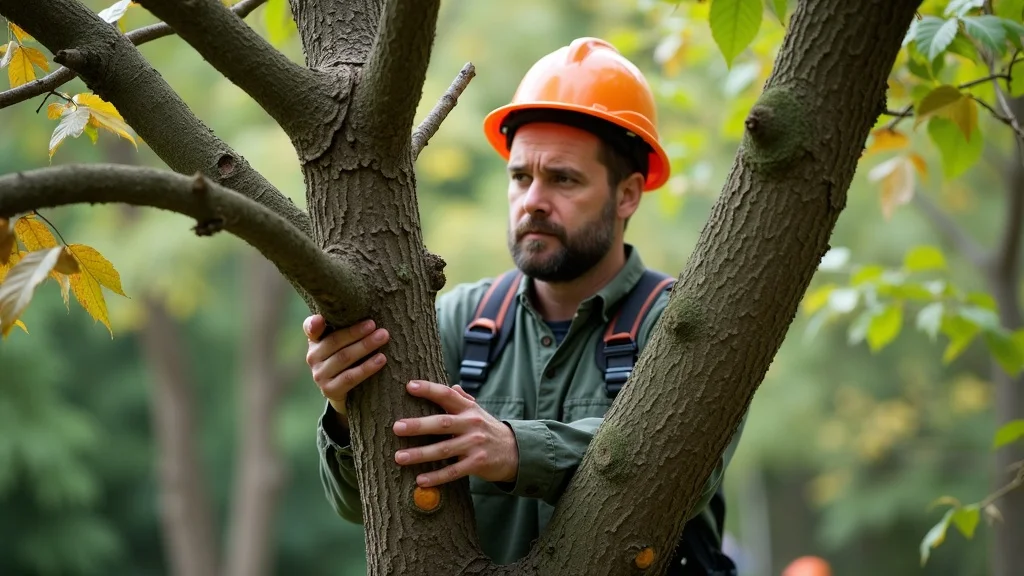
Certified arborist conducting precision professional tree pruning in a lush Virginia yard

“The biggest misconception that people have is that anybody can do it. Pruning and tree removal is a very highly technical trade that takes years of experience to do safely and well.”
– Sten Cempe, Vice President of Big O Tree & Lawn Service Inc.

The Living Science Behind Tree Pruning: Beyond Just Cutting Branches

Candidly, as Cempe reveals, proper tree care demands acute knowledge of both tree biology and physiology. “It takes an understanding of tree biology and physiology, as well as tree dynamics. Proper pruning reduces risks of structural failure and disease. ” The science embedded in every pruning decision cannot be overstated. For example, pruning at the wrong time of year or severing branches improperly can expose trees to pests, disease, and fatal structural weaknesses. Professionals don’t just cut—they assess how each action will affect growth patterns, resilience, and lifespan.

Property managers and residential owners concerned about long-term landscape health must understand that professional tree pruning is an investment in the future vitality of their green spaces, not a mere cosmetic fix. Well-maintained trees lower future maintenance costs by preempting failures and disease, ultimately creating an enduring asset for any property. “Done by someone who understands how trees work is a very important aspect of tree care,” Cempe insists—underscoring that the science of pruning is as vital as the cut itself.

For those looking to avoid common pitfalls and ensure their trees receive the best possible care, it’s helpful to review practical guidance on how professional tree pruning services help prevent costly mistakes and protect your landscape investment.

“It takes an understanding of tree biology and physiology, as well as tree dynamics. Proper pruning reduces risks of structural failure and disease.”
– Sten Cempe, Vice President of Big O Tree & Lawn Service Inc.

Expert Insight: How Proper Tree Care Enhances Landscape Vitality

Maintaining Strong Structural Integrity Through Certified Arborist Care

One core principle that Cempe emphasizes for all property managers and landscape architects: Strong, healthy trees are built through proactive care, not reactive fixes. Trees, like any other living thing, require maintenance and deliberate interventions as they age. From formative pruning of young saplings—ensuring they grow with balanced strength—to corrective measures in mature specimens, every act should serve a strategic purpose: promoting longevity, resilience, and aesthetic grace.

“An improperly cared-for tree is a higher-risk tree that could break or fall during storms. Certified professionals help ensure trees thrive and avoid costly damage,” Cempe explains. In regions like Central Virginia, where severe weather is a known challenge, these precautions are far from optional. Hiring a certified arborist can mean the difference between a landscape asset and a liability, especially when structural defects threaten safety and property value.
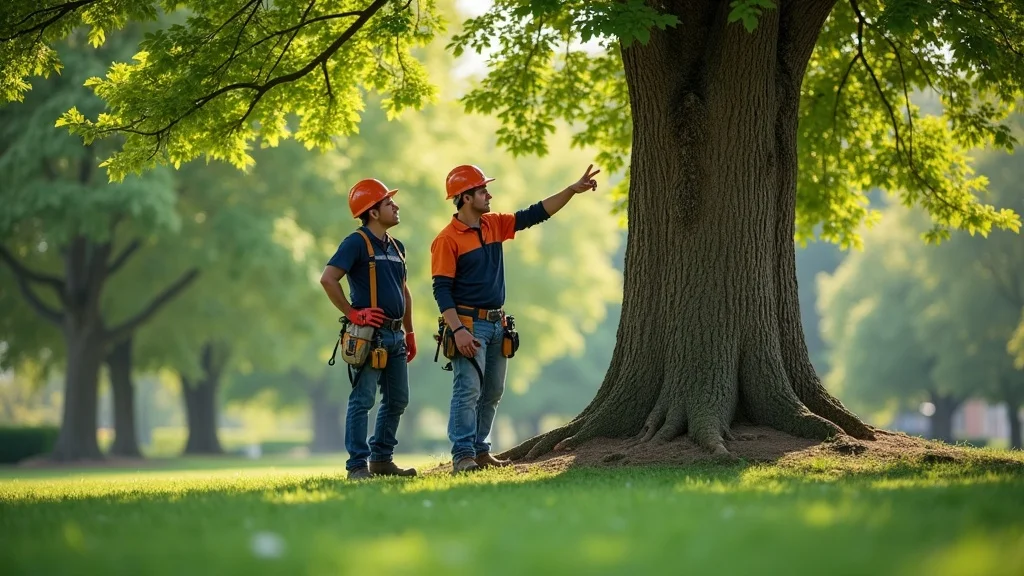
Certified arborist team assessing professional tree pruning results on a strong Virginia tree

“An improperly cared for tree is a higher risk tree that could break or fall during storms. Certified professionals help ensure trees thrive and avoid costly damage.”
– Sten Cempe, Vice President of Big O Tree & Lawn Service Inc.

Pruning Dead or Damaged Limbs: Key to Tree Health and Safety

Dead, broken, or diseased limbs are silent threats, compromising both the health of the tree and the safety of those below. Removing these risks through professional tree pruning is not merely an aesthetic decision—it’s an essential health intervention. According to Cempe, failing to address these issues invites decay, pests, and fungal infections, while increasing the odds of unpredictable limb failure during storms. Each cut made by a seasoned professional reduces future hazards and places your landscape on the path to sustained vitality.

Effective tree pruning goes beyond “just cutting”—it encompasses the training of young trees for robust branch structures, clearing interference from walkways or roofs, and supporting the overall ecosystem of your property. The expertise of a certified arborist provides more than peace of mind; it’s a shield against both immediate and future dangers. As Cempe’s decades of experience underscore, informed pruning brings measurable improvements to safety, beauty, and property value.

  • Removing broken or dead branches to prevent disease spread

  • Training young trees for optimal branch structure

  • Reducing interference with property infrastructure
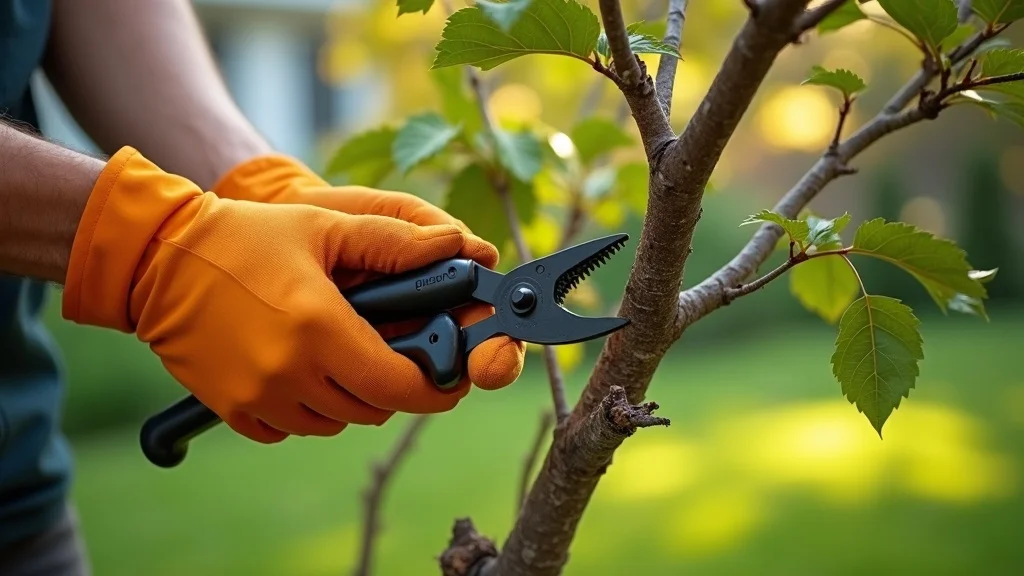
Professional tree pruning expert removing dead branches for tree health in a Virginia yard

Choosing Your Tree Care Expert: Qualifications Matter

Why Certification and Experience Protect Your Investment

Selecting the right partner for tree pruning isn’t just a checklist exercise—it’s a decision with far-reaching ramifications for your landscape’s health, aesthetics, and safety. Cempe cautions strongly: “Be very careful of the company you choose. Those with certifications and long-term experience significantly reduce risks and improve tree health outcomes. ” Certification means an arborist has been rigorously trained in the biology and physics of trees; affiliations with organizations like ISA (International Society of Arboriculture) or TCIA (Tree Care Industry Association) are a signal of ongoing education and ethical standards.

Experience, especially local and long-term, ensures your arborist understands the specific trees, soil conditions, and weather patterns that characterize Virginia’s green spaces. Always verify that your provider can demonstrate a history of safe, reliable work on projects similar to your own. “There are a lot of people out there who don’t have that experience. The more experience they have, the better they are and the fewer chances of having difficulties and problems on your property,” Cempe advises. This diligence is the best safeguard for your landscape investment.

  • Look for Certified Arborists affiliated with ISA or TCIA

  • Prioritize companies with long-term local experience

  • Verify training in tree biology and safe removal techniques

“Be very careful of the company you choose. Those with certifications and long-term experience significantly reduce risks and improve tree health outcomes.”
– Sten Cempe, Vice President of Big O Tree & Lawn Service Inc.

Certified arborist showing professional tree pruning credentials in a Virginia neighborhood

Eco-Friendly Practices from Big O Tree & Lawn Service: Sustainable Tree Care

The evolution of professional tree pruning in Virginia isn’t just about expertise—it’s about responsible stewardship of our landscapes. At Big O Tree & Lawn Service, led by Cempe, environmental sustainability forms the foundation of every job. By prioritizing eco-friendly equipment and methods, they reduce emissions and avoid harmful impacts on local wildlife and soil. “Focus on preserving landscape vitality across Central Virginia,” Cempe notes, driving this mission with every cut and consultation.

Their teams craft customized maintenance plans tailored to each tree’s biology and the client’s vision, ensuring that green spaces remain vibrant for generations. The use of environmentally responsible pruning methods means never sacrificing the future of your landscape for short-term convenience or aesthetics. In Cempe's view, sustainable care isn't just good practice—it's a crucial part of building resilient communities and properties that thrive year after year.

  1. Use of environmentally responsible pruning methods

  2. Customized maintenance plans for tree longevity

  3. Focus on preserving landscape vitality across Central Virginia
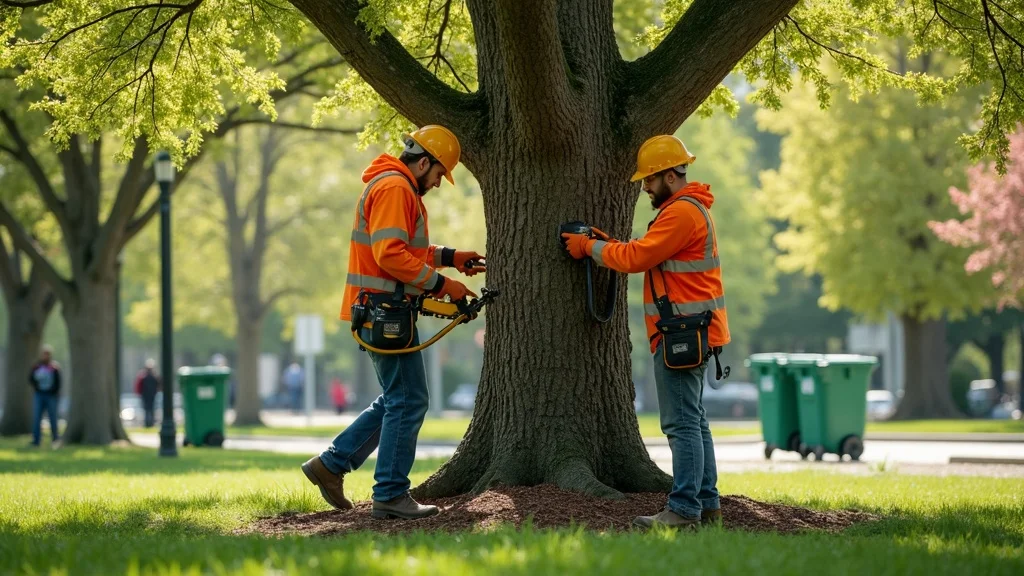
Eco-friendly professional tree pruning team maintaining sustainable trees in Virginia

Key Takeaways: Safeguard Your Trees with Expert Professional Tree Pruning

  • Pruning is a specialized, technical skill requiring certified professionals

  • Proper care enhances tree health, reduces hazards, and maintains aesthetic value

  • Always verify credentials and experience before hiring

Connect with Sten Cempe and Big O Tree & Lawn Service Today

  1. Serving homeowners, property managers, and commercial clients across Lexington, Harrisonburg, Staunton, and Charlottesville

  2. Offering certified, experienced, and trusted tree pruning and removal services

  3. Dedicated to safe, sustainable, and effective landscape care

Contact Big O Tree & Lawn Service for Professional Tree Pruning Excellence

Ultimately, ensuring healthy, beautiful, and resilient trees for your property means trusting the right partner, one committed to certified, sustainable, and highly skilled care. As Sten Cempe's decades of expertise make clear, shortcuts in tree care create lasting risks, but investing in credentialed professionals yields benefits for many seasons to come. To protect your landscape, preserve your investment, and enhance the vitality of your property, reach out to Big O Tree & Lawn Service Inc. today. Discover the difference expert professional tree pruning can make.

Tree Care Tips & Landscaping Arborist Stories

36 Views

Write A Comment

*
*
Please complete the captcha to submit your comment.
Related Posts All Posts
07.17.2026

Explore Eco-Friendly Native Shrub Alternatives for Your Northeast Garden

Update Revitalize Your Garden with Native Shrubs The Northeast is home to a variety of natural landscapes and ecosystems, yet many gardens feature the same overused plants, such as the ubiquitous boxwood and Japanese barberry. Instead of planting these common shrubs, consider embracing native species that not only add beauty to your garden but also support local wildlife and ecosystems. By choosing plants that are already adapted to the local climate, gardeners can create a more sustainable and resilient landscape. Why Choose Native Shrubs? Native shrubs offer numerous benefits, including resilience to local pests and diseases. They require less maintenance and watering compared to non-native plants, making them an eco-friendly choice. Additionally, native shrubs are used to the local soil and weather conditions, which can lead to a healthier plant that thrives in its environment. Furthermore, selecting native varieties can enhance the local ecosystem by providing food and habitat for birds, insects, and other wildlife, helping to keep our natural world rich and diverse. Top Native Shrub Alternatives Here are five outstanding native shrub alternatives to commonly overused varieties: Winterberry (Ilex verticillata): Unlike the traditional holly, winterberry boasts bright red berries in winter, adding color to the garden while attracting birds such as cardinals and robins. This deciduous shrub is perfect for wet areas and provides visual interest even during the colder months. Fragrant Sumac (Rhus aromatica): This adaptable shrub offers aromatic foliage that emits a pleasant scent when brushed against. It can thrive in various conditions, making it ideal for both sunny and shady spots. The beautiful fall color displays of this shrub are an added bonus. Blueberry (Vaccinium spp.): Not only does this shrub provide beautiful white flowers in the spring, but it also yields delicious fruit that humans and wildlife alike enjoy. Blueberries can be an excellent addition to edible gardens, making them not only beautiful but functional. Common Elderberry (Sambucus canadensis): Well-loved by pollinators, elderberry can spread rapidly, creating a lush habitat while also providing clusters of berries for birds in the late summer months, which are also used in various culinary delights. Native Honeysuckle (Lonicera spp.): These vine-like shrubs attract hummingbirds and butterflies, making your garden come alive with movement and color. Their fragrant flowers are a delight in spring and summer and encourage biodiversity. How to Incorporate Native Plants in Your Garden When planning your garden, think about how to integrate these native shrubs effectively. Group them together for a bold statement or mix them into existing landscaping for a natural look. Be mindful of the right conditions for each type—some prefer wetter soils while others thrive in dry areas. It’s also essential to consider the mature size of the shrubs to avoid overcrowding. Layering different shrubs can also create a visually appealing depth in your garden layout. Future Trends in Gardening The trend toward sustainable gardening practices, including the use of native plants, is on the rise. Homeowners are becoming more conscious of their environmental footprint and are increasingly interested in designs that promote biodiversity. By planting native shrubs, you contribute to a healthier ecosystem, help maintain local wildlife, and encourage pollinators essential for many plants. Community workshops and garden clubs are emerging to support these gardening methods, making it easier for novices to learn about sustainable practices. Final Thoughts Incorporating native shrubs not only enhances the aesthetic appeal of your landscape but also supports local wildlife. As you plan your garden, consider these beautiful alternatives to the overused species. With a bit of creativity, you can transform your space into a thriving ecosystem that provides nourishment and shelter to various species. Remember, every small step you take towards native planting contributes positively to the environment. For more guidance on sustainable gardening practices, consider reaching out to your local garden center or a professional arborist to discover how to implement these ideas effectively. Engaging with your community in these efforts can amplify your impact and foster a shared appreciation for local flora.

07.16.2026

Explore Inspiring Plant Combinations for Your Garden

Update Discover the Perfect Plant Combinations for Your Garden One of the most exciting aspects of gardening is experimenting with different combinations of plants. Selecting the right plants to join together can transform the aesthetics and health of your garden. This article explores some favorite plant combinations that can inspire you to create vibrant, diverse, and sustainable landscapes. Understanding Plant Pairings Many gardeners know that certain plants work exceptionally well together, enhancing each other's qualities. Such combinations not only look beautiful but also promote better growth. Plants may share nutrients, improve pest resistance, and even create beneficial microclimates. For example, the classic trio of corn, beans, and squash, known as the "Three Sisters," demonstrates how plants can support each other. Colorful Combinations for Maximum Impact Color can play a significant role in garden design. Pairing contrasting hues can draw the eye and create a lively scene. For instance, the bright yellow of sunflowers can beautifully complement the deep blue of salvia. Planting in groups can enhance the visual appeal, making your garden a feast for the senses. Textures That Entice Incorporating a variety of textures can add depth to your garden. Combine feathery grasses with broad-leaved plants to create contrast. For example, pairing soft ferns with sturdy hostas introduces a tactile experience that can be both pleasing to the eye and engaging to the touch. These textures are not only visually attractive but can also create microhabitats that benefit insects and wildlife. Seasonal Interest Gardening is not just about seasonal blooms; it's about creating year-round interest. Selecting plants that bloom at different times allows the garden to showcase beauty throughout the year. Consider planting tulips and daffodils alongside late-blooming asters or dahlias. This way, you'll have dazzling displays in spring that transition into vibrant fall colors. Benefits of Native Plant Pairings Using native plants not only creates a beautiful garden but also supports local wildlife, including beneficial insects, birds, and pollinators. For instance, pairing echinacea (coneflower) with milkweed can attract butterflies. This will not only enhance the beauty of your garden but also contribute to the local ecosystem's health and resilience. Maintenance Matters While creating stunning plant combinations, it's essential to consider their maintenance requirements. Grouping plants with similar water and light conditions can simplify care and improve overall plant health. Look for drought-tolerant varieties if you want a low-maintenance garden or choose shade-loving plants for cooler, dim spots. Practical Tips for Planning Your Plant Combinations As you consider how to select and arrange your plants, remember these practical tips: Research: Explore resources such as gardening books or local extension services for guidance on the best combinations. Experiment: Don’t hesitate to try different combinations to see what works best in your space. Observe: Pay attention to how plants grow together in your garden, and adjust as necessary for a harmonious space. Conclusion: Create Your Own Botanical Masterpiece Incorporating thoughtful plant combinations can lead to a richer and more rewarding gardening experience. By exploring various textures, colors, and seasonal interests, you can create a vibrant tapestry that attracts wildlife and brings joy for many seasons to come. Remember, each combination is an opportunity to express your individuality while promoting ecological balance. Now that you’re inspired, grab your gardening gloves and start experimenting with combinations that resonate with you! There’s no better time than now to turn your garden into your personal paradise.

07.14.2026

Smart Backyard Upgrades That Boost Home Value in Bergen County

Update Why Smart Backyard Upgrades Matter When it comes to increasing your home’s value, the backyard is often an overlooked gem. Smart upgrades can not only improve your daily living experience but also boost your home’s market appeal. Homebuyers in Bergen County, NJ, are increasingly looking for properties that offer attractive outdoor spaces, where they can relax and enjoy nature. Let's explore how to transform your yard into a valuable asset. Creating Functional Outdoor Spaces One of the first steps in upgrading your backyard is to think about functionality. Consider adding a patio or deck, which provides space for entertaining and relaxing. Decks increase square footage in an appealing way, making homes more attractive to potential buyers. Additionally, outdoor kitchens have become a popular trend, allowing for cooking and dining experiences outside, perfect for those summer barbecues! Investing in Sustainable Landscaping Adding sustainable plants and trees can not only enhance the aesthetics of your yard but also demonstrate a commitment to eco-friendliness—a feature many buyers value today. Native plants require less water and maintenance, making them an attractive option for busy homeowners. You might consider consulting a local arborist to understand the best tree species that thrive in Bergen County’s climate that can enhance your landscape. Adding Luxurious Features Incorporating luxurious features can significantly elevate your backyard. Fire pits, for example, are not just stylish; they create a cozy atmosphere that encourages family gatherings. Moreover, water features like fountains or small ponds contribute to a serene vibe, attracting birds and butterflies to your yard. These elements are particularly appealing during the warmer months, making outdoor time enjoyable and inviting. Incorporating Smart Technology Home technology doesn’t stop inside your house! Smart outdoor lighting and irrigation systems can enhance usability while saving energy and water. Smart lighting allows you to set the mood for evening gatherings, and automated irrigation systems ensure that your garden remains lush and healthy without added hassle. By investing in these technologies, homeowners can streamline their outdoor maintenance and elevate their daily experiences. Enhancing Privacy and Security Your backyard should be a sanctuary. Adding privacy screens, fencing, or tall greenery can create a safe and serene environment for both family and pets. Moreover, improved security features such as motion sensor lights not only help safeguard your property but can also be appealing selling points for prospective buyers. Final Thoughts on Backyard Upgrades Whether you're aiming to sell your house soon or just want to enhance your living environment, these smart upgrades can significantly impact your home’s value. By investing in functional, sustainable, and luxurious features, you’ll get to enjoy an attractive outdoor space while also appealing to buyers when it’s time to sell. Remember, your backyard is not just an extension of your home; it’s an opportunity to increase its worth! If you're eager to learn more about how to welcome sustainable trees into your yard or more about the benefits of having a well-maintained outdoor space, ask an expert arborist or consult a local landscaping company today!

Green Space News

Homeowners & Businesses concerned about tree and landscape care, safety issues from storms, old or diseased trees, structural damage risks, and insurance implications.

Green Space News is a subsidiary of RP Design Web Services.

COMPANY

  • Privacy Policy
  • Terms of Use
  • Advertise
  • Contact Us
  • Menu 5
  • Menu 6

AVAILABLE FROM 8AM - 5PM

Cheshire,CT

POBox 1189

ABOUT US

Green Space News is your go-to media hub for cutting-edge strategies to maintain a safe and vibrant environment. We are committed to protecting your property and family by providing proactive tree hazard prevention and awareness. Our platform  empower communities to safeguard their surroundings and enjoy healthier, more resilient landscapes.

© 2026 RP Design Web Services All Rights Reserved. P.O. Box 1189, Cheshire, CT 06410 . Contact Us . Terms of Service . Privacy Policy

eyJjb21wYW55IjoiUlAgRGVzaWduIFdlYiBTZXJ2aWNlcyIsImFkZHJlc3MiOiJQLk8uIEJveCAxMTg5IiwiY2l0eSI6IkNoZXNoaXJlIiwic3RhdGUiOiJDVCIsInppcCI6IjA2NDEwIiwiZW1haWwiOiJyb2JlcnRAcnBkZXNpZ24uY29tIiwidG9zIjoiUEhBK1BITjBjbTl1Wno0OFpXMCtWMmhsYmlCNWIzVWdjMmxuYmkxcGJpQjNhWFJvSUhWekxDQjViM1VnWVhKbElHZHBkbWx1WnladVluTndPeUI1YjNWeUlIQmxjbTFwYzNOcGIyNGdZVzVrSUdOdmJuTmxiblFnZEc4Z2MyVnVaQ0I1YjNVZ1pXMWhhV3dnWVc1a0wyOXlJRk5OVXlCMFpYaDBJRzFsYzNOaFoyVnpMaUJDZVNCamFHVmphMmx1WnlCMGFHVWdWR1Z5YlhNZ1lXNWtJRU52Ym1ScGRHbHZibk1nWW05NElHRnVaQ0JpZVNCemFXZHVhVzVuSUdsdUlIbHZkU0JoZFhSdmJXRjBhV05oYkd4NUlHTnZibVpwY20wZ2RHaGhkQ0I1YjNVZ1lXTmpaWEIwSUdGc2JDQjBaWEp0Y3lCcGJpQjBhR2x6SUdGbmNtVmxiV1Z1ZEM0OEwyVnRQand2YzNSeWIyNW5Qand2Y0Q0S0NqeHdQanhoSUdoeVpXWTlJbWgwZEhBNkx5OTNkM2N1WjI5dloyeGxMbU52YlNJK2FIUjBjRG92TDNkM2R5NW5iMjluYkdVdVkyOXRQQzloUGp3dmNENEtDanh3UGladVluTndPend2Y0Q0S0NqeHdQanh6ZEhKdmJtYytVMFZTVmtsRFJUd3ZjM1J5YjI1blBqd3ZjRDRLQ2p4d1BsZGxJSEJ5YjNacFpHVWdZU0J6WlhKMmFXTmxJSFJvWVhRZ1kzVnljbVZ1ZEd4NUlHRnNiRzkzY3lCNWIzVWdkRzhnY21WalpXbDJaU0J5WlhGMVpYTjBjeUJtYjNJZ1ptVmxaR0poWTJzc0lHTnZiWEJoYm5rZ2FXNW1iM0p0WVhScGIyNHNJSEJ5YjIxdmRHbHZibUZzSUdsdVptOXliV0YwYVc5dUxDQmpiMjF3WVc1NUlHRnNaWEowY3l3Z1kyOTFjRzl1Y3l3Z1pHbHpZMjkxYm5SeklHRnVaQ0J2ZEdobGNpQnViM1JwWm1sallYUnBiMjV6SUhSdklIbHZkWElnWlcxaGFXd2dZV1JrY21WemN5QmhibVF2YjNJZ1kyVnNiSFZzWVhJZ2NHaHZibVVnYjNJZ1pHVjJhV05sTGlCWmIzVWdkVzVrWlhKemRHRnVaQ0JoYm1RZ1lXZHlaV1VnZEdoaGRDQjBhR1VnVTJWeWRtbGpaU0JwY3lCd2NtOTJhV1JsWkNBbWNYVnZkRHRCVXkxSlV5WnhkVzkwT3lCaGJtUWdkR2hoZENCM1pTQmhjM04xYldVZ2JtOGdjbVZ6Y0c5dWMybGlhV3hwZEhrZ1ptOXlJSFJvWlNCMGFXMWxiR2x1WlhOekxDQmtaV3hsZEdsdmJpd2diV2x6TFdSbGJHbDJaWEo1SUc5eUlHWmhhV3gxY21VZ2RHOGdjM1J2Y21VZ1lXNTVJSFZ6WlhJZ1kyOXRiWFZ1YVdOaGRHbHZibk1nYjNJZ2NHVnljMjl1WVd4cGVtRjBhVzl1SUhObGRIUnBibWR6TGp3dmNENEtDanh3UGxsdmRTQmhjbVVnY21WemNHOXVjMmxpYkdVZ1ptOXlJRzlpZEdGcGJtbHVaeUJoWTJObGMzTWdkRzhnZEdobElGTmxjblpwWTJVZ1lXNWtJSFJvWVhRZ1lXTmpaWE56SUcxaGVTQnBiblp2YkhabElIUm9hWEprSUhCaGNuUjVJR1psWlhNZ0tITjFZMmdnWVhNZ1UwMVRJSFJsZUhRZ2JXVnpjMkZuWlhNc0lFbHVkR1Z5Ym1WMElITmxjblpwWTJVZ2NISnZkbWxrWlhJZ2IzSWdZMlZzYkhWc1lYSWdZV2x5ZEdsdFpTQmphR0Z5WjJWektTNGdXVzkxSUdGeVpTQnlaWE53YjI1emFXSnNaU0JtYjNJZ2RHaHZjMlVnWm1WbGN5d2dhVzVqYkhWa2FXNW5JSFJvYjNObElHWmxaWE1nWVhOemIyTnBZWFJsWkNCM2FYUm9JSFJvWlNCa2FYTndiR0Y1SUc5eUlHUmxiR2wyWlhKNUlHOW1JR1ZoWTJnZ1UwMVRJSFJsZUhRZ2JXVnpjMkZuWlNCelpXNTBJSFJ2SUhsdmRTQmllU0IxY3k0Z1NXNGdZV1JrYVhScGIyNHNJSGx2ZFNCdGRYTjBJSEJ5YjNacFpHVWdZVzVrSUdGeVpTQnlaWE53YjI1emFXSnNaU0JtYjNJZ1lXeHNJR1Z4ZFdsd2JXVnVkQ0J1WldObGMzTmhjbmtnZEc4Z1lXTmpaWE56SUhSb1pTQlRaWEoyYVdObElHRnVaQ0J5WldObGFYWmxJSFJvWlNCVFRWTWdkR1Y0ZENCdFpYTnpZV2RsY3k0Z1YyVWdaRzhnYm05MElHTm9ZWEpuWlNCaGJua2dabVZsY3lCbWIzSWdaR1ZzYVhabGNua2diMllnWlcxaGFXd2diM0lnVTAxVExpQlVhR2x6SUdseklHRWdabkpsWlNCelpYSjJhV05sSUhCeWIzWnBaR1ZrSUdKNUlIVnpMaUJJYjNkbGRtVnlMQ0J3YkdWaGMyVWdZMmhsWTJzZ2QybDBhQ0I1YjNWeUlHbHVkR1Z5Ym1WMElITmxjblpwWTJVZ2NISnZkbWxrWlhJZ1lXNWtJR05sYkd4MWJHRnlJR05oY25KcFpYSWdabTl5SUdGdWVTQmphR0Z5WjJWeklIUm9ZWFFnYldGNUlHbHVZM1Z5SUdGeklHRWdjbVZ6ZFd4MElHWnliMjBnY21WalpXbDJhVzVuSUdWdFlXbHNJR0Z1WkNCVFRWTWdkR1Y0ZENCdFpYTnpZV2RsY3lCMGFHRjBJSGRsSUdSbGJHbDJaWElnZFhCdmJpQjViM1Z5SUc5d2RDMXBiaUJoYm1RZ2NtVm5hWE4wY21GMGFXOXVJSGRwZEdnZ2IzVnlJR1Z0WVdsc0lHRnVaQ0JUVFZNZ2MyVnlkbWxqWlhNdUlGbHZkU0JqWVc0Z1kyRnVZMlZzSUdGMElHRnVlU0IwYVcxbExpQktkWE4wSUhSbGVIUWdKbkYxYjNRN1UxUlBVQ1p4ZFc5ME95QjBieUE4YUdsbmFHeHBaMmgwSUdOc1lYTnpQU0pqYjIxd1lXNTVVR2h2Ym1WVmNHUmhkR1VpUGlzeE1qQXpNamN4TnprNU1Ud3ZhR2xuYUd4cFoyaDBQaTRnUVdaMFpYSWdlVzkxSUhObGJtUWdkR2hsSUZOTlV5QnRaWE56WVdkbElDWnhkVzkwTzFOVVQxQW1jWFZ2ZERzZ2RHOGdkWE1zSUhkbElIZHBiR3dnYzJWdVpDQjViM1VnWVc0Z1UwMVRJRzFsYzNOaFoyVWdkRzhnWTI5dVptbHliU0IwYUdGMElIbHZkU0JvWVhabElHSmxaVzRnZFc1emRXSnpZM0pwWW1Wa0xpQkJablJsY2lCMGFHbHpMQ0I1YjNVZ2QybHNiQ0J1YnlCc2IyNW5aWElnY21WalpXbDJaU0JUVFZNZ2JXVnpjMkZuWlhNZ1puSnZiU0IxY3k0OEwzQStDZ284Y0Q0OGMzUnliMjVuUGxsUFZWSWdVa1ZIU1ZOVVVrRlVTVTlPSUU5Q1RFbEhRVlJKVDA1VFBDOXpkSEp2Ym1jK1BDOXdQZ29LUEhBK1NXNGdZMjl1YzJsa1pYSmhkR2x2YmlCdlppQjViM1Z5SUhWelpTQnZaaUIwYUdVZ1UyVnlkbWxqWlN3Z2VXOTFJR0ZuY21WbElIUnZPand2Y0Q0S0NqeHZiRDRLQ1R4c2FUNXdjbTkyYVdSbElIUnlkV1VzSUdGalkzVnlZWFJsTENCamRYSnlaVzUwSUdGdVpDQmpiMjF3YkdWMFpTQnBibVp2Y20xaGRHbHZiaUJoWW05MWRDQjViM1Z5YzJWc1ppQmhjeUJ3Y205dGNIUmxaQ0JpZVNCMGFHVWdVMlZ5ZG1salpTWWpNems3Y3lCeVpXZHBjM1J5WVhScGIyNGdabTl5YlNBb2MzVmphQ0JwYm1admNtMWhkR2x2YmlCaVpXbHVaeUIwYUdVZ0puRjFiM1E3VW1WbmFYTjBjbUYwYVc5dUlFUmhkR0VtY1hWdmREc3BJR0Z1WkR3dmJHaytDZ2s4YkdrK2JXRnBiblJoYVc0Z1lXNWtJSEJ5YjIxd2RHeDVJSFZ3WkdGMFpTQjBhR1VnVW1WbmFYTjBjbUYwYVc5dUlFUmhkR0VnZEc4Z2EyVmxjQ0JwZENCMGNuVmxMQ0JoWTJOMWNtRjBaU3dnWTNWeWNtVnVkQ0JoYm1RZ1kyOXRjR3hsZEdVdUlFbG1JSGx2ZFNCd2NtOTJhV1JsSUdGdWVTQnBibVp2Y20xaGRHbHZiaUIwYUdGMElHbHpJSFZ1ZEhKMVpTd2dhVzVoWTJOMWNtRjBaU3dnYm05MElHTjFjbkpsYm5RZ2IzSWdhVzVqYjIxd2JHVjBaU3dnYjNJZ2QyVWdhR0YyWlNCeVpXRnpiMjVoWW14bElHZHliM1Z1WkhNZ2RHOGdjM1Z6Y0dWamRDQjBhR0YwSUhOMVkyZ2dhVzVtYjNKdFlYUnBiMjRnYVhNZ2RXNTBjblZsTENCcGJtRmpZM1Z5WVhSbExDQnViM1FnWTNWeWNtVnVkQ0J2Y2lCcGJtTnZiWEJzWlhSbExDQjNaU0JvWVhabElIUm9aU0J5YVdkb2RDQjBieUJ6ZFhOd1pXNWtJRzl5SUR4emRISnZibWMrUEhOd1lXNGdjM1I1YkdVOUltTnZiRzl5T2lOR1JqQXdNREE3SWo1MFpYSnRhVzVoZEdVZ2VXOTFjaUJoWTJOdmRXNTBMM0J5YjJacGJHVWdZVzVrSUhKbFpuVnpaU0JoYm5rZ1lXNWtJR0ZzYkNCamRYSnlaVzUwSUc5eUlHWjFkSFZ5WlNCMWMyVWdiMllnZEdobElGTmxjblpwWTJVZ0tHOXlJR0Z1ZVNCd2IzSjBhVzl1SUhSb1pYSmxiMllwTGp3dmMzQmhiajQ4TDNOMGNtOXVaejQ4TDJ4cFBnbzhMMjlzUGdvS1BIQStKbTVpYzNBN1BDOXdQZ284YUdsbmFHeHBaMmgwSUdOc1lYTnpQU0pqYjIxd1lXNTVUbUZ0WlZWd1pHRjBaU0krVWxBZ1JHVnphV2R1SUZkbFlpQlRaWEoyYVdObGN6d3ZhR2xuYUd4cFoyaDBQanhpY2lBdlBnbzhhR2xuYUd4cFoyaDBJR05zWVhOelBTSmpiMjF3WVc1NVFXUmtjbVZ6YzFWd1pHRjBaU0krVUM1UExpQkNiM2dnTVRFNE9Td2dRMmhsYzJocGNtVXNJRU5VSURBMk5ERXdQQzlvYVdkb2JHbG5hSFErUEdKeUlDOCtDanhvYVdkb2JHbG5hSFFnWTJ4aGMzTTlJbU52YlhCaGJubFFhRzl1WlZWd1pHRjBaU0krS3pFeU1ETXlOekUzT1RreFBDOW9hV2RvYkdsbmFIUStQR0p5SUM4K0NqeG9hV2RvYkdsbmFIUWdZMnhoYzNNOUltTnZiWEJoYm5sRmJXRnBiRlZ3WkdGMFpTSStjbTlpWlhKMFFISndaR1Z6YVdkdUxtTnZiVHd2YUdsbmFHeHBaMmgwUGc9PSIsInByaXZhY3kiOiJQSEErUEhOMGNtOXVaejVRVWtsV1FVTlpQQzl6ZEhKdmJtYytQQzl3UGdvS1BIQStQSE4wY205dVp6NVVhR1VnYVc1bWIzSnRZWFJwYjI0Z2NISnZkbWxrWldRZ1pIVnlhVzVuSUhSb2FYTWdjbVZuYVhOMGNtRjBhVzl1SUdseklHdGxjSFFnY0hKcGRtRjBaU0JoYm1RZ1kyOXVabWxrWlc1MGFXRnNMQ0JoYm1RZ2QybHNiQ0J1WlhabGNpQmlaU0JrYVhOMGNtbGlkWFJsWkN3Z1kyOXdhV1ZrTENCemIyeGtMQ0IwY21Ga1pXUWdiM0lnY0c5emRHVmtJR2x1SUdGdWVTQjNZWGtzSUhOb1lYQmxJRzl5SUdadmNtMHVJRlJvYVhNZ2FYTWdiM1Z5SUdkMVlYSmhiblJsWlM0OEwzTjBjbTl1Wno0OEwzQStDZ284Y0Q0OGMzUnliMjVuUGtsT1JFVk5Ua2xVV1R3dmMzUnliMjVuUGp3dmNENEtDanh3UGp4bGJUNVpiM1VnWVdkeVpXVWdkRzhnYVc1a1pXMXVhV1o1SUdGdVpDQm9iMnhrSUhWekxDNGdZVzVrSUdsMGN5QnpkV0p6YVdScFlYSnBaWE1zSUdGbVptbHNhV0YwWlhNc0lHOW1abWxqWlhKekxDQmhaMlZ1ZEhNc0lHTnZMV0p5WVc1a1pYSnpJRzl5SUc5MGFHVnlJSEJoY25SdVpYSnpMQ0JoYm1RZ1pXMXdiRzk1WldWekxDQm9ZWEp0YkdWemN5Qm1jbTl0SUdGdWVTQmpiR0ZwYlNCdmNpQmtaVzFoYm1Rc0lHbHVZMngxWkdsdVp5QnlaV0Z6YjI1aFlteGxJR0YwZEc5eWJtVjVjeVlqTXprN0lHWmxaWE1zSUcxaFpHVWdZbmtnWVc1NUlIUm9hWEprSUhCaGNuUjVJR1IxWlNCMGJ5QnZjaUJoY21semFXNW5JRzkxZENCdlppQkRiMjUwWlc1MElIbHZkU0J5WldObGFYWmxMQ0J6ZFdKdGFYUXNJSEpsY0d4NUxDQndiM04wTENCMGNtRnVjMjFwZENCdmNpQnRZV3RsSUdGMllXbHNZV0pzWlNCMGFISnZkV2RvSUhSb1pTQlRaWEoyYVdObExDQjViM1Z5SUhWelpTQnZaaUIwYUdVZ1UyVnlkbWxqWlN3Z2VXOTFjaUJqYjI1dVpXTjBhVzl1SUhSdklIUm9aU0JUWlhKMmFXTmxMQ0I1YjNWeUlIWnBiMnhoZEdsdmJpQnZaaUIwYUdVZ1ZFOVRMQ0J2Y2lCNWIzVnlJSFpwYjJ4aGRHbHZiaUJ2WmlCaGJua2djbWxuYUhSeklHOW1JR0Z1YjNSb1pYSXVQQzlsYlQ0OEwzQStDZ284Y0Q0OGMzUnliMjVuUGtSSlUwTk1RVWxOUlZJZ1QwWWdWMEZTVWtGT1ZFbEZVend2YzNSeWIyNW5Qand2Y0Q0S0NqeHdQanh6ZEhKdmJtYytXVTlWSUVWWVVGSkZVMU5NV1NCVlRrUkZVbE5VUVU1RUlFRk9SQ0JCUjFKRlJTQlVTRUZVT2p3dmMzUnliMjVuUGp3dmNENEtDanh2YkQ0S0NUeHNhVDVaVDFWU0lGVlRSU0JQUmlCVVNFVWdVMFZTVmtsRFJTQkpVeUJCVkNCWlQxVlNJRk5QVEVVZ1VrbFRTeTRnVkVoRklGTkZVbFpKUTBVZ1NWTWdVRkpQVmtsRVJVUWdUMDRnUVU0Z0puRjFiM1E3UVZNZ1NWTW1jWFZ2ZERzZ1FVNUVJQ1p4ZFc5ME8wRlRJRUZXUVVsTVFVSk1SU1p4ZFc5ME95QkNRVk5KVXk0Z0xDNGdRVTVFSUZWVExDQkpWQ1lqTXprN1V5QkRWVk5VVDAxRlVsTXNJRVZZVUZKRlUxTk1XU0JFU1ZORFRFRkpUVk1nUVV4TUlGZEJVbEpCVGxSSlJWTWdUMFlnUVU1WklFdEpUa1FzSUZkSVJWUklSVklnUlZoUVVrVlRVeUJQVWlCSlRWQk1TVVZFTENCSlRrTk1WVVJKVGtjc0lFSlZWQ0JPVDFRZ1RFbE5TVlJGUkNCVVR5QlVTRVVnU1UxUVRFbEZSQ0JYUVZKU1FVNVVTVVZUSUU5R0lFMUZVa05JUVU1VVFVSkpURWxVV1N3Z1JrbFVUa1ZUVXlCR1QxSWdRU0JRUVZKVVNVTlZURUZTSUZCVlVsQlBVMFVnUVU1RUlFNVBUaTFKVGtaU1NVNUhSVTFGVGxRdVBDOXNhVDRLQ1R4c2FUNU5RVXRGVXlCT1R5QlhRVkpTUVU1VVdTQlVTRUZVSUNocEtTQlVTRVVnVTBWU1ZrbERSU0JYU1V4TUlFMUZSVlFnV1U5VlVpQlNSVkZWU1ZKRlRVVk9WRk1zSUNocGFTa2dWRWhGSUZORlVsWkpRMFVnVjBsTVRDQkNSU0JWVGtsT1ZFVlNVbFZRVkVWRUxDQlVTVTFGVEZrc0lGTkZRMVZTUlN3Z1QxSWdSVkpTVDFJdFJsSkZSU3dnS0dscGFTa2dWRWhGSUZKRlUxVk1WRk1nVkVoQlZDQk5RVmtnUWtVZ1QwSlVRVWxPUlVRZ1JsSlBUU0JVU0VVZ1ZWTkZJRTlHSUZSSVJTQlRSVkpXU1VORklGZEpURXdnUWtVZ1FVTkRWVkpCVkVVZ1QxSWdVa1ZNU1VGQ1RFVXNJRUZPUkNBb2FYWXBJRUZPV1NCRlVsSlBVbE1nU1U0Z1ZFaEZJRk5QUmxSWFFWSkZJRmRKVEV3Z1FrVWdRMDlTVWtWRFZFVkVMand2YkdrK0NnazhiR2srUVU1WklFMUJWRVZTU1VGTUlFUlBWMDVNVDBGRVJVUWdUMUlnVDFSSVJWSlhTVk5GSUU5Q1ZFRkpUa1ZFSUZSSVVrOVZSMGdnVkVoRklGVlRSU0JQUmlCVVNFVWdVMFZTVmtsRFJTQkpVeUJFVDA1RklFRlVJRmxQVlZJZ1QxZE9JRVJKVTBOU1JWUkpUMDRnUVU1RUlGSkpVMHNnUVU1RUlGUklRVlFnV1U5VklGZEpURXdnUWtVZ1UwOU1SVXhaSUZKRlUxQlBUbE5KUWt4RklFWlBVaUJCVGxrZ1JFRk5RVWRGSUZSUElGbFBWVklnUTA5TlVGVlVSVklnVTFsVFZFVk5JRTlTSUV4UFUxTWdUMFlnUkVGVVFTQlVTRUZVSUZKRlUxVk1WRk1nUmxKUFRTQlVTRVVnUkU5WFRreFBRVVFnVDBZZ1FVNVpJRk5WUTBnZ1RVRlVSVkpKUVV3dVBDOXNhVDRLQ1R4c2FUNU9UeUJCUkZaSlEwVWdUMUlnU1U1R1QxSk5RVlJKVDA0c0lGZElSVlJJUlZJZ1QxSkJUQ0JQVWlCWFVrbFVWRVZPTENCUFFsUkJTVTVGUkNCQ1dTQlpUMVVnUmxKUFRTQlBVaUJVU0ZKUFZVZElJRTlTSUVaU1QwMGdWRWhGSUZORlVsWkpRMFVnVTBoQlRFd2dRMUpGUVZSRklFRk9XU0JYUVZKU1FVNVVXU0JPVDFRZ1JWaFFVa1ZUVTB4WklGTlVRVlJGUkNCSlRpQlVTRVVnVkU5VExqd3ZiR2srQ2p3dmIydytDZ284Y0Q0OGMzUnliMjVuUGt4SlRVbFVRVlJKVDA0Z1QwWWdURWxCUWtsTVNWUlpQQzl6ZEhKdmJtYytQQzl3UGdvS1BIQStXVTlWSUVWWVVGSkZVMU5NV1NCVlRrUkZVbE5VUVU1RUlFRk9SQ0JCUjFKRlJTQlVTRUZVSUVGT1JDQlRTRUZNVENCT1QxUWdRa1VnVEVsQlFreEZJRVpQVWlCQlRsa2dSRWxTUlVOVUxDQkpUa1JKVWtWRFZDd2dTVTVEU1VSRlRsUkJUQ3dnVTFCRlEwbEJUQ3dnUTA5T1UwVlJWVVZPVkVsQlRDQlBVaUJGV0VWTlVFeEJVbGtnUkVGTlFVZEZVeXdnU1U1RFRGVkVTVTVISUVKVlZDQk9UMVFnVEVsTlNWUkZSQ0JVVHl3Z1JFRk5RVWRGVXlCR1QxSWdURTlUVXlCUFJpQlFVazlHU1ZSVExDQkhUMDlFVjBsTVRDd2dWVk5GTENCRVFWUkJJRTlTSUU5VVNFVlNJRWxPVkVGT1IwbENURVVnVEU5VFUwVlRJQ2hGVmtWT0lFbEdJRWhCVXlCQ1JVVk9JRUZFVmtsVFJVUWdUMFlnVkVoRklGQlBVMU5KUWtsTVNWUlpJRTlHSUZOVlEwZ2dSRUZOUVVkRlV5a3NJRkpGVTFWTVZFbE9SeUJHVWs5Tk9qd3ZjRDRLQ2p4dmJENEtDVHhzYVQ1VVNFVWdWVk5GSUU5U0lGUklSU0JKVGtGQ1NVeEpWRmtnVkU4Z1ZWTkZJRlJJUlNCVFJWSldTVU5GT3p3dmJHaytDZ2s4YkdrK1ZFaEZJRU5QVTFRZ1QwWWdVRkpQUTFWU1JVMUZUbFFnVDBZZ1UxVkNVMVJKVkZWVVJTQkhUMDlFVXlCQlRrUWdVMFZTVmtsRFJWTWdVa1ZUVlV4VVNVNUhJRVpTVDAwZ1FVNVpJRWRQVDBSVExDQkVRVlJCTENCSlRrWlBVazFCVkVsUFRpQlBVaUJUUlZKV1NVTkZVeUJRVlZKRFNFRlRSVVFnVDFJZ1QwSlVRVWxPUlVRZ1QxSWdUVVZUVTBGSFJWTWdVa1ZEUlVsV1JVUWdUMUlnVkZKQlRsTkJRMVJKVDA1VElFVk9WRVZTUlVRZ1NVNVVUeUJVU0ZKUFZVZElJRTlTSUVaU1QwMGdWRWhGSUZORlVsWkpRMFU3UEM5c2FUNEtDVHhzYVQ1VlRrRlZWRWhQVWtsYVJVUWdRVU5EUlZOVElGUlBJRTlTSUVGTVZFVlNRVlJKVDA0Z1QwWWdXVTlWVWlCVVVrRk9VMDFKVTFOSlQwNVRJRTlTSUVSQlZFRTdQQzlzYVQ0S0NUeHNhVDVUVkVGVVJVMUZUbFJUSUU5U0lFTlBUa1JWUTFRZ1QwWWdRVTVaSUZSSVNWSkVJRkJCVWxSWklFOU9JRlJJUlNCVFJWSldTVU5GT3lCUFVqd3ZiR2srQ2drOGJHaytRVTVaSUU5VVNFVlNJRTFCVkZSRlVpQlNSVXhCVkVsT1J5QlVUeUJVU0VVZ1UwVlNWa2xEUlM0OEwyeHBQZ284TDI5c1Bnb0tQSEErUEhVK1Fua2djbVZuYVhOMFpYSnBibWNnWVc1a0lITjFZbk5qY21saWFXNW5JSFJ2SUc5MWNpQmxiV0ZwYkNCaGJtUWdVMDFUSUhObGNuWnBZMlVzSUdKNUlHOXdkQzFwYml3Z2IyNXNhVzVsSUhKbFoybHpkSEpoZEdsdmJpQnZjaUJpZVNCbWFXeHNhVzVuSUc5MWRDQmhJR05oY21Rc0lDWnhkVzkwTzNsdmRTQmhaM0psWlNCMGJ5QjBhR1Z6WlNCVVJWSk5VeUJQUmlCVFJWSldTVU5GSm5GMWIzUTdJR0Z1WkNCNWIzVWdZV05yYm05M2JHVmtaMlVnWVc1a0lIVnVaR1Z5YzNSaGJtUWdkR2hsSUdGaWIzWmxJSFJsY20xeklHOW1JSE5sY25acFkyVWdiM1YwYkdsdVpXUWdZVzVrSUdSbGRHRnBiR1ZrSUdadmNpQjViM1VnZEc5a1lYa3VQQzkxUGp3dmNENEtDanh3UGladVluTndPend2Y0Q0S1BHaHBaMmhzYVdkb2RDQmpiR0Z6Y3owaVkyOXRjR0Z1ZVU1aGJXVlZjR1JoZEdVaVBsSlFJRVJsYzJsbmJpQlhaV0lnVTJWeWRtbGpaWE04TDJocFoyaHNhV2RvZEQ0OFluSWdMejRLUEdocFoyaHNhV2RvZENCamJHRnpjejBpWTI5dGNHRnVlVUZrWkhKbGMzTlZjR1JoZEdVaVBsQXVUeTRnUW05NElERXhPRGtzSUVOb1pYTm9hWEpsTENCRFZDQXdOalF4TUR3dmFHbG5hR3hwWjJoMFBqeGljaUF2UGdvOGFHbG5hR3hwWjJoMElHTnNZWE56UFNKamIyMXdZVzU1VUdodmJtVlZjR1JoZEdVaVBpc3hNakF6TWpjeE56azVNVHd2YUdsbmFHeHBaMmgwUGp4aWNpQXZQZ284YUdsbmFHeHBaMmgwSUdOc1lYTnpQU0pqYjIxd1lXNTVSVzFoYVd4VmNHUmhkR1VpUG5KdlltVnlkRUJ5Y0dSbGMybG5iaTVqYjIwOEwyaHBaMmhzYVdkb2REND0ifQ==

Terms of Service

Privacy Policy

Core Modal Title

Sorry, no results found

You Might Find These Articles Interesting

T
Please Check Your Email
We Will Be Following Up Shortly
*
*
*

