








Impact of Potential Strikes on Trade
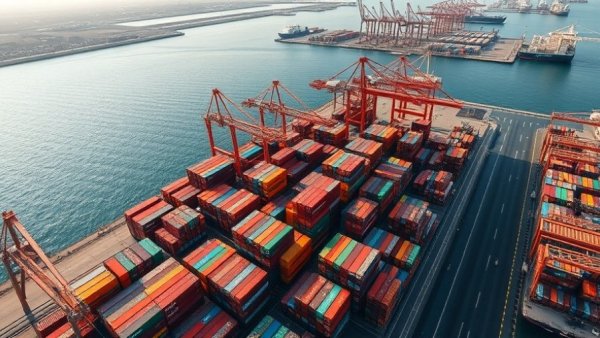
The looming threat of strikes at the Ports of Los Angeles and Long Beach has raised alarms for the shipping industry and various sectors dependent on cargo movement. With approximately 85% of cargo moving through the Port of Long Beach and a significant one-third through the Port of Los Angeles, any disruption is likely to have far-reaching consequences. Businesses that rely on timely shipments could face delayed inventory, affecting everything from consumer goods to manufacturing outputs.
The Role of Labor Unions in the Shipping Industry
Labor unions, such as the International Longshore and Warehouse Union (ILWU), play a crucial role in protecting workers' rights and negotiating contracts that secure fair wages and working conditions. The current standoff underscores the power dynamics at play, as unions advocate for their members amidst rising costs and operational challenges. Understanding this context helps explain why a strike can happen suddenly, leading to disruptions that ripple throughout the economy.
Historical Context of Labor Strikes
This situation is not unprecedented. Historically, labor strikes in major U.S. ports have significantly impacted the economy. For instance, in 2002, a 10-day dockworkers’ strike at West Coast ports resulted in billions in losses due to delayed shipments. Such historical incidents serve as reminders of the critical balance between labor rights and maintaining smooth operations in vital economic hubs.
Future Predictions: What Comes Next?
As negotiations persist, industry experts predict several scenarios. If a strike occurs, the immediate impact could be severe, leading to increased shipping costs, delays, and potential shortages of goods. This could lead businesses to seek alternative ports or shipping solutions, potentially reshaping logistics strategies for years to come. Conversely, if an agreement is reached, it may lead to a newfound stability that boosts confidence in U.S. trade operations.
Local vs. Global Perspectives
The tensions at these ports don't only affect local workers; they resonate on a global scale, impacting international trade relations and economies. The Ports of Los Angeles and Long Beach are critical gateways that facilitate trade between the U.S. and countries worldwide. Disruptions could lead to increased costs for imports and exports, potentially reshaping global supply chains.
Common Misconceptions About Labor Strikes
Many people may view strikes as merely disruptive actions by workers; however, they often arise from a place of necessity. Workers aim to address legitimate grievances, such as unsafe working conditions or unfair compensation. Understanding this perspective shifts the narrative from antagonistic views of labor actions to a more empathetic understanding of why they occur.
What Can Businesses Do?
In light of potential disruptions, businesses should prepare strategically. This could include diversifying supply chains, maintaining higher inventory levels, or establishing relationships with multiple shipping partners. Such proactive measures could mitigate the risks posed by labor disputes and ensure continuity in operations.
In conclusion, the potential for a strike at the Ports of Los Angeles and Long Beach highlights the intricate relationships between labor negotiations, economic implications, and global trade. These developments are worth monitoring closely, as they could signal significant shifts in how goods are moved across not only the United States but also the world.






Write A Comment