








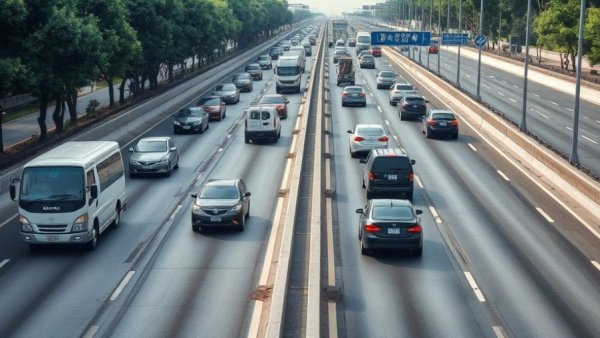
Traffic Deaths on a Decline: What Homeowners Should Know
According to recent reports from the National Highway Traffic Safety Administration (NHTSA), traffic deaths in the United States have dropped to their lowest rate in over a decade, reflecting a significant decrease from the spike during the pandemic years. In the first half of 2026, fatalities fell by 2.5%, reaching 16,750 deaths compared to 17,175 in the same period last year. This improvement signals a much-needed retreat from a troubling trend seen during the COVID pandemic, when road safety was alarmingly compromised.
Understanding the Details Behind the Numbers
The data indicates that the fatality rate per 100 million vehicle miles traveled has also decreased, now sitting at 1.02. This marks the second consecutive year of declines and the potential for a fifth straight year of reducing traffic deaths overall. Nonetheless, the reality of the statistics reveals a mixed bag; while overall deaths have decreased, bicyclist fatalities have risen by 4%, reaching a troubling peak. This stark contrast serves as a reminder of the ongoing challenges faced by vulnerable road users, especially in urban settings.
The Impact of Reopened Roads
During the early days of the pandemic, many motorists took advantage of less crowded roads, leading to dangerous driving behaviors. The perception of reduced policing resulted in a surge in reckless driving, further endangering lives. As vaccines rolled out and life began returning to normal, the habit of risk-taking on the roads persisted. Many homeowners might not realize that these reckless behaviors could influence their homeowner insurance rates. Insurance providers often consider the safety of local roads and traffic trends when determining premiums.
Financial Implications of Traffic Safety
The economic burden of traffic accidents is significant. A NHTSA study estimates that crashes cost taxpayers approximately $30 billion each year, with broader societal impacts soaring to about $340 billion. When factoring in quality-of-life losses, this figure can balloon to an astonishing $1.37 trillion. For homeowners, understanding the financial implications of traffic safety can highlight the intertwined relationship between road safety and insurance costs, emphasizing the need for continued community engagement in promoting safe driving.
A Call to Action: Community Engagement is Key
While the news of dropping traffic deaths is encouraging, homeowners should take proactive measures to engage in safety discussions within their communities. From advocating for better street designs that prioritize cyclist and pedestrian safety to participating in local traffic safety campaigns, their active involvement can contribute to ongoing positive trends in reducing traffic fatalities.
Final Thoughts on Traffic Safety and Insurance
As we experience these shifts in traffic patterns, it's essential for homeowners to remain informed. Understanding how national trends in traffic safety can affect homeowner insurance rates helps in making financial decisions more effectively. As traffic deaths decline, we must not lose sight of the unique challenges that persist, particularly for vulnerable users on our roadways. Stay informed, stay involved, and let’s work toward a safer future on our roads.





Write A Comment