








Why A High Surf Advisory Matters for Beachgoers
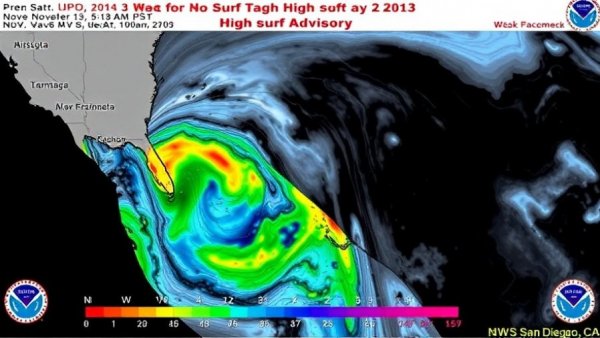
As winter approaches, the ocean often becomes more unpredictable. One recent alert from the National Weather Service (NWS) has declared a High Surf Advisory for San Diego and Orange County, warning beachgoers about the risks associated with elevated wave heights and dangerous surf conditions. Understanding the impact of these advisories is crucial, especially for families and young surfers looking to enjoy the coast during this time.
What Exactly Is a High Surf Advisory?
A High Surf Advisory indicates that significant wave activity, especially large waves of 5 to 7 feet—potentially reaching heights of 8 to 9 feet—will likely create perilous swimming and surfing conditions. For an area like San Diego County, which attracts many visitors to its beautiful beaches, this means families planning a day of fun in the sun should think twice about venturing into the water during this timeframe. The advisory typically highlights the following challenges:
- Dangerous swimming conditions due to rip currents.
- Possible localized beach erosion.
- Overflow from high tides impacting parking lots and boardwalks.
Understanding the Risks of High Waves
During a High Surf Advisory, the risk of strong rip currents rises significantly. These powerful currents can sweep even the strongest swimmers out to sea. Parents must be aware that children and inexperienced swimmers could be in danger if they unintentionally wander into deeper waters while playing. It's not uncommon for wave action to lead to sudden changes in water depth, which can catch many off guard.
Tips for Staying Safe During High Surf Conditions
For residents and visitors alike, safety should be the top priority when heading to the beach during this advisory period. Here are some practical tips to ensure a safer experience:
- Stay Informed: Keep an eye on local weather reports and advisories. Utilizing trustworthy sources or apps can provide real-time updates.
- Observe Beach Signs: Pay attention to flags and warnings posted at the beach. Yellow flags indicate caution, while red flags may signify dangerous conditions.
- Surf Safely: Stick to designated surf zones and avoid competitive surf areas during high surf. It's also wise to surf with more experienced friends who can assist if trouble arises.
- Swim with a Buddy: Always swim with someone else and stay close to shore. Whenever possible, inform a lifeguard of your swimming plans.
The Importance of Respecting Nature
Mother Nature is powerful and unpredictable, especially during this time of year when storms can rapidly change ocean conditions. The ocean's beauty should be respected, and understanding its risks is essential. Even seasoned surfers and beachgoers can find themselves in precarious situations if they underestimate the waves or currents. Observing and understanding the ocean's behavior can enhance everyone’s beach experience, helping individuals to enjoy its beauty while remaining safe.
What Happens Next?
While the advisory is active through Sunday morning at 10 AM PST, there is some good news: the surf is expected to calm down later in the day. However, even as conditions improve, remnants of high surf might linger into Monday, particularly for areas with west-facing beaches. It’s vital to remain vigilant as a sudden shift in wind or tide can lead to a quick change in conditions. Taking a moment to evaluate the situation before entering the water can make all the difference.
Conclusion: Enjoy the Beach Responsibly!
Beach advisories are in place to keep everyone safe. As beachgoers, we must heed these warnings and understand the implications of high surf on our enjoyment of the ocean. Safety starts with awareness—by keeping informed and preparing adequately, we can ensure that our beach days are memorable for all the right reasons. When in doubt, it’s better to play it safe—stay alert and always make safety your number one priority when enjoying the beautiful coastline!






Write A Comment