








The Looming Water Crisis in South Dakota: What Homeowners Need to Know
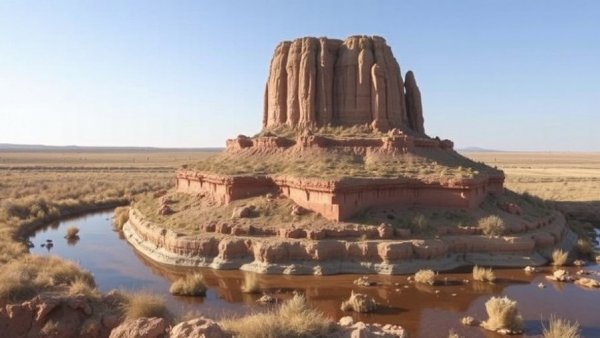
As South Dakota grapples with a notable decline in aquifers, the implications extend far beyond environmental concerns—they have direct consequences for homeowners across the state. A clear picture of this crisis is painted by the stark sight at Bear Butte State Park near Sturgis. The once-vibrant lake, normally a sprawling 215 acres deep with fresh water, has dwindled to just a fraction of its former glory, barely surviving with a few inches of surface water. This visible decline illustrates the growing water woes that affect not just fisheries and wildlife, but significantly challenge the long-term water security for residents.
The combination of prolonged drought, rising population, and increasing demands for residential, commercial, and agricultural water have intensified this crisis, leading to serious shortages. Areas across West River, including Angostura and Pactola, are experiencing visible water level drawdowns, signaling a statewide problem. Experts like Jay Gilbertson from the East Dakota Water Development District emphasize that if water extraction continues at current rates, soon the only feasible water supply for new homeowners or businesses will be brought from distant sources, such as the Missouri River.
The Impact of Declining Aquifers on Homeowners
For current and prospective homeowners, the implications of declining aquifers are profound. With many rural water systems unable to accommodate new developmental demands due to stressed aquifers, the possibility of securing reliable water sources could face severe limitations. In places like Sioux Falls, the Big Sioux Aquifer is already showing signs of strain, which raises pressing questions about sustainable living in an area experiencing rapid growth.
State Senator Helene Duhamel, a vocal advocate for addressing these issues, highlights that homeowners must recognize this reality. Water conservation measures are becoming increasingly necessary to protect against future shortages. This means not only adapting to potential restrictions on water use but also reconsidering how home landscapes are managed sustainably.
Future-Proofing Your Home: Strategies for Water Conservation
Homeowners can implement practical strategies to mitigate the effects of water shortages. Here are some impactful actions:
- Install Water-Efficient Fixtures: Low-flow faucets and toilets can significantly reduce water wastage, particularly in households with high usage.
- Rainwater Harvesting: Collecting rainwater for irrigation can supplement household water supplies and lessen the stress on local aquifers.
- Smart Landscaping: Adopting xeriscaping principles—using drought-resistant plants and designs—can minimize water needs while enhancing property aesthetics.
By embracing these strategies, homeowners not only lessen their dependence on dwindling aquifers but also contribute positively towards community resilience during this water crisis.
Policy Changes on the Horizon
Recognizing the severity of the situation, there are ongoing discussions around expanding water systems and potentially tapping into the Missouri River. Duhamel's recent efforts have initiated conversations about new water project proposals that could total $13 billion over the coming decades. Homeowners should stay informed about such developments as they could lead to future water security enhancements for the region.
Ultimately, with the increasing strain on South Dakota's water supplies, proactive measures and community engagement will be crucial for ensuring sustainable water access. Homeowners are encouraged to engage in local conservation efforts and advocate for policies that prioritize sustainable water management.
Stay vigilant about the coming changes and what they may mean for your homeowner's experience. In a time of uncertainty about water availability, being well-informed and proactive could make all the difference.



Write A Comment