








Flood Advisory: What You Need to Know
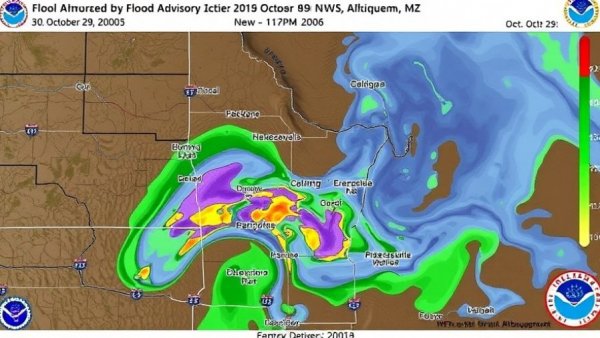
A flood advisory has been issued for South Central De Baca County and Northern Chaves County in New Mexico due to heavy rainfall. Thunderstorms in the region have caused heavy rain, leading to expectations of arroyo and small stream flooding. Between 1 to 2 inches of rain have already fallen, and an additional 1.5 inches is expected before the advisory is lifted at 11:15 PM MDT tonight. This weather event is part of a larger pattern of heavy precipitation that has affected various parts of New Mexico recently, leading to concerns about localized flooding.
Impacts of the Flood Advisory
The primary concerns during this flood advisory include minor flooding in low-lying and poorly drained areas. Public safety is crucial, and individuals are discouraged from traveling through low-water crossings. Even minor flooding can make these pathways impassable and dangerous. The advisory stresses that conditions can quickly worsen, putting those unprepared in potential peril. Additionally, the flooding may disrupt local roads, affecting transportation and emergency services in remote areas.
Understanding the Danger of Arroyos
Arroyos, or dry riverbeds, often fill rapidly with water during heavy rains, becoming hazardous in a short amount of time. It’s important to remember that a flash flood can occur with little warning, so staying informed is essential. Communities in rural areas should be particularly vigilant, as these regions can be most affected by rapidly rising waters. In New Mexico, where arroyos are common, understanding their behavior during heavy rainfalls can be crucial for avoiding dangerous situations.
Safety Recommendations
During this flood advisory, here are some important safety tips to keep in mind:
- Stay Indoors: If possible, avoid going outside during the storm. The risk of sudden flooding rises significantly, making it wise to remain indoors.
- Stay Informed: Keep track of local weather updates and advisories from the National Weather Service. Use reliable sources to get the latest information on conditions in your area.
- Avoid Flooded Areas: Do not drive through flooded roadways, as the depth of water can be misleading. Even a small amount of water can sweep away a vehicle.
- Prepare an Emergency Kit: Ensure that you have an emergency kit ready at home, containing essentials like food, water, medications, batteries, and flashlights. This preparation can be critical in case of power outages or extended flooding.
Being aware of the local conditions is essential for safety. Paying attention to community advisories and understanding evacuation routes can make a difference in emergencies.
Looking Ahead: Future Weather Patterns
Looking into future weather events, meteorologists predict that heavy rainfall may become increasingly common due to changing climate conditions. As precipitation patterns shift and storms become more intense, communities will need to adapt their flood responses and resilience strategies. This might involve enhancing drainage systems or implementing better land use planning to mitigate the effects of heavy rainfall. Innovations in technology and infrastructure can play a key role in how communities prepare for and respond to severe weather events.
Community Preparedness: An Ongoing Effort
Community preparedness plays a vital role in managing flood risks. Local authorities and organizations often provide resources and information to help residents prepare. Engaging with local disaster preparedness programs can increase individual awareness and encourage proactive measures during severe weather events. By participating in community drills and educational sessions, residents can better understand the risks and the specific actions they should take when facing severe weather.
Conclusion
As heavy rain continues to fall in the affected areas, staying informed and prepared is crucial for ensuring the safety of yourself and your family. Please heed the flood advisory issued by the National Weather Service, and remain aware of evolving weather conditions in your area. As a community, vigilance and preparedness can help mitigate the impacts of flooding. For more information on flood safety, visit flood safety resources, which can provide you with further tools and information to stay safe during floods.




Write A Comment