








Winter Storm Challenges for Arborists: What You Need to Know
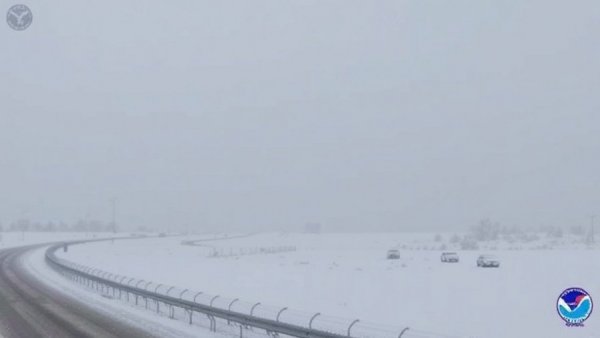
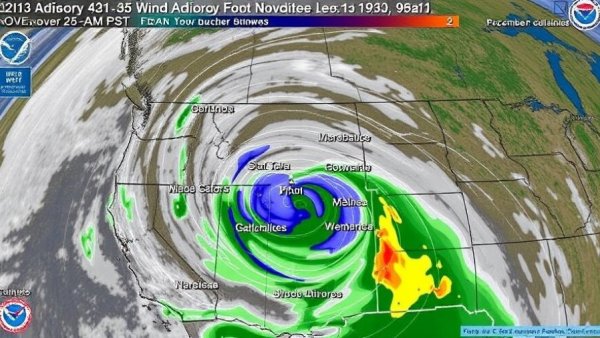
As winter approaches, arborists face unique challenges posed by heavy snowfall and strong winds. The recent winter storm warning issued by the National Weather Service for the Eastern San Juan Mountains highlights these risks, predicting accumulations of 3 to 6 inches of snow and gusts up to 50 mph. Understanding how such weather impacts tree health and safety is crucial for all who work with trees.
Why Snow and Wind Matter for Tree Care
For arborists, it's not just about the aesthetic beauty that trees provide; their health and safety are paramount. Trees can sustain significant damage during winter storms, leading to broken branches and uprooted trees. Heavy snow weighing down branches can cause them to snap, while high winds can uproot previously stable trees. It’s essential for professionals to evaluate the health of trees before such weather events to mitigate risks.
Preparing for a Storm: Best Practices for Arborists
Preparation can make a huge difference when anticipating harsh weather. Before a winter storm, arborists should perform thorough inspections of trees in their care, identifying any that are particularly vulnerable due to decay or damage. This proactive step allows professionals to recommend pruning or removal, potentially reducing the occurrence of hazards during storms. Additionally, ensuring proper equipment readiness is vital.
Post-Storm Assessments: What to Look For
Once the storm has passed, arborists must conduct assessments to understand the extent of any damage. This includes checking for downed branches, leaning trees, and any signs of structural failure. Understanding how to identify potential hazards will help professionals make informed decisions about tree health and necessary intervention.
Snow Accumulation: The Double-Edged Sword
While snow can provide critical moisture for trees when it melts, excessive accumulation can quickly turn into a burden, particularly for younger trees. The weight of snow can lead to bark deformation or breakage. Arborists should monitor young trees closely, as their developing structures may not withstand the weight of heavy snow. Clearing excess snow from branches gently can help prevent damage.
Wind Threats: Understanding Snow Drift Dynamics
Snow drift patterns can further complicate what might appear to be a routine winter storm. Areas where gusts are highest can create drifts that bury trees and keep them damp, increasing rot risk as temperatures fluctuate. Arborists need to consider how wind patterns impact specific locations and develop strategies to protect trees from prolonged exposure to wet, heavy snow.
Arborists at Work: Collaborating With Communities
Engaging with local communities during winter storms is essential. Arborists can offer insights and share best practices for tree care during high winds and snow. Hosting workshops on tree safety, creating informative materials, and utilizing social media to communicate simple care tips can strengthen community ties while encouraging better tree protection.
Conclusion: The Responsibility Is Yours
The impact of winter storms on trees is a responsibility that arborists must take seriously. Being proactive in preparation and responsive in assessments can protect the health of trees and ensure the safety of surrounding communities. Whether through direct action or community education, your role in preventing storm damage is vital.




Write A Comment