





Tree Guardian News
Tree Guardian News
  • Home
  • Categories
    • Storm Damage & Prevention
    • Tree Care Tips & Landscaping
    • Tree Disease Identification & Treatment
    • Insurance Intel
    • DIY Tree Care & Safety
    • Sustainable Tree Care & Eco Solutions
    • Professional Tree Services
    • Arborist Stories
    • Latest News
    • Industry Insights
Join the Arborist Forum 
July 10.2025
1 Minute Read

Unveil the Secret of Stump Grinding for a Clean Yard

What if one overlooked tree stump could attract more than 30 species of insects and fungi, putting your entire garden’s health at risk? Stump grinding isn’t just about looks—it's a vital solution for a vibrant, safe, and welcoming yard. In this comprehensive guide, you'll uncover the secrets of effective stump grinding, see why it matters, and get easy-to-follow steps for reclaiming your outdoor sanctuary.

Stump Grinding: The Surprising Impact on a Pristine Yard

  • Did you know a single rotting tree stump can attract over 30 species of insects and fungi, severely impacting your garden's health? Discover why stump grinding isn’t just aesthetic—it's a vital yard solution.

The presence of old tree stumps is more than a mere inconvenience—in fact, they can harbor pests, create tripping hazards, and spoil the look of your landscape. Left unchecked, a decaying stump becomes a magnet for destructive insects and harmful fungi that quickly spread to healthy plants and even your home’s foundation. Stump grinding acts as a shield, removing this risk and restoring both beauty and safety to your property.

By choosing to stump grind rather than ignore the problem or opt for complete stump removal , you’ll not only improve your yard’s appearance but also protect the underlying ecosystem. Advanced stump grinders make this process efficient, while also preventing regrowth and discouraging pests from taking up residence in the remains. The difference is immediate: a clean, safe yard free from hazards and invasions.

lush residential backyard with freshly ground tree stump area vibrant greenery clean yard after stump grinding

Achieving a Clean Yard with Stump Grinding: Goals and Benefits

  • How stump grinding transforms outdoor spaces
  • Safety and property value improvements
  • Eco-friendly advantages of modern stump grinders
  • Preventing tree stump regrowth and pest issues

Stump grinding does much more than erase an eyesore—it catalyzes total landscape rejuvenation. By grinding a stump to below ground level , you seamlessly integrate the space back into your lawn or garden bed. This transformation creates new possibilities for planting, landscaping, or hosting outdoor activities. No more dodging around a hard stump or dealing with disruptive tree roots. Instead, a well-executed stump grind puts control of your yard firmly back in your hands.

Safety is another massive benefit. Old tree stumps are a frequent cause of household trips and falls—especially for children and visitors. By eliminating these hazards, your property instantly becomes safer. At the same time, property value increases. A clean, obstacle-free lawn is more attractive to buyers and reflects responsible ownership, boosting your home’s marketability. Plus, using advanced stump grinders is environmentally friendly, as they minimize soil disruption, allow repurposing of wood chips , and prevent harmful chemicals from leaching into your garden.

The eco-benefits continue as modern stump grinding methods curb regrowth—eliminating the chance a tree will sprout from its roots. Removing the stump reduces the habitat for pests and disease spreaders, ensuring the rest of your landscape thrives. Overall, a clean yard from stump grinding isn’t just a visual upgrade; it’s a smart, green, and safe investment.

When planning your yard improvements, it's also wise to consider the broader costs associated with professional tree care. For a detailed look at budgeting and what to expect from expert services, explore this comprehensive guide on tree service costs and how to plan for professional care .

Stump Grinding Defined: What Does the Process Entail?

  • Core steps of stump grinding
  • Comparison to traditional stump removal
  • Use of advanced stump grinders

The stump grinding process starts with a straightforward goal: reduce the protruding wood of a tree stump and accompanying roots well below the surface of the soil. A professional operator or skilled DIYer uses a stump grinder —a machine equipped with a high-speed rotating blade or cutting wheel. The device chips away the wood piece-by-piece, turning it into usable mulch or wood chips in minutes. The area is then left even with the surrounding ground, blending seamlessly with the rest of your yard.

In contrast, traditional stump removal employs heavy machinery and often entails digging out the entire mass of roots as well as the stump, resulting in significant disturbance to soil, landscaping, and sometimes underground utilities. While both methods have their place, stump grinding is favored for its precision, minimal invasion, and faster recovery times for your landscape. Advanced machines—ranging from walk-behind models for tight urban spaces to heavy-duty self-propelled grinders—make the job safer and more efficient than ever.

powerful stump grinder machine operator grinding away tree stump safety gear residential yard stump grinding

Stump Grinding vs. Stump Removal: Which Method is Best?

"While stump grinding leaves your yard intact, traditional removal often results in major disruption and higher costs."
  • Key differences between stump grind and stump removal
  • Situations where stump grinding excels
  • Evaluating long-term yard impacts

Choosing between stump grinding and stump removal often depends on yard goals and the condition of your landscape. With stump grinding, the process focuses on eradicating the visible portion of the stump quickly and efficiently. The grinder’s rotating blade eats away at the wood, turning it into mulch, and leaves the underground roots undisturbed. This method causes minimal damage to lawns, paths, and irrigation systems, allowing for easy landscaping right after the grinding process .

Conversely, stump removal is far more disruptive. It requires powerful heavy machinery to uproot not only the main stump but an extensive web of roots. This can create large holes, damage adjacent plants, and increase the need (and cost) of repairs to the landscape. Removal should be considered only in cases of severe disease, future construction, or when the complete root system must be eliminated for new building projects.

If your goal is a fast, clean, and eco-friendly solution, stump grinding is ideal. It’s particularly well-suited for yards with multiple stumps, established lawns, and gardens where minimal disruption is important. For most homeowners, grinding delivers the pristine look they seek without the long-term scars and costs associated with full stump removal.

Types of Stump Grinders: Choosing the Right Equipment

  • Walk-behind, self-propelled, and track stump grinders
  • Matching stump grinder type to your yard's needs
  • Professional vs. DIY stump grinding

There’s an array of stump grinders available, each suited to different needs and yard sizes. Walk-behind stump grinders are compact and maneuverable, making them perfect for small stumps , tight spots, or DIY projects where minimal soil disruption is needed. For mid-sized jobs, self-propelled stump grinders offer increased power and efficiency; these are commonly used by landscaping professionals tackling average residential properties.

When dealing with large stumps or difficult terrain, track stump grinders are preferred. Their wide tracks distribute weight evenly, allowing the machine to easily move over muddy or uneven ground with minimal damage to lawns or gardens. Choosing the right grinder depends on the tree stump size, access to the area, and the final landscaping plan. While homeowners may consider renting a stump grinder for a DIY job, professional-grade machines deliver better results for large-scale or complex grinding tasks.

If considering a DIY approach, remember operating heavy machinery like a stump grinder requires skill and caution. Renting equipment involves understanding the grinder’s controls, safety protocols, and the physical demands of maneuvering the machine—consider the risks, like hitting underground utilities or incomplete removal. For most, hiring a professional grinding service ensures thorough work, safety, and optimal site restoration.
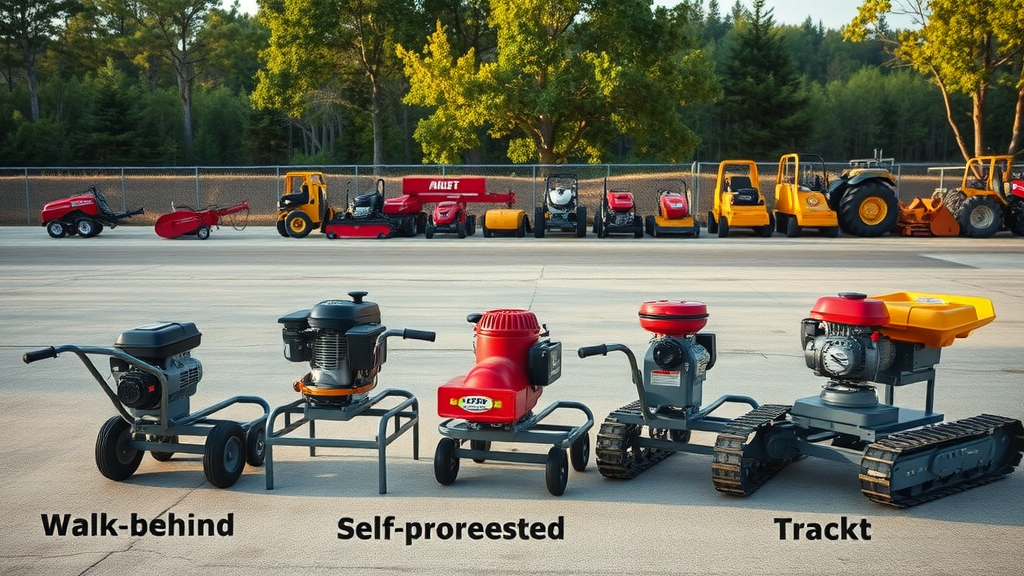
variety of stump grinders walk-behind self-propelled track types comparison outdoor equipment

Should You Rent a Stump Grinder or Hire Experts?

  • Renting a stump grinder: cost and complexity
  • Assessing risks of DIY vs. hiring a grinding service
  • When a professional stump grinding service is the best investment

Renting a stump grinder is tempting for the DIY-minded homeowner who’s looking to save money and tackle a yard project head-on. Rentals typically cost between $90 and $200 per day—enough to handle a small stump or two if you’re experienced with outdoor machinery. However, DIY jobs can get complicated by equipment complexity, the need for safety gear, and the risk of damaging underground features or leaving roots behind that could cause regrowth. It also demands physical effort, and the cost may rise with multiple stumps or labor-intensive locations.

Weighing the risks of DIY versus hiring a grinding service , most homeowners find value in expertise. Professionals have access to advanced stump grinders , apply best-practices for public safety, and usually include debris cleanup in the stump grinding cost . When dealing with large, deep, or multiple stumps—or when underground utilities are a concern—professional services minimize property risk and ensure a complete job. Plus, reputable companies carry insurance, offering peace of mind if unexpected issues arise.

Ultimately, the best investment depends on your comfort with specialized equipment , the number and size of stumps, and your willingness to take on labor and risk. For delicate landscapes, safety, or multiple stumps, trusting a skilled professional is almost always the wiser—and ultimately more cost-effective—choice.

Step-by-Step Guide to Stump Grinding for a Clean Yard

  • Site preparation and safety
  • Operating the stump grinder effectively
  • Cleaning up and repurposing grinding debris

Ready to restore your space? The ideal stump grinding process begins with smart preparation. First, remove any rocks, garden decorations, or debris from the area. Mark nearby underground utilities and keep children and pets at a safe distance. Don your safety gear: helmet, goggles, ear protection, gloves, and sturdy boots are all essential before starting up the stump grinder .

Position your machine close to the tree stump —always on stable, level ground. Start the grinder and, following the manufacturer’s instructions, carefully lower the rotating blade onto the wood. Work the grinder side-to-side, steadily shaving away layers of the stump until it’s well below the soil’s surface. The result: a pile of fine wood chips , and a smooth area ready for landscaping.

To finish, rake the wood debris into a pile and use it as mulch for garden beds or pathways, or haul it away per your recycling plan. Fill in the hole with topsoil, tamp lightly, and sprinkle grass seed or plantings as desired. With each step, you’re not merely removing an obstacle—you’re kickstarting your yard’s renewal and supporting a clean, healthy landscape.

Watch a Stump Grinding Professional at Work: See the Complete Process

Stump Grinding Cost Breakdown: Factors and Comparisons

Average Stump Grinding and Removal Costs
Service Type Average Cost per Stump Additional Fees
Professional Stump Grinding $100–$400 Hauling debris: $50+
Stump Removal $350–$700 Landscape repair: $100+
Stump Grinder Rental $90–$200 per day Fuel/transport: $30+

Understanding stump grinding cost helps you budget and compare services. Professionals generally charge $100–$400 per stump, which includes labor and cleanup. If you opt for stump removal , expect $350–$700 per stump—plus potential fees for landscaping repairs. Stump grinder rental costs range from $90 to $200 per day, plus any necessary supplies and transport. The actual price will depend on factors like stump size, wood hardness, location, ease of access, and whether debris removal is included.

Long-term, stump grinding may be more cost-effective, considering it’s less invasive and requires less restoration after the work is done. Always compare several quotes, clarify what's included, and ask about any volume discounts for multiple stumps to maximize your savings while achieving a pristine yard.

How Stump Size and Tree Type Affect Stump Grinding Cost

  • Influence of stump diameter and wood hardness
  • Multiple tree stumps: volume discounts and considerations

The grinding cost of removing a stump is directly tied to its size and type. A large diameter stump or one from a dense, hardwood tree like oak or hickory will require more time and put more strain on the stump grinder . This may increase the overall fee, compared to softer wood species. The location and accessibility of the stump also matter—tight corners or sloped yards are often more labor intensive and therefore, more expensive.

If you have several tree stumps needing attention, many contractors offer volume discounts. Grinding multiple stumps at once saves on setup and travel, and most reputable grinding services will factor in a reduced per-stump rate for jobs that involve clearing an entire yard. Always discuss discounts upfront and clarify whether cleanup and restoration—such as refilling holes or applying mulch—are included in the base rate.

Common Mistakes to Avoid During Stump Grinding

  • Incomplete grinding and hidden tree roots
  • Damaging underground utilities
  • Safety oversights with stump grinders

A successful stump grinding project requires attention to more than just the visible wood. One common error is failing to grind deep enough or overlooking lateral roots, which can sprout new shoots or attract pests if not fully addressed. Another risk is neglecting to check for underground utilities; a misdirected grinder can easily cut into pipelines or wiring, leading to costly and dangerous repairs.

Negligence around equipment is equally serious. Without the proper safety gear—helmet, goggles, ear shields, gloves, and boots—injuries can occur quickly. In addition, leaving pets or children nearby is a recipe for disaster. Proper planning, marking utility lines, and taking every safety precaution ensures both effective results and a hazard-free experience for everyone on site.

cautionary garden scene homeowner hesitating beside partially ground stump with utility marker flags and roots visible stump grinding safety

Stump Grinding Safety: Essential Tips

  • Safety gear for using stump grinders
  • Precautions for children and pets

Personal safety is paramount during any stump grinding task. Always begin with the right gear: a helmet and face shield, safety glasses, heavy-duty gloves, ear protection, and steel-toed boots. Never operate a stump grinder in loose or inappropriate clothing—long pants and close-fitting attire help prevent snags and injuries. Before powering up, carefully read the machine's manual and ensure you understand all controls and emergency shutoff mechanisms.

In addition to personal safety, keep children and pets at a considerable distance from the working area. Set up visual barriers or temporary fencing to emphasize the danger zone. After grinding, thoroughly check the site for hidden wood fragments or roots before allowing anyone back. These simple steps ensure everyone remains safe and injury-free—especially important in busy family yards.
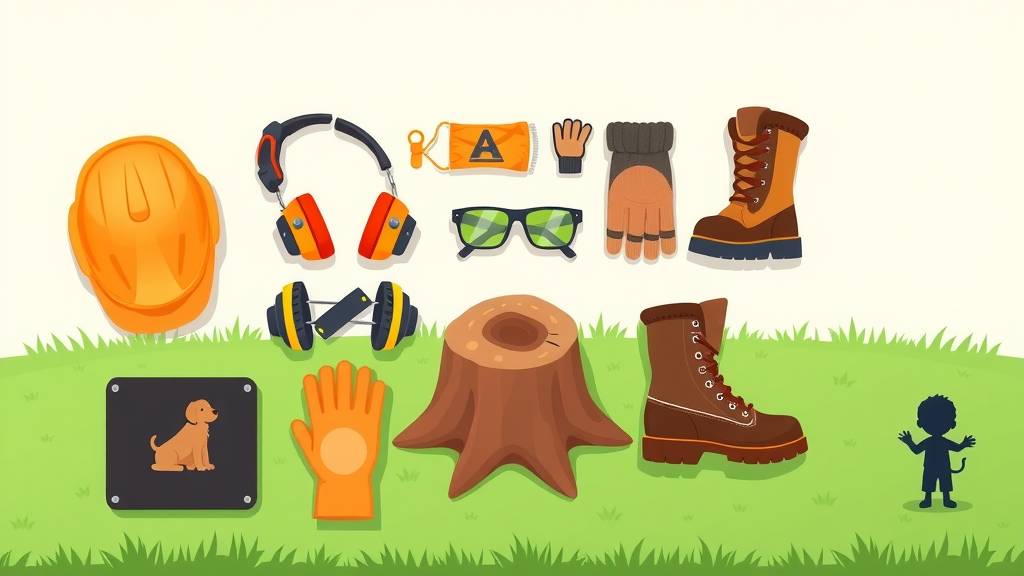
stump grinding safety gear helmet goggles gloves boots illustration child and pet safety lawn background

After Stump Grinding: Restoring and Revitalizing Your Yard

  • Filling in grinding holes after a stump grind
  • Using mulch from the grinding process
  • Reseeding and landscaping tips

Once the stump grind is complete, attention turns to repairing and enhancing the landscape. Start by clearing away excess wood chips —these can be reused as mulch in flowerbeds or garden paths to nurture plant growth and retain soil moisture. For the former stump hole, fill in with clean topsoil, tamp it gently, and smooth the surface to match your yard’s natural contour.

The next step is to reseed the area with grass or lay down new sod, ensuring quick regrowth and a uniform look. If you’re aiming for even more curb appeal, now’s the perfect opportunity to landscape creatively—add a garden bed, plant a bright cluster of flowers, or create a new patio area where the tree stump once stood. With diligent aftercare, your yard not only recovers but becomes more beautiful and functional than before.

freshly mulched garden bed with grass seed topsoil filled into former stump hole after stump grinding restoration

When to Choose Stump Removal Over Stump Grinding

  • Cases requiring full root extraction
  • Major landscaping or construction plans
  • Weighing tree stump removal costs

While stump grinding suits most homeowners’ needs, some scenarios justify considering full stump removal . If you’re planning substantial construction—like a pool, new garage, or driveway—removing all root material is sometimes required for stability and safety. Certain tree diseases, like root rot or infestations, may also warrant complete extraction to prevent spread to other parts of your yard.

That said, tree stump removal is typically more invasive and expensive than grinding. It’s best reserved for when future plans absolutely demand root-free soil, or when the risk of microbial or pest issues outweighs the higher stump removal cost. For most upgrades or beautification projects, sticking with stump grinding ensures quicker recovery and less disruption to your landscape.

Environmental Impact: The Eco-Friendly Choice of Stump Grinding

  • Recycling stump grinding debris
  • Protecting soil and plant life
  • Sustainable yard practices

Choosing stump grinding is not just practical—it's also an environmentally sound decision. The process generates valuable wood chips and mulch, both of which enrich soil and conserve moisture when repurposed on-site. Grinding, as opposed to removal or chemical treatments, causes less soil disruption and preserves beneficial microorganisms and nearby plant roots, supporting a stable and thriving ecosystem.

By avoiding chemical stump removers and heavy excavation, grinding keeps your outdoor space healthier and reduces the carbon footprint associated with debris hauling. Sustainable yard management goes hand-in-hand with stump grinding —it’s a solution that nurtures your garden while respecting the broader environment.

Choosing a Reliable Stump Grinding Service: What to Look For

  • Credentials and insurance
  • Equipment quality and operator experience
  • Local customer reviews and guarantees

When it's time to hire a stump grinding service , look for licensed and insured providers who use modern, well-kept equipment. Credentials matter; check that the operator is experienced, trained, and follows all local regulations. Review online feedback and testimonials to confirm reliability, professionalism, and consistent results on previous jobs.

Also, clarify what’s included in the quoted price: Does it cover complete grinding, debris removal, and restoration, or just the grinding itself? Reputable services are transparent about guarantees and willing to answer all your questions. By selecting professionals with a proven track record, you’re far more likely to achieve the clean, beautiful yard you envision.

"Hiring a licensed and insured grinding service gives homeowners peace of mind and guaranteed results."

People Also Ask: Stump Grinding FAQs

How much does it cost to grind one stump?

  • The average cost to grind one stump ranges from $100 to $400, depending on the stump’s size, location, and wood type. Professional grinding services often include debris cleanup in the quote.

Is it worth it to grind a stump?

  • Yes, stump grinding is typically the fastest and most effective method to clear unsightly tree stumps, halt regrowth, prevent pests, and safeguard your property’s value.

How much does it cost to grind a tree stump out?

  • On average, grinding a tree stump out costs between $100 and $400. Costs can increase for larger or harder stumps, or if obstacles complicate the process.

How much does it cost to hire a stump grinder?

  • Renting a stump grinder typically ranges from $90 to $200 per day, while hiring a grinding service usually falls between $100 and $400 per stump, including labor and cleanup.

Quick Tips for Affordable and Effective Stump Grinding

  • Get multiple stump grinding quotes
  • Ask about volume discounts
  • Clarify what’s included in stump grinding cost
  • Verify grinding service insurance and local reputation

To get the best value in stump grinding cost , request several quotes from local providers and ask about price breaks for clearing multiple stumps. Always clarify whether the fee covers complete grinding, debris removal, and site restoration. Check references, insurance status, and service guarantees before hiring, and never hesitate to compare customer testimonials for peace of mind.

Get Started on Your Clean Yard: Partner With Experts in Stump Grinding

  • Ready to eliminate unsightly tree stumps and revitalize your yard? Contact trusted stump grinding professionals and reclaim your outdoor oasis today.

Don't let forgotten tree stumps undermine your property. Partner with a reputable stump grinding team, and start enjoying the clean, beautiful landscape you deserve—one grind at a time!

If you’re thinking about the bigger picture of protecting your property, it’s also important to understand how tree-related issues can impact your home insurance. For deeper insight into what’s covered when trees fall and how to navigate insurance claims, check out this essential resource on home insurance coverage for fallen trees . Exploring these topics will help you make informed decisions, safeguard your investment, and ensure your yard and home are both secure and beautifully maintained.

To further enhance your understanding of stump grinding and its benefits, consider exploring the following resources:

  • “What Is Stump Grinding?” : This article provides a comprehensive overview of the stump grinding process, detailing how specialized equipment is used to efficiently remove tree stumps and the advantages it offers, such as improved aesthetics and prevention of pest infestations. ( abbotttreecare.com )

  • “Stump Grinding vs. Removal: Which Is Better?” : This resource compares stump grinding and complete stump removal, discussing the pros and cons of each method to help you determine the best approach for your yard. ( angi.com )

By delving into these articles, you’ll gain valuable insights into the stump grinding process and be better equipped to make informed decisions for maintaining a clean and safe yard.

Tree Care Tips & Landscaping

766 Views

Write A Comment

*
*
Please complete the captcha to submit your comment.
Related Posts All Posts
07.10.2026

Transform Your Patio This Summer with These Shade Ideas

Update Why Smart Patio Shade Ideas Matter This Summer The joys of summer can quickly be overshadowed by scorching sun and uncomfortable temperatures, especially during peak hours. An exposed patio can turn into an unforgiving surface, reaching soaring temperatures that deter even the most enthusiastic outdoor lovers. But don’t fret—implementing the right patio shade ideas can dramatically change how you enjoy your backyard. With effective shading solutions, your patio transforms from a sun-baked surface to a lush outdoor room, perfect for summer gatherings, evening meals, or quiet reading sessions. Mix and Match: Your Ideal Patio Shade Combination To create the perfect summertime retreat, consider layering your shade options. One popular strategy involves combining a permanent structure, such as a pergola or pavilion, with flexible elements like shade sails or cantilever umbrellas. For example, a beautiful pergola not only establishes an architectural focal point but also serves as a base for climbing vines that provide living shade. Meanwhile, easy-to-move canopies can be deployed as the sun shifts, ensuring comfort throughout the day. Understanding the Common Mistakes to Avoid When diving into patio shading, remember some common pitfalls that many homeowners encounter. First, opting for a single large umbrella as your sole solution may lead to coverage gaps. Instead, layer your strategies to maximize shading. Secondly, choosing a structure that's too small for your patio can lead to frustration and reduced usability. Plan wisely! Measure how sun exposure shifts across your patio during key times to ensure total coverage. Top Patio Shade Ideas You’ll Love Here are some popular solutions to consider: A Pergola: Classic and elegant, a pergola provides partial shade while allowing dappled light to filter through. With options for climbing plants or retractable shades, it's a blend of function and beauty. A Pavilion: If you want full protection, a pavilion offers an ideal solution with a sturdy roof that deflects rain and sun alike, creating a perfect outdoor sanctuary. Louvered Roof System: If flexibility is key, look for adjustable louvered roof systems that let you control sunlight and shade with ease. Perfect for tech-savvy homeowners! A Cantilever Umbrella: For a temporary but effective solution, invest in a high-quality cantilever umbrella. They easily pivot to follow the sun, ensuring coverage wherever you dine. Shade Sails: These fabric panels are unique and trendy, perfect for covering odd-shaped patios. They disperse sunlight at various angles, enhancing aesthetics while keeping things cool. Consider Adding Natural Elements Don't forget the natural aspect of shade. Planting a specially chosen tree—like a Japanese maple or a river birch—on the south side of your patio creates gorgeous dappled shade as it matures. This addition not only cools your space but also enhances the visual appeal of your garden. How Outdoor Curtains Boost Comfort and Style Outdoor curtains are an often-overlooked element that can significantly impact how comfortable your patio feels. They add a dramatic shade element while providing a cozy atmosphere. When choosing fabrics, opt for UV-resistant materials that can withstand outdoor conditions and keep their vibrant colors year-round. Creating a Personal Oasis This summer, don't let the heat drive you indoors. With the right mix of structure and plants, you can create a shaded escape. Whether you opt for elegant pavilions, playful shade sails, or sophisticated curtain drapery, the key lies in combining elements that suit your space, lifestyle, and personal style. Immerse yourself in the outdoors while safeguarding against the elements. Trust us, those summer patio memories are just around the corner! Feeling inspired? Step outside and evaluate your patio space today to make the most of summer fun.

07.10.2026

Enhance Your New Jersey Yard with These Thriving Privacy Shrubs

Update Creating Privacy in Your New Jersey Backyard Whether you live in a bustling neighborhood or a quiet suburb, privacy is a valued aspect of any yard. In New Jersey, property owners often seek out effective solutions to create visual barriers that protect them from prying eyes. Enter privacy shrubs. Not only do these plants provide natural seclusion, but they also enhance the beauty and biodiversity of our green spaces. Why Choose Shrubs for Privacy? Shrubs are an excellent choice for privacy due to their dense foliage and varying heights, making them versatile enough for any landscaping needs. Unlike fences or lattice, which can be stark and artificial, shrubs provide a lush, living barrier that improves the aesthetic of your surroundings. They can soften hard lines, blend into natural landscapes, and even support local wildlife. Must-Have Shrubs for New Jersey Gardens When selecting shrubs for privacy, it’s essential to focus on species that thrive in New Jersey's climate. Here’s a carefully curated list of shrubs that not only promise to grow robustly in New Jersey but also provide the most value when it comes to privacy. 1. American Arborvitae (Thuja occidentalis) The American Arborvitae is a renowned privacy shrub known for its rapid growth and tall, narrow form. Perfect for creating a living hedge, this evergreen can reach heights of up to 30 feet, providing excellent year-round coverage. It’s resilient to pests and diseases, making it a low-maintenance choice. 2. Eastern Red Cedar (Juniperus virginiana) This versatile evergreen is native to New Jersey and boasts a beautiful bluish-green color. The Eastern Red Cedar grows up to 50 feet tall, creating an impressive privacy screen. Additionally, its fragrant wood is appealing to many gardeners. 3. Boxwood (Buxus spp.) If you prefer a more formal look, the Boxwood shrub is ideal. With dense, evergreen foliage, these shrubs can be easily trimmed into either natural or manicured shapes, making them perfect for creating defined boundaries around your backyard space. 4. Privacy Viburnum (Viburnum dentatum) This deciduous shrub offers beautiful blooms in spring and fall while providing thick foliage for privacy. It can reach heights of up to 10 feet and attracts birds, making it a fantastic selection for wildlife lovers. 5. Wax Myrtle (Myrica cerifera) A fast-growing evergreen that thrives in coastal areas, Wax Myrtle can also do well in inland New Jersey. Its fragrant leaves and unique bluish berries make it a favorite among gardeners seeking both privacy and aesthetic appeal. Creating a Well-Designed Privacy Area While selecting the right shrubs is crucial, how you design your privacy area enhances the overall effect. Consider mixing shrubs of different heights and colors for a more natural look, allowing for visual interest in your landscape. Avoid planting them in rigid lines; instead, create curves or clusters to mimic nature. Maintenance Tips for Your Privacy Shrubs To ensure your privacy shrubs remain healthy and thriving, regular maintenance is key. Here are some quick tips: Watering: Newly planted shrubs need consistent watering for the first few months. Trimming: Regular pruning helps maintain the shape and promote healthy growth. Pest Management: Keep an eye out for pests and apply organic treatments if necessary. Conclusion Choosing the right shrubs for privacy in your New Jersey yard can significantly enhance your outdoor experience. Not only do these plants provide seclusion, but they also support local fauna and add beauty to your landscape. As you consider your options, remember to take into account your property's specific conditions and your personal preferences to create the perfect garden retreat for yourself and your family.

07.10.2026

Unlock the Potential of Your Small Backyard: Transformative Landscaping Ideas

Update Transform Your Small Backyard with Smart Landscaping Ideas Having a small backyard can feel limiting, but with the right landscaping strategies, you can turn every square foot into a functional and beautiful space. Whether it’s creating a cozy seating area, a small vegetable garden, or a peaceful retreat, clever designs can make your yard the envy of the neighborhood. The good news is that small spaces can be just as enchanting as larger ones with the right approach and a few useful ideas. Make the Most of Vertical Space One simple way to enhance a small backyard is to utilize vertical space effectively. Installing trellises or vertical gardens allows you to grow plants upward, saving valuable ground space. Imagine climbing vines like clematis or hanging flower pots filled with vibrant petunias bringing color and life to your walls; these features not only beautify but can also provide shade and privacy. Additionally, incorporating wall planters on fences or walls can create green art that transforms your backyard into a living gallery. This technique maximizes space and brings nature closer to your home, enabling a peaceful retreat that invites quiet moments among beauty. Create Zones for Different Activities When space is at a premium, consider dividing your backyard into functional zones. You could create a small dining area with a table and chairs, a play zone for kids, and a gardening nook. This not only organizes your space but also offers varied experiences without making it feel crowded. Moreover, using rugs and furniture arrangement can visually separate these areas, creating an illusion of larger space. Adding multifunctional furniture, such as a bench with storage, can enhance your space's usability. Look for tables that can expand for gatherings or fold away when not in use. These smart choices ensure that every square inch serves a purpose, making the most of your small outdoor area. Choose the Right Plants For limited space, selecting the right plants is crucial. Opt for native species that require less maintenance and are well-suited to your local climate. Plants such as lavender or ornamental grasses can thrive in small areas while adding texture and fragrance to your garden. Also, consider plants that perform double duty, like edible flowers or herbs, which are both beautiful and functional. Furthermore, incorporate container gardening into your design. Containers offer flexibility and can be moved around as needed, providing opportunities to mix and match plants throughout the seasons. This versatility allows for creativity and easy care, making your garden adaptable and ever-changing. Incorporate Hardscaping Features Hardscaping, which includes paths, patios, and decks, can greatly enhance a small backyard. A well-placed stone pathway can guide visitors through your garden while creating the illusion of expanded space. Moreover, using deck tiles or pavers can create inviting outdoor seating areas that blend seamlessly with nature. Adding a fire pit can also serve as a cozy gathering spot during cooler evenings, expanding your usable space year-round. With the right hardscaping elements, your small backyard can become an all-season sanctuary that invites relaxation and connection with family and friends. Use Color and Texture to Unify the Design Color plays an essential role in creating a cohesive look. By selecting a color palette for your furniture, plants, and decor, you can unify all elements of your backyard. Soft hues can create a calm and relaxing vibe, while bold colors can energize the space. Mixing different textures—from rough tree bark to smooth stone paths—adds visual interest without needing more space. Consider adding cushions, outdoor rugs, and decorative pots to further enhance the sensory experience. Maintaining Your Small Landscape Smaller gardens require just as much love and care as larger yards. Regularly pruning plants, clearing debris, and ensuring soil health can keep your garden thriving. Remember, a well-maintained garden appears more spacious and inviting, making each square foot feel truly utilized. Take the time to establish a simple maintenance routine, including watering, weeding, and fertilizing your plants. Keeping an eye out for pests and diseases will also help promote a vibrant and healthy landscape. Consider planting a few disease-resistant varieties to minimize maintenance and enhance your garden's resilience. Inspirational Quotes for Your Gardening Journey As you embark on your backyard transformation, keep encouragement at heart. Maya Angelou once said, "Nothing will work unless you do." This applies beautifully to gardening—every bit of effort put in will yield stunning results. Remember, your small backyard can become a place of joy, peace, and beauty with the right vision and care. Transforming your small backyard into a vibrant oasis is entirely achievable with a bit of creativity and the right strategies. Whether through vertical gardening, smart plant selection, or maintaining a tidy aesthetic, you’ll find that each square foot can deliver joy and functionality. So why not start your landscaping adventure today?

Green Space News

Homeowners & Businesses concerned about tree and landscape care, safety issues from storms, old or diseased trees, structural damage risks, and insurance implications.

Green Space News is a subsidiary of RP Design Web Services.

COMPANY

  • Privacy Policy
  • Terms of Use
  • Advertise
  • Contact Us
  • Menu 5
  • Menu 6

AVAILABLE FROM 8AM - 5PM

Cheshire,CT

POBox 1189

ABOUT US

Green Space News is your go-to media hub for cutting-edge strategies to maintain a safe and vibrant environment. We are committed to protecting your property and family by providing proactive tree hazard prevention and awareness. Our platform  empower communities to safeguard their surroundings and enjoy healthier, more resilient landscapes.

© 2026 RP Design Web Services All Rights Reserved. P.O. Box 1189, Cheshire, CT 06410 . Contact Us . Terms of Service . Privacy Policy

eyJjb21wYW55IjoiUlAgRGVzaWduIFdlYiBTZXJ2aWNlcyIsImFkZHJlc3MiOiJQLk8uIEJveCAxMTg5IiwiY2l0eSI6IkNoZXNoaXJlIiwic3RhdGUiOiJDVCIsInppcCI6IjA2NDEwIiwiZW1haWwiOiJyb2JlcnRAcnBkZXNpZ24uY29tIiwidG9zIjoiUEhBK1BITjBjbTl1Wno0OFpXMCtWMmhsYmlCNWIzVWdjMmxuYmkxcGJpQjNhWFJvSUhWekxDQjViM1VnWVhKbElHZHBkbWx1WnladVluTndPeUI1YjNWeUlIQmxjbTFwYzNOcGIyNGdZVzVrSUdOdmJuTmxiblFnZEc4Z2MyVnVaQ0I1YjNVZ1pXMWhhV3dnWVc1a0wyOXlJRk5OVXlCMFpYaDBJRzFsYzNOaFoyVnpMaUJDZVNCamFHVmphMmx1WnlCMGFHVWdWR1Z5YlhNZ1lXNWtJRU52Ym1ScGRHbHZibk1nWW05NElHRnVaQ0JpZVNCemFXZHVhVzVuSUdsdUlIbHZkU0JoZFhSdmJXRjBhV05oYkd4NUlHTnZibVpwY20wZ2RHaGhkQ0I1YjNVZ1lXTmpaWEIwSUdGc2JDQjBaWEp0Y3lCcGJpQjBhR2x6SUdGbmNtVmxiV1Z1ZEM0OEwyVnRQand2YzNSeWIyNW5Qand2Y0Q0S0NqeHdQanhoSUdoeVpXWTlJbWgwZEhBNkx5OTNkM2N1WjI5dloyeGxMbU52YlNJK2FIUjBjRG92TDNkM2R5NW5iMjluYkdVdVkyOXRQQzloUGp3dmNENEtDanh3UGladVluTndPend2Y0Q0S0NqeHdQanh6ZEhKdmJtYytVMFZTVmtsRFJUd3ZjM1J5YjI1blBqd3ZjRDRLQ2p4d1BsZGxJSEJ5YjNacFpHVWdZU0J6WlhKMmFXTmxJSFJvWVhRZ1kzVnljbVZ1ZEd4NUlHRnNiRzkzY3lCNWIzVWdkRzhnY21WalpXbDJaU0J5WlhGMVpYTjBjeUJtYjNJZ1ptVmxaR0poWTJzc0lHTnZiWEJoYm5rZ2FXNW1iM0p0WVhScGIyNHNJSEJ5YjIxdmRHbHZibUZzSUdsdVptOXliV0YwYVc5dUxDQmpiMjF3WVc1NUlHRnNaWEowY3l3Z1kyOTFjRzl1Y3l3Z1pHbHpZMjkxYm5SeklHRnVaQ0J2ZEdobGNpQnViM1JwWm1sallYUnBiMjV6SUhSdklIbHZkWElnWlcxaGFXd2dZV1JrY21WemN5QmhibVF2YjNJZ1kyVnNiSFZzWVhJZ2NHaHZibVVnYjNJZ1pHVjJhV05sTGlCWmIzVWdkVzVrWlhKemRHRnVaQ0JoYm1RZ1lXZHlaV1VnZEdoaGRDQjBhR1VnVTJWeWRtbGpaU0JwY3lCd2NtOTJhV1JsWkNBbWNYVnZkRHRCVXkxSlV5WnhkVzkwT3lCaGJtUWdkR2hoZENCM1pTQmhjM04xYldVZ2JtOGdjbVZ6Y0c5dWMybGlhV3hwZEhrZ1ptOXlJSFJvWlNCMGFXMWxiR2x1WlhOekxDQmtaV3hsZEdsdmJpd2diV2x6TFdSbGJHbDJaWEo1SUc5eUlHWmhhV3gxY21VZ2RHOGdjM1J2Y21VZ1lXNTVJSFZ6WlhJZ1kyOXRiWFZ1YVdOaGRHbHZibk1nYjNJZ2NHVnljMjl1WVd4cGVtRjBhVzl1SUhObGRIUnBibWR6TGp3dmNENEtDanh3UGxsdmRTQmhjbVVnY21WemNHOXVjMmxpYkdVZ1ptOXlJRzlpZEdGcGJtbHVaeUJoWTJObGMzTWdkRzhnZEdobElGTmxjblpwWTJVZ1lXNWtJSFJvWVhRZ1lXTmpaWE56SUcxaGVTQnBiblp2YkhabElIUm9hWEprSUhCaGNuUjVJR1psWlhNZ0tITjFZMmdnWVhNZ1UwMVRJSFJsZUhRZ2JXVnpjMkZuWlhNc0lFbHVkR1Z5Ym1WMElITmxjblpwWTJVZ2NISnZkbWxrWlhJZ2IzSWdZMlZzYkhWc1lYSWdZV2x5ZEdsdFpTQmphR0Z5WjJWektTNGdXVzkxSUdGeVpTQnlaWE53YjI1emFXSnNaU0JtYjNJZ2RHaHZjMlVnWm1WbGN5d2dhVzVqYkhWa2FXNW5JSFJvYjNObElHWmxaWE1nWVhOemIyTnBZWFJsWkNCM2FYUm9JSFJvWlNCa2FYTndiR0Y1SUc5eUlHUmxiR2wyWlhKNUlHOW1JR1ZoWTJnZ1UwMVRJSFJsZUhRZ2JXVnpjMkZuWlNCelpXNTBJSFJ2SUhsdmRTQmllU0IxY3k0Z1NXNGdZV1JrYVhScGIyNHNJSGx2ZFNCdGRYTjBJSEJ5YjNacFpHVWdZVzVrSUdGeVpTQnlaWE53YjI1emFXSnNaU0JtYjNJZ1lXeHNJR1Z4ZFdsd2JXVnVkQ0J1WldObGMzTmhjbmtnZEc4Z1lXTmpaWE56SUhSb1pTQlRaWEoyYVdObElHRnVaQ0J5WldObGFYWmxJSFJvWlNCVFRWTWdkR1Y0ZENCdFpYTnpZV2RsY3k0Z1YyVWdaRzhnYm05MElHTm9ZWEpuWlNCaGJua2dabVZsY3lCbWIzSWdaR1ZzYVhabGNua2diMllnWlcxaGFXd2diM0lnVTAxVExpQlVhR2x6SUdseklHRWdabkpsWlNCelpYSjJhV05sSUhCeWIzWnBaR1ZrSUdKNUlIVnpMaUJJYjNkbGRtVnlMQ0J3YkdWaGMyVWdZMmhsWTJzZ2QybDBhQ0I1YjNWeUlHbHVkR1Z5Ym1WMElITmxjblpwWTJVZ2NISnZkbWxrWlhJZ1lXNWtJR05sYkd4MWJHRnlJR05oY25KcFpYSWdabTl5SUdGdWVTQmphR0Z5WjJWeklIUm9ZWFFnYldGNUlHbHVZM1Z5SUdGeklHRWdjbVZ6ZFd4MElHWnliMjBnY21WalpXbDJhVzVuSUdWdFlXbHNJR0Z1WkNCVFRWTWdkR1Y0ZENCdFpYTnpZV2RsY3lCMGFHRjBJSGRsSUdSbGJHbDJaWElnZFhCdmJpQjViM1Z5SUc5d2RDMXBiaUJoYm1RZ2NtVm5hWE4wY21GMGFXOXVJSGRwZEdnZ2IzVnlJR1Z0WVdsc0lHRnVaQ0JUVFZNZ2MyVnlkbWxqWlhNdUlGbHZkU0JqWVc0Z1kyRnVZMlZzSUdGMElHRnVlU0IwYVcxbExpQktkWE4wSUhSbGVIUWdKbkYxYjNRN1UxUlBVQ1p4ZFc5ME95QjBieUE4YUdsbmFHeHBaMmgwSUdOc1lYTnpQU0pqYjIxd1lXNTVVR2h2Ym1WVmNHUmhkR1VpUGlzeE1qQXpNamN4TnprNU1Ud3ZhR2xuYUd4cFoyaDBQaTRnUVdaMFpYSWdlVzkxSUhObGJtUWdkR2hsSUZOTlV5QnRaWE56WVdkbElDWnhkVzkwTzFOVVQxQW1jWFZ2ZERzZ2RHOGdkWE1zSUhkbElIZHBiR3dnYzJWdVpDQjViM1VnWVc0Z1UwMVRJRzFsYzNOaFoyVWdkRzhnWTI5dVptbHliU0IwYUdGMElIbHZkU0JvWVhabElHSmxaVzRnZFc1emRXSnpZM0pwWW1Wa0xpQkJablJsY2lCMGFHbHpMQ0I1YjNVZ2QybHNiQ0J1YnlCc2IyNW5aWElnY21WalpXbDJaU0JUVFZNZ2JXVnpjMkZuWlhNZ1puSnZiU0IxY3k0OEwzQStDZ284Y0Q0OGMzUnliMjVuUGxsUFZWSWdVa1ZIU1ZOVVVrRlVTVTlPSUU5Q1RFbEhRVlJKVDA1VFBDOXpkSEp2Ym1jK1BDOXdQZ29LUEhBK1NXNGdZMjl1YzJsa1pYSmhkR2x2YmlCdlppQjViM1Z5SUhWelpTQnZaaUIwYUdVZ1UyVnlkbWxqWlN3Z2VXOTFJR0ZuY21WbElIUnZPand2Y0Q0S0NqeHZiRDRLQ1R4c2FUNXdjbTkyYVdSbElIUnlkV1VzSUdGalkzVnlZWFJsTENCamRYSnlaVzUwSUdGdVpDQmpiMjF3YkdWMFpTQnBibVp2Y20xaGRHbHZiaUJoWW05MWRDQjViM1Z5YzJWc1ppQmhjeUJ3Y205dGNIUmxaQ0JpZVNCMGFHVWdVMlZ5ZG1salpTWWpNems3Y3lCeVpXZHBjM1J5WVhScGIyNGdabTl5YlNBb2MzVmphQ0JwYm1admNtMWhkR2x2YmlCaVpXbHVaeUIwYUdVZ0puRjFiM1E3VW1WbmFYTjBjbUYwYVc5dUlFUmhkR0VtY1hWdmREc3BJR0Z1WkR3dmJHaytDZ2s4YkdrK2JXRnBiblJoYVc0Z1lXNWtJSEJ5YjIxd2RHeDVJSFZ3WkdGMFpTQjBhR1VnVW1WbmFYTjBjbUYwYVc5dUlFUmhkR0VnZEc4Z2EyVmxjQ0JwZENCMGNuVmxMQ0JoWTJOMWNtRjBaU3dnWTNWeWNtVnVkQ0JoYm1RZ1kyOXRjR3hsZEdVdUlFbG1JSGx2ZFNCd2NtOTJhV1JsSUdGdWVTQnBibVp2Y20xaGRHbHZiaUIwYUdGMElHbHpJSFZ1ZEhKMVpTd2dhVzVoWTJOMWNtRjBaU3dnYm05MElHTjFjbkpsYm5RZ2IzSWdhVzVqYjIxd2JHVjBaU3dnYjNJZ2QyVWdhR0YyWlNCeVpXRnpiMjVoWW14bElHZHliM1Z1WkhNZ2RHOGdjM1Z6Y0dWamRDQjBhR0YwSUhOMVkyZ2dhVzVtYjNKdFlYUnBiMjRnYVhNZ2RXNTBjblZsTENCcGJtRmpZM1Z5WVhSbExDQnViM1FnWTNWeWNtVnVkQ0J2Y2lCcGJtTnZiWEJzWlhSbExDQjNaU0JvWVhabElIUm9aU0J5YVdkb2RDQjBieUJ6ZFhOd1pXNWtJRzl5SUR4emRISnZibWMrUEhOd1lXNGdjM1I1YkdVOUltTnZiRzl5T2lOR1JqQXdNREE3SWo1MFpYSnRhVzVoZEdVZ2VXOTFjaUJoWTJOdmRXNTBMM0J5YjJacGJHVWdZVzVrSUhKbFpuVnpaU0JoYm5rZ1lXNWtJR0ZzYkNCamRYSnlaVzUwSUc5eUlHWjFkSFZ5WlNCMWMyVWdiMllnZEdobElGTmxjblpwWTJVZ0tHOXlJR0Z1ZVNCd2IzSjBhVzl1SUhSb1pYSmxiMllwTGp3dmMzQmhiajQ4TDNOMGNtOXVaejQ4TDJ4cFBnbzhMMjlzUGdvS1BIQStKbTVpYzNBN1BDOXdQZ284YUdsbmFHeHBaMmgwSUdOc1lYTnpQU0pqYjIxd1lXNTVUbUZ0WlZWd1pHRjBaU0krVWxBZ1JHVnphV2R1SUZkbFlpQlRaWEoyYVdObGN6d3ZhR2xuYUd4cFoyaDBQanhpY2lBdlBnbzhhR2xuYUd4cFoyaDBJR05zWVhOelBTSmpiMjF3WVc1NVFXUmtjbVZ6YzFWd1pHRjBaU0krVUM1UExpQkNiM2dnTVRFNE9Td2dRMmhsYzJocGNtVXNJRU5VSURBMk5ERXdQQzlvYVdkb2JHbG5hSFErUEdKeUlDOCtDanhvYVdkb2JHbG5hSFFnWTJ4aGMzTTlJbU52YlhCaGJubFFhRzl1WlZWd1pHRjBaU0krS3pFeU1ETXlOekUzT1RreFBDOW9hV2RvYkdsbmFIUStQR0p5SUM4K0NqeG9hV2RvYkdsbmFIUWdZMnhoYzNNOUltTnZiWEJoYm5sRmJXRnBiRlZ3WkdGMFpTSStjbTlpWlhKMFFISndaR1Z6YVdkdUxtTnZiVHd2YUdsbmFHeHBaMmgwUGc9PSIsInByaXZhY3kiOiJQSEErUEhOMGNtOXVaejVRVWtsV1FVTlpQQzl6ZEhKdmJtYytQQzl3UGdvS1BIQStQSE4wY205dVp6NVVhR1VnYVc1bWIzSnRZWFJwYjI0Z2NISnZkbWxrWldRZ1pIVnlhVzVuSUhSb2FYTWdjbVZuYVhOMGNtRjBhVzl1SUdseklHdGxjSFFnY0hKcGRtRjBaU0JoYm1RZ1kyOXVabWxrWlc1MGFXRnNMQ0JoYm1RZ2QybHNiQ0J1WlhabGNpQmlaU0JrYVhOMGNtbGlkWFJsWkN3Z1kyOXdhV1ZrTENCemIyeGtMQ0IwY21Ga1pXUWdiM0lnY0c5emRHVmtJR2x1SUdGdWVTQjNZWGtzSUhOb1lYQmxJRzl5SUdadmNtMHVJRlJvYVhNZ2FYTWdiM1Z5SUdkMVlYSmhiblJsWlM0OEwzTjBjbTl1Wno0OEwzQStDZ284Y0Q0OGMzUnliMjVuUGtsT1JFVk5Ua2xVV1R3dmMzUnliMjVuUGp3dmNENEtDanh3UGp4bGJUNVpiM1VnWVdkeVpXVWdkRzhnYVc1a1pXMXVhV1o1SUdGdVpDQm9iMnhrSUhWekxDNGdZVzVrSUdsMGN5QnpkV0p6YVdScFlYSnBaWE1zSUdGbVptbHNhV0YwWlhNc0lHOW1abWxqWlhKekxDQmhaMlZ1ZEhNc0lHTnZMV0p5WVc1a1pYSnpJRzl5SUc5MGFHVnlJSEJoY25SdVpYSnpMQ0JoYm1RZ1pXMXdiRzk1WldWekxDQm9ZWEp0YkdWemN5Qm1jbTl0SUdGdWVTQmpiR0ZwYlNCdmNpQmtaVzFoYm1Rc0lHbHVZMngxWkdsdVp5QnlaV0Z6YjI1aFlteGxJR0YwZEc5eWJtVjVjeVlqTXprN0lHWmxaWE1zSUcxaFpHVWdZbmtnWVc1NUlIUm9hWEprSUhCaGNuUjVJR1IxWlNCMGJ5QnZjaUJoY21semFXNW5JRzkxZENCdlppQkRiMjUwWlc1MElIbHZkU0J5WldObGFYWmxMQ0J6ZFdKdGFYUXNJSEpsY0d4NUxDQndiM04wTENCMGNtRnVjMjFwZENCdmNpQnRZV3RsSUdGMllXbHNZV0pzWlNCMGFISnZkV2RvSUhSb1pTQlRaWEoyYVdObExDQjViM1Z5SUhWelpTQnZaaUIwYUdVZ1UyVnlkbWxqWlN3Z2VXOTFjaUJqYjI1dVpXTjBhVzl1SUhSdklIUm9aU0JUWlhKMmFXTmxMQ0I1YjNWeUlIWnBiMnhoZEdsdmJpQnZaaUIwYUdVZ1ZFOVRMQ0J2Y2lCNWIzVnlJSFpwYjJ4aGRHbHZiaUJ2WmlCaGJua2djbWxuYUhSeklHOW1JR0Z1YjNSb1pYSXVQQzlsYlQ0OEwzQStDZ284Y0Q0OGMzUnliMjVuUGtSSlUwTk1RVWxOUlZJZ1QwWWdWMEZTVWtGT1ZFbEZVend2YzNSeWIyNW5Qand2Y0Q0S0NqeHdQanh6ZEhKdmJtYytXVTlWSUVWWVVGSkZVMU5NV1NCVlRrUkZVbE5VUVU1RUlFRk9SQ0JCUjFKRlJTQlVTRUZVT2p3dmMzUnliMjVuUGp3dmNENEtDanh2YkQ0S0NUeHNhVDVaVDFWU0lGVlRSU0JQUmlCVVNFVWdVMFZTVmtsRFJTQkpVeUJCVkNCWlQxVlNJRk5QVEVVZ1VrbFRTeTRnVkVoRklGTkZVbFpKUTBVZ1NWTWdVRkpQVmtsRVJVUWdUMDRnUVU0Z0puRjFiM1E3UVZNZ1NWTW1jWFZ2ZERzZ1FVNUVJQ1p4ZFc5ME8wRlRJRUZXUVVsTVFVSk1SU1p4ZFc5ME95QkNRVk5KVXk0Z0xDNGdRVTVFSUZWVExDQkpWQ1lqTXprN1V5QkRWVk5VVDAxRlVsTXNJRVZZVUZKRlUxTk1XU0JFU1ZORFRFRkpUVk1nUVV4TUlGZEJVbEpCVGxSSlJWTWdUMFlnUVU1WklFdEpUa1FzSUZkSVJWUklSVklnUlZoUVVrVlRVeUJQVWlCSlRWQk1TVVZFTENCSlRrTk1WVVJKVGtjc0lFSlZWQ0JPVDFRZ1RFbE5TVlJGUkNCVVR5QlVTRVVnU1UxUVRFbEZSQ0JYUVZKU1FVNVVTVVZUSUU5R0lFMUZVa05JUVU1VVFVSkpURWxVV1N3Z1JrbFVUa1ZUVXlCR1QxSWdRU0JRUVZKVVNVTlZURUZTSUZCVlVsQlBVMFVnUVU1RUlFNVBUaTFKVGtaU1NVNUhSVTFGVGxRdVBDOXNhVDRLQ1R4c2FUNU5RVXRGVXlCT1R5QlhRVkpTUVU1VVdTQlVTRUZVSUNocEtTQlVTRVVnVTBWU1ZrbERSU0JYU1V4TUlFMUZSVlFnV1U5VlVpQlNSVkZWU1ZKRlRVVk9WRk1zSUNocGFTa2dWRWhGSUZORlVsWkpRMFVnVjBsTVRDQkNSU0JWVGtsT1ZFVlNVbFZRVkVWRUxDQlVTVTFGVEZrc0lGTkZRMVZTUlN3Z1QxSWdSVkpTVDFJdFJsSkZSU3dnS0dscGFTa2dWRWhGSUZKRlUxVk1WRk1nVkVoQlZDQk5RVmtnUWtVZ1QwSlVRVWxPUlVRZ1JsSlBUU0JVU0VVZ1ZWTkZJRTlHSUZSSVJTQlRSVkpXU1VORklGZEpURXdnUWtVZ1FVTkRWVkpCVkVVZ1QxSWdVa1ZNU1VGQ1RFVXNJRUZPUkNBb2FYWXBJRUZPV1NCRlVsSlBVbE1nU1U0Z1ZFaEZJRk5QUmxSWFFWSkZJRmRKVEV3Z1FrVWdRMDlTVWtWRFZFVkVMand2YkdrK0NnazhiR2srUVU1WklFMUJWRVZTU1VGTUlFUlBWMDVNVDBGRVJVUWdUMUlnVDFSSVJWSlhTVk5GSUU5Q1ZFRkpUa1ZFSUZSSVVrOVZSMGdnVkVoRklGVlRSU0JQUmlCVVNFVWdVMFZTVmtsRFJTQkpVeUJFVDA1RklFRlVJRmxQVlZJZ1QxZE9JRVJKVTBOU1JWUkpUMDRnUVU1RUlGSkpVMHNnUVU1RUlGUklRVlFnV1U5VklGZEpURXdnUWtVZ1UwOU1SVXhaSUZKRlUxQlBUbE5KUWt4RklFWlBVaUJCVGxrZ1JFRk5RVWRGSUZSUElGbFBWVklnUTA5TlVGVlVSVklnVTFsVFZFVk5JRTlTSUV4UFUxTWdUMFlnUkVGVVFTQlVTRUZVSUZKRlUxVk1WRk1nUmxKUFRTQlVTRVVnUkU5WFRreFBRVVFnVDBZZ1FVNVpJRk5WUTBnZ1RVRlVSVkpKUVV3dVBDOXNhVDRLQ1R4c2FUNU9UeUJCUkZaSlEwVWdUMUlnU1U1R1QxSk5RVlJKVDA0c0lGZElSVlJJUlZJZ1QxSkJUQ0JQVWlCWFVrbFVWRVZPTENCUFFsUkJTVTVGUkNCQ1dTQlpUMVVnUmxKUFRTQlBVaUJVU0ZKUFZVZElJRTlTSUVaU1QwMGdWRWhGSUZORlVsWkpRMFVnVTBoQlRFd2dRMUpGUVZSRklFRk9XU0JYUVZKU1FVNVVXU0JPVDFRZ1JWaFFVa1ZUVTB4WklGTlVRVlJGUkNCSlRpQlVTRVVnVkU5VExqd3ZiR2srQ2p3dmIydytDZ284Y0Q0OGMzUnliMjVuUGt4SlRVbFVRVlJKVDA0Z1QwWWdURWxCUWtsTVNWUlpQQzl6ZEhKdmJtYytQQzl3UGdvS1BIQStXVTlWSUVWWVVGSkZVMU5NV1NCVlRrUkZVbE5VUVU1RUlFRk9SQ0JCUjFKRlJTQlVTRUZVSUVGT1JDQlRTRUZNVENCT1QxUWdRa1VnVEVsQlFreEZJRVpQVWlCQlRsa2dSRWxTUlVOVUxDQkpUa1JKVWtWRFZDd2dTVTVEU1VSRlRsUkJUQ3dnVTFCRlEwbEJUQ3dnUTA5T1UwVlJWVVZPVkVsQlRDQlBVaUJGV0VWTlVFeEJVbGtnUkVGTlFVZEZVeXdnU1U1RFRGVkVTVTVISUVKVlZDQk9UMVFnVEVsTlNWUkZSQ0JVVHl3Z1JFRk5RVWRGVXlCR1QxSWdURTlUVXlCUFJpQlFVazlHU1ZSVExDQkhUMDlFVjBsTVRDd2dWVk5GTENCRVFWUkJJRTlTSUU5VVNFVlNJRWxPVkVGT1IwbENURVVnVEU5VFUwVlRJQ2hGVmtWT0lFbEdJRWhCVXlCQ1JVVk9JRUZFVmtsVFJVUWdUMFlnVkVoRklGQlBVMU5KUWtsTVNWUlpJRTlHSUZOVlEwZ2dSRUZOUVVkRlV5a3NJRkpGVTFWTVZFbE9SeUJHVWs5Tk9qd3ZjRDRLQ2p4dmJENEtDVHhzYVQ1VVNFVWdWVk5GSUU5U0lGUklSU0JKVGtGQ1NVeEpWRmtnVkU4Z1ZWTkZJRlJJUlNCVFJWSldTVU5GT3p3dmJHaytDZ2s4YkdrK1ZFaEZJRU5QVTFRZ1QwWWdVRkpQUTFWU1JVMUZUbFFnVDBZZ1UxVkNVMVJKVkZWVVJTQkhUMDlFVXlCQlRrUWdVMFZTVmtsRFJWTWdVa1ZUVlV4VVNVNUhJRVpTVDAwZ1FVNVpJRWRQVDBSVExDQkVRVlJCTENCSlRrWlBVazFCVkVsUFRpQlBVaUJUUlZKV1NVTkZVeUJRVlZKRFNFRlRSVVFnVDFJZ1QwSlVRVWxPUlVRZ1QxSWdUVVZUVTBGSFJWTWdVa1ZEUlVsV1JVUWdUMUlnVkZKQlRsTkJRMVJKVDA1VElFVk9WRVZTUlVRZ1NVNVVUeUJVU0ZKUFZVZElJRTlTSUVaU1QwMGdWRWhGSUZORlVsWkpRMFU3UEM5c2FUNEtDVHhzYVQ1VlRrRlZWRWhQVWtsYVJVUWdRVU5EUlZOVElGUlBJRTlTSUVGTVZFVlNRVlJKVDA0Z1QwWWdXVTlWVWlCVVVrRk9VMDFKVTFOSlQwNVRJRTlTSUVSQlZFRTdQQzlzYVQ0S0NUeHNhVDVUVkVGVVJVMUZUbFJUSUU5U0lFTlBUa1JWUTFRZ1QwWWdRVTVaSUZSSVNWSkVJRkJCVWxSWklFOU9JRlJJUlNCVFJWSldTVU5GT3lCUFVqd3ZiR2srQ2drOGJHaytRVTVaSUU5VVNFVlNJRTFCVkZSRlVpQlNSVXhCVkVsT1J5QlVUeUJVU0VVZ1UwVlNWa2xEUlM0OEwyeHBQZ284TDI5c1Bnb0tQSEErUEhVK1Fua2djbVZuYVhOMFpYSnBibWNnWVc1a0lITjFZbk5qY21saWFXNW5JSFJ2SUc5MWNpQmxiV0ZwYkNCaGJtUWdVMDFUSUhObGNuWnBZMlVzSUdKNUlHOXdkQzFwYml3Z2IyNXNhVzVsSUhKbFoybHpkSEpoZEdsdmJpQnZjaUJpZVNCbWFXeHNhVzVuSUc5MWRDQmhJR05oY21Rc0lDWnhkVzkwTzNsdmRTQmhaM0psWlNCMGJ5QjBhR1Z6WlNCVVJWSk5VeUJQUmlCVFJWSldTVU5GSm5GMWIzUTdJR0Z1WkNCNWIzVWdZV05yYm05M2JHVmtaMlVnWVc1a0lIVnVaR1Z5YzNSaGJtUWdkR2hsSUdGaWIzWmxJSFJsY20xeklHOW1JSE5sY25acFkyVWdiM1YwYkdsdVpXUWdZVzVrSUdSbGRHRnBiR1ZrSUdadmNpQjViM1VnZEc5a1lYa3VQQzkxUGp3dmNENEtDanh3UGladVluTndPend2Y0Q0S1BHaHBaMmhzYVdkb2RDQmpiR0Z6Y3owaVkyOXRjR0Z1ZVU1aGJXVlZjR1JoZEdVaVBsSlFJRVJsYzJsbmJpQlhaV0lnVTJWeWRtbGpaWE04TDJocFoyaHNhV2RvZEQ0OFluSWdMejRLUEdocFoyaHNhV2RvZENCamJHRnpjejBpWTI5dGNHRnVlVUZrWkhKbGMzTlZjR1JoZEdVaVBsQXVUeTRnUW05NElERXhPRGtzSUVOb1pYTm9hWEpsTENCRFZDQXdOalF4TUR3dmFHbG5hR3hwWjJoMFBqeGljaUF2UGdvOGFHbG5hR3hwWjJoMElHTnNZWE56UFNKamIyMXdZVzU1VUdodmJtVlZjR1JoZEdVaVBpc3hNakF6TWpjeE56azVNVHd2YUdsbmFHeHBaMmgwUGp4aWNpQXZQZ284YUdsbmFHeHBaMmgwSUdOc1lYTnpQU0pqYjIxd1lXNTVSVzFoYVd4VmNHUmhkR1VpUG5KdlltVnlkRUJ5Y0dSbGMybG5iaTVqYjIwOEwyaHBaMmhzYVdkb2REND0ifQ==

Terms of Service

Privacy Policy

Core Modal Title

Sorry, no results found

You Might Find These Articles Interesting

T
Please Check Your Email
We Will Be Following Up Shortly
*
*
*

