









Understanding Severe Weather Alerts: Why Arborists Should Care
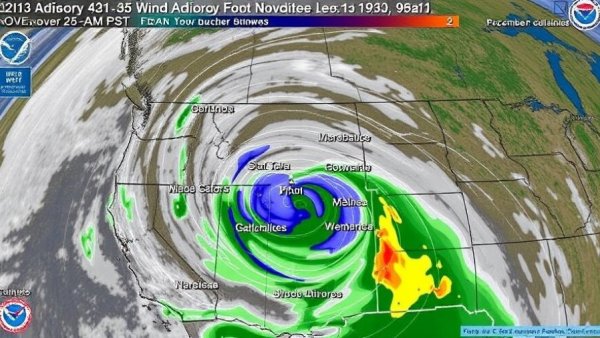
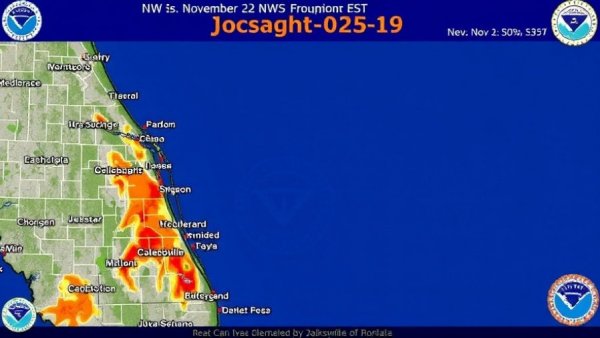
As arborists, our work is deeply connected to the environment and weather conditions. Severe weather alerts play a critical role in keeping both trees and agriculture safe. Recently, the National Weather Service has issued several warnings regarding hazardous weather conditions across various regions. Understanding these alerts is crucial for arborists to effectively manage tree care and safety. By being aware of these announcements, arborists can better prepare their teams and inform clients about potential risks to their landscape.
The Importance of Weather in Tree Health
The health of trees is significantly impacted by weather changes, which makes staying updated on conditions imperative. Storms can cause significant damage, leading to hazardous situations. Arborists must be adept at identifying risks and implementing preventive measures. High winds, heavy rain, or ice can all contribute to fallen branches or even uprooted trees. When a severe weather alert is issued, it is vital for arborists to evaluate the trees within their care quickly. This may involve securing loose branches, advising property owners, or even conducting emergency tree removals. Understanding how different weather patterns affect tree species can improve decision-making and risk management.
Reacting Quickly to Weather Alerts
When severe weather alerts come through, the countdown begins. Arborists should establish an emergency plan for how to respond to unexpected weather. This could include making sure tools and equipment are ready for immediate use, contacting clients proactively to inform them of what they might expect, and reviewing safety protocols for working during adverse conditions. It's also wise to have a contingency plan for employees' safety, ensuring everyone knows when to halt work and seek shelter.
Lessons from Recent Weather Events
Recent alerts have emphasized the need for preparedness. For example, areas that faced strong wind gusts saw an uptick in tree damage, leading to an increased demand for arborist services in those regions. Arborists who had prepped for storms by analyzing tree health and ensuring those trees were structurally sound reported fewer emergencies. These experiences reiterate the importance of staying ahead of the weather curve for effective tree care management. Additionally, by keeping a log of weather conditions and their impact on previously assessed trees, professionals can better predict and manage future events.
Best Practices for Monitoring Weather Updates
Utilizing reliable sources like the National Weather Service, local meteorological stations, and weather apps can help arborists stay informed. Setting up alerts to notify of changes in weather conditions is essential for timely reactions. Arborists can integrate technology such as weather tracking apps into their practice, making monitoring easier and more effective. Leveraging social media platforms for local updates can enhance knowledge of approaching weather patterns as well. Following local news reports and engaging with other arborists through forums can create a community of practice supporting each other through adverse weather conditions.
Embracing Technology in Weather Preparedness
Looking ahead, the future of arborists in relation to severe weather is intertwined with technology. Innovations such as predictive analytics and AI-driven tools can help assess tree risks earlier, allowing arborists to implement preventive measures rather than just reactive ones. By embracing these technological advancements, arborists can enhance the safety of trees and the communities that depend on them. These tools can also help in understanding historical patterns of climate behavior in specific areas, offering valuable insights into how to manage tree growth and care effectively.
User-Friendly Solutions for Arborists
For those looking to improve their preparedness, there are user-friendly solutions available. Participating in workshops or training on weather safety and tree health can equip arborists with essential knowledge. Also, developing a strong network with local agencies can ensure rapid access to weather alerts, which ultimately leads to quicker, more informed decisions in the field. Simple steps like keeping a disaster response kit and having training on emergency tree care can save time and protect well-being when severe weather strikes.
As you navigate through your arborist duties, remember that knowledge of weather events is paramount. Understanding and responding to severe weather alerts not only protects the trees but also ensures the safety of everyone who interacts with our green spaces. So, stay prepared, stay informed, and take action when nature makes its voice heard!




Write A Comment