









Understanding the Latest Weather Alerts for Arborists
Weather is an essential factor in tree care, affecting everything from the growth of trees to their health and safety during storms. For arborists, staying informed about weather warnings and alerts can make all the difference in protecting trees and preserving the environment. In recent weeks, several alerts have been issued, emphasizing the importance of monitoring local weather conditions. This vigilance not only aids in immediate tree care but also contributes to longer-term forest health.
Why Weather Alerts Matter for Tree Care
Weather alerts, such as severe thunderstorms or high wind warnings, serve as critical notifications for arborists. Such alerts offer essential safety information and help arborists make informed decisions about their tree care practices. For example, strong winds can uproot trees or break branches, posing risks not only to the trees but also to surrounding structures and individuals who spend time outdoors. Understanding these alerts allows arborists to take preventive measures to mitigate potential damage.
Furthermore, being reactive to weather changes can protect not just trees but also enhance public safety. Arborists play a crucial role in urban environments where trees can interact closely with human activities. For instance, after a storm, checking and securing loose branches can prevent accidents on sidewalks or roads.
Key Weather Alerts to Watch For
Arborists should be aware of the following types of weather alerts:
- Severe Thunderstorm Warning: Indicates that a storm is occurring or imminent, which can lead to damaging winds and hail that can harm trees.
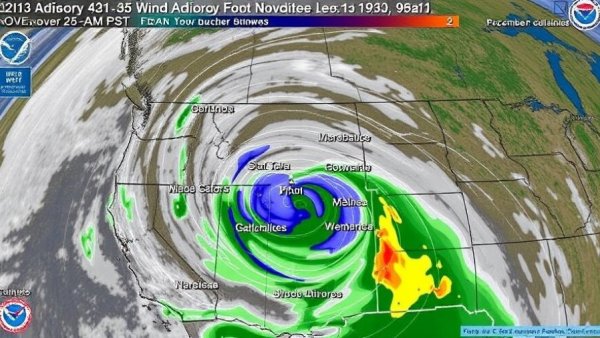
- Wind Advisory: Alerts are issued when sustained winds exceed 20 miles per hour, posing risks to tree stability, particularly among young or weak trees.
- Flood Watch: It is crucial to stay vigilant during flooding events that can damage tree roots and disrupt soil stability.
- Winter Storm Warning: Heavy snow and ice can be particularly detrimental to trees, resulting in broken branches or even complete tree failure.
Tools to Stay Informed
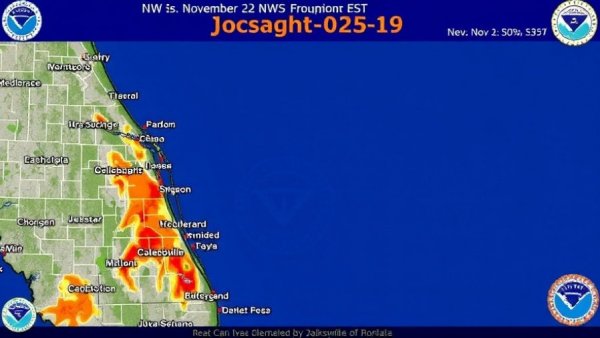
Arborists can utilize various apps and websites to receive real-time weather updates and alerts. For example, the National Weather Service's website provides timely alerts tailored to specific locations. By entering their zip code or GPS coordinates, arborists can access information pertinent to their operational areas.
In addition to government services, social media platforms often feature local meteorologists who update followers on impending weather conditions. Following local news stations and utilizing dedicated weather apps that send notifications directly to their smartphones is another effective strategy. Many of these apps allow users to tailor notifications based on their location, ensuring they are only alerted to relevant conditions.
Impact of Weather on Tree Health
The connection between weather conditions and the health of trees is profound. Severe storms, heavy rains, and high temperatures can significantly affect tree vitality. For example, heavy rain can lead to waterlogged soil, resulting in root rot, while prolonged dry spells can stress trees, making them vulnerable to pests and diseases.
After adverse weather events, arborists should be particularly vigilant, assessing trees for visible damage or stress signs. Branches splitting, bark stripping, or wilting leaves may indicate further care is needed. Prompt intervention, such as pruning damaged limbs, can not only promote healthy growth but also help prevent further decay or disease.
Future Predictions for Arborists
As climate change continues to influence weather patterns, arborists may need to prepare for increasingly drastic weather conditions. Reports suggest that extreme weather, including droughts and intense storms, will likely become more frequent. Arborists must stay educated about these emerging trends and adapt tree care practices accordingly for the sustainability and longevity of urban and suburban forests.
Participation in training programs and workshops focused on climate adaptability can equip arborists with knowledge on best practices for tree selection, placement, and maintenance in changing climates. This proactive approach not only fosters tree health but also supports overall ecosystem resilience.
Conclusion: Stay Prepared and Informed
For arborists, being aware of weather alerts and understanding their implications is vital for effective tree care. By staying updated and prepared, arborists can protect trees, ensuring they continue to thrive amid changing weather conditions. Embrace technology—whether through apps or weather services—to remain ahead of any storm. Investing time in education about weather impacts on trees is a smart move that can help in preserving not only individual trees but the green spaces that communities cherish.




Write A Comment