








Understanding the Impact of Drought and Heat on Eagleston Hollies
The recent summer of 2026 in Roanoke, Texas brought unprecedented heat and drought, which deeply affected many plants, including the beloved Eagleston Hollies. With reports of foliage damage, branch dieback, and canopy deterioration, it is crucial for homeowners to understand how these plants react to extreme weather. As an ISA Certified Arborist, I aim to unpack the science behind their responses and how proper care can aid in recovery.
What Are Eagleston Hollies and Why Are They Popular?
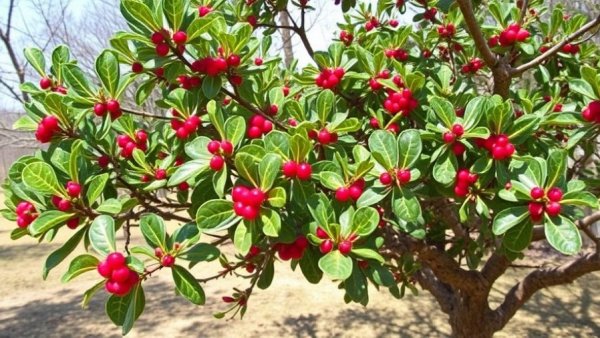
Eagleston Holly (Ilex × attenuata ‘Eagleston’) is known for its glossy, green leaves and dense growth, making it a favored choice for privacy screening and ornamental landscaping across North Texas. These evergreens are not just beautiful but also hardy under typical conditions. However, this attractive façade can mask their sensitivity to extreme weather; even established hollies can suffer under excessive heat and drought.
The Role of Water in Plant Health: Evapotranspiration and More
Understanding evapotranspiration is key to realizing how Eagleston Hollies respond to heat. This term combines water loss from soil evaporation and plant transpiration, where water moves up from the roots and evaporates from leaves. Under intense heat, the demand for water skyrockets, putting these plants under stress. If they cannot absorb enough water through their roots, the symptoms of stress—such as leaf scorch and dieback—quickly follow.
Why Humidity Levels Complicate Things
Low humidity exacerbates heat stress on hollies. The concept of vapor pressure deficit (VPD) is crucial here; it measures the difference between moisture in the air and the moisture it can hold at certain temperatures. As humidity drops and temperatures rise, the demand for moisture increases, which can overwhelm even established plants. Eagleston Hollies may close their stomata as a response to conserve water, but this limits their ability to absorb carbon dioxide, which impairs photosynthesis and overall plant health.
Challenges of Supplemental Irrigation
Contrary to popular belief, the presence of an irrigation system doesn't ensure Eagleston Hollies receive adequate water. There are multiple factors at play: the irrigation may not penetrate deep enough into the root zone, water may run off due to compacted soil, or roots may struggle to absorb water due to previous damage. Homeowners must understand these challenges to better tailor their watering practices.
Taking Action: What Can Homeowners Do?
To help Eagleston Hollies thrive again, homeowners should consider developing a Plant Healthcare program tailored to support their recovery after drought conditions. This could include improving soil quality to support better water retention, adjusting watering techniques to ensure water reaches the roots effectively, and considering natural mulches to retain soil moisture. Engaging with local arborists can provide a wealth of knowledge to ensure proper tree care.
The Road Ahead: Restoring Eagleston Hollies
It's essential for every homeowner in Roanoke and surrounding areas to be proactive in combating the adverse effects of heat and drought. Recognizing the signs of stress early on can lead to effective measures that promote recovery. Whether planting new hollies or caring for existing ones, understanding the needs of these beautiful trees is crucial for sustaining their health and aesthetics in the landscape.
Conclusion: The Importance of Awareness
By fostering awareness about the signs of drought stress and understanding the environmental dynamics affecting our Eagleston Hollies, homeowners can ensure that these beloved plants continue to flourish in their yards. Knowledge is key; keep an eye out for changes and respond accordingly to mitigate long-term damage.



Write A Comment