








Discovering the Unseen Defenses of Female Moths
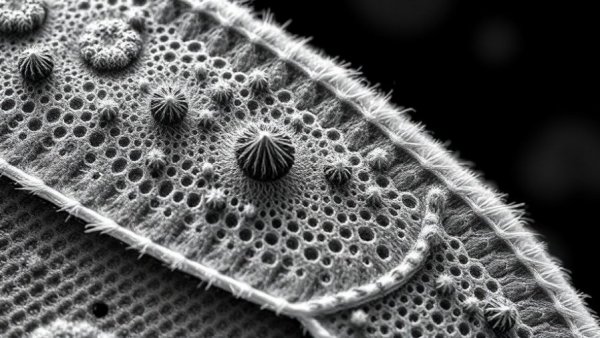
When discussing nature's defenses, one might think of claws, fangs, or venom. However, a recent study has unveiled an extraordinary layer of protection used by some female moths: microscopic hairs that can irritate predators. These tiny weapons, called urticating setae, serve to protect not only the moths themselves but also their vulnerable eggs from their many natural enemies.
The Remarkable Diversity of Urticating Setae
A comprehensive analysis of 14 species from the moth family Notodontidae reveals a fascinating variety of these hairs. Under the lens of scanning electron microscopy, researchers discovered an array of unique designs, including barbs, hooks, and cups. These microscopic structures are significantly effective in deterring not just common animals but even humans, as some species are known to cause skin irritations and inflammatory reactions.
The Importance of Egg Protection
Beyond self-defense, the urticating setae play a crucial role in safeguarding the next generation. Once a female moth has laid her eggs, she uses these detachable hairs to create a protective barrier over her egg mass. This insulation from potential predators increases the survival chances of her offspring, illustrating a fascinating example of parental care in the insect world.
The Mechanism Behind the Irritation
Although the specific biological mechanisms of how these hairs inflict irritation are not yet fully understood, early evidence suggests that their spear-like structure with numerous barbs creates an immediate sensation upon contact. This encounter often leads to scratching or avoidance by potential predators, effectively keeping both the mother moth and her eggs safe from harm.
Connections to Tree Care and the Environment
As homeowners, understanding the behaviors and defenses of local wildlife, including moths, enriches our appreciation of the ecosystem. These tiny creatures are not just insignificant; they play critical roles in maintaining the health and balance of gardens and wooded areas. Moreover, awareness of pest behaviors can assist in managing tree diseases that might result from local environments these moths inhabit.
Conclusion: Nature's Unique Defenses
In an age where biodiversity is threatened, learning about the unique adaptations of species like female moths fosters respect for their roles within ecosystems. Observing and understanding these natural defenses can help homeowners better appreciate the environmental dynamics around their properties, making them more attuned to the care and maintenance of their trees and gardens.




Write A Comment