








Understanding Fire Damage in Trees
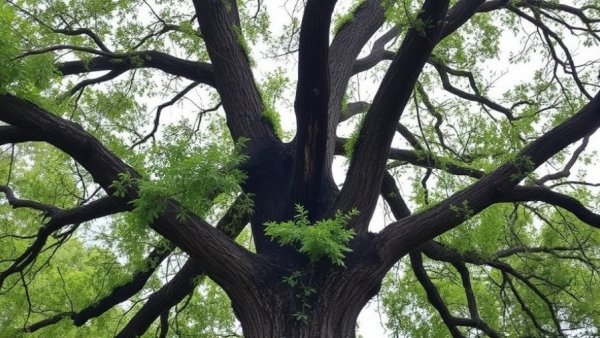
Fire can wreak havoc on trees, particularly mature ones like the Post Oak found in Keller, Texas. When damage occurs, the impact is not just visual; it goes deeper into the tree's biological systems. The living layers beneath the bark—the vascular cambium and xylem—are essential for the tree's growth and survival. Understanding how fire affects these layers helps us grasp the tree's potential recovery and informs decisions on tree removal and care.
Why the Cambium Matters
The cambium is crucial for a tree's growth. It helps generate new layers of wood (xylem) and bark (phloem). When fire injures this layer, the tree's ability to grow and heal can be compromised. In our Keller case, the cambium was severely damaged, with significant areas showings signs of necrosis, meaning the tree could no longer generate new growth in those regions. The loss of cambial cells is akin to a person suffering a severe wound: the road to recovery becomes difficult, if not impossible.
Xylem Damage: The Waterworks of Trees
The xylem of the tree is like the plumbing that transports water and nutrients from the roots all the way to the leaves. Damage from fire can disrupt this essential process. When the xylem is exposed to extreme heat, the living cells that facilitate water transport can be injured. In the case of the Keller Post Oak, fire exposure has damaged about 30-40% of its trunk circumference, hampering hydration and nutrient distribution. This is particularly critical in a climate that demands constant moisture for the tree's health.
The Warning Signs: Bark Sloughing and What it Tells Us
Bark sloughing is a serious indicator of underlying problems. When bark peels away from the tree trunk, it can suggest significant injury lies beneath. This event alone underscores potential threats to the vascular cambium and xylem layers. In the case of our mature Post Oak, extensive bark damage combined with vertical injuries and crown loss pointed toward a bleak prognosis. Knowing these signs can aid tree care experts in making informed decisions.
Making the Tough Call: To Remove or Not to Remove?
After thorough evaluation, the choice to remove a severely damaged tree often stems from safety concerns. If the tree can no longer function effectively due to extensive cambium and xylem damage, its structural integrity is compromised. In the interest of public safety and environmental stewardship, removing a damaged tree may be the most responsible action one can take. It also opens the door for new growth in its ecosystem.
Conclusion: The Role of Arborists in Tree Recovery Decisions
This unfortunate situation faced by the Post Oak in Keller illustrates the importance of professional arborist evaluations following fire damage. Arborists play a vital role in assessing tree health and determining the best course of action. Whether it entails removal or a detailed care plan, the objective is to ensure safety and promote healthier landscapes. Keeping informed about the risks and symptoms associated with fire damage can help homeowners and communities make educated choices about tree care.




Write A Comment