








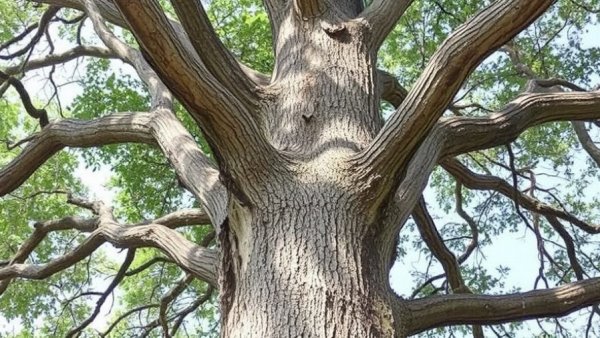
Understanding Southern Live Oak Damage in Flower Mound
Hello, Flower Mound residents! Today, we're diving into the world of trees, focusing on the Southern Live Oak, a prominent tree in our area. I'm Bob Davidson, an arborist dedicated to making tree care understandable and relatable for everyone, especially those curious young minds out there. Recently, I evaluated a mature Southern Live Oak that exhibited several intriguing conditions affecting its health. Anyone who is familiar with these stunning trees will appreciate how essential proper care is to their longevity. Let’s explore some serious conditions that can impact Southern Live Oaks, which are a staple of our landscape.
What are the Potential Dangers?
This particular oak tree showed signs of three major concerns: included bark, freeze damage, and a possible lightning strike. If you think your tree looks healthy on the outside, remember: it might still have hidden issues, like this one. Let’s discuss each condition in detail!
Condition #1: The Hidden Risks of Included Bark
Included bark occurs when the bark gets trapped between two stems growing closely together, called codominant stems. This can weaken the tree's structure over time. Imagine two friends holding hands; if one friend squeezes too tight and the other can’t get a good grip, one might slip away. For trees, this means one stem can break free if a storm hits.
Condition #2: Freeze Damage Impacts
The second concern stemmed from the freeze damage caused by our notorious winter storm in February 2021. Severe cold can harm the tree’s tissues, resulting in open wounds that expose it to decay and disease. If you’ve ever had a cold sore, you can understand how an outside injury can cause more problems as bacteria make their way in.
Condition #3: The Threat of Lightning Strikes
Lightning strikes can dramatically affect a tree, as seen in this case, by creating channels of damage that may extend down to the roots. Lightning doesn’t just knock a tree down; it can compromise its health, much like how a severe injury affects our ability to play sports. If you notice unusual splits in a tree after a storm, keep a lookout!
Managing Tree Health
So, what can homeowners do to keep their trees safe? Regular check-ups with a certified arborist are vital. These professionals can spot issues that might not be visible to you. Treatments like cabling and bracing can be used to support the tree structurally while also enabling it to grow naturally.
Why Knowing About Tree Health Matters
Tree care is essential not just for aesthetics but for the environment as well. Healthy trees provide cleaner air and a home for wildlife. By understanding and managing the conditions that affect them, we all help to keep our community flourishing and secure for years to come.
If you've found these insights helpful and want to keep your trees in check, consider reaching out to a trusted arborist in your area. They can provide professional evaluations and treatments to ensure your trees stay healthy and thriving!



Write A Comment