








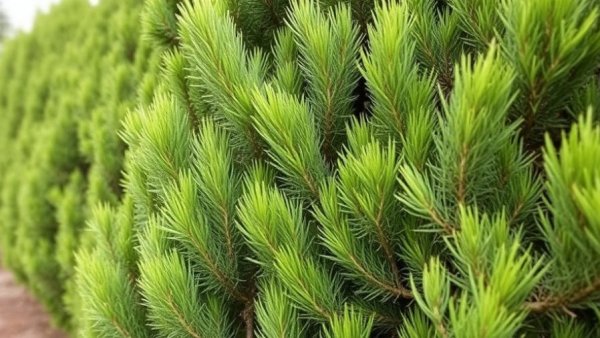
Mastering the Art of Italian Cypress Care in Fort Worth
Italian Cypress trees (Cupressus sempervirens) can transform any landscape with their unique, towering appearance, creating a picturesque sight that captivates many in Fort Worth, Texas. However, their stunning aesthetics come with a set of challenges that every property owner must navigate. As an ISA Certified Arborist, I've had the privilege of maintaining some of the largest and oldest Italian Cypress trees in the area, each standing resiliently at heights of 75 to 100 feet. Let’s explore the essential practices for ensuring these magnificent trees thrive in the fluctuating climate of North Texas.
The Challenge of North Texas Weather
The Mediterranean origins of Italian Cypress trees mean they are naturally equipped to handle hot, dry summers and mild winters. However, Fort Worth's climate can be quite different, posing significant challenges to their health and longevity. Seasonal weather changes, including extended droughts and sudden downpours, considerably affect soil conditions, water availability, and tree resilience.
Notably, these trees have shown vulnerability to specific issues, such as fungal diseases like Diplodia and Seiridium canker and pests like spider mites. Without a dedicated Plant Healthcare program, such threats can compromise their beauty and productivity. Ongoing care, tailored specifically to their needs, helps maintain their lush green foliage and architectural elegance.
Importance of Proper Drainage
One of the critical factors for the health of Italian Cypress is proper drainage. These trees require well-drained soils to thrive. If water saturates the soil for too long, it can lead to root zone hypoxia, creating a hostile environment for their roots. Roots are vital for nutrient absorption, and without sufficient oxygen in the soil, the trees can suffer, leading to reduced vigor and even mortality.
During wet spring seasons, heavy rains can create conditions where compacted or clay-rich soils are unable to drain effectively. This is why I emphasize the necessity of proper drainage systems. For properties where the risk of waterlogging exists, implementing engineered drainage solutions can markedly improve tree health.
Long-term Strategies for Maintenance
To cultivate strong, healthy Italian Cypress trees, embracing a long-term Plant Healthcare strategy is essential. This approach goes beyond reactive measures and focuses on prevention through regular monitoring and maintenance. Not only do we manage disease and insect threats, but we also assess soil conditions and implement cultural controls to improve tree resilience.
It's crucial to understand that these trees need time and care to adapt to their environment. Over the years, with proper stewardship, these iconic trees can continue to thrive, providing aesthetic joy and ecological benefits that enhance the landscape.
Conclusion
In summation, while Italian Cypress trees bring undeniable charm to Fort Worth properties, managing their health requires attentive care, knowledge of environmental conditions, and proactive strategies. Understanding their needs means embracing a comprehensive approach to tree care, ensuring these beauties remain vibrant for generations to come. As arborists, it’s our goal to demystify tree care practices, providing the insights necessary to empower property owners.
Simplifying tree care into an actionable strategy can elevate the beauty of your landscape while benefiting the environment. For continued learning and tree care tips, stay connected with your local arborists and explore their offerings!



Write A Comment