








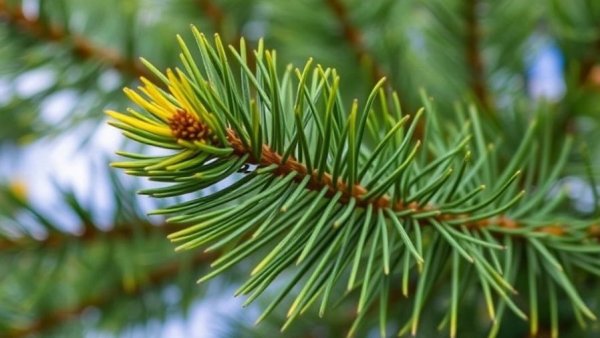
Pine Trees and Their Colorful Needles
If you’ve noticed your pine tree’s needles turning yellow or even brown in Westover Hills, Texas, you might be worried about the health of your tree. Before jumping to conclusions and thinking your tree is dying, let’s explore what yellowing needles really mean. It can be a sign of several conditions, some of which may not be severe at all. Understanding these factors is key to keeping your tree healthy.
What Causes Yellowing Needles?
Pine trees face various challenges, especially in North Texas, where extreme summer heat and periodic droughts can take a toll. However, factors can range from environmental stressors to normal changes in the tree's life cycle. Here are some common reasons why your pine tree’s needles might be showing signs of distress:
The Role of Fungal Diseases
One significant cause of needle yellowing is a fungal disease known as tip blight. This disease affects newer growth and is often linked to the fungus Diplodia sapinea. Symptoms can include:
- Yellowing or browning of young needles.
- Stunted or distorted branch shoots.
- Death of the tips or terminal buds.
- Visible resin on affected shoots.
Environmental Factors at Play
In addition to disease, the condition of the soil plays a big role in the health of your pine tree. If the soil is overly wet, it can lead to a lack of oxygen for the roots, causing what’s termed root-zone hypoxia. This inability to breathe effectively leads to physiological stress for the tree, making it more susceptible to infections and less capable of thriving.
How to Treat Your Pine Tree
When determining how to treat a pine tree with yellowing needles, it’s essential to identify the specific issue at hand. Techniques may include treating for fungal infections or improving drainage around the tree's roots. A certified arborist, like those at Arborist USA, can help assess your tree's condition and recommend the best course of action tailored to your specific situation.
Your Tree’s Health and Local Significance
Understanding these tree health issues is significant not only for maintaining the beauty of your landscape but also because healthy trees contribute to the greater environment. They provide habitat, improve air quality, and enhance the biodiversity of your local community.
Taking Action: What You Can Do
If your pine tree is showing signs of distress, consider contacting a professional arborist. They can evaluate your tree and help implement a care strategy. Regular maintenance and awareness can go a long way in ensuring your trees thrive!



Write A Comment